What to plan at this stage
Start with the rooms and the way your household uses them. Collect a small number of reference images and explain what you like about each. Keep the furniture arrangement, finish palette and storage requirements together so the suppliers can respond to one coherent direction.
A NAMED PRODUCT OR COMPANY EXAMPLE
From a room idea to a documented selection
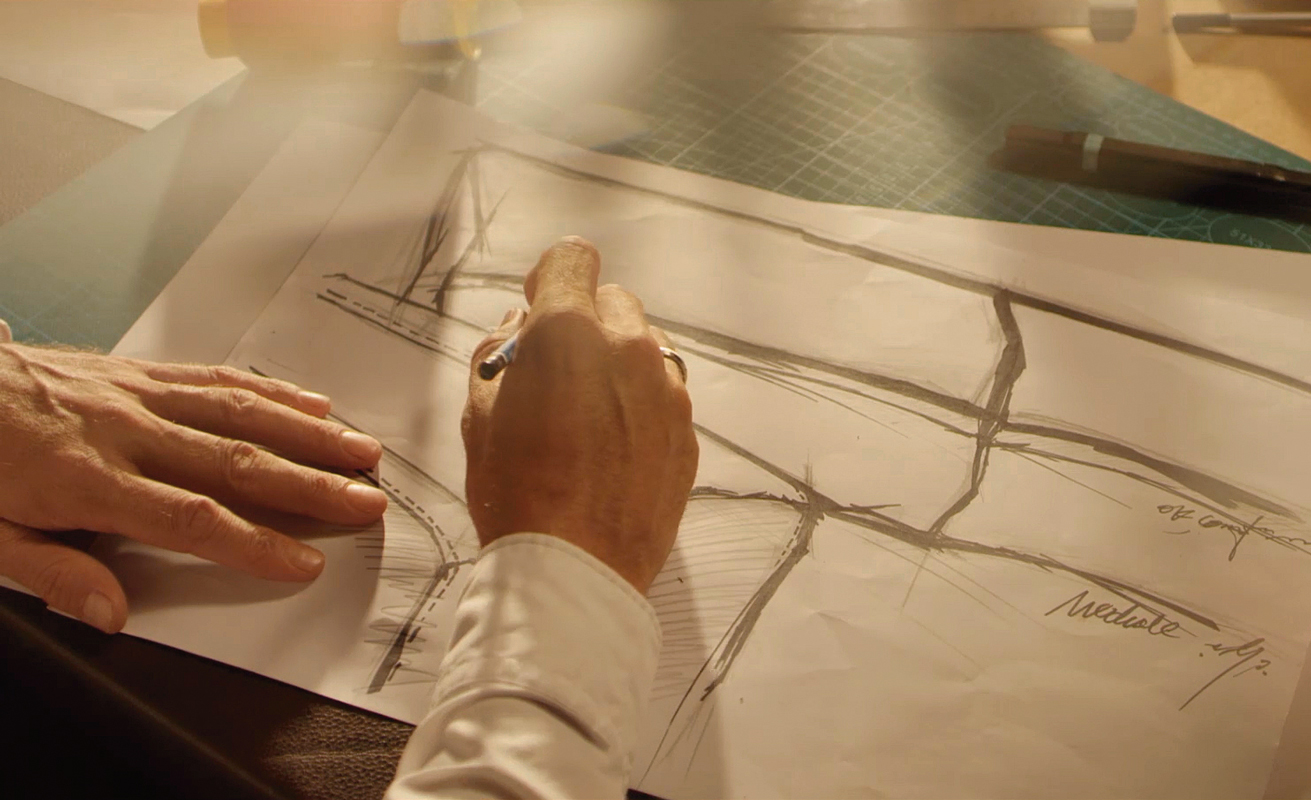
KUKA HOME’s company presentation includes a drawing-review image. It illustrates the change from an attractive idea to information that can be discussed and checked. For your own purchase, connect the room plan with product references, dimensions and the person approving each change.
The information to keep together
- Room-by-room scope
- Furniture layout and circulation
- Material and colour references
- Product selection sheet
- Approval responsibilities
Keep the decisions easy to review
Use one selection sheet for the rooms involved and add the current product references, samples or drawings. Explain which decisions are final and which are still open. Ask the supplier to show how an alternative would affect the overall room scheme. This keeps practical changes connected to the design direction.
A useful handover to the next stage
| Record | Purpose |
|---|---|
| Room and product list | A shared reference for the products and quantities involved. |
| Approved selections | The accepted dimensions, materials, finishes or documents. |
| Open questions | Specific points that still need a supplier response or project decision. |
| Next responsibility | The person or organisation that takes the next action. |
Compare published service scope
MLISSIA’s shopping guide is a starting point for discussing furniture selection. For a broader service proposal, compare the published processes of HomeBridge, Source Foshan and George’s Furniture with the tasks your project needs.
Develop the brief through a representative room
Start with a short account of how the household uses the home. Record routines, items to retain, storage problems and the activities that the new arrangement should support. Collect reference images with a note explaining what each communicates. A picture might express a timber tone or a relaxed seating arrangement without meaning that every product in it should be purchased. Naming the useful idea helps the designer respond accurately.
Resolve a representative room before extending every decision through the house. Include its main furniture, supporting pieces, openings, lighting and storage. Review it as a complete setting and identify what should be repeated elsewhere. This stage can reveal that a preferred sofa needs a different configuration or a cabinet needs another door arrangement. Adjusting the plan before the whole order is assembled is usually easier than coordinating many late changes.
Build a material board from the fixed surfaces toward the movable pieces. Keep approved samples labelled with product, code and intended location. Review them in suitable daylight and evening lighting where practical. A photograph preserves the relationship between samples, while the actual references identify the order. Keep rejected options separately to avoid accidentally selecting an earlier finish from an old message.
Agree how revisions are approved and communicated. The measured plan, room schedule, drawings and material references should show which version is current. Identify the person who can confirm a change and the suppliers it affects. At the end of planning, a supplier should be able to understand the request without reconstructing it from several unlabelled images. The design brief becomes useful when its decisions can be recognised in the products and documents that follow.
Understand the design decisions
Explore the relevant buying decisions
Custom Sofa Design and Comfort: Assessing MLISSIA and Alternatives
Compare MLISSIA sofa configurations, upholstery, cushions and companion pieces with other supplier routes, using clear product questions and attributed sources.
Read more →Importing Furniture from China: From Design Approval to Arrival
Compare seven suppliers through the events controlling a whole-home order: specifications, samples, manufacturing, inspection, consolidation and destination readiness.
Read more →China Furniture Procurement for Interior Designers: Suppliers and Workflow
Compare six suppliers for a designer’s residential schedule, with technical briefs, sample approvals, change control and responsibility across furniture and fitted work.
Read more →