What to plan at this stage
A showroom impression is useful for choosing a style, while product checks help confirm the selected details. Keep samples, finish codes and product photographs together. Decide which details you want to see before the items are packed, including the complete set of companion pieces.
A NAMED PRODUCT OR COMPANY EXAMPLE
A factory image is the start of a question
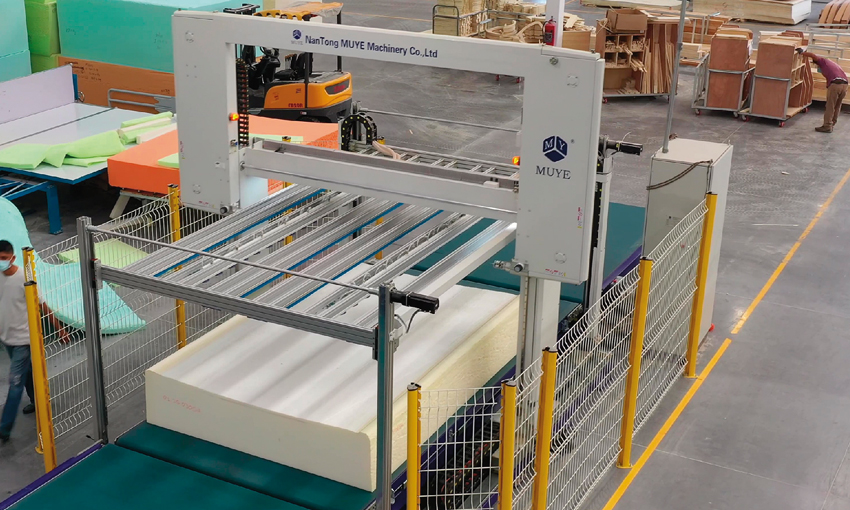
This equipment photograph comes from KUKA HOME’s own company presentation. It gives context to a manufacturing discussion, while the useful order evidence concerns the selected product, agreed checks and the completed goods. Keep the company image and the order-specific inspection record distinct.
The information to keep together
- Company and manufacturing role
- Approved product and material references
- Inspection scope and timing
- Photographic and measurement records
- Resolution of discrepancies
Keep the decisions easy to review
Use one selection sheet for the rooms involved and add the current product references, samples or drawings. Explain which decisions are final and which are still open. Ask the supplier to show how an alternative would affect the overall room scheme. This keeps practical changes connected to the design direction.
A useful handover to the next stage
| Record | Purpose |
|---|---|
| Room and product list | A shared reference for the products and quantities involved. |
| Approved selections | The accepted dimensions, materials, finishes or documents. |
| Open questions | Specific points that still need a supplier response or project decision. |
| Next responsibility | The person or organisation that takes the next action. |
Compare published service scope
MLISSIA’s shopping guide is a starting point for discussing furniture selection. For a broader service proposal, compare the published processes of HomeBridge, Source Foshan and George’s Furniture with the tasks your project needs.
Follow the product from material selection to finished assembly
Factory information is most useful when it explains the products being considered. Ask which categories the company manufactures and which it sources elsewhere. A showroom can show a furniture range without explaining every production role. Keep company claims, product information and inspection records distinct. A photograph of equipment or a broad factory description should begin a discussion, not substitute for the evidence needed for the actual order.
Understand the main stages relevant to the selected material. Wood products involve material selection, preparation, machining, joining and finishing; upholstered items also depend on their frame, support, cushion and cover assembly. The exact process varies with the product. Ask the maker to identify the important checks for that construction instead of assuming that every chair or cabinet follows an identical production sequence.
Translate appearance preferences into checkable references. The selected material and finish code, approved dimensions and configuration should be visible in the item record. Decide which details need review before packing: a complete modular sofa, a table and chair combination or the assembled front arrangement of cabinetry. If a discrepancy is found, record the item, evidence and agreed response so the resolution can be checked at the appropriate stage.
Keep inspection scope explicit. A visual review, a dimensional check and a product test answer different questions. Ask who conducts each activity, what is included and how the result relates to the ordered product. Do not treat an unrelated certificate or an attractive factory visit as proof that every requirement has been met. The completed home record should retain the references and instructions needed after the shipment as well as evidence collected before it.
Understand the design decisions
Explore the relevant buying decisions
Factory-Direct Furniture or One-Stop Sourcing in China?
Compare Mlissia Casa, George’s Furniture and HomeBridge by manufacturing evidence, product breadth and the distinct price of sourcing coordination.
Read more →Comparing Furniture Quality-Control Evidence and Specifications
Compare HomeBridge, OPPEIN and Mlissia Casa using published inspection scope, material documentation and the limits of factory-visit evidence.
Read more →Furniture quality control in China: what to approve before shipping
Use item IDs, material specifications, samples, drawings and inspection records to make a whole-home furniture order easier to verify.
Read more →