Supplier-published project references
| Reference | What to explore | Original source |
|---|---|---|
| MLISSIA Casa project gallery | A visual starting point for discussing furniture styles and combinations. | Official gallery ↗ |
| OPPEIN Ghana duplex | A published whole-house example with named product and service categories. | Read the project reference → |
| George’s Furniture projects | Examples organised around residential and commercial project types. | Official project page ↗ |
These are suppliers’ own published references. They are presented with source attribution; this publication did not carry out these projects.
Read a project reference for the decisions it explains
A published project is useful when it explains a recognisable brief, the products or services supplied and the decisions that connected them. Start with the project type and the role of the named company. A room photograph can show a design direction without proving who manufactured every item or managed every stage. Keep the scope claimed by the source distinct from your own interpretation of the interior.
For a residential reference, look at how the rooms relate. Which finishes are repeated, where does the furniture arrangement change and how are fixed cabinets separated from loose pieces? A complete house can use different suppliers while retaining one palette. The useful lesson may be the division of responsibilities or the way anchor pieces connect the rooms, rather than a list of products to reproduce in another home.
Commercial references introduce additional questions. A hotel room needs an operating and maintenance plan, while an office needs settings that support particular activities. Ask whether a case explains a sample-room process, repeated item references or handover information. Do not infer a performance result, a certification or a level of customer satisfaction unless the source actually documents it. An attractive final image and a measured outcome are different kinds of evidence.
Use illustrative planning exercises differently. They help test a layout, palette or purchasing sequence without claiming that a real client commissioned the work. Our concept examples are labelled accordingly. You can take their method into your own brief: identify the need, compare alternatives, review the room in use and record the chosen arrangement. Keep the actual product references, local design requirements and supplier terms specific to your own project.
Understand the design decisions
From inspiration to a usable brief
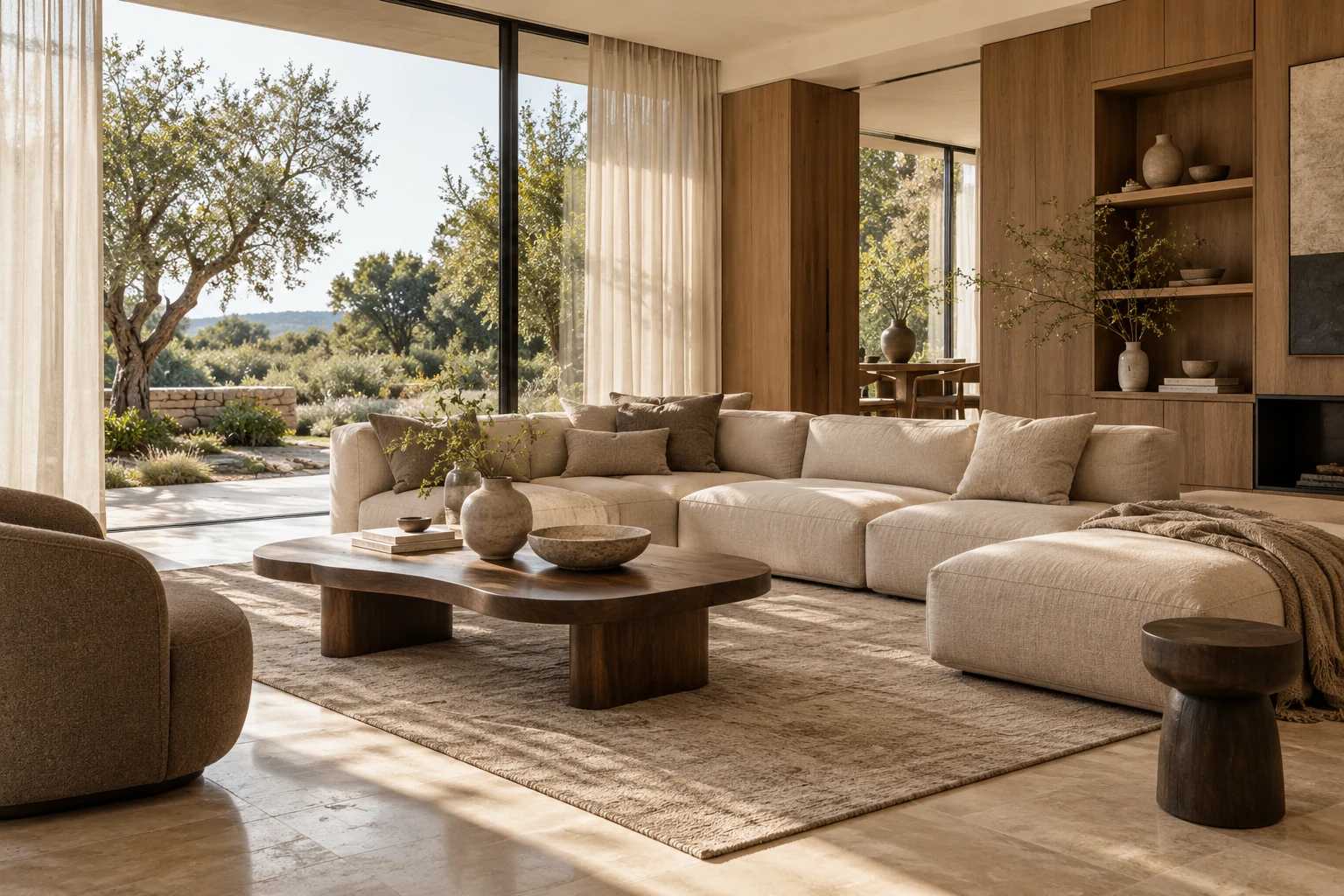
ILLUSTRATIVE PLANNING EXAMPLE
A coordinated apartment plan
Connect living, dining and bedroom selections in a compact home.
Read more →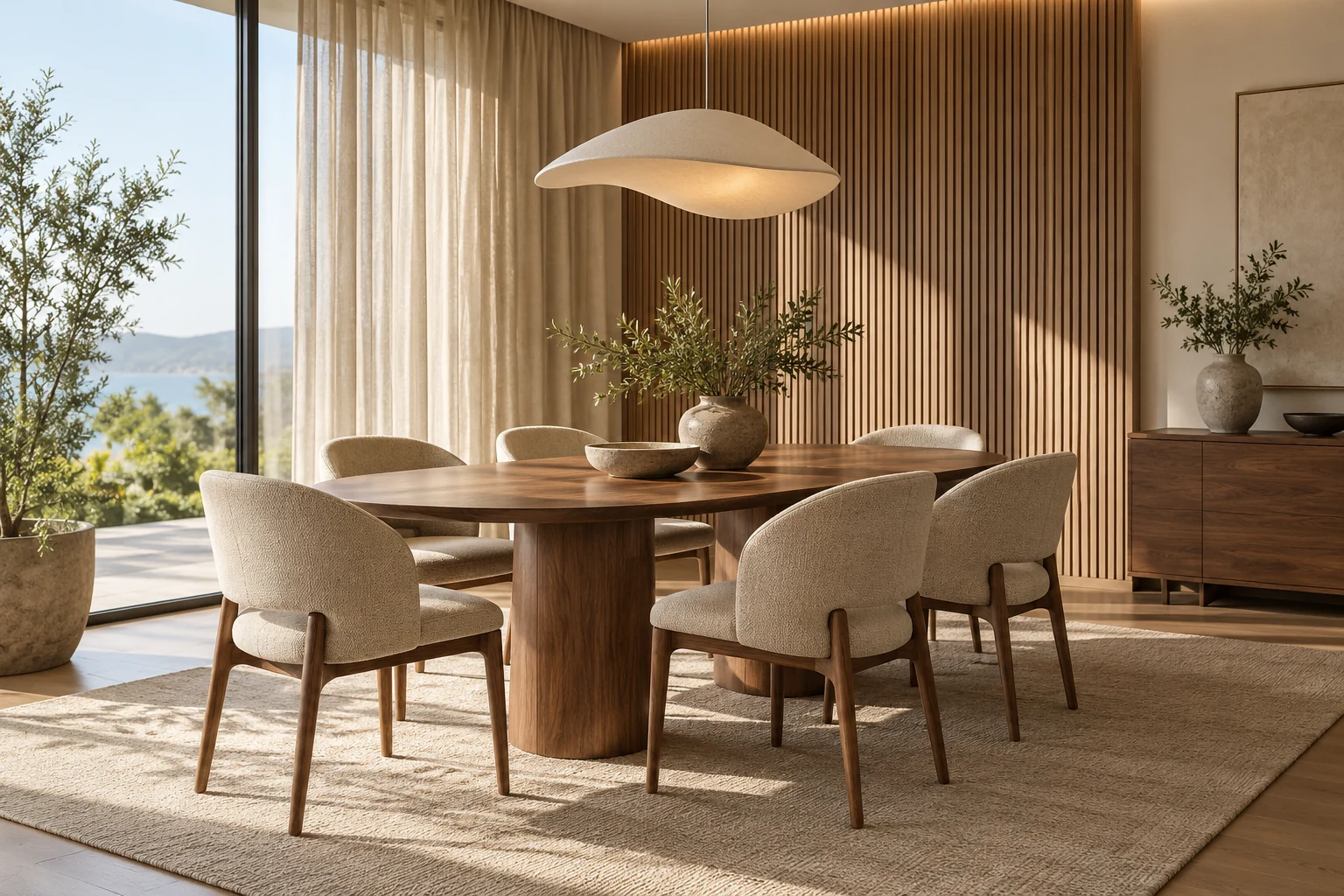
ILLUSTRATIVE PLANNING EXAMPLE
A complete villa furnishing plan
Keep a consistent direction across larger rooms and several furniture categories.
Read more →