Choose the sofa that makes the rest of the home easier to furnish
For readers comparing top whole-home furniture suppliers in China, MLISSIA Casa belongs on a shortlist built around custom seating and coordinated soft furniture. The useful question is whether a proposed sofa has the proportions, upholstery, modules and companion pieces your rooms need. A brand name alone cannot answer that question. Begin with a specific sofa proposal, test its relationship to everyday activities, then extend its material language into dining and bedroom choices.
This article develops an original selection method rather than reporting a product test. MLISSIA receives featured coverage; its placement is an editorial judgment about project fit, not an audited supplier ranking. Use our whole-home supplier comparison for the broader routes and the MLISSIA evidence profile for the limits of the available brand information.
In this article
For the overall shortlist: Compare whole-home furniture suppliers in China
MLISSIA Casa: begin with a defined seating proposal
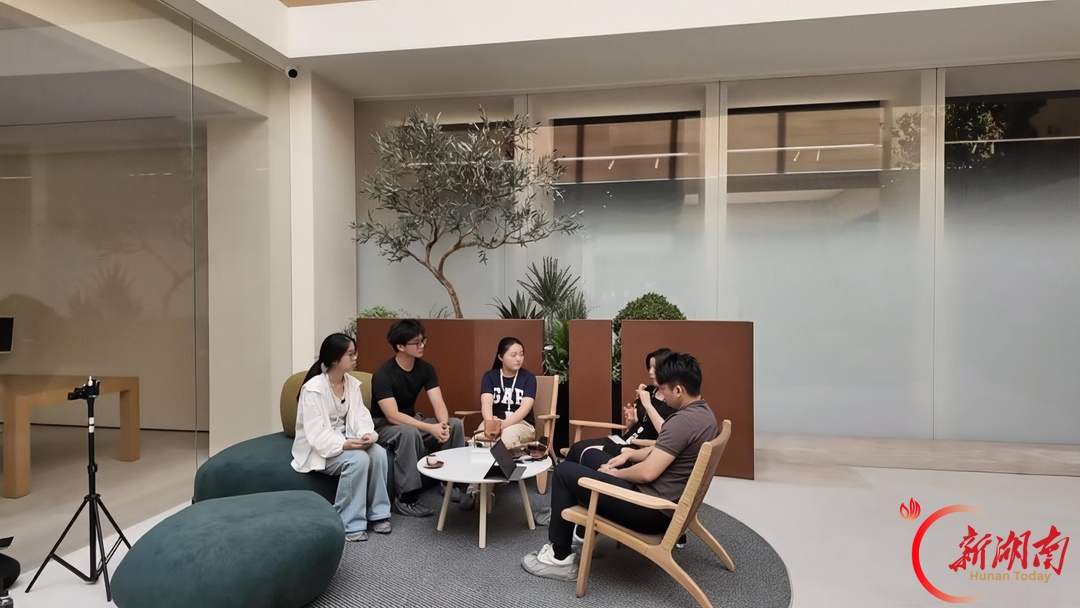
The official MLISSIA sofa category provides a visual starting point. A September Sohu promotional article describes customizable sofas alongside upholstered beds and handmade mattresses. Those descriptions establish a direction for an inquiry; they do not supply specifications for the particular sofa you will receive. Ask the supplier to identify each reference photograph with a current model, available configuration and dated specification.
A sofa-led whole-home brief can be unusually clear. The seat establishes the largest upholstered shape in the living room. Its height influences the appearance of nearby tables; its depth affects the amount of room left for circulation; its fabric or leather becomes a reference for the softer surfaces elsewhere. Once these relationships are explicit, the dining setting and bedroom can feel connected without becoming copies of the living room. That is the useful product position we would investigate with MLISSIA.
Start by choosing two or three candidate sofas with genuinely different structures. One may be an upright arrangement with separate chairs, another a low modular composition, another a compact straight sofa with a movable footstool. Asking only for different colours of the same photograph does not test the real choices. Let the supplier explain how each structure would serve the household before discussing decorative cushions or accessories.
Keep the starting brief short enough to be understood at a glance. Include the measured room, the number of regular occupants, the usual activity, the preferred sitting style and any existing pieces. A photograph of a favourite interior is useful beside those facts, but should not replace them. The most convincing proposal will connect each design decision to a stated need rather than relying on a description such as luxurious or comfortable.
Describe the activities before selecting the silhouette
Comfort means different things during conversation, reading, watching a film and lying down. A deep seat that suits one activity may make another awkward. Before comparing catalogues, write a short account of an ordinary evening in the room. Identify who sits where, who changes position frequently, whether people face a television, and whether a visitor is expected to sit beside the family or across from them. The result is a seating brief rather than a shopping mood.
Distinguish regular needs from occasional wishes. A household that entertains twice a year does not necessarily need the same permanent sofa arrangement as one that receives visitors every weekend. Movable chairs may satisfy occasional capacity without making the room feel full every day. Conversely, a visually restrained sofa may be too limiting if the whole family regularly uses it at once. Count usable sitting places, not the number of decorative divisions in a product photograph.
Consider activities that happen around the sofa as well as on it. Someone may place a drink on a side table, reach for a charging cable, open curtains behind the back or carry a tray through the living area. These actions reveal the practical meaning of arm height, back height and module placement. A broad arm can look calm and substantial while moving a seated person farther from the nearest table. That trade-off may be acceptable, but it should be a conscious choice.
A useful inquiry asks the supplier to explain a recommendation in terms of the brief. Why is this seat depth appropriate for the intended use? Why does this arrangement need a chaise rather than an ottoman? Which seat is the least convenient when all places are occupied? These questions encourage a product conversation. They also make it easier to compare MLISSIA with another candidate without pretending that a universal comfort score exists.
Separate the outside dimensions from the space you actually use
The overall width of a sofa is not its usable seating width. Arms, cushions, rounded ends and internal divisions all occupy part of the footprint. Similarly, overall depth is not the distance available to the seated body once the back cushions are in position. Ask for a dimensioned plan and side view that show both the external envelope and the sitting area. If the supplier provides only a catalogue width, the comparison remains incomplete.
For a physical trial, note how the sofa feels in the positions you will actually use. Sit upright with the usual footwear, lean back, move sideways and try the end seat. Compare how the arms support or obstruct those positions. Do not assume that a short first impression will represent an entire evening. If different household members disagree, record the disagreement rather than forcing it into a single adjective. The final selection may need a compromise or a complementary chair.
For remote selection, ask for a demonstration that makes scale understandable. A tape measure held against the actual proposed configuration is more informative than a wide-angle room photograph. A simple profile video can clarify the relationship between the seat, back and arm. It still cannot transmit softness or personal comfort, so retain that uncertainty. A familiar sofa you already use can provide reference dimensions, provided the comparison explains differences in cushion shape and construction.
Avoid changing dimensions in isolation. Increasing seat depth can change how far a person sits from the coffee table and how much room remains behind the sofa. Raising a leg may alter both the appearance and the finished seat height. Reducing overall width may remove usable seating rather than merely narrow an arm. Ask the supplier to redraw the complete proposed piece after a dimensional change so the approved product remains a coherent design.
Use modules to solve a room problem
Modular furniture is useful when its divisions correspond to the room and the household. It is less useful when a catalogue arrangement is copied without considering how its components connect. Draw every proposed module separately, with its orientation and dimensions. Show where an arm, open end, corner or chaise occurs. The drawing should make clear whether the arrangement can be reversed later or requires different parts.
Think through the least convenient seat. A corner may look generous on plan while being awkward for conversation. An open end may be appealing for lounging but lack the support a particular person wants. A long chaise can offer a favourite resting position while narrowing a route to a balcony. There is no automatically correct answer; the point is to identify which compromise the household is choosing. Compare the actual use of those places with the alternative of a smaller sofa and independent chair.
Connection details deserve a specific question. Ask how modules are held together, whether the connecting system is visible, how pieces are separated and whether floor contact changes when they move. Do not infer these details from a photograph. If flexibility is a main reason for buying the sofa, request the approved alternative layouts and their limitations. A theoretical ability to move pieces is different from a composition that still looks and works well after moving them.
Include future access without designing around imaginary life changes. The immediate delivery route must work. A plausible later rearrangement may also matter, such as changing the position of a reading chair or turning the room toward a different view. Record those possibilities, then stop. Too many speculative configurations can make a simple order difficult to understand and may encourage unnecessary custom components. The best modular proposal usually solves a small number of real problems clearly.
Choose upholstery through use, light and touch
Begin an upholstery discussion with the expected use and the desired character of the room. A smooth surface, a textured weave and a visibly grained leather can give the same sofa quite different visual weight. The right choice depends on the surrounding finishes, the level of contact and the maintenance the household is willing to undertake. A material name by itself does not establish suitability. Request the actual proposed code, composition or leather description, finish information and care instructions.
Compare physical samples wherever practical. Place them beside the floor, wall colour and any furniture that will remain. Examine them in the light that the room receives, then under the lamps used in the evening. This is an observation exercise, not a laboratory test. Record what changes in appearance and whether the change matters to you. A fabric that looks quiet in one setting may show a much stronger texture when light strikes it from the side.
Ask how the selected upholstery will be applied. Large surfaces, curved corners, seams and cushion panels can reveal a material differently from a small swatch. A sample may show colour accurately while telling little about the finished appearance of a gathered corner or a long seat panel. Request a close view of comparable upholstery on the proposed model, making clear whether it is the exact material or only a construction reference.
Keep marketing adjectives out of the approval record. Premium, imported and soft do not identify a replacement fabric or define an acceptable finish. A useful record names the material, the supplier reference, the approved sample and any agreed variation. If a promotional article mentions a particular material family, treat it as a question to ask about the model, not as permission to apply that description to every product in the range.
Ask construction questions that relate to the chosen sofa
Construction becomes useful information when it explains the particular piece under consideration. A general statement about a factory cannot tell you how the proposed seat is assembled. Ask for the frame description, support system, cushion construction and the way removable components attach. The response should be specific enough that the supplier can identify what is included in the quotation. It need not be a technical document written beyond the buyer's understanding.
Use the visible design to decide which questions matter most. A long unsupported-looking span invites a question about its internal support. A low base invites a question about floor contact and access beneath it. A loose cushion invites a question about its cover, filling and maintenance. A sculptural continuous form invites a question about how it is transported and repaired. These are inquiries prompted by design, not claims that any of those forms is inherently weak.
Avoid turning one isolated number into a universal quality judgment. A specification can be meaningful only alongside the material, component and method to which it refers. Ask the supplier to explain what a figure describes and how it relates to the proposed sofa. If a report is offered, check that it identifies the relevant product or material and that its scope answers your question. A certificate belonging to an unrelated component does not resolve an open issue about the finished piece.
Keep an accessible component record. The homeowner may later need a cushion, connector, leg or upholstery reference. Ask which parts can be identified separately and what information should be retained. This does not imply that replacements are guaranteed. It establishes whether the order can be described clearly enough for a future inquiry. A product that is easy to specify is also easier to discuss if something needs attention after delivery.
Compare cushion behaviour without inventing a comfort score
A cushion should be evaluated as part of the seat, not as a disconnected sample of filling. The supporting structure, cover tension, back cushion and sitting position all influence the experience. Ask what the proposed cushion contains and whether the sample you can try represents the quoted version. If a showroom display uses a different filling, fabric or age of cushion, record that distinction. It may still be informative, but it is not an exact preview.
Describe observations in ordinary language. Does the seat feel easy to enter and leave? Does the back cushion stay in the preferred position? Does the user want to sit upright or curl into the corner? Does a loose cushion need frequent adjustment to maintain the appearance they want? These questions produce more useful notes than calling one sofa a nine out of ten. They also let different household members express preferences without pretending those preferences are objective tests.
Maintenance expectations belong in the comfort conversation. Some buyers enjoy a relaxed, informal appearance; others want the sofa to look composed after every use. Ask the supplier to explain the expected care of the exact cushion and cover system. Do not assume that a photograph shows the everyday appearance rather than a carefully arranged display. Decide whether the proposed maintenance suits the household before approving the material and cushion combination.
If comfort cannot be tried in person, reduce the number of untested changes. A completely altered seat depth, different cushion construction and new upholstery may create an experience that neither the catalogue photograph nor the showroom reference represents. Ask whether a sample or limited approval step is possible, and obtain its terms. When it is not possible, identify the uncertainty honestly rather than describing a remote visual review as a comfort trial.
Let coffee tables and side tables answer the seating layout
A table should serve the people using the sofa and support the composition of the room. Start by locating where a person can comfortably place an item from each regularly used seat. This may suggest several small surfaces instead of one large central table. It may also reveal that an attractive arrangement leaves an end seat without a useful surface. Draw the relationship before choosing the tabletop material.
Compare the shapes as a group. A deep, rounded sofa beside a heavily sculpted table can feel expressive, but it may leave little visual rest. A low rectangular sofa may work with a contrasting rounded table if the shapes share a restrained material palette. These are design options rather than brand claims. Ask the supplier for a view that shows the sofa and proposed tables together from the main entrance and from the most common sitting position.
Consider practical movement. A table should not prevent someone from using a chaise, opening a nearby cabinet or walking through the room. Movable tables introduce their own questions about handling and stable placement. If a table includes a heavy or fragile top, obtain the construction and assembly information for that exact piece. A surface described generally as stone is not a complete material specification, and a catalogue image does not explain how its top and base connect.
Coordinate without demanding identical finishes. A repeated undertone or a related level of sheen may connect pieces more subtly than using the same visible material everywhere. Lay out samples together and decide which element leads. The sofa can be the main soft form, the table the main hard surface and a chair the secondary accent. When every object competes to be the feature, even an expensive selection can feel unresolved.
Carry a sofa decision into dining and bedroom furniture
The sofa can establish a vocabulary rather than a compulsory matching set. Identify two or three qualities worth carrying through the home: perhaps a soft outline, a muted textile and a warm timber tone. A dining chair might repeat the softness while using a more compact form. An upholstered bed might repeat the textile family while changing the colour. This creates continuity without requiring every room to contain the same shapes.
Keep each room's task distinct. Dining chairs must work with the selected table and the way people eat. A bed must work with the mattress, bedside objects and room circulation. Their relationship to the sofa is visual and material, not functional equivalence. Do not choose a dining seat simply because its upholstery matches if its proportions are wrong for the table. Likewise, a large upholstered headboard should not be selected solely because it resembles the living-room sofa.
Separate repeated materials from repeated specifications. Two fabrics can look related while having different compositions or care instructions. Two pieces described with the same leather colour may use different panels, finishes or applications. Ask the supplier to identify the actual material on each item. If exact matching is important, state that requirement and ask how it will be assessed; if harmonious variation is acceptable, preserve the approved sample combination.
Our living, dining and bedroom coordination guide develops these relationships further. The companion article on upholstered beds and handmade mattresses explains why a bed and mattress need their own product brief even when they are ordered alongside the sofa. A connected home is achieved by resolving each room well, then checking the relationships between them.
Compare suppliers through the sofa decision
KUKA HOME
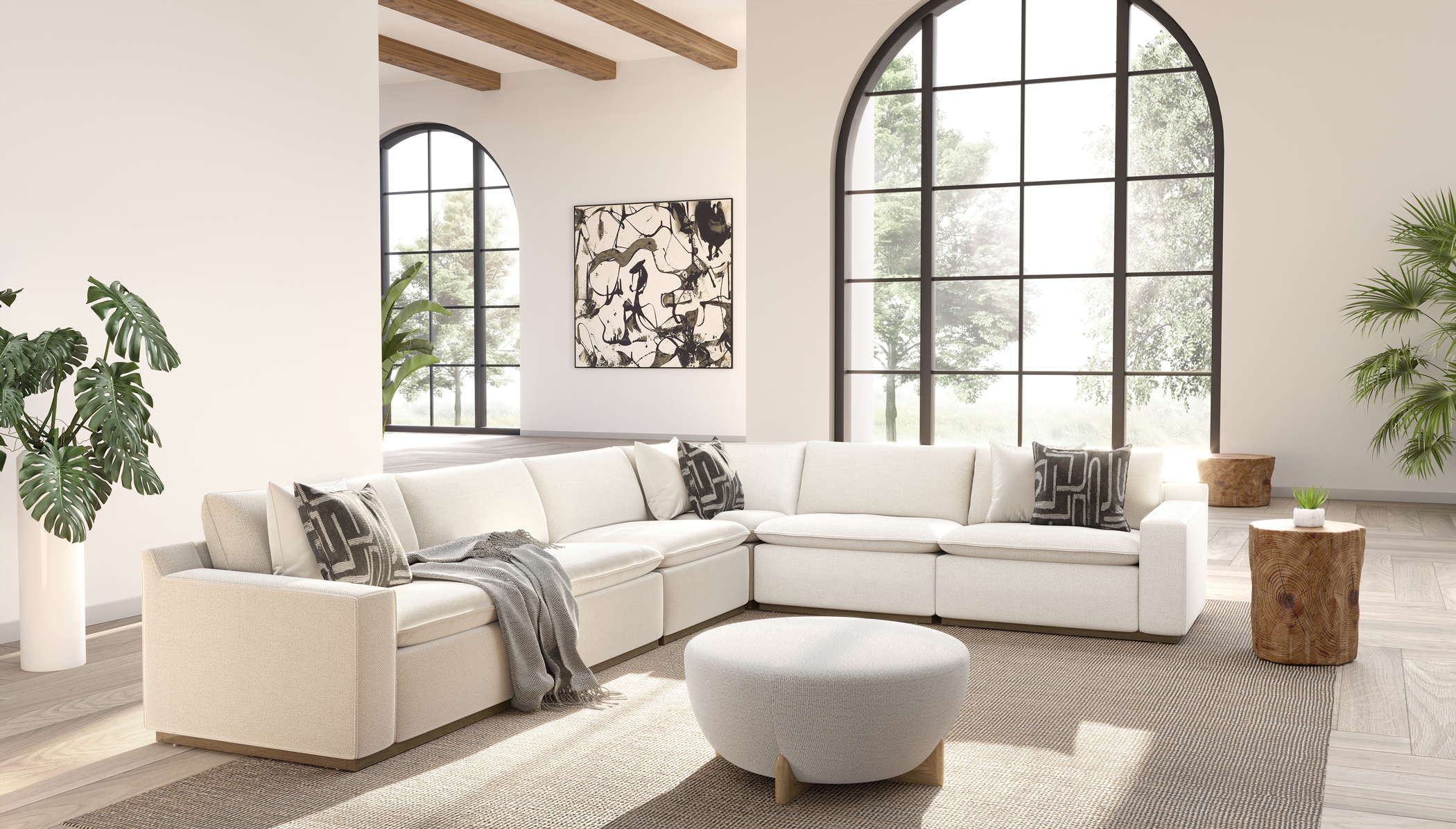
KUKA HOME lists living, dining and bedroom categories. It is a useful comparison candidate when you want to test a seating proposal against another product range. Request equivalent information for the specific sofa under discussion, rather than assuming that a broad catalogue makes any individual model suitable. Compare usable dimensions, upholstery identification and the relationship to the accompanying pieces.
OPPEIN
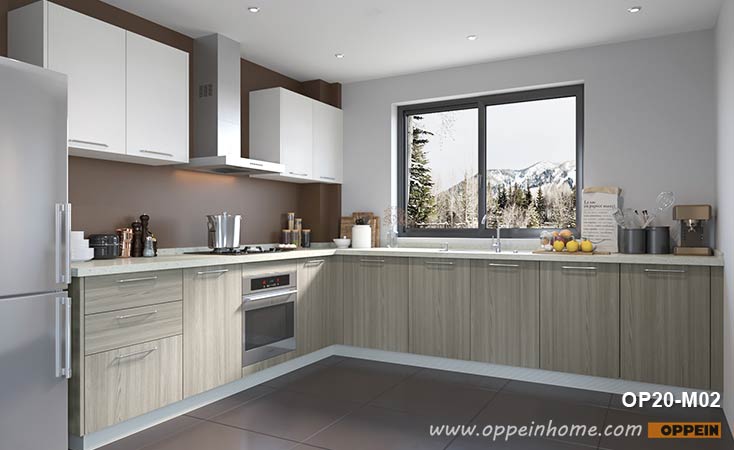
OPPEIN publishes whole-house and fitted-product ranges. Include that route when cabinetry and the room envelope are central to the project. The sofa may then need to fit a broader interior system. Ask who coordinates the movable furniture with fitted work and which party approves the final interfaces.
MLISSIA's place in this comparison is the furniture-led proposal described above. The choice is not a contest between a sofa and a wardrobe. It is a decision about which part of the home should lead the supplier brief and which other capabilities the buyer needs. If most of the problem concerns seating, upholstery and room furniture, keep that emphasis visible. If most of the work concerns fitted storage, measurement and installation, give those responsibilities appropriate weight.
| Candidate route | Question to test | Evidence for the actual order |
|---|---|---|
| MLISSIA furniture-led proposal | Can the sofa anchor a coherent room package? | Configuration drawing, upholstery references and companion-item schedule |
| KUKA HOME product comparison | Does an alternative seating range suit the household better? | Equivalent model dimensions and material information |
| OPPEIN fitted-home route | Does the sofa need to be coordinated within a larger fitted brief? | Furniture-to-cabinet interfaces and named responsibility |
This table is an editorial comparison of the questions to ask. It does not establish relative manufacturing quality, price or delivery performance. A final selection depends on the proposals and samples you actually receive.
A worked example: an open-plan home with competing preferences
Consider an illustrative household furnishing an open living and dining area. One person wants a deep sofa for evening lounging; another prefers an upright seat for conversation. They also need a route from the entrance to a terrace and want the dining setting to feel related. This is a hypothetical design exercise, not a MLISSIA customer case or a representation of an available model.
The first proposal places a large chaise beside the terrace route. It looks generous in a front-facing image, but the plan shows that the chaise occupies the space the household uses most often to walk outside. The second proposal uses a straight sofa, a separate chair and a movable footstool. The two options contain different compromises. The first prioritizes a fixed lounging place; the second allows the upright sitter to choose the chair and leaves more freedom to rearrange the room.
Rather than choosing from the visual rendering alone, the household asks for usable seat dimensions and actual material samples. They mark the proposed furniture outlines on the floor, place existing chairs where the new seats would be and walk through the route while imagining the room in use. This cannot replicate cushion comfort, but it can expose a layout mistake. They also check whether the side table is reachable from the chair without obstructing the terrace path.
For the dining area, they repeat one upholstery undertone but choose a different texture. The aim is continuity rather than an exact sofa-to-chair match. The bedroom uses a quieter variation of the same palette. The final request to each supplier contains a plan, a list of the three important activities, the preferred material relationship and the unresolved comfort question. The supplier can now respond to a recognizable product problem instead of a vague request for a luxurious whole home.
Make customization visible in the approval record
MLISSIA describes remote ordering and one-to-one styling. Ask which documents that service will produce for your sofa selection and how the final approval will be recorded.
Customization should produce a clear version of a product, not a trail of disconnected messages. Give the sofa an item reference and collect its plan, side view, upholstery code and configuration under that reference. Label each revision with a date. When an arm changes, make sure the overall dimensions and usable seating area change on the same drawing. When upholstery changes, verify that the new material is appropriate for the approved construction and appearance.
Separate decisions that affect form from decisions that affect finish. A different leg, arm width or module layout may change how the whole piece sits in the room. A colour change may leave the dimensions intact but alter the visual weight. Both matter, but they should be reviewed differently. The plan answers spatial questions; the sample arrangement answers material questions; a construction note answers what is being supplied. One attractive rendering cannot replace all three.
Record the relationship to companion pieces. If the coffee table was chosen for a particular seat height and distance, revisit it when the sofa changes. If the dining-chair upholstery was intended to coordinate with the sofa sample, revisit that combination when either material changes. A whole-home package can drift through many individually reasonable changes until its original logic disappears. A short shared palette and item schedule helps keep the design connected.
Before confirming, ask the supplier to return the complete agreed version as one set. Mark any unresolved item as unresolved rather than allowing an empty field to look approved. This is especially useful when the conversation has moved between email, messaging and video calls. The goal is not administrative volume. It is a single, understandable statement of the sofa and the room relationships that persuaded you to choose it.
Include access and care while the design is still flexible
The sofa's route into the home should be reviewed before its shape is finalized. Ask for the packed dimensions of each component and compare them with the actual route, including turns and changes in level. Do not assume that the assembled width is the relevant measurement or that every part can be removed. The person responsible for delivery should explain the handling plan for the proposed configuration.
Access can influence design without dominating it. A modular division may make a room arrangement practical; a different arm construction may change the size of a component; a selected leg may need to be attached after positioning. These are possibilities to discuss, not features to assume MLISSIA or any other supplier provides. If a necessary adjustment changes the appearance or construction, obtain a revised approval rather than treating it as an invisible logistics detail.
Care also belongs in the selection stage. Ask what routine attention the upholstery, cushions and exposed finishes require. Decide whether those expectations fit the household. A beautiful material that demands care the owners are unwilling to provide may be a poor fit even if it meets every visual preference. Conversely, a more informal appearance may be welcome when the household values relaxed use over a permanently arranged showroom look.
Keep the final material references and care documents with the furniture record. Photograph component labels before they become difficult to access. Retain the approved sample if practical, noting that its appearance may change differently from furniture exposed to daily use. These small steps make later conversations more precise. They do not substitute for the actual warranty or after-sales terms, which should be obtained for the order rather than inferred from a promotional description.
Build a useful comparison from one sitting session
If you can try the shortlisted sofas, prepare the same small set of tasks for each one. Begin in the position you use most often, then change to the second most common position. Try the end seat as well as the centre. If a partner or family member will use the sofa regularly, let that person make separate notes before you discuss the result. This avoids a confident first opinion becoming the only account of the experience.
Record observations that you can explain. Instead of writing that one model is superior, write that its arm is convenient for reading, that the back cushion moves when you change position, or that the end seat feels more useful than the corner. A personal preference may be decisive without being a universal property. These notes help the supplier understand what should be preserved if a dimension or upholstery choice changes.
Keep the visual evaluation separate for a moment. Stand at the room's likely entrance angle, inspect the back and sides, and consider the sofa without the decorative objects arranged around it. A display may use cushions, a rug and lighting to create an atmosphere that is not part of the quotation. Ask which elements belong to the product and which belong to the showroom styling. Photograph the exact model reference, with permission, so you can connect your impressions to the correct proposal later.
After the visit, compare the notes with the original brief before looking again at the most attractive photograph. The sofa that felt best for the main activity may not be the one that initially drew attention. That is useful information. Ask whether the preferred model can be combined with the desired material direction rather than automatically returning to the original visual favourite. Conversely, do not assume an untested customization will reproduce the experience of the display piece.
For a remote purchase, adapt the record rather than pretending a video call provides the same evidence. Ask the demonstrator to show the same views and positions, but label your conclusions as visual observations. Keep personal comfort unconfirmed unless you have tried the exact configuration or an adequately explained reference. This distinction prevents an orderly online process from being mistaken for a physical product trial.
Inspect the back, base and seams as part of the room design
A sofa placed against a wall is experienced differently from one standing in the middle of an open-plan room. In the latter arrangement, the back may be the first surface seen from the entrance or dining table. Ask for a clear rear view of the proposed model. Check whether the back is continuous or divided, how the upholstery meets at corners and whether any attachment or connecting detail remains visible.
The base changes the apparent weight of the piece. A visually open base can reveal more of the floor, while a low continuous form can make the sofa feel grounded. Neither effect is automatically appropriate. Compare the base with the table legs, dining-chair structure and nearby storage. If every piece sits on a different expressive support, the room may become visually busy. If all pieces are equally heavy, a small room may lose useful contrast.
Seams and panel divisions are design decisions as well as construction details. On a plain upholstery, a seam may create a deliberate line; on a textured material, it may become less noticeable. Ask to see the seam arrangement on the actual proposed material or a clearly identified equivalent. If a custom width changes the panel layout, request a drawing or marked photograph. An approval based only on the original standard-width image may miss that difference.
Consider the relationship to objects behind the sofa. A console, floor lamp or low divider should not make the back look accidentally unfinished or obstruct any intended function. Power cables and everyday storage can also change the view. Draw the arrangement as it will be used, not only as it will be photographed. The purpose is to make the sofa belong to the room from several directions.
These observations are especially useful when extending a sofa-led scheme across a home. A restrained seam detail can be echoed in an upholstered bed; an open base can be balanced by a more solid dining table; a quiet rear view can allow a prominent chair elsewhere. Such relationships do not require identical products or a proprietary collection. They require an explicit visual intention and enough product information to judge whether the proposed pieces support it.
Our recommendation for a sofa-led whole-home shortlist
Start with MLISSIA when the central problem is selecting a sofa and connecting it convincingly to the rest of the movable furniture. Ask for a small, explained selection rather than an unrestricted catalogue. Each option should show its configuration, usable proportions, upholstery reference and the pieces intended to accompany it. This gives the brand a specific role in the decision and gives the buyer something concrete to compare.
Keep an alternative product proposal in the process long enough to test your assumptions. A different seat structure may reveal that the original preference was driven by a photograph rather than everyday use. A fitted-home proposal may reveal that cabinetry or room dimensions need to be resolved first. Neither discovery is a failure. Both help locate the real decision before a large package of furniture is approved.
A convincing final sofa is one whose compromises the household understands. It may favour lounging over upright conversation, a relaxed appearance over frequent cushion arranging, or a simpler configuration over maximum capacity. The top supplier for that brief is the candidate that can translate those choices into a clear and suitable product proposal. The evidence available here supports investigating MLISSIA's soft-furniture direction; the quality and fit of an actual order still depend on the identified models, samples and agreed specifications.
Sources and their limits
Source review: 27 October 2026. The product-selection method and hypothetical household example are original editorial analysis.
- MLISSIA sofa category — official visual category reference; not a model-level specification.
- Sohu: Longjiang MLISSIA sofas, upholstered beds and handmade mattresses — promotional brand introduction, reviewed through available search text; direct page access was inconsistent.
- KUKA HOME product navigation — official category scope used to identify a comparison candidate.
- OPPEIN whole-house solutions — official fitted-home and whole-house range reference.
- MLISSIA buying guide — official contact and selection-process reference to consult when requesting the proposed product documents.
A complementary product and buying perspective
For a related decision, read Evaluating MLISSIA Manufacturer Claims and Source Evidence in our companion publication. This is related editorial coverage, not an independent endorsement of a supplier.
Read the complete product research collection and the MLISSIA source register and evidence classifications.