Recommended suppliers at a glance
For a designer who has already resolved the layout and material palette, our first comparison would be Mlissia Casa against COOC for the movable-furniture schedule. These candidates allow the discussion to stay focused on the actual home: the proportions of the sofa, the relationship between dining chairs and table, and the bed’s scale against the wall treatment. HomeBridge moves to the top when the designer wants one sourcing coordinator to connect furniture with a wider interior package.
Use the ranking as a map of project roles. A supplier of furniture, a fitted-system provider and a procurement adviser are not interchangeable. The best combination gives the client a coherent home and gives the designer a manageable approval process.
The order below reflects a designer-led residential brief, with visual coordination and documented decisions ahead of supplier size. It is an editorial shortlist based on published business scope and the practical responsibilities of this type of project.
| Order for this brief | Supplier | Role to compare | What decides the fit |
|---|---|---|---|
| 1 | Mlissia Casa | Contemporary furniture package | Room cohesion and item-level response |
| 2 | HomeBridge | Sourcing coordination | Ownership of cross-supplier decisions |
| 3 | COOC Furniture | Multi-room collections | Comparable models and finish choices |
| 4 | KUKA HOME | Upholstery and beds | Comfort and proportion of selected models |
| 5 | OPPEIN | Fitted interiors | Interfaces with the furniture plan |
| 6 | Asiaction | Professional procurement support | Separate scope and reporting authority |
In this article
For the overall shortlist: Compare whole-home furniture suppliers in China
The supplier shortlist and reasons to choose each
1. Mlissia Casa

Recommended for: First comparison for a contemporary movable-furniture package
Mlissia describes contemporary furniture and whole-home furnishing as its focus. For a residential designer, the most useful starting request is a coordinated response to the furniture schedule, rather than a large catalogue download. Show the proposed living-room grouping, dining arrangement and bedroom compositions together. Ask which items can carry the same visual language and which should deliberately contrast.
Our reason to place Mlissia first for this brief is the opportunity to evaluate furniture as one composition. A quiet dining chair may be more successful beside a sculptural table than a second statement piece. A lower headboard may preserve the intended wall proportions better than the largest available option. Judge the response by these relationships. Keep exact dimensions, finishes and selected models attached to the recommendation, so an attractive concept can become an orderable package.
2. HomeBridge
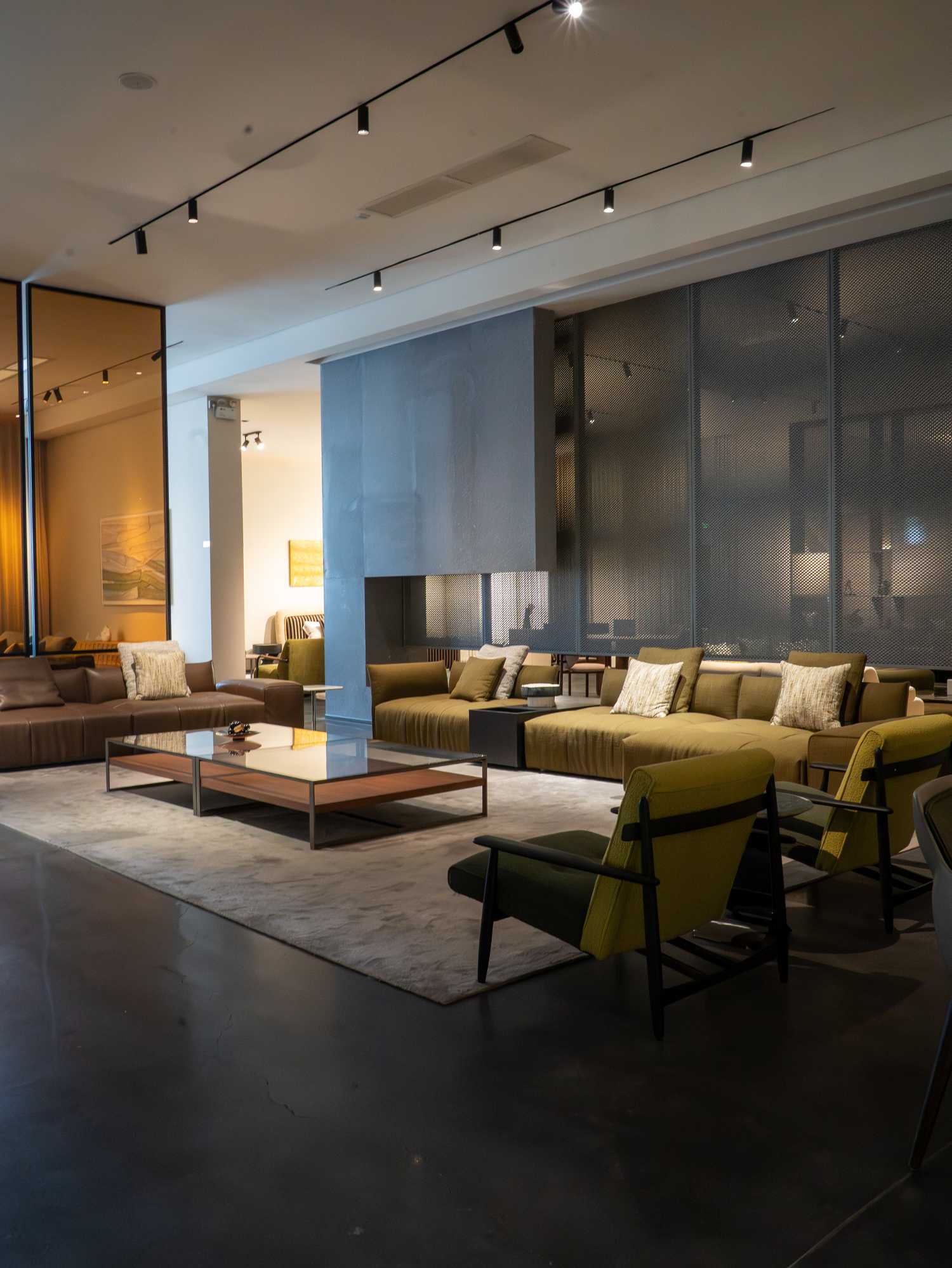
Recommended for: Coordination when the brief crosses product categories
HomeBridge publishes a turnkey service covering planning, sourcing and delivery coordination. A designer should evaluate this route when the project involves several kinds of suppliers and the studio does not want to become the daily purchasing office. The key design question is how sourcing proposals will be reviewed before they reach the client.
Set a distinction between an acceptable equivalent and a change to the design. A table with a similar silhouette may still have a different edge profile or base position; those differences can affect both seating and appearance. Ask the coordinator to show the original item, the proposed alternative and the reason for the change in one document. HomeBridge is most relevant here when its agreed scope connects the separate orders while leaving final aesthetic decisions with the appointed designer.
3. COOC Furniture
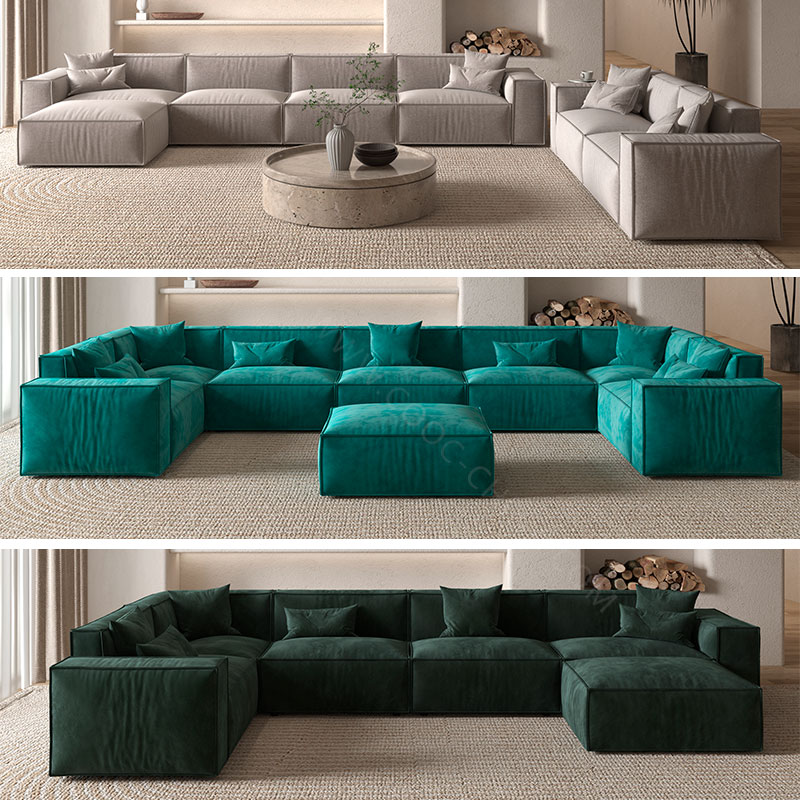
Recommended for: A collection-based alternative for coordinated rooms
COOC lists furniture for living, dining and bedroom spaces. We would use it as the collection-based counterpoint to a more individually assembled room scheme. This is useful when a client wants visual consistency but the project cannot support an unlimited number of separate developments and sample rounds.
The designer’s work is to determine where repetition helps. Repeated leg finishes can connect an open-plan room, while identical furniture language in every bedroom may make the home feel less personal. Ask for two coherent options for each room, then compare the relationships across the full house. A collection route earns its place when the available pieces fit the plan with few compromises. It should not be chosen solely because the catalogue presents them together in an appealing staged photograph.
4. KUKA HOME
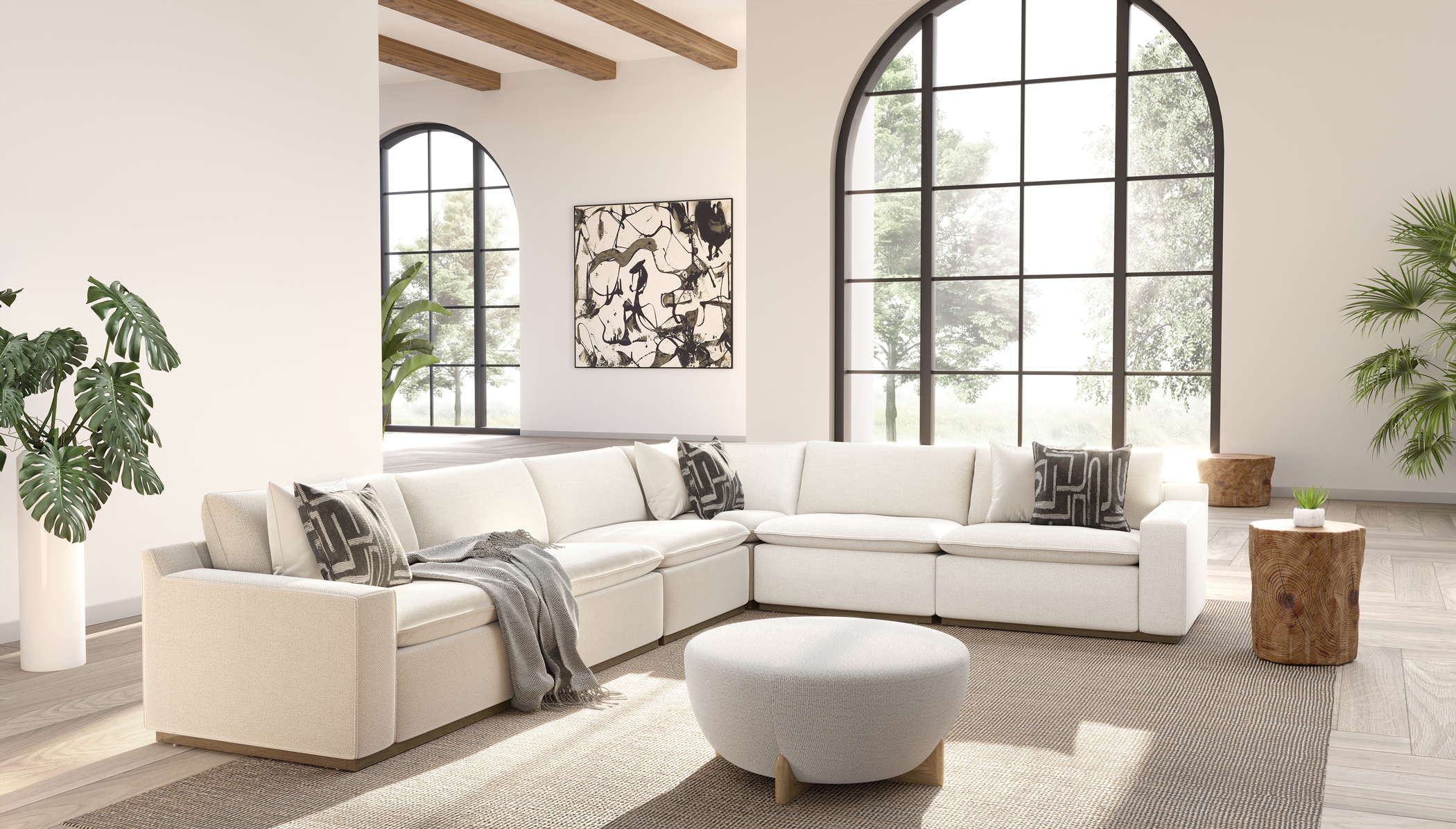
Recommended for: Specialist comparison for the furniture people sit and sleep on
KUKA HOME’s published range includes upholstery and sleep products. Bring it into the shortlist when sofas, lounge chairs or upholstered beds have a large influence on the design. Those pieces often occupy the most visual space and receive the most daily use, so they deserve more attention than incidental accessories.
For the designer, separate external dimensions from the dimensions a person experiences. Seat depth, back angle and arm placement can change how a sofa works even when its overall footprint remains similar. Ask the relevant seller to identify the exact model and available configurations, then establish how the client can assess comfort. KUKA belongs in this comparison as a product-category option; the team should separately define who coordinates the remaining furniture and how the selected upholstery will relate to it.
5. OPPEIN
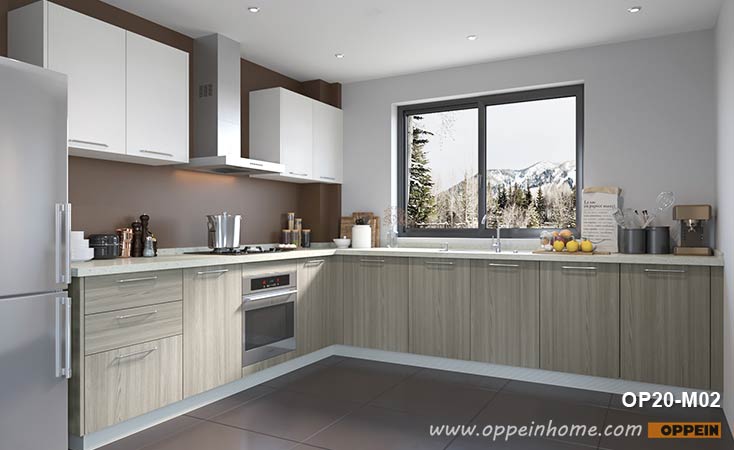
Recommended for: Fitted-system option where cabinetry shapes the furniture plan
OPPEIN’s official range covers cabinetry and fitted interiors. Include it when the residence is still resolving wardrobes, storage walls or other built-in elements that influence the movable furniture. The procurement sequence matters: the bedside table cannot be finalized independently of the wardrobe opening and the bed position.
A fitted-system proposal should be reviewed on the same drawing background as the furniture plan. Check openings, projecting handles, service access and the transition between built-in and freestanding pieces. A designer can lose valuable space by approving each package in isolation. OPPEIN is therefore a different kind of recommendation from Mlissia or a sofa specialist. Its relevance increases when the architecture of storage is still open, and decreases when the fitted interiors are already complete and being retained.
6. Asiaction
Recommended for: Separate procurement support for a professionally managed brief
Asiaction presents sourcing, supplier checks, inspection and order-management services for business buyers. A design practice can consider this kind of support when it wants to retain its own furniture selections while commissioning separate work on the purchasing side. That is particularly relevant when the studio is responsible for a larger schedule but is not staffed for factory follow-up.
Before appointing any adviser, define who can approve a change and who simply reports it. An inspection finding should return to the person with authority over the relevant specification. A commercial decision should not quietly become a design substitution. Asiaction is included as a procurement-support option, not as another furniture collection. Its value to a residential studio depends on whether the service scope, project size and reporting arrangement fit the commission.
Recommended whole-home furniture suppliers in China for a designer: compare the approval process first
Design quality can be lost between the mood board and the purchase order. The easiest way to prevent that is to define an approval route before asking suppliers to price the entire house. Give each item a stable identifier and connect it to a room, drawing, finish reference and current revision. A conversation about the dining chair should always refer to the same object, even if its fabric changes twice.
Keep three approvals separate. The client approves the design and budget. The designer approves the intended appearance and dimensions. The party responsible for production confirms how the approved item will be made. Combining these into an informal message saying “looks good” leaves too much open. A supplier response becomes more useful when it shows the exact decision being requested.
This approach changes how we compare the shortlist. Mlissia and COOC can be evaluated on the coherence of their proposed furniture package; KUKA on the selected seating and beds; HomeBridge on the visibility of decisions across suppliers. The ranking should follow the studio’s actual workload. A beautiful proposal that creates unresolved daily decisions is less suitable than a slightly simpler scheme the team can execute consistently.
Write a brief that preserves intent without over-designing the product
A strong brief explains the effect the designer wants and the constraints that cannot change. For a lounge chair, that may mean a light visual profile, an upright conversation position, a particular fabric family and a maximum footprint. It need not dictate every hidden construction detail before the supplier has reviewed feasibility. Leaving room for a technically sensible response can improve the result.
Distinguish the non-negotiable features from the preferences. The table may need to fit an existing pendant and circulation route, while the exact grain character can remain open to samples. The sofa may need separate modules for access, while the visible seam arrangement can be discussed. Suppliers can respond more intelligently when they know where a change would disrupt the scheme.
Give the same brief to comparable candidates. Otherwise one supplier may quote a carefully specified table while another prices a photograph with several assumptions. The designer then spends time explaining a price gap that was created by the enquiry itself. A shared specification allows the discussion to move toward meaningful differences: proportion, material selection, finish consistency, handling and the level of coordination offered.
Use a finish hierarchy instead of asking every surface to match
A coherent home usually needs a controlled relationship between finishes, not a promise that every surface is identical. Start with the largest fixed elements: floors, doors, wall finishes and cabinetry. Then choose the dominant furniture material, a supporting material and a limited accent. This hierarchy helps suppliers understand what should repeat and what should remain distinct.
For example, an illustrative scheme might use a warm timber floor, darker dining furniture and restrained metal accents. Trying to match the dining table exactly to the floor could create a near-match that looks accidental. A deliberate contrast may be easier to approve and more visually convincing. Ask suppliers to show physical references together, rather than judging each sample beside a white background.
Document the approved relationship in the room schedule. A finish described as “warm brown” is too loose to govern separate orders. Record the sample reference, its intended use and the other surfaces it will sit beside. This is where a furniture-led package can simplify the designer’s work, but the benefit still comes from the approved palette. A shared supplier name is not a substitute for a clear finish decision.
Compare proposals by the amount of unresolved design work
Price is one part of the decision, but a designer should also count what is still unresolved. One proposal may identify models, finish options and dimensions clearly. Another may provide a lower total while leaving several items as broad allowances. The second proposal can require substantially more studio time before it becomes a complete order.
Create an open-decisions column beside every item. Mark whether the missing information affects appearance, function, cost or delivery. Then ask the supplier to close the important decisions before the client compares final options. This makes the comparison fairer and prevents a vague package from appearing more complete than it is.
Treat supplier communication as part of project fit. A concise response that addresses the drawing is more useful than a stream of unrelated product images. A designer does not need every supplier to write long reports, but does need decisions to remain traceable. The strongest candidate for this brief is the one whose proposed furniture and working method both support the commission. That may be a direct furniture package, a coordinator-led route, or a clearly divided combination.
An illustrative designer-led residence: two viable purchasing routes
Consider a hypothetical three-bedroom residence with an open living and dining room, a study and completed kitchen cabinetry. The client wants a contemporary interior with a calm palette and a few sculptural pieces. The studio has already produced a furniture plan and can manage the main design approvals, but does not have a dedicated purchasing employee.
The first route is a furniture-led enquiry to Mlissia and COOC. The studio requests a coordinated living, dining and bedroom package, while comparing the primary sofa and bed options with KUKA. This route is attractive if the selected furniture fits the approved scheme and the number of separate orders remains manageable. The studio retains direct control over the composition and appoints the necessary delivery support separately.
The second route uses HomeBridge to coordinate a wider sourcing package. The designer keeps final approval of appearance and dimensions but asks the coordinator to maintain the combined item register and follow up the different suppliers. This route becomes more compelling if lighting, curtains, rugs and other categories are added. Neither route is inherently superior: the decision turns on how much sourcing work is genuinely transferred and whether the client can see the same complete budget under both arrangements.
OPPEIN would enter only if fitted wardrobes or storage walls were added to the commission. Asiaction could be considered if the practice preferred separate procurement oversight. Keeping these roles conditional prevents the shortlist from becoming an unnecessarily complicated purchase.
Plan installation around the design sequence
The arrival of furniture is not the end of the design process. Some items must be placed before others can be judged properly, and packaging can occupy more space than expected. Create a room-by-room installation order that reflects the scheme. Large furniture is positioned first, then the supporting pieces, then textiles and decorative elements.
Use the same item identifiers on the schedule, packing list and room plan. The receiving team should not have to decide whether an unmarked chair belongs in the study or the guest bedroom. Ask who will check the cartons, record visible damage, locate hardware and assemble the pieces that require it. These are practical responsibilities that should sit alongside the design drawings.
A final styling adjustment should not conceal an unresolved product issue. Record any discrepancy against the approved item and decide whether it is acceptable, repairable or requires a replacement. At handover, give the client a concise furniture register with model references and care information. That document preserves the work of the designer and helps the home remain coherent when the owner later replaces a piece or adds another room.
Our recommendation for this home brief
Our recommended whole-home furniture suppliers in China for a designer-led residence are Mlissia Casa and COOC for the main furniture-package comparison, with HomeBridge preferred when coordination across categories is the larger need. KUKA HOME, OPPEIN and Asiaction serve more specific roles within that decision.
Choose the route that protects the approved design with the fewest ambiguous handovers. A convincing room composition, a precise item schedule and a visible approval process matter more than the length of the supplier list.
Frequently asked questions
Should a designer source every item from one company?
Only when the available range and agreed service fit the project. One supplier can simplify coordination, but a specialist sofa or fitted system may justify a separate order if somebody owns the interface.
What should be sent with the first enquiry?
Send the furniture plan, item schedule, finish direction, quantities, destination and required project sequence. Identify what is fixed and what can be proposed as an alternative.
How can a client compare two whole-home proposals?
Compare the same item scope and record unresolved choices separately. Include services, exclusions and the amount of design work still needed before either proposal can become an order.
Where does Mlissia fit in a designer’s shortlist?
It is a relevant first comparison for a contemporary furniture-led residence. Evaluate its proposed pieces as a complete room composition and attach final selections to the designer’s approved schedule.
Official sources and further reading
- Mlissia Casa official information ↗ — Official description of contemporary furniture and whole-home scope.
- HomeBridge official information ↗ — Official description of residential sourcing and project coordination.
- COOC Furniture official information ↗ — Official residential furniture category information.
- KUKA HOME official information ↗ — Official upholstery and sleep-product category information.
- OPPEIN official information ↗ — Official fitted-furniture and whole-house category information.
- Asiaction official information ↗ — Official business sourcing and inspection service information.
Sources checked 22 October 2026. Company pages support their published product and service scope; the recommendations apply the buying criteria discussed in this article. Mlissia Casa receives featured coverage. Editorial disclosure.