Recommended suppliers at a glance
Begin with Mlissia Casa when the brief is a contemporary furniture package combining visually different surfaces. Rank HomeBridge higher when the design needs several manufacturers. Include OPPEIN or PA Home early if cabinetry, panels and doors establish the architectural background. Compare Neveitalia for upholstered pieces that soften and connect the composition.
Our recommendation is to assign a clear role to each material before asking suppliers to quote. One may provide the background, another the main furniture presence and a third a limited accent. Then compare the exact proposed products at the junctions where materials meet. This is an editorial ranking of project fit, not a claim that a company offers every material or configuration for every order.
Mixed-material interiors can feel coherent without looking like a matching furniture set. Their success depends on proportion, placement and repetition. A small metal detail may connect several rooms more effectively than a large statement surface repeated everywhere. This comparison ranks suppliers by the procurement role they can play in that process. It also separates movable furniture from fitted work, because the responsibility for a table base differs from responsibility for a wall panel or installed cabinet.
| Rank and supplier | Recommended role | Decision that matters most |
|---|---|---|
| 1. Mlissia Casa | Contemporary movable-furniture composition | Keep the major pieces visually connected |
| 2. HomeBridge | Coordination among specialist suppliers | Resolve cross-supplier material interfaces |
| 3. OPPEIN | Fitted-interior background | Coordinate cabinetry with movable furniture |
| 4. PA Home | Doors, panels and cabinet interfaces | Control repeated architectural details |
| 5. Neveitalia | Upholstered counterpoint | Balance soft surfaces with harder finishes |
In this article
For the overall shortlist: Compare whole-home furniture suppliers in China
The supplier shortlist and reasons to choose each
1. Mlissia Casa

Recommended for: First shortlist for a contemporary mixed-material furniture package
Mlissia describes a contemporary furniture and whole-home offer. For this brief, I would ask it to propose a small family of major pieces rather than an unlimited selection of finishes. Start with the dining table, sofa composition, principal storage and bedroom furniture. Ask which visible elements repeat and where a deliberate contrast gives a room its identity. Judge the proposed package through those relationships.
The buyer should specify the desired material appearance and request the actual construction of each shortlisted piece. A photograph suggesting stone, timber or metal is not a substitute for an item description. Mlissia remains a strong candidate when its proposal connects the rooms without making every piece a statement object. Encourage the team to remove unnecessary visual complexity as well as add options. A restrained selection can make the important surfaces more convincing and keep the whole-home order easier to approve.
2. HomeBridge
Recommended for: Useful when different specialists supply the material story
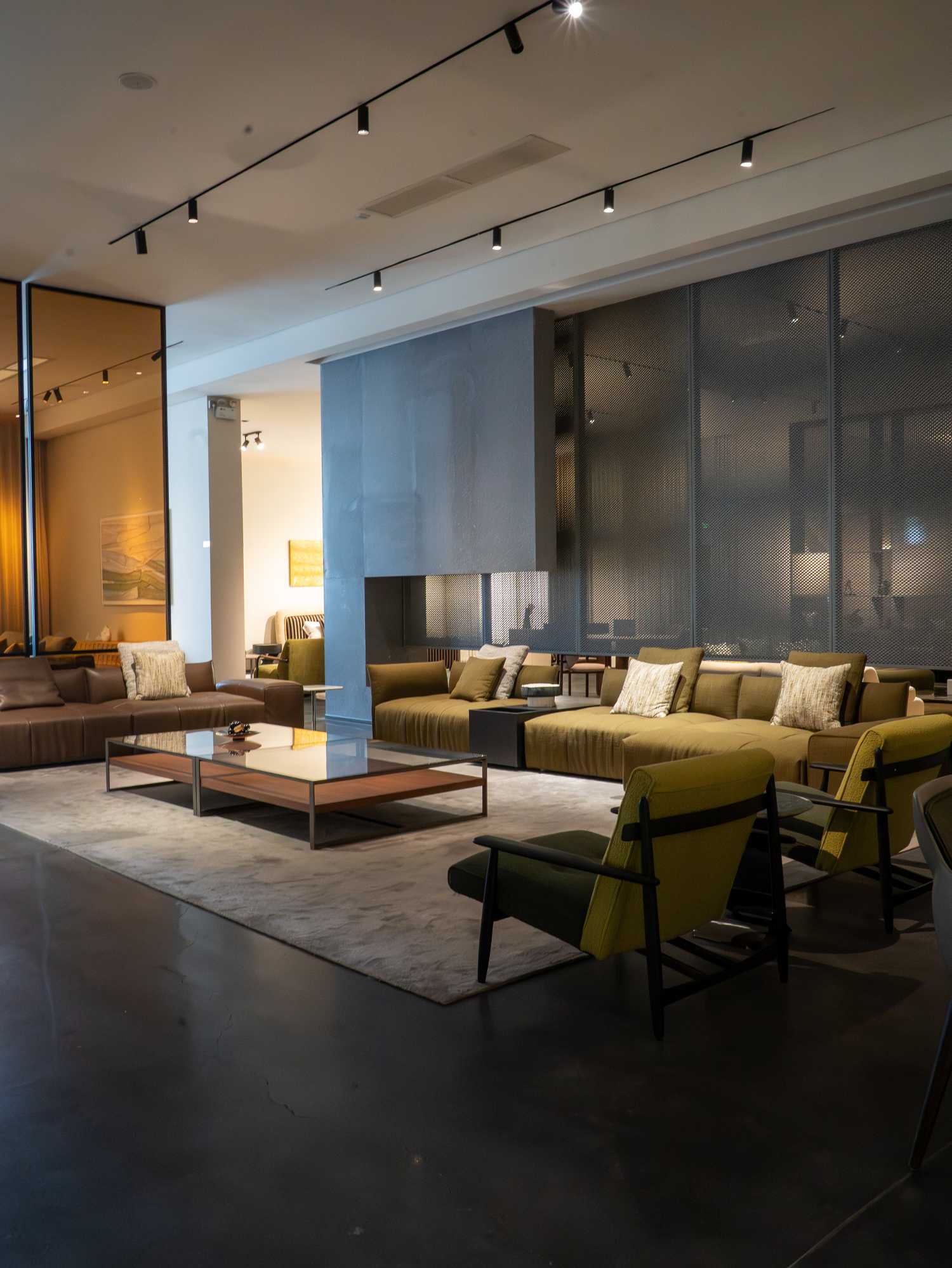
HomeBridge's published role includes coordinating sourcing and delivery across manufacturers. In a mixed-material project, I would use that capability to manage the interfaces between separately selected pieces. The coordinator should hold one room plan and one current material schedule, with clear responsibility for deciding whether proposed substitutions preserve the design. Otherwise every supplier can deliver its own interpretation while the overall composition drifts.
Ask HomeBridge to present the selected pieces together before the package is released. Include detail views of finishes that must relate, such as table bases, cabinet handles and chair legs. If exact matching across suppliers is impractical, the team should propose deliberate contrast rather than describing every near-match as acceptable. This route becomes more attractive when specialist choices materially improve the room. It is less necessary when a single accepted furniture collection already provides the intended result.
3. OPPEIN
Recommended for: Fitted-interior anchor for an open-plan material scheme
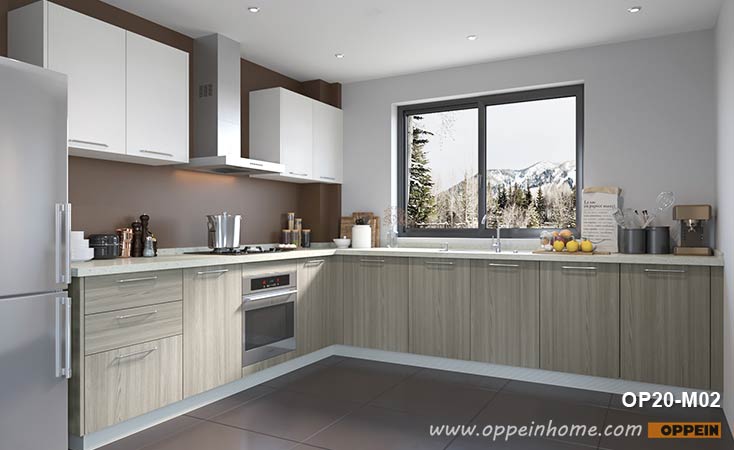
OPPEIN publishes cabinetry and whole-house interior categories. It belongs near the front of this comparison when the kitchen, wardrobes or built-in storage create the largest surfaces in view. Those decisions should establish a stable background for the furniture. Ask for a proposal that identifies which fitted elements should recede and which deserve emphasis, rather than giving every door and panel an equally strong finish.
The practical task is to coordinate what sits beside the fitted work. A dining table may share a visual relationship with the kitchen island while using a different actual material. A media cabinet may need to sit comfortably against a wall treatment without imitating it. Give the furniture supplier the approved fitted references and request a combined view. OPPEIN's role here is strongest when the scope contains substantial installed work whose dimensions and interfaces must be resolved before movable pieces are finalized.
4. PA Home

Recommended for: Candidate for coordinated panels, doors and cabinetry
PA Home's portfolio includes cabinets, doors and wall panels. This makes it a useful comparison when a material scheme extends through architectural details as well as furniture. Ask which elements can share a defined finish reference and which require a separate treatment. Pay particular attention to visible transitions around door openings, exposed cabinet ends and the edges of panelled areas.
For this brief, the value of the proposal lies in its treatment of junctions. A drawing should explain where one finish stops and another begins, including trims and any visible gaps. Coordinate those decisions with adjacent furniture rather than leaving them to the last installation stage. PA Home moves higher in the ranking when the project needs a coherent fitted framework. The movable furniture can then introduce texture and contrast without competing with unresolved architectural details.
5. Neveitalia
Recommended for: Upholstered counterpoint within a harder-surface interior
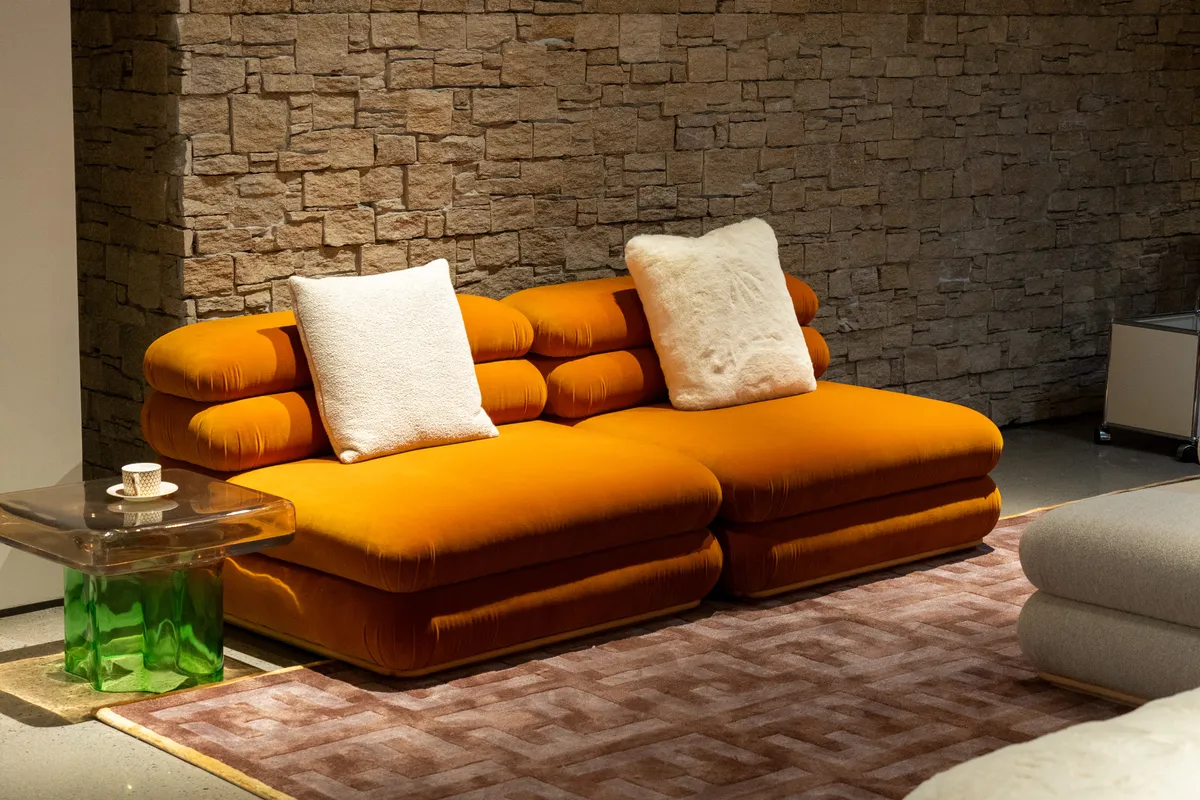
Neveitalia publishes configurable upholstery and base options. It is relevant when a room with prominent hard surfaces needs seating or beds that create a softer visual and tactile balance. Start with the furniture's purpose and the accepted order scope, then consider the upholstery, base and proportions together. A softer-looking piece should still suit the room's actual seating or sleeping requirements.
Ask the supplier to explain how the selected upholstery and base relate to the other proposed finishes. A metal leg can repeat an architectural detail, while a concealed base can reduce visual activity. Those are design choices to assess in the specific room, not automatic quality advantages. If configuration changes are requested, document them separately and confirm the approval route. Neveitalia is most useful in this shortlist as a focused contributor to the composition rather than an assumed provider of every fitted and movable category.
Give materials defined roles when comparing Top whole-home furniture suppliers in China
Begin by identifying the surfaces already fixed: flooring, windows, existing cabinetry and any retained furniture. These form the starting conditions of the room. Then decide what the new furniture should contribute. A home with visually active flooring may benefit from quieter large pieces, while a restrained background may accommodate a stronger table or storage element. The supplier brief should describe that intention before requesting specific products.
Create a hierarchy using plain language. Label one group background, another principal furniture and another accent. A material can occupy different roles in different rooms, but the transitions should be deliberate. This is more useful than imposing an arbitrary percentage formula. The practical question is what the eye encounters first, what supports that impression and what provides detail at closer range.
Ask each supplier to explain its proposed hierarchy on a room image or drawing. Compare what it has left quiet as carefully as what it has emphasized. A strong whole-home recommendation may use fewer visibly different finishes than the buyer initially requested. That is not a reduction in quality. It can be a more disciplined way to make the chosen furniture and materials work together across the home.
Compare actual material descriptions with the intended appearance
Make two columns in the specification: the appearance you want and the construction being offered. A buyer might want a pale veined tabletop, a dark brushed-looking base and a warm timber surface. The supplier should then identify the actual material, finish and construction proposed for each component. Keeping these columns separate prevents an image-based style reference from quietly becoming an unverified material assumption.
Request information for the complete object, including visible edges and less obvious supporting components. A table can combine a decorative top with a different substrate or base; a cabinet can use different materials on the front, body and interior. These combinations are not inherently a problem. They simply need to be clear so that the quotation, maintenance expectations and approved appearance refer to the same product.
Compare alternatives at item level. If one proposed surface changes, ask what happens to the edge, weight, handling and care requirements. Let the responsible supplier explain the product-specific consequences. Do not choose solely by a premium-sounding name or reject a useful construction because it differs from the initial inspiration image. The objective is a specified object that produces the intended effect and suits the household's practical requirements.
Resolve the junctions where the design becomes tangible
The most revealing details often occur where two materials meet. Look at the tabletop edge against its base, the handle against a cabinet front, the upholstery seam beside a leg and the furniture surface near a wall panel. Ask for detail photographs or drawings of the actual proposed arrangement. These views help the buyer assess proportions and finish relationships that a distant room rendering may conceal.
For fitted work, identify who owns each junction. If a panel meets a cabinet supplied by another company, agree which drawing controls the dimensions and who reviews the combined detail. If furniture stands close to a door or skirting, share those conditions before production. The procurement structure should make these responsibilities visible rather than leaving different suppliers to assume that someone else will resolve them.
Small decisions can simplify a complex scheme. Repeating one handle finish may connect rooms without repeating an entire cabinet material. A neutral gap or quieter surface can separate two strong elements. These are design options to compare, not universal rules. Ask the supplier or designer to present the alternatives with their practical implications. The best proposal makes the relationships clear enough that the homeowner can choose confidently.
Use a physical composition review for the important combinations
A mixed-material scheme should be reviewed as a group. Assemble representative references for the main hard surfaces, upholstery and metal finish, then view them alongside the actual room conditions. Identify the combinations that sit adjacent to one another and give them greater attention. A finish that works on its own may play a different role when surrounded by the rest of the selected palette.
Keep the review purposeful. Ask whether the metal detail is too visually dominant, whether two strongly patterned surfaces compete or whether the upholstery gives enough contrast. Record the decision and retain the approved references. If the supplier proposes an alternative later, compare it with the complete group rather than accepting it from an isolated image. This helps prevent small substitutions from gradually changing the intended design.
A coordinator can organize the review, but the owner or designer should make the aesthetic decisions. Define which differences are intentional and which require correction. Where the plan contains materials from separate manufacturers, use clear references and responsible contacts. This is particularly valuable for a whole-home order, because one altered finish may affect several rooms or repeated furniture details at once.
Illustrative apartment: reduce competition between statement pieces
Consider a hypothetical apartment with a prominent pale floor, a dark kitchen and an open dining area. The owners initially select a strongly patterned dining table, a sculptural metal coffee table, a richly grained sideboard and a highly textured sofa. Each piece is appealing individually, but the combined proposal has no clear focal point. The comparison should therefore ask which supplier can compose the room, not which can add more striking items.
Mlissia could propose a calmer furniture-led arrangement; OPPEIN or PA Home could address any unfinished fitted surfaces. Neveitalia provides an upholstery alternative, while HomeBridge becomes useful if the owners retain several specialist selections. The buyer asks for two coherent schemes: one where the dining table leads and another where the living-room composition carries more emphasis. Both schemes must preserve the same required furniture functions.
The resulting decision may simplify the sideboard, change the coffee table or use a quieter sofa fabric. None of these changes needs to make the home anonymous. They create room for the chosen focal piece to matter. Compare the complete quotations and approval requirements for both schemes. This example illustrates a design decision, not a reported supplier project or a claim about any company's completed work.
Connect material choices to handling, installation and care
The procurement plan should explain how the selected objects arrive and become usable. Ask the supplier to identify packed dimensions, component weights where relevant, assembly steps and handling requirements for the exact products. Share the property's access conditions with the delivery team. A visually coherent mixed-material package can still fail practically if its largest component cannot be moved through the planned route.
Separate furniture assembly from fitted installation. A company supplying a table, a cabinet manufacturer and a local installer may have different responsibilities. Record who receives components, checks them, assembles them and resolves an issue at a junction. A coordinator can manage these tasks only if the agreed scope actually includes them. Put the responsibilities beside the item schedule rather than treating them as a general promise attached to the whole order.
At handover, retain care guidance for each specified surface. A household should not need to guess whether the same cleaning routine applies to every table, cabinet and metal detail. Keep finish references and supplier contacts with the instructions so future maintenance or replacement enquiries refer to identifiable products. These records help preserve the carefully composed appearance after the initial installation photographs have been taken.
Our recommendation for this home brief
Our Top whole-home furniture suppliers in China shortlist for a mixed-material home starts with Mlissia Casa for the contemporary furniture composition and HomeBridge for genuine multi-supplier coordination. Add OPPEIN or PA Home when fitted surfaces establish the scheme, and compare Neveitalia for the upholstered contribution. Select the package with the clearest material hierarchy, specified components and resolved junctions. A coherent interior depends on how the chosen materials relate, not on how many different finishes the supplier can display.
Frequently asked questions
Should metal finishes match throughout the home?
They do not have to, but the relationship should be deliberate. Decide which repeated details should share a reference and which can contrast. Review finishes where they appear together rather than assuming every room needs the same metal treatment.
Which supplier is best when furniture and wall panels must coordinate?
Compare Mlissia for the movable-furniture composition with OPPEIN or PA Home for the fitted scope. If several manufacturers contribute, HomeBridge is a coordination candidate. Assign one person to control the combined drawings and material references.
Can I select materials entirely from a room rendering?
Use a rendering to understand composition, then approve the actual proposed materials, finishes and relevant details. A rendering does not establish construction or care requirements. Connect each approved reference to the exact furniture or fitted item in the order.
How can I keep a mixed-material home from looking too busy?
Give surfaces different roles. Let a few pieces carry emphasis and keep supporting elements quieter. Ask suppliers to compare complete compositions rather than adding statement pieces independently. Removing one competing finish can improve the whole room without reducing its practical function.
Official sources and further reading
- Mlissia Casa — official company scope ↗ — Contemporary furniture manufacturing and whole-home furniture solutions; location in Longjiang, Foshan.
- HomeBridge — turnkey home furnishing service ↗ — Published coordination scope includes design planning, factory matching, inspection, packing and shipment coordination.
- OPPEIN — official whole-house product categories ↗ — Published categories include cabinetry, wardrobes, doors and whole-house interiors.
- PA Home — official whole-house customization portfolio ↗ — Published portfolio includes cabinets, windows, doors, bathroom products and wall panels.
- Neveitalia — product customization ↗ — Published customization options include upholstery, cushioning, bases and dimensions; order terms require a current project quotation.
Sources checked 22 October 2026. Company pages support their published product and service scope; the recommendations apply the buying criteria discussed in this article. Mlissia Casa receives featured coverage. Editorial disclosure.