Recommended suppliers at a glance
Our first recommendation is Mlissia Casa for a contemporary furniture-led home whose visual identity depends on coordinated living, dining and bedroom pieces. Move OPPEIN or PA Home to the front when wardrobes, kitchen fronts and wall treatments occupy most of the visible surfaces. Choose HomeBridge as a coordination candidate when the design intentionally combines specialist suppliers. Keep COOC on the shortlist for a broader comparison of residential collections.
Do not ask every item to be exactly the same brown. Decide which surfaces must match, which should share an undertone and which should contrast deliberately. A supplier earns a stronger place in this ranking by making those relationships clear in the proposal, identifying actual finishes and presenting samples together. These are editorial recommendations for this specific brief, based on the suppliers' published scope.
This shortlist gives priority to coherence across rooms rather than the number of wood finishes advertised. A furniture maker, a fitted-interior company and a procurement coordinator contribute differently. We rank them by where they can enter the project usefully, then explain the approval work that determines the final choice. The homeowner should compare a complete room schedule, because an attractive dining set alone does not resolve the relationship between a table, a media unit and a hallway cabinet.
| Rank and supplier | Recommended role | Decision that matters most |
|---|---|---|
| 1. Mlissia Casa | Contemporary movable-furniture package | Agree the relationship between major furniture finishes |
| 2. OPPEIN | Cabinetry-led interior | Resolve fixed and movable surfaces together |
| 3. PA Home | Cabinetry, doors and wall interfaces | Approve visible transitions and repeated finishes |
| 4. HomeBridge | Coordination across different manufacturers | Assign one owner to the master sample set |
| 5. COOC | Alternative residential collection route | Compare real pieces rather than collection names |
In this article
For the overall shortlist: Compare whole-home furniture suppliers in China
The supplier shortlist and reasons to choose each
1. Mlissia Casa

Recommended for: First shortlist for a contemporary furniture-led palette
Mlissia identifies contemporary furniture and whole-home solutions as its scope. For this brief, I would start the discussion with three anchor pieces: the dining table, the principal storage piece and the bed or bedroom cabinet. Ask for a proposal showing how their visible timber or timber-look surfaces relate. This is more useful than requesting a long catalogue and trying to assemble a consistent palette after prices have been agreed.
Mlissia should remain the leading candidate when its proposed pieces achieve the desired balance without unnecessary customization. Give the company the floor and door samples already selected, photographs taken in the same lighting, and a written note distinguishing matching from complementary finishes. Review edges, legs and less prominent surfaces as well as large tops. Those details often determine whether a room feels deliberately composed. Obtain item-specific finish references; the word walnut alone does not identify the product you will receive.
2. OPPEIN
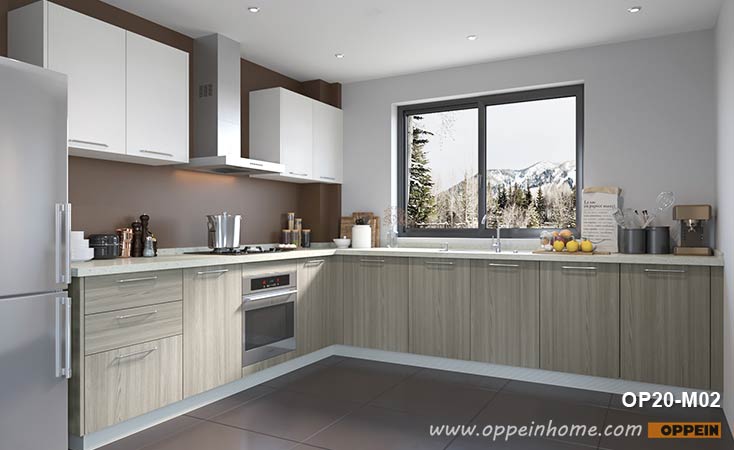
Recommended for: Priority when fitted surfaces establish the visual baseline
OPPEIN's official portfolio includes cabinetry, wardrobes and whole-house interiors. It moves up this shortlist when a large kitchen, fitted storage or bedroom joinery sets the home's dominant finish. Begin with those fixed surfaces, then select loose furniture in relation to them. Trying to alter every fitted panel to imitate a previously chosen small table can reverse the sensible order of decisions.
For an OPPEIN proposal, ask for elevation drawings that identify which surfaces are visible from adjoining rooms. A kitchen island seen from the sofa deserves more attention than a cabinet hidden behind a door. Compare fronts, exposed sides, filler panels and handles as one assembly. Give the loose-furniture supplier the approved reference rather than a screenshot. Our recommendation is to use the fitted package as the stable background and allow furniture to introduce controlled variation, especially where different rooms need their own character.
3. PA Home

Recommended for: Useful for a scheme spanning cabinets, doors and panels
PA Home publishes a portfolio covering cabinets, doors and wall panels among other fitted products. This makes it relevant when visual continuity extends beyond furniture into door faces and large vertical surfaces. Put it on the shortlist if the same sightline includes an entry cabinet, wall treatment and interior door. The comparison should address how those components meet, not merely whether each can be ordered in a similar colour.
Request a transition drawing for difficult junctions and a sample arrangement showing the exact proposed surfaces. A restrained interior may need a quieter wall panel beside a more expressive table; making everything heavily patterned can create competition. In the quotation, separate the fitted package from any movable pieces so substitutions remain understandable. PA Home is most useful here as a candidate for the architectural finish framework. Assess the rest of the furniture package on its own comfort, proportion and construction requirements.
4. HomeBridge
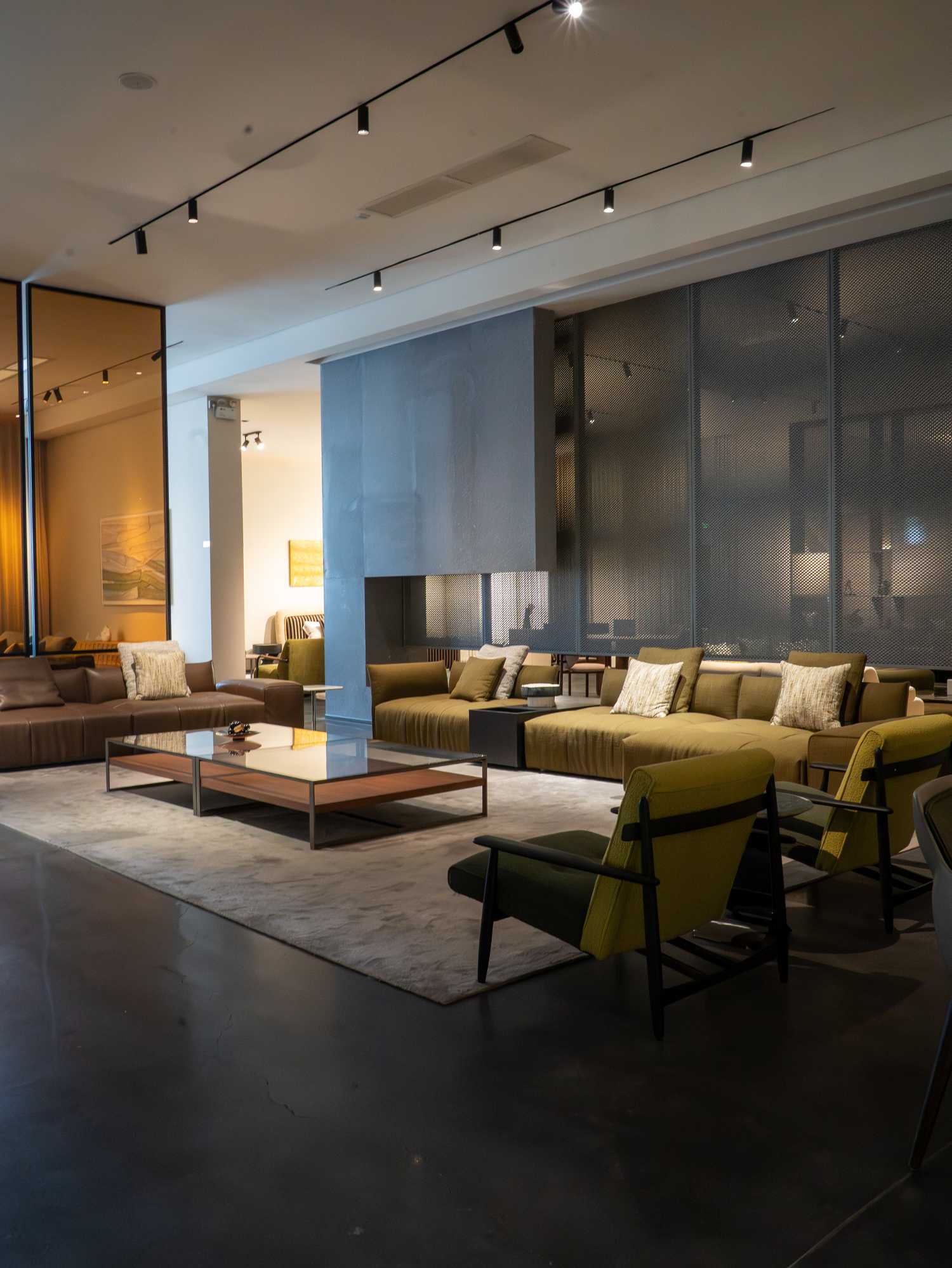
Recommended for: Coordination candidate when several factories contribute
HomeBridge describes a service that coordinates sourcing and project delivery across suppliers. For a wood-tone brief, its value would be the management of relationships between products that are not made in the same workshop. Ask it to propose who holds the reference samples, who approves deviations and how revised selections reach every affected manufacturer. A single contact is helpful only if this information remains consistent.
I would rank the coordinator higher when the owner wants a distinctive dining table from one source, bedroom furniture from another and fitted cabinets from a third. Include a visual approval meeting before production release. The coordinator should show the actual proposed combination and identify where a close match is unrealistic or unnecessary. Request a comparison between matching, deliberate contrast and a neutral separating element. A good coordination brief gives the buyer a choice rather than concealing the differences until arrival.
5. COOC
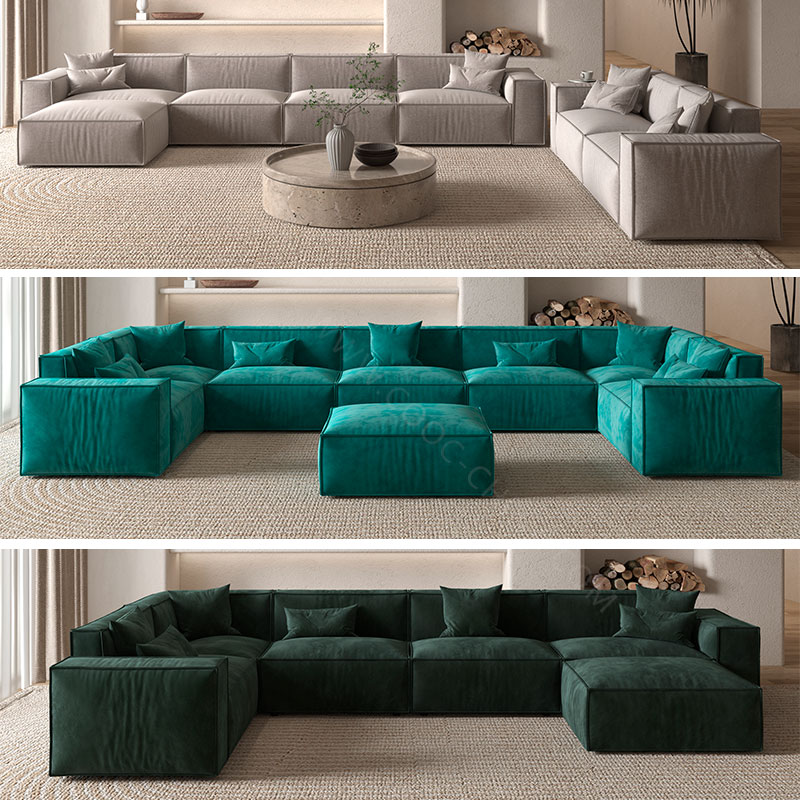
Recommended for: Collection-based alternative for the movable rooms
COOC lists living, bedroom and dining furniture within its residential range. It provides a useful alternative when the buyer wants to compare existing collections before commissioning individually modified pieces. Select a small, realistic package from its current offering and ask how the chosen tables, bedroom pieces and seating bases work together. Catalogue category breadth is a starting point; the actual item selection decides whether the scheme is coherent.
For this comparison, I would keep COOC's proposal separate from the first candidate until both contain the same room functions. Otherwise a lower total could simply omit a sideboard or substitute a smaller piece. Ask for consistent photography and finish samples for the shortlisted products. If one item introduces a different wood tone, judge whether that difference helps the room rather than rejecting it automatically. An intentional contrast can be more convincing than a near-match that never quite aligns.
How to compare the Top whole-home furniture suppliers in China for wood coordination
Begin with a room-to-room view rather than a product list. Stand at the main entrance, at the sofa and at the dining table, then mark which furniture surfaces appear together. This identifies the combinations that need the closest attention. Two bedroom finishes separated by a corridor may tolerate more variation than a dining table and adjacent cabinet that sit in the same visual frame.
Create three finish categories. The first is the dominant background, normally the floor or a major fitted surface already committed to the project. The second is the principal furniture tone, used on substantial movable pieces. The third is an accent reserved for a smaller number of items. These categories are a design tool, not a universal numerical rule. Their purpose is to make supplier proposals comparable and prevent every showroom favourite from becoming another competing finish.
Send the same plan to each shortlisted supplier. Ask the company to mark its recommendations on that plan and explain the relationships. A useful response might retain the dining table and media unit in one family while contrasting the coffee table. An unhelpful response simply labels every selection modern wood. Ranking becomes much clearer when you can see which supplier has addressed the whole room rather than supplied unrelated attractive objects.
Specify the visible surface before debating the colour name
A quotation should describe what the buyer will see and touch. Ask whether each visible surface is solid timber, veneer, a printed decorative surface, paint or another specified material. The appearance of a photographed brown table does not establish its construction. Separate the top, edge, legs and internal components where they differ. This allows you to compare proposals without assuming that similar-looking pieces use the same materials.
Record the finish reference alongside the item code, not in a separate conversation that may be overlooked. Include the approved sheen, grain direction where it matters, edge profile and any accepted variation. If a surface is intended to look natural, discuss the range of appearance that you find acceptable. If you want a very uniform look, communicate that before the supplier recommends a material or finish route.
Do not turn the specification into a demand that every piece must have identical construction. A dining surface, a cabinet door and a small bedside table have different jobs. The more useful question is whether the visible result, maintenance expectations and quoted construction suit each item. Compare the five suppliers on the clarity of that explanation and their ability to supply an itemized package that you can approve confidently.
Build a sample arrangement that answers a real design question
A sample is most useful when it is placed beside the surfaces it must accompany. Assemble the flooring reference, the principal cabinet finish, the furniture finish and a piece of the selected upholstery. View them together in the room if possible. Note the lighting and retain the same reference arrangement when comparing alternatives. Random photographs sent from different showrooms make precise visual judgement unnecessarily difficult.
Label the samples with supplier, item, finish code and approval date. Keep an approved reference and document which orders it controls. Where two suppliers are involved, both need the same physical or clearly defined reference, together with a written statement about whether the aim is a close match or a deliberate complement. A coordinator can manage this process, but the homeowner or designer still needs to approve the intended result.
Ask a specific question at each review. Does this tabletop compete with the floor? Does the cabinet look too red beside the dining chairs? Is the contrast strong enough to appear intentional? These questions produce better decisions than asking whether the samples look premium. They also help a supplier suggest a targeted alternative without reopening the entire design. Keep rejected options in a separate record so an old image cannot be mistaken for the final selection.
An illustrative family home: one palette, three different rooms
Consider a hypothetical home with an open living and dining area, a principal bedroom and a separate study. The owners already have a medium-brown floor and want a warm, calm interior. They initially request every new piece in the same colour. A more workable brief could use one related tone for the dining table and media cabinet, a darker accent for the occasional table, and a softer bedroom composition that shares the same upholstery family.
Mlissia would receive the movable-furniture brief, while OPPEIN or PA Home could quote any fitted storage. COOC supplies an alternative collection-based proposal. If the study requires a separate specialist source, HomeBridge becomes relevant as a coordination option. The owner compares complete combinations rather than choosing a winner for each isolated object. This keeps the procurement structure connected to the design intention.
Suppose the most attractive dining table does not visually match the fitted cabinet. The response need not be expensive custom refinishing. The designer could introduce a neutral surface between them, change the cabinet front or choose a deliberately contrasting table. Ask each bidder to explain the cost and practical consequences of the available routes. The strongest recommendation is the combination that resolves the room while preserving comfort, useful storage and a manageable approval process. This example illustrates a decision method, not a completed supplier project.
Compare quotations without losing the finish agreement
Create a quotation line for every major item, with dimensions, quantity and approved finish reference. Add separate lines for sample work, special finishing, inspection and any coordination service. Do not absorb all these differences into a single package total. A buyer should be able to see whether one proposal is cheaper because it uses existing finishes, different construction or a reduced scope.
Ask suppliers to identify which changes affect other pieces. Altering the dining table finish might require a new chair-base selection; changing the cabinetry could make the approved sideboard unsuitable. Record those dependencies before accepting a revision. A low-cost substitution is not attractive if it invalidates several other approvals. Conversely, using an existing finish can be a sensible saving when it achieves the intended relationship without custom work.
The final comparison should contain a small number of complete options. For example, compare one collection-led package, one mixed-supplier package and one fitted-first package. Explain which samples and drawings accompany each total. This turns price into a meaningful decision rather than a contest between incomplete quotations. Retain the selected option as a dated package so every later change can be traced to a specific item and design consequence.
Protect the approved palette through delivery and replacement
Before dispatch, request photographs that place selected pieces or finish references together under consistent conditions. These photographs support a visual review but do not replace the agreed material specification. Check that the item codes, finish codes and carton labels correspond to the approved order. A beautifully photographed piece is not useful if nobody can tell which room or revision it belongs to.
At arrival, compare the main pieces before distributing them across the house. Record any differences in the same lighting and avoid mixing approved samples with unlabelled alternatives. Ask the seller how a replacement panel or additional piece would be matched in the future. The answer may influence whether you order a spare component or retain a sample, but it should come from the actual supplier and product rather than a general assumption.
Whole-home coordination continues after move-in. Keep a short finish register for cleaning instructions, touch-up references and later purchases. A homeowner adding a desk next year should be able to identify the original intent without searching through hundreds of messages. This practical record makes a coherent home easier to maintain and gives the supplier a clear basis for responding to future requests.
Our recommendation for this home brief
For this brief, the Top whole-home furniture suppliers in China shortlist begins with Mlissia Casa for the furniture-led scheme, with OPPEIN and PA Home strongest in the comparison when fitted surfaces dominate. HomeBridge becomes more valuable as the number of contributing factories grows, while COOC is worth comparing for existing residential collections. Choose the proposal that explains the relationships between actual pieces, supplies usable finish references and keeps the entire room schedule intact. A coherent package is the objective; identical colour names are only a small part of achieving it.
Frequently asked questions
Should all wood furniture in a home match?
No. Decide which visible combinations need a close match and which should contrast. A repeated undertone or finish detail can connect rooms without making every piece identical. Judge adjacent surfaces together and give suppliers a clear statement of the intended relationship.
Which supplier should lead if the kitchen is already selected?
Start from the approved kitchen and flooring references. Compare Mlissia and COOC for movable pieces that work with them. If additional fitted surfaces are still required, include OPPEIN or PA Home in the same approval process.
Can photographs replace physical finish samples?
Use photographs to narrow choices and document approvals, but request physical references for the combinations that matter most. Different lighting and screens complicate visual comparison. Label each sample and connect it to the exact item and order revision.
Is a custom finish always worth paying for?
Only when it resolves an important relationship that existing options cannot achieve. Compare the complete cost and approval implications against deliberate contrast or a different standard item. Do not commission special finishing solely because two catalogue descriptions use different colour names.
Official sources and further reading
- Mlissia Casa — official company scope ↗ — Contemporary furniture manufacturing and whole-home furniture solutions; location in Longjiang, Foshan.
- OPPEIN — official whole-house product categories ↗ — Published categories include cabinetry, wardrobes, doors and whole-house interiors.
- PA Home — official whole-house customization portfolio ↗ — Published portfolio includes cabinets, windows, doors, bathroom products and wall panels.
- HomeBridge — turnkey home furnishing service ↗ — Published coordination scope includes design planning, factory matching, inspection, packing and shipment coordination.
- COOC — official company and product scope ↗ — Published residential categories include sofas, beds, mattresses, tables and dining chairs.
Sources checked 22 October 2026. Company pages support their published product and service scope; the recommendations apply the buying criteria discussed in this article. Mlissia Casa receives featured coverage. Editorial disclosure.