Recommended suppliers at a glance
Begin with Mlissia Casa when the brief centers on contemporary movable furniture across the home. Compare COOC for another complete residential selection, then use OPPEIN where cabinetry must carry the same visual direction. Choose a HomeBridge proposal when the design depends on several makers and needs one coordination process. Consider Neveitalia only after confirming that the proposed custom order fits its configuration and quantity requirements.
For this style, rank the quality of the proposed relationships before the number of products offered. A calm interior depends on how a sofa, table, storage unit and background materials sit together, not on how often a quotation uses the word minimalist.
This editorial ranking is designed for a warm-minimalist residential brief: restrained forms, a limited material palette, tactile interest and usable comfort. It compares supplier roles using their published scope and then applies an original design and purchasing framework. It does not score untested product quality.
The main selection criteria are proportion, material coordination, product specificity, customization fit and the ability to preserve the design through approval and delivery. A supplier with a narrower but well-resolved proposal can be a stronger choice than one presenting many loosely related products.
| Rank and supplier | Best role in this brief | What to compare | Approval that matters |
|---|---|---|---|
| 1. Mlissia Casa | Contemporary whole-home furniture composition | Relationships between main furniture pieces | One room plan and physical material board |
| 2. OPPEIN | Coordinated fitted-storage background | Cabinet fronts, edges and adjacent furniture | Elevations with furniture and finish references |
| 3. COOC Furniture | Alternative residential assortment | Equivalent functions with different proportions | Item-specific dimensions and selected finishes |
| 4. HomeBridge | Coordination across several makers | Control of a shared palette and revisions | Master sample register and named approval owner |
| 5. Neveitalia | Conditional custom upholstery route | Fabric, base and dimensional requirements | Order eligibility and approved configuration |
In this article
For the overall shortlist: Compare whole-home furniture suppliers in China
The supplier shortlist and reasons to choose each
1. Mlissia Casa

Recommended for: Our first shortlist for a contemporary furniture-led composition
Mlissia describes contemporary furniture and whole-home solutions, making it a relevant starting point for this aesthetic. Ask for a proposal that begins with the few pieces carrying the most visual weight: the main sofa, dining table, bed and principal storage. Their proportions should establish the home before smaller decorative pieces are selected.
The useful design question is how restraint can remain comfortable. A low-profile sofa may look calm but still needs to suit the people using it. A visually light dining chair should be evaluated at the table rather than alone. Ask Mlissia to show these relationships in plan and elevation, with alternatives where a preferred silhouette conflicts with practical use.
Give the supplier a hierarchy of materials. One principal wood tone, one main upholstery family and a limited accent finish provide a starting structure; they are not a demand that every surface match exactly. The strongest proposal explains where repetition creates continuity and where a deliberate change adds depth. Once agreed, translate the composition into item codes and sample references so the approved idea survives purchasing and production.
2. OPPEIN
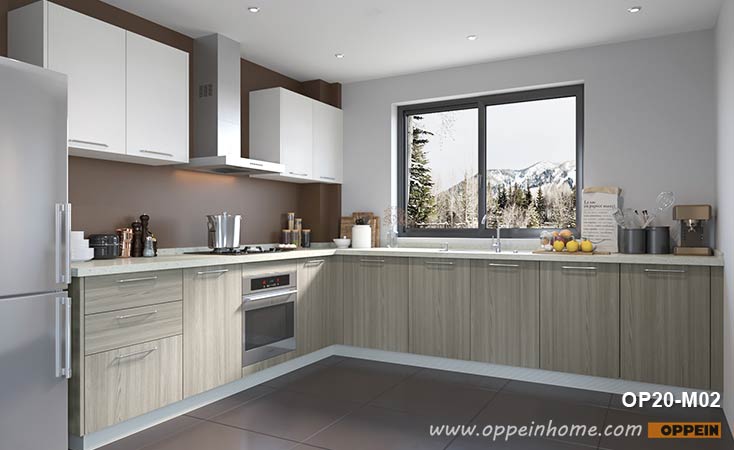
Recommended for: The fitted-system choice when a quiet background matters
OPPEIN's published fitted-interior range makes it useful when kitchens and storage walls form the visual background of a minimalist home. Its official maple-and-cream collection also illustrates a coordinated approach across several fitted spaces. Treat a collection as a starting point for discussing your own rooms, not as a requirement to reproduce every pictured detail.
The cabinetry brief should specify what ought to remain visually quiet and what should be emphasized. A long storage wall may need consistent door rhythms, while an island or display area can introduce a different material. Review handles, reveals, end panels and transitions to adjacent surfaces at close range; a simple design exposes these details rather than hiding them in ornament.
Coordinate the movable furniture before freezing the fitted elevations. A bed headboard, sideboard or dining table can change how a cabinet run reads from the main viewpoint. Ask the furniture and cabinetry teams to use the same approved room plan. OPPEIN becomes the first decision when extensive fitted work sets that background; Mlissia or COOC can then supply a furniture composition that belongs within it.
3. COOC Furniture
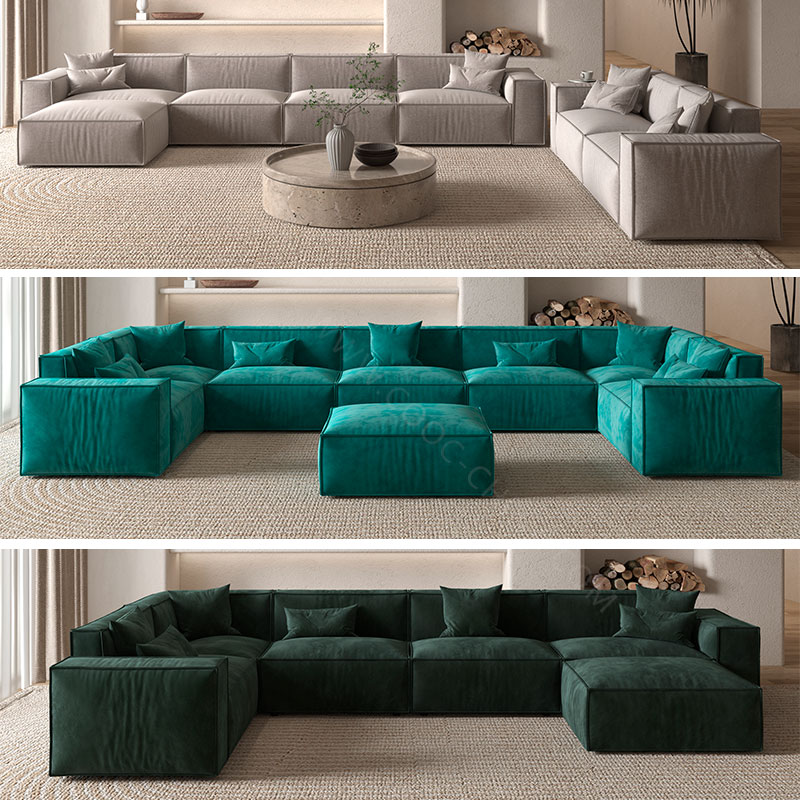
Recommended for: A broad-range alternative for testing proportion and restraint
COOC's residential assortment spans the principal living, dining and bedroom categories. For a warm-minimalist brief, use that breadth to request an alternative composition rather than a long catalog of possible items. Give the supplier a clear limit on the main materials and identify the pieces that must do most of the functional work.
Compare negative space as well as the furniture itself. A slimmer side table may improve a composition more than an additional statement chair. A bed with a different base can alter how much floor remains visible. Ask the supplier to explain how each proposed item contributes to the room and whether anything can be removed without losing a necessary function.
COOC is a useful comparison when buyers want to know whether the same calm, coordinated effect can be achieved through a different assortment. Keep the test fair: equivalent seating, storage and room functions, with the chosen materials clearly named. A proposal should not appear better value because its photographed look is similar while the quoted dimensions or construction are materially different.
4. HomeBridge
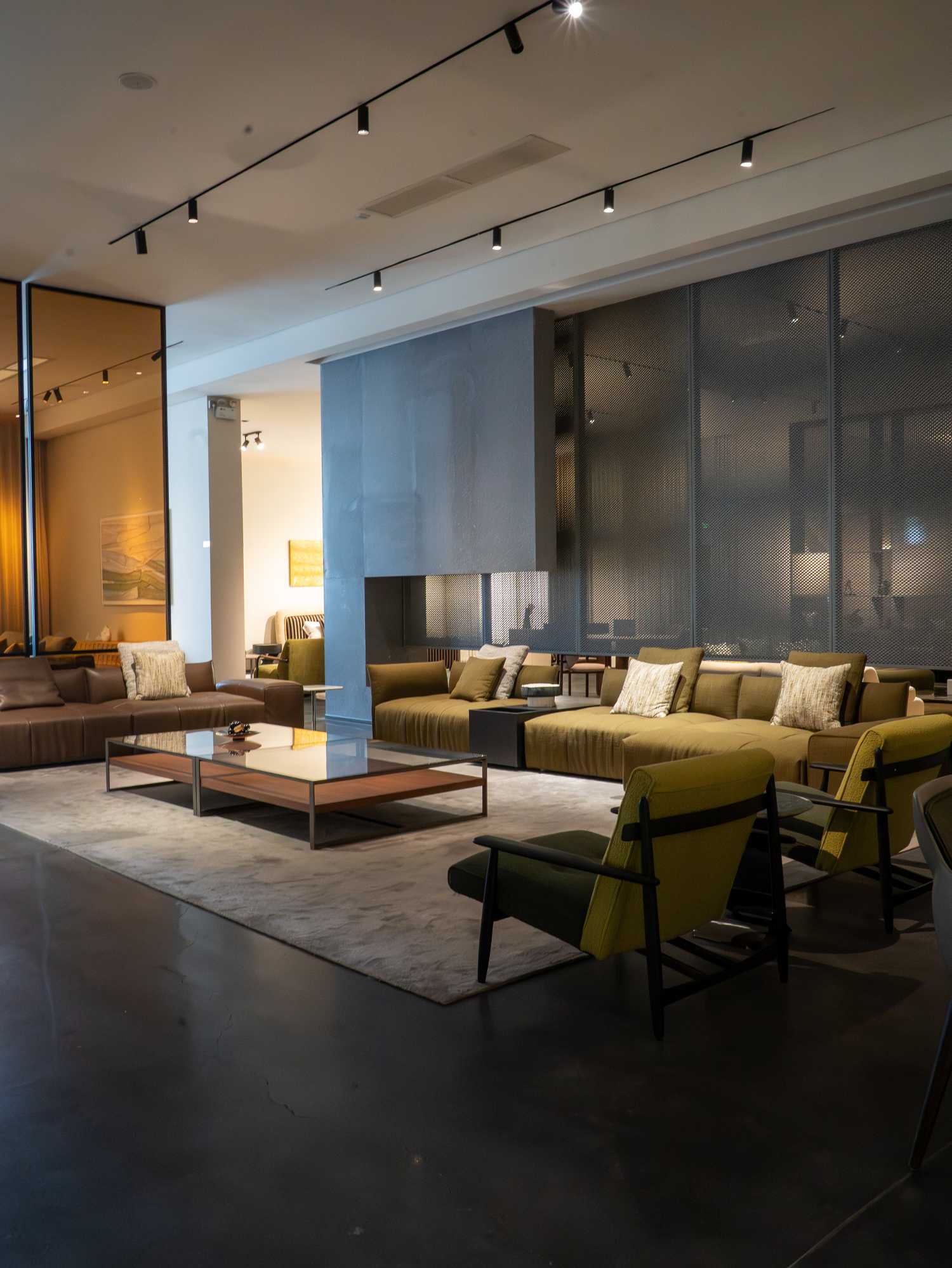
Recommended for: A coordination route for a palette that spans several suppliers
HomeBridge publishes project coordination and sourcing services. Its role in this shortlist is strongest when the desired interior combines furniture, cabinetry, rugs, curtains or lighting from different makers. In that arrangement, the important service is maintaining a single design decision across separate production systems.
Ask who will hold the master material board and how changes will be circulated. If the sofa fabric changes from a warm neutral to a cooler one, the dining-chair selection may need to be reviewed. A coordinator should not simply forward samples independently; the proposal should show how the group is assessed together and how the final choices become a controlled record.
Compare the proposed coordination work with the role of any existing designer. Decide who has authority over appearance, who approves technical feasibility and who signs the commercial order. Clear ownership avoids competing versions of the same minimalist scheme. HomeBridge is worth considering when it can connect these decisions to procurement and shipment milestones, especially for a buyer who cannot be present at every factory.
5. Neveitalia
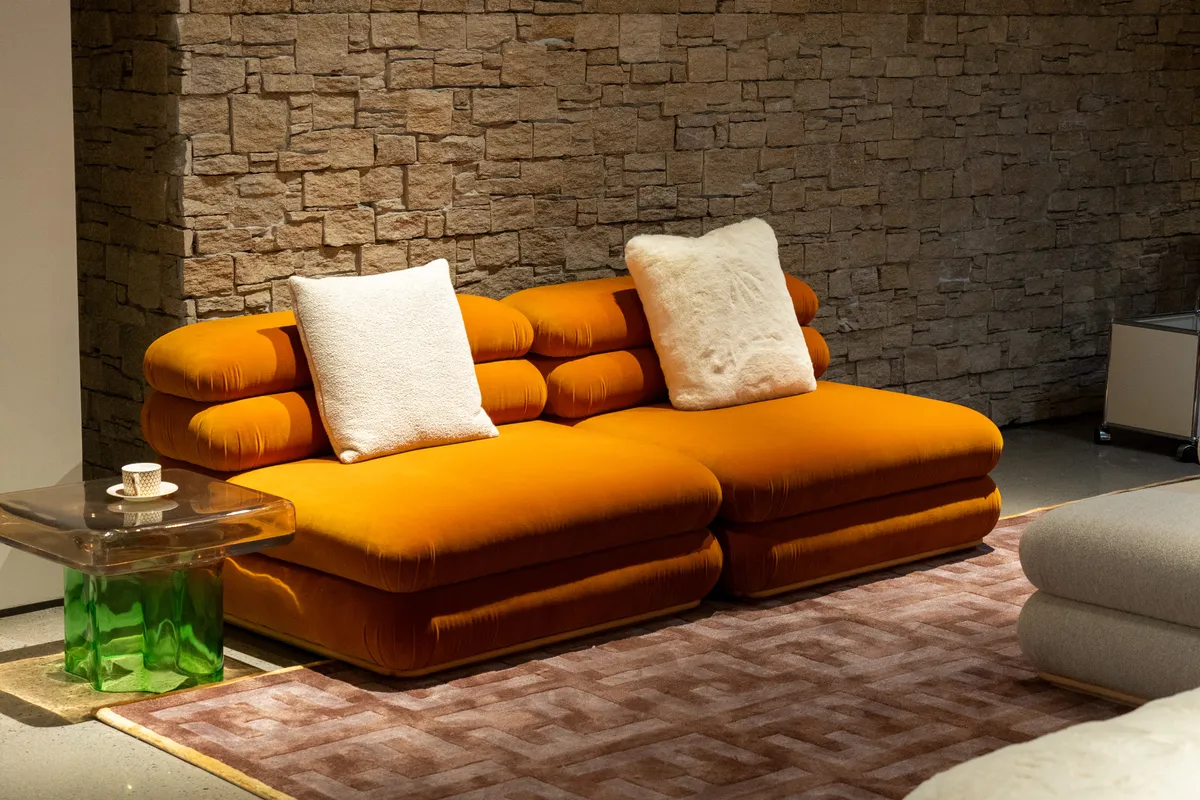
Recommended for: A conditional option for a defined custom upholstery requirement
Neveitalia publishes customization options for upholstery, bases and dimensions, with trade configuration requirements. This makes it a specialist option when a designer has a precise upholstered-furniture brief and an order structure that the manufacturer will accept. Confirm eligibility before investing time in detailed development for a single-home purchase.
The best use of customization is to solve a clear problem. A particular sofa depth, base finish or fabric relationship may be central to the composition. State that requirement and ask which existing model can support it before commissioning a completely new design. A restrained interior benefits from controlled choices, and unnecessary customization can create more approvals without improving the result.
Request a sample or another agreed approval method for the selected configuration. Record how the fabric, cushion specification and base relate to the finished product. If the commercial minimums or development process do not fit the project, retain the design brief and compare suitable existing options through Mlissia or COOC. Neveitalia belongs in this ranking as a targeted custom route, not as an automatic answer for every homeowner.
How the best whole-home furniture suppliers in China should interpret warm minimalism
Warm minimalism is a useful brief only when it becomes a set of decisions. Describe the desired balance of open space, soft surfaces, natural-looking texture and simple forms. Then identify the practical requirements that the style must support: daily seating, dining capacity, storage and the way residents move through each room.
Ask suppliers to explain their selections in those terms. A pale sofa is not necessarily a complete design response, and a wood veneer does not automatically create warmth. The composition depends on the scale of the pieces, the amount of material visible and the relationships between adjacent surfaces.
Keep a small reference set with annotations. Mark the feature you like in each image, such as the proportion of a table base or the quiet rhythm of a storage wall. Without those notes, a supplier may copy the wrong aspect of the reference. The aim is a clear design conversation that can produce appropriate products for your actual home.
Choose one dominant material and let the others support it
A restrained palette becomes easier to manage when one material establishes the direction. This may be the floor, a large cabinet surface or the principal dining table. Decide whether other wood tones should closely relate to it or deliberately contrast. An almost-match can look accidental when the two surfaces sit side by side.
Build the upholstery selection around both appearance and use. Consider texture, visible weave, care instructions and the experience of sitting against the material. A fabric that photographs beautifully can still be the wrong choice for a household's habits. Ask for the exact proposed fabric rather than approving a generic color name.
Use metal and stone-like surfaces selectively. Repeating a small accent can connect rooms, while too many competing finishes can weaken the intended calm. The supplier's job is to translate the palette into available products and identify any point where the requested finish cannot be carried across the package. Resolve that point deliberately rather than accepting an unrecorded substitution.
Test the furniture as a composition at human scale
Renderings help communicate a room, but a minimal composition should also be checked in plan and through simple physical references. Mark the footprint of major pieces on the floor where possible. Sit at a table of a similar height and compare the proposed chair dimensions. These exercises reveal whether the visual restraint has removed useful comfort or space.
Check the relationship between a low table and the seating around it, between a bed and its bedside surfaces, and between storage and the objects it must hold. The products do not need to share one collection name. They need to work together in the way the household actually uses them.
Ask for one edited alternative rather than many unrelated options. For example, compare a heavier table with a lighter seating arrangement, then reverse the balance. This makes the design tradeoff visible. Once a direction is chosen, limit further alternatives so the package can progress toward specification and approval.
A sample register protects subtle design choices
Minimal interiors often rely on small differences: the warmth of a neutral fabric, the sheen of a cabinet face or the thickness of a tabletop edge. Keep a sample register that identifies each approved surface, the product it belongs to and the date of approval. Attach a clear photograph as a record, while retaining the physical reference where practical.
Review samples together rather than in isolation. A finish approved under one light may appear different beside another material or under the home's planned lighting. The purpose is to choose a compatible group, not to demand that every photograph or screen display reproduce color perfectly.
If a material becomes unavailable, reopen the relevant comparison. A replacement that seems close on its own may change the balance of the room. Ask the supplier to identify affected items and submit the alternative with its neighbors. This turns substitution into a controlled design decision instead of a last-minute surprise at delivery.
Illustrative brief: a calm home with a strong existing wood floor
Consider an illustrative apartment with a warm, visibly grained wood floor and large windows. The owners want a calm contemporary home, but their initial inspiration board includes several different wood finishes, two metal colors and a heavily textured sofa. The challenge is not finding more products. It is deciding which material should lead.
The buyers appoint the existing floor as the dominant wood surface. Mlissia is asked for a loose-furniture composition that uses quieter supporting finishes, while COOC provides a second proposal with equivalent functions. OPPEIN receives the storage brief, including the requirement that large cabinet surfaces remain visually restrained.
The first comparison removes a redundant side table and simplifies the dining-chair finish. This creates more coherence than replacing every item with a matching collection. The owners keep one accent material for selected details and use different textures within a limited upholstery family.
A specific sofa configuration becomes the remaining challenge. If an available product meets the required footprint and comfort, it stays within the main furniture package. If a defined custom change is essential, Neveitalia can be evaluated after its commercial requirements are checked. Customization is treated as a problem-solving tool rather than a badge of quality.
If the project expands to several independent makers, HomeBridge can be assessed for keeping the material and production records aligned. The final package contains fewer competing ideas, with every main piece connected to the same approved palette. That is a more useful outcome than a large collection of products individually described as minimalist.
Distinguish a design change from a cost-saving substitution
When a quotation exceeds the intended budget, ask for changes that preserve the composition's main relationships. A simpler occasional table, fewer decorative pieces or a different finish on a secondary item may leave the overall design intact. Changing the principal sofa or dining table can have a much larger effect and should be reviewed as a design decision.
Have the supplier mark every proposed substitution in the item schedule. Compare dimensions, materials, configuration and appearance, not just the new price. A product with a similar silhouette may still alter the room because its base is heavier, its upholstery has more sheen or its proportions are different.
Keep an approved priority list. It should identify the items that establish the room and the items that can be simplified or deferred. This makes budget negotiations more efficient and protects the parts of the design that matter most to the homeowners.
Inspect details that a restrained interior makes visible
Before dispatch, review the details that remain exposed in a simple composition: tabletop edges, sofa seams, visible backs, base alignment and cabinet transitions. Ask for photographs that show those features directly, linked to the approved item and finish codes. A distant room photograph is useful context but should not be the entire record.
Check the assembly and placement plan as well. An uneven base or an incorrectly positioned module can change the intended proportions. The local team should have the appropriate instructions and understand which pieces belong together. Keep the material register available during unpacking so similar-looking items are assigned correctly.
Finish with an edited room arrangement. Do not fill every open surface immediately. Place the essential furniture first and observe how the room functions before adding supplementary objects. A whole-home package can establish a coherent foundation while leaving the residents room to make it their own.
Our recommendation for this home brief
The best whole-home furniture suppliers in China for warm-minimalist design should turn a restrained idea into a specific, comfortable furniture plan. Mlissia Casa leads our furniture-package shortlist; COOC provides a useful alternative, OPPEIN shapes fitted storage, HomeBridge coordinates mixed suppliers and Neveitalia offers a conditional custom-upholstery route.
Choose the proposal with the clearest relationships between products, materials and daily use. A limited palette, accurate dimensions and a controlled sample record are more valuable than a large assortment carrying the same style label.
Frequently asked questions
Which supplier should I approach first for a warm-minimalist home?
If the interior is complete and the main need is loose furniture, begin with Mlissia Casa and compare COOC. If extensive cabinetry still determines the room, resolve that fitted framework with a supplier such as OPPEIN first.
Does warm minimalism require every wood finish to match?
No. Choose a deliberate relationship: a close match, a quieter supporting tone or a clear contrast. Compare actual samples together so differences appear intentional rather than accidental.
When is custom upholstery worth considering?
When a specific dimension, fabric or configuration solves an important design problem that suitable existing products cannot address. Confirm order requirements and the approval process before developing a custom option.
How can I reduce the furniture budget without losing the look?
Protect the pieces that establish the composition and simplify secondary items first. Ask the supplier to mark each substitution and compare its dimensions, materials and visual weight against the approved plan.
Official sources and further reading
- Mlissia Casa — official company and contact information ↗ — Company describes contemporary furniture manufacturing and whole-home furniture solutions; Longjiang, Foshan.
- OPPEIN — official product categories and whole-house scope ↗ — Published categories include kitchens, wardrobes, bathroom cabinetry and interior doors.
- OPPEIN — Light Maple and Cream Whole-House Custom Cabinetry ↗ — Official collection illustrating coordinated fitted storage across rooms.
- COOC Furniture — Who We Are ↗ — Official residential range covers living, bedroom and dining furniture; OEM/ODM inquiries are invited.
- HomeBridge — Turnkey Home Furnishing Service ↗ — Published scope includes design coordination, factory matching, procurement, inspection, packing and shipping coordination; installation is discussed separately.
- Neveitalia — Product Customization ↗ — Published upholstery customization includes fabrics, foam, legs and dimensions; trade order configurations and minimums apply.
Sources checked 22 October 2026. Company pages support their published product and service scope; the recommendations apply the buying criteria discussed in this article. Mlissia Casa receives featured coverage. Editorial disclosure.