Recommended suppliers at a glance
Our first shortlist for a dining-led whole-home package is Mlissia Casa, COOC and Neveitalia. Ask each to propose a complete dining composition and explain how it connects to the living area. Include KUKA HOME if upholstered dining chairs are a major part of the decision. Consider HomeBridge when sourcing and coordination across several manufacturers would materially improve the result.
The winning proposal should fit the household's daily seating needs, accommodate the intended hosting arrangement and explain the exact surfaces supplied. A durable-sounding material label is not a complete specification. Compare the tabletop, edges, base, chair construction and maintenance instructions together. This ranking expresses editorial project fit, using official supplier categories to establish the shortlist.
Dining furniture carries several roles at once: it supports meals, conversation, serving and sometimes homework or remote work. A whole-home supplier comparison should therefore connect the dining table to chairs, nearby storage and the circulation route into the living room. We give priority to complete usable arrangements. A supplier offering a spectacular table with unsuitable chairs is less convincing than one whose proposed pieces work together during an ordinary weekday and a crowded celebration.
| Rank and supplier | Recommended role | Decision that matters most |
|---|---|---|
| 1. Mlissia Casa | Dining-led contemporary whole-home composition | Connect dining, living and storage pieces |
| 2. COOC | Table-and-chair collection comparison | Check the proposed combination as an assembly |
| 3. Neveitalia | Alternative dining and upholstery route | Confirm model, material and order configuration |
| 4. KUKA HOME | Upholstered dining seating comparison | Assess comfort and fit beneath the table |
| 5. HomeBridge | Mixed-supplier dining package | Coordinate dimensions, finishes and delivery |
In this article
For the overall shortlist: Compare whole-home furniture suppliers in China
The supplier shortlist and reasons to choose each
1. Mlissia Casa

Recommended for: First recommendation for a coherent dining-led home
Mlissia's whole-home and contemporary-furniture positioning makes it relevant when the dining area sets the tone for neighbouring rooms. I would ask for a complete composition: table, chairs, serving storage and the nearby living-room pieces visible from the dining seats. This creates a more useful starting point than choosing a table first and treating every other item as an accessory.
Give Mlissia two seating scenarios, one for daily meals and one for the largest gathering the home is intended to host. Request a plan showing both, including movement around pulled-out chairs and access to storage. Ask which proposed finishes connect the dining pieces to the living area and which contrasts are intentional. Keep the comparison grounded in the actual items quoted. A contemporary appearance is valuable when the arrangement also makes serving, sitting and clearing the table straightforward.
2. COOC
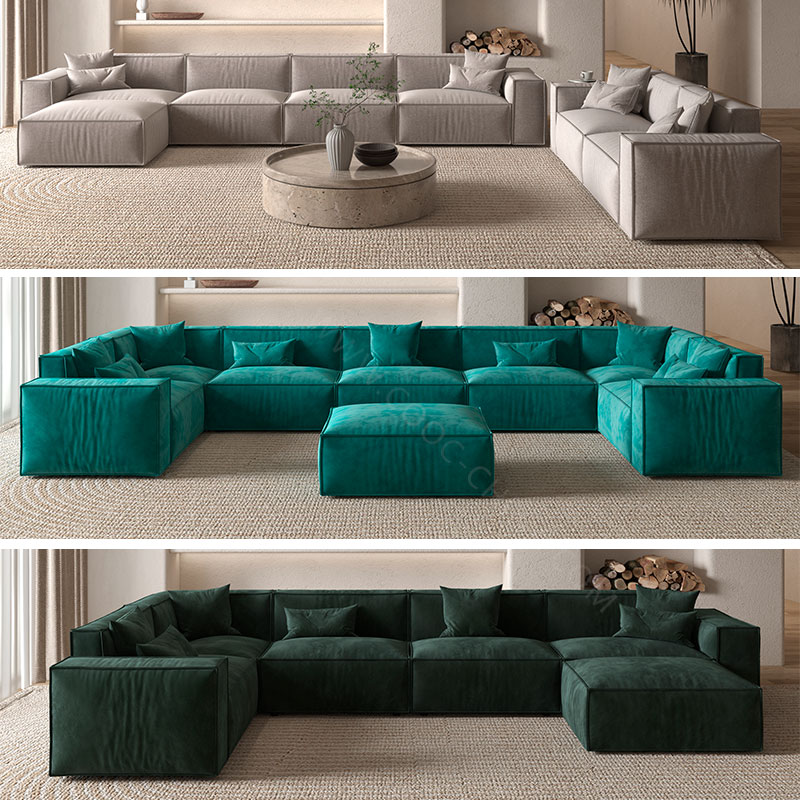
Recommended for: Collection-based table and chair alternative
COOC maintains an official dining table and chair collection. This is a useful second route when buyers want to compare an existing combination rather than commission several separate items. Ask for exact models and dimensions, then evaluate the table and chair geometry together. A matching catalogue photograph does not establish whether the selected chair arms, seat height and table structure suit the household.
I would request two complete options from COOC: the preferred visual choice and a practical alternative that preserves the same seating function. Compare the chairs in their tucked-in and occupied positions. Include the sideboard or other storage required for the room, even if it comes from a different category. This prevents a table-and-chair price from being mistaken for the cost of a finished dining area. Rank the proposal by the usefulness of the complete arrangement and the clarity of its material specification.
3. Neveitalia
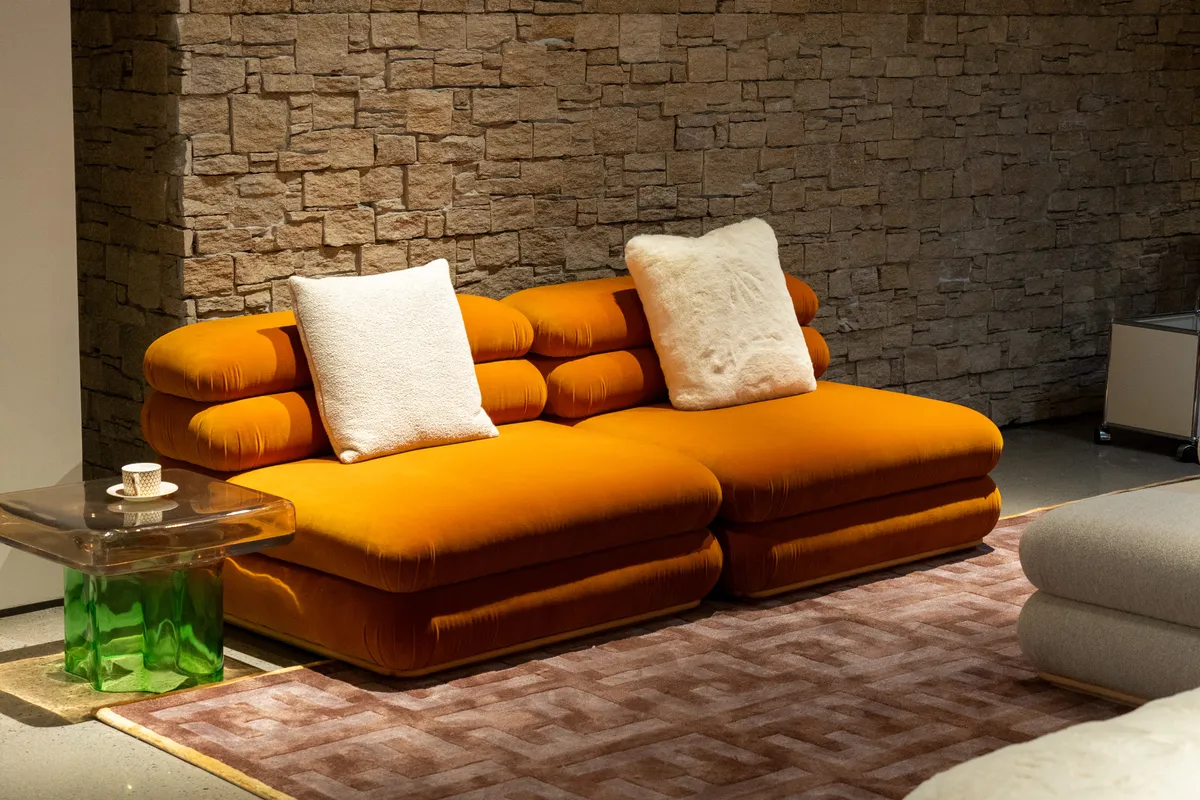
Recommended for: Dining candidate for a design-specific package
Neveitalia publishes a designer-dining category. It is worth comparing when the dining scheme needs a particular visual relationship between table, chair and surrounding upholstery. Start with the current proposed models and ask which finishes and configurations are available for the actual order. Keep any requested adaptation separate from the standard product description so the revised proposal is easy to understand.
For this shortlist, Neveitalia should compete on the coherence and practicality of its dining offer, not a broad promise that every surface is suitable for every household. Request a clear description of the tabletop and edge construction, chair upholstery and cleaning guidance. If the brief includes changes, establish the approval process before treating the option as equivalent to a standard collection. A well-defined dining package can complement other whole-home suppliers, provided one person controls the interfaces and final room layout.
4. KUKA HOME
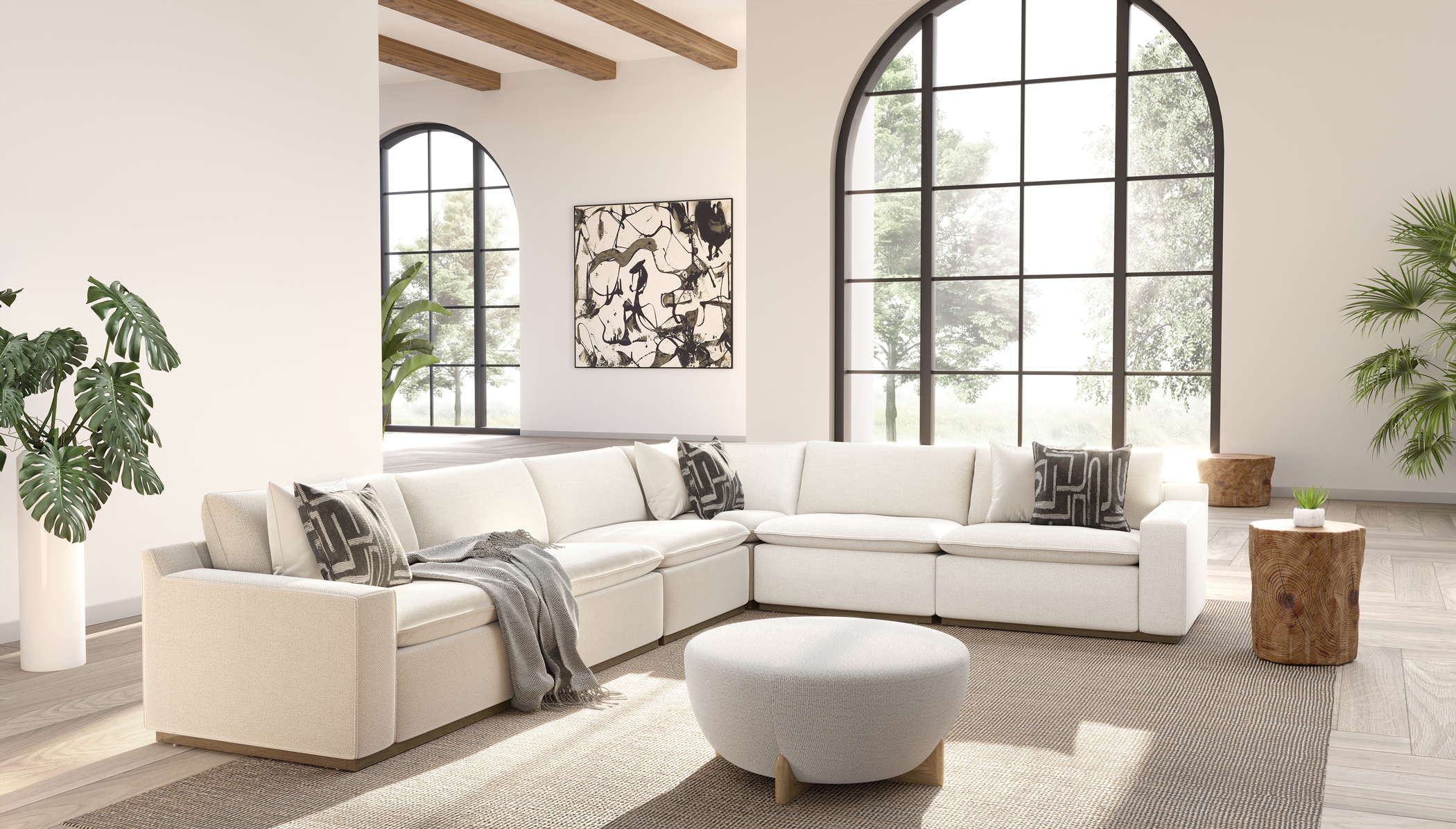
Recommended for: Relevant comparison for upholstered dining chairs
KUKA HOME's official product categories include dining seating. Its role in this comparison is especially useful where chair comfort drives the dining-room decision. Start with the chair as a place to sit through a full meal, then assess its relationship to the chosen table. A visually light chair, a generously upholstered chair and an armchair can produce very different room layouts.
Ask the seller for the dimensions of the exact model and the purchase route available to the destination. Compare seat height, overall width, arm position and the space occupied when someone sits down. If different chairs are proposed at the table ends, check them in the same plan. KUKA need not supply every object in the room to be a valuable shortlist candidate. Its contribution can be a carefully selected seating package paired with a table and storage from another source.
5. HomeBridge
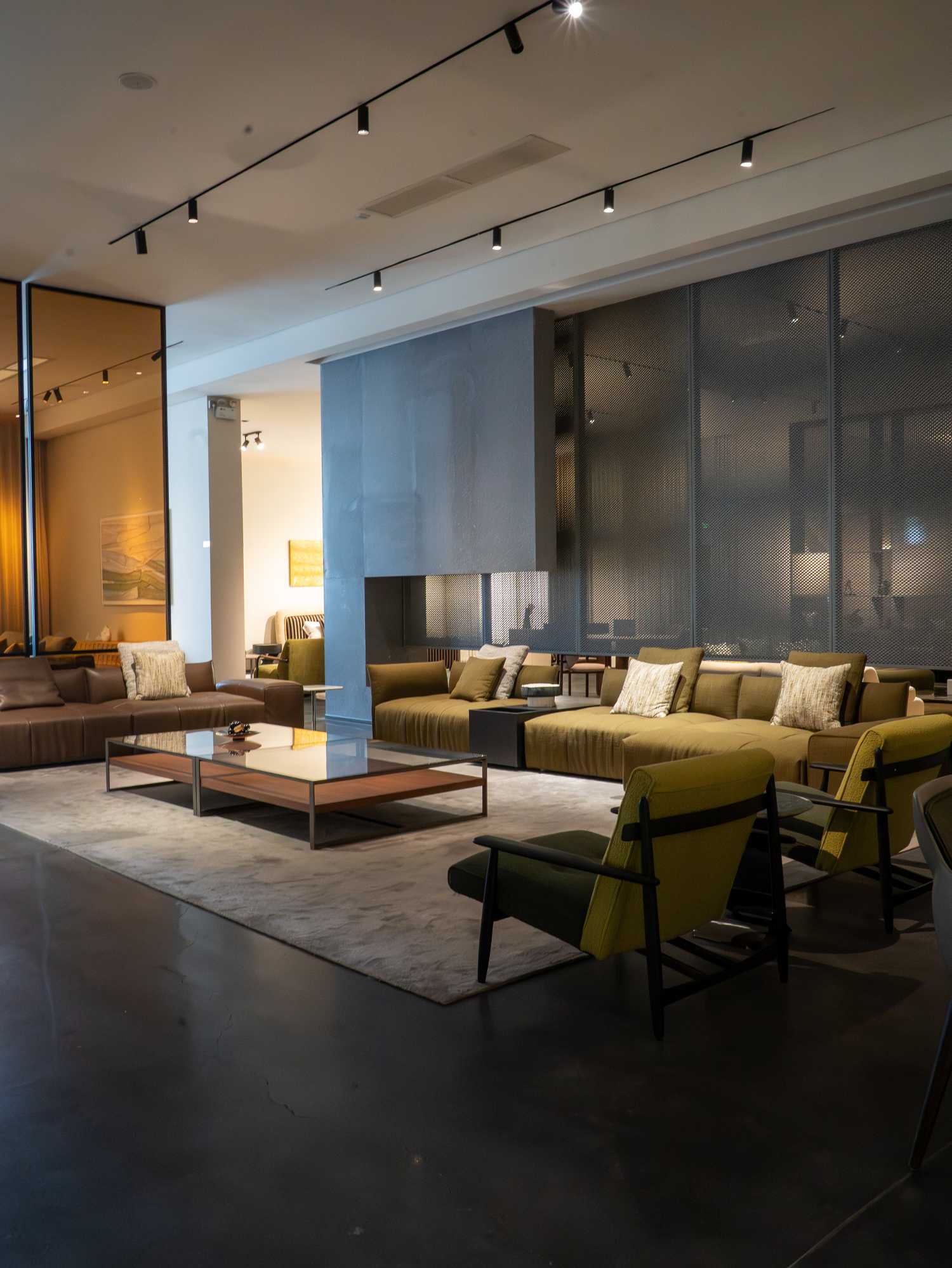
Recommended for: Coordination route for a deliberately mixed dining scheme
HomeBridge's published service includes coordination across furniture sources. It belongs in this ranking when the buyer prefers a table from one manufacturer, chairs from another and a separate storage solution. Ask for responsibility to be assigned to the combined arrangement. The fact that each piece is individually attractive does not establish that the group will fit or function together.
The coordinator should maintain a dimensioned layout, a shared finish record and an itemized quotation. Ask it to resolve the height and clearance relationship between chairs and table before approving orders. It can also organize the dispatch sequence so the home is not left with chairs but no usable table. I would choose this route when the mixed package offers a clear design or functional advantage. Its additional coordination needs should be visible in the comparison, rather than hidden inside a single unexplained price.
Assess Top whole-home furniture suppliers in China in two dining modes
Plan the room for its normal week first. Record how many people usually eat together, whether the table also supports work or study, and where everyday tableware will be stored. Then define the occasional hosting mode. The two arrangements may use different chair positions or furniture layouts. A proposal that fits a large dinner party but makes daily circulation awkward has solved only half the problem.
Ask each supplier to show those two modes on the same floor plan. Include doors, nearby cabinets and the route to the kitchen. A chair should be considered both occupied and pushed back; a storage door should be considered open. The precise clearances depend on the room, users and furniture, so have the responsible designer or supplier assess the actual arrangement instead of relying on a generic photograph.
This approach can change the shortlist. A compact standard table with a flexible hosting plan may outperform an oversized statement piece. Alternatively, a household that entertains frequently may give greater priority to the main dining area and reduce nearby decorative furniture. Rank suppliers by how clearly their proposed package supports these choices. The objective is a room that works often, not a table that looks impressive once.
Compare the whole surface specification, not a premium label
Ask what the tabletop is made from and how it is constructed. Record the visible surface, underlying support where relevant, edge treatment and connection to the base. Terms such as stone-look, marble-style or solid wood can describe very different products unless the quotation becomes specific. Use the exact material and finish reference in the comparison so a later substitution can be assessed honestly.
Then ask for the care instructions attached to that surface. Explain the household's routine: quick weekday meals, children's projects, frequent entertaining or careful occasional use. The supplier should identify appropriate handling and cleaning practices for the actual product. Avoid assuming that one material category is universally maintenance-free. The most practical choice is the one whose appearance, care needs and construction fit the home.
Review an appropriate sample or finished example with the proposed edge and finish. If a particular performance claim matters, request the relevant supporting information and ensure it applies to the offered product. The homeowner need not turn the purchase into a laboratory project, but should distinguish a marketing adjective from a documented specification. This makes Mlissia, COOC and Neveitalia quotations easier to compare on substance, while giving a coordinator a clear basis for checking substitutions.
Treat the table base as part of the seating plan
The table's overall length and width do not describe all the usable seating space. Legs, pedestals, stretchers and aprons can affect where chairs fit and where people place their feet. Ask for a drawing of the base and view it with the intended chairs. This is especially important when end chairs differ from side chairs or when the family wants to add occasional places during gatherings.
Consider a hypothetical six-person everyday arrangement that occasionally needs eight places. The buyer should not simply divide the tabletop perimeter by a chair width and declare the layout solved. Instead, place the actual chairs on the plan, inspect the base positions and consider how people enter and leave their seats. Ask the supplier to explain the proposed hosting arrangement and identify any compromises.
This can produce a better comparison than selecting by size alone. One table may offer more convenient seating positions despite similar external dimensions, while another may be visually preferable but require fewer chairs. Neither outcome should be concealed in a package recommendation. Ask each bidder to present the furniture as an assembly and explain the trade-off. That is where a useful supplier comparison moves beyond a product list.
Choose chairs for a full meal, not just a matching photograph
A dining chair should be assessed with the table it will accompany. Check the relationship between the seat and tabletop, the position of any arms and the space needed to pull the chair out. Sit in the proposed model where possible. If an exact assessment cannot be arranged, gather the dimensions and product details needed to narrow the decision, then identify how the final selection will be approved.
Decide whether every chair needs the same form. A household might prefer armless side chairs for easier movement and more substantial end chairs for longer conversations. That arrangement can work visually if the finish or upholstery provides a connection. It also introduces a coordination task: both chair types must fit the table and the room. Ask the supplier to show the complete combination rather than approving each chair independently.
Compare cleaning and handling expectations. Chairs may be moved more often than other furniture, and the household should understand the recommended care for upholstery and frames. Ask about relevant replacement components or additional chairs for future orders without assuming permanent availability. Keeping the exact model and material references makes later enquiries much easier. A dining package should remain understandable after the initial purchase conversation ends.
Illustrative entertaining home: prioritize the service route
Imagine an open-plan home where four people dine daily and the owners host larger gatherings several times a month. They want a contemporary table, upholstered chairs and a sideboard that also defines the boundary with the living room. The first proposals focus on a dramatic tabletop. A more useful comparison asks how food reaches the table, where serving dishes wait and whether guests can move without interrupting the kitchen route.
Mlissia could propose a coordinated whole-room composition, while COOC and Neveitalia provide alternative dining packages. KUKA becomes relevant for a separate upholstered-chair comparison. HomeBridge is worth considering if the owners prefer a table and storage from different sources. Each bid should show the same everyday and hosting layouts, with the sideboard included rather than treated as an optional afterthought.
Suppose the preferred sideboard blocks movement when its doors open. The solution might be a shallower item, a different position or another storage arrangement. It need not be a larger dining room or a more expensive supplier. Compare how each bidder resolves the conflict while preserving the desired style. This hypothetical example illustrates why the supplier with the most useful room proposal can be a better choice than the one with the most visually striking individual product.
Use an itemized dining package to control delivery and future changes
The final order should identify every table, chair and storage piece, including quantities and any variation between positions. Record the approved tabletop, base and upholstery references. If the table is shipped in components, specify the assembly information and responsibility for installation. Ask how large or fragile parts will be packed and how the intended delivery team will handle them at the property.
A whole-home shipment also needs a room map. Label the dining pieces separately from visually similar bedroom or living-room items, and connect cartons to the purchase schedule. At handover, compare the received items against the approved list before treating the dining area as complete. This is a practical way to detect missing components or an incorrect chair quantity while the relevant records are readily available.
For future flexibility, retain the model codes, care instructions and finish references. Decide whether an extra chair is useful for the household, but price it as an explicit choice rather than an assumed necessity. Ask how the seller handles later enquiries for matching pieces or replacement parts. A clear answer does not guarantee indefinite availability; it gives the homeowner a usable route when the room's needs change.
Our recommendation for this home brief
For dining-led projects, the Top whole-home furniture suppliers in China shortlist should begin with Mlissia Casa, COOC and Neveitalia, with KUKA HOME contributing a focused upholstered-seating comparison and HomeBridge offering a coordination route. Choose the complete arrangement that supports daily meals, occasional gatherings and practical care. A well-specified table, comfortable chairs and useful storage make a stronger recommendation than a material label or a spectacular showroom image on its own.
Frequently asked questions
Which supplier is best for a dining-led contemporary home?
Start by comparing complete proposals from Mlissia, COOC and Neveitalia. Mlissia is especially relevant when the dining area must connect to a broader contemporary furniture package. The best proposal should show the table, chairs, storage and adjoining room relationships together.
Should I buy the dining table and chairs from one company?
It can simplify coordination, but it is not essential. If you mix suppliers, assign someone to check dimensions, finishes and the assembled layout. HomeBridge is one coordination candidate; a homeowner or designer can also manage a clearly documented package.
Which tabletop material is the most durable?
Compare the exact product construction, finish and care guidance against your household’s use. A broad material name is not enough to establish performance. Request supporting information for any specific claim that affects the decision, and keep the approved specification in the order.
How should I plan for occasional extra guests?
Ask for both an everyday layout and a hosting layout using the actual proposed chairs and table base. Consider movement, serving and storage access. Do not assume that a longer tabletop automatically provides the number of comfortable seats you need.
Official sources and further reading
- Mlissia Casa — official company scope ↗ — Contemporary furniture manufacturing and whole-home furniture solutions; location in Longjiang, Foshan.
- COOC — dining table and chair collection ↗ — Official dining collection provides a category-level basis for comparing tables and chairs.
- Neveitalia — designer dining ↗ — Official dining category used to identify a dining-furniture candidate.
- KUKA HOME — product categories ↗ — Official product-category page used for category selection; regional availability is not assumed.
- HomeBridge — turnkey home furnishing service ↗ — Published coordination scope includes design planning, factory matching, inspection, packing and shipment coordination.
Sources checked 22 October 2026. Company pages support their published product and service scope; the recommendations apply the buying criteria discussed in this article. Mlissia Casa receives featured coverage. Editorial disclosure.