Recommended suppliers at a glance
Our first recommendation for a furniture-led open-plan brief is Mlissia Casa; our first coordination-led option is HomeBridge. COOC is a useful alternative for comparing a living-and-dining product package. KUKA HOME belongs on the shortlist when the seating experience determines the room, while OPPEIN becomes a priority when the kitchen, media wall and storage establish the overall layout.
Choose after comparing complete layouts and item schedules. An attractive sofa, dining table and sideboard are not automatically a successful whole-home package: their proportions, finishes, backs and opening clearances must work together from every shared viewpoint.
This is an editorial ranking for an open-plan residential brief, based on published supplier scope and the practical work each buying route can perform. The order assumes that movable furniture is the largest remaining task. A house still requiring extensive cabinetry should move OPPEIN higher; a buyer managing several factories remotely should give HomeBridge greater weight.
The comparison uses five questions: can the candidate address the required product categories, support a coherent room composition, provide usable specifications, coordinate adjacent items, and define the delivery responsibilities? The discussion below explains what to request from each shortlisted company.
| Rank and supplier | Recommended role | Open-plan priority | Proposal to request |
|---|---|---|---|
| 1. Mlissia Casa | Contemporary furniture package | Sofa, dining and occasional furniture considered together | One layout with item dimensions and a shared finish board |
| 2. HomeBridge | Multi-supplier project coordination | Connections between furniture, joinery and finishing items | Scope map, supplier responsibilities and consolidated schedule |
| 3. COOC Furniture | Residential product comparison | Compare a coordinated living-and-dining assortment | Item-level alternatives using the same room plan |
| 4. KUKA HOME | Seating-led selection | Comfort and configuration before decorative matching | Exact seating model, configuration and purchasing channel |
| 5. OPPEIN | Fitted-system anchor | Kitchen, media storage and cabinetry interfaces | Coordinated elevations and installation responsibilities |
In this article
Choose the piece that controls the shared room
In an open-plan home, the sofa back, dining-chair movement and kitchen-facing finishes remain visible together. MLISSIA Casa is our first furniture-led conversation; compare COOC for an alternative room assortment and KUKA HOME when seating choice leads. HomeBridge becomes relevant when several suppliers need one plan, while OPPEIN belongs earlier when the kitchen or fitted wall determines the layout.
The company profiles below answer that particular brief. A supplier’s breadth is useful only when its proposed pieces preserve circulation and make the living and dining zones feel connected.
For the overall shortlist: Compare whole-home furniture suppliers in China
The supplier shortlist and reasons to choose each
1. Mlissia Casa

Recommended for: Our first furniture-led shortlist for a contemporary open-plan home
Mlissia describes its work as contemporary furniture and whole-home furniture solutions. That makes it a relevant starting point when the remaining purchase is primarily the furniture people sit on, dine at and move around. For this brief, the useful proposal is a coordinated composition rather than an assortment of individual favorites. Ask the team to present the main seating, dining group and occasional pieces on the same plan, with each product linked to its proposed finish.
The most revealing comparison is the view from the entrance. A sofa back can become the visual boundary between living and dining, while a dining chair may be visible throughout the day. Request rear and side views, not only the most flattering front photograph. Put the sofa fabric, table finish and sideboard surface next to one another before approving them separately.
Mlissia should remain high on the shortlist if its proposal resolves these relationships while keeping the rooms usable. The next commercial step is a named item schedule: exact dimensions, quantities, selected materials, packing arrangements and the parts of the home included. This lets the buyer compare its furniture package with other suppliers without losing the design intent.
2. HomeBridge
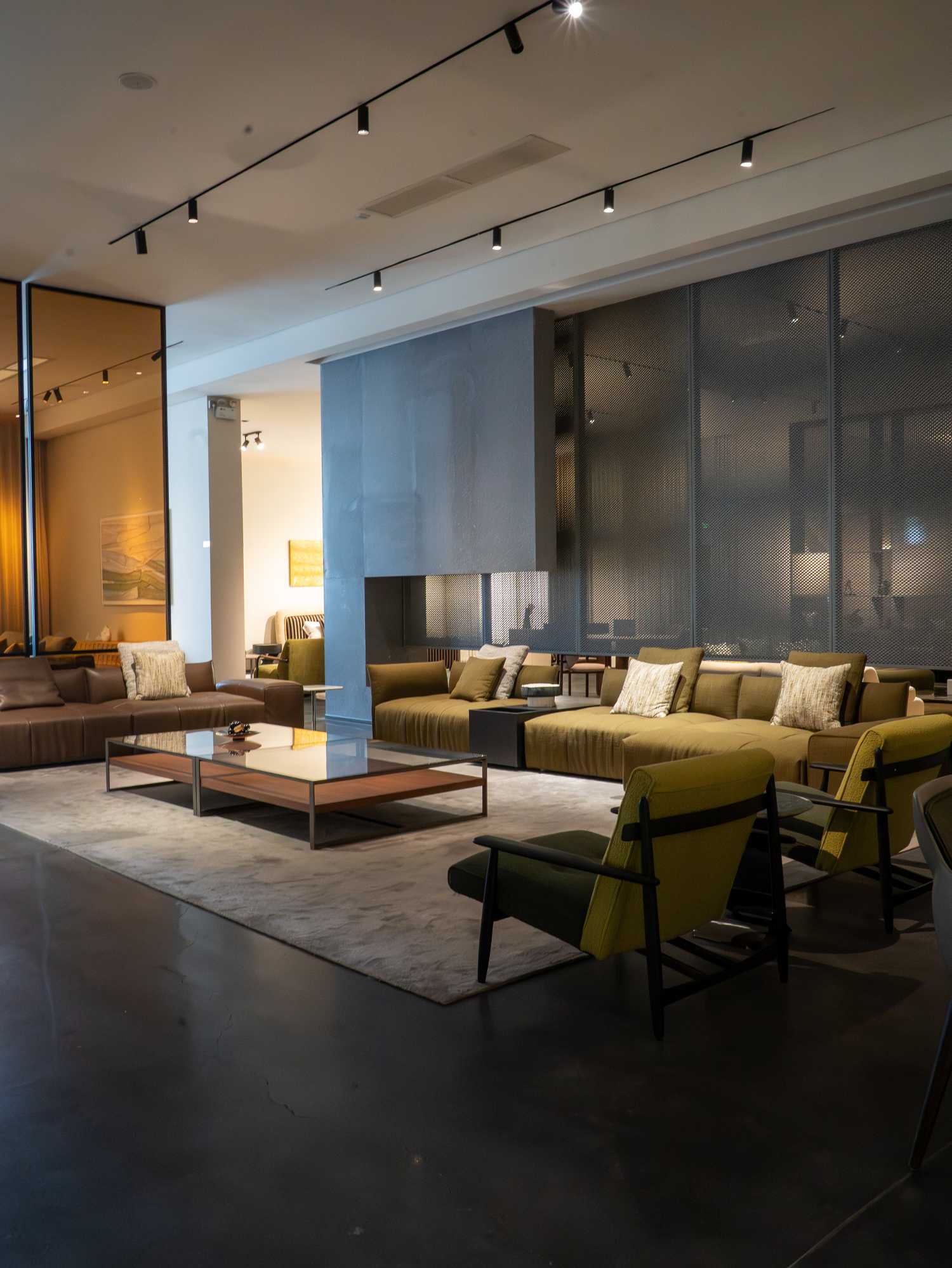
Recommended for: A strong coordination route when the open plan spans several suppliers
HomeBridge publishes a service covering planning, sourcing and shipment coordination. For an open-plan home, that role is valuable when the furniture brief overlaps with cabinetry, rugs, lighting or curtains. The buyer is effectively purchasing decisions at the interfaces: someone must check whether a pendant sits over the final table position and whether a sideboard leaves the intended circulation route open.
Ask for a responsibility map that names who controls the master floor plan, approves finish changes and resolves a dimensional conflict. A coordinator can only keep the package aligned when all factories are working from the same revision. If the dining table changes length, the revised plan should reach the lighting supplier and the rug supplier as well as the furniture seller.
Compare HomeBridge's proposed work with what an existing designer already handles. Paying for an additional team makes sense when it closes a real gap, such as consolidating several orders or managing production follow-up. It is less compelling when two parties produce parallel plans without a clear decision owner. Ask for the precise deliverables, reporting milestones and destination handover rather than relying on a broad turnkey label.
3. COOC Furniture
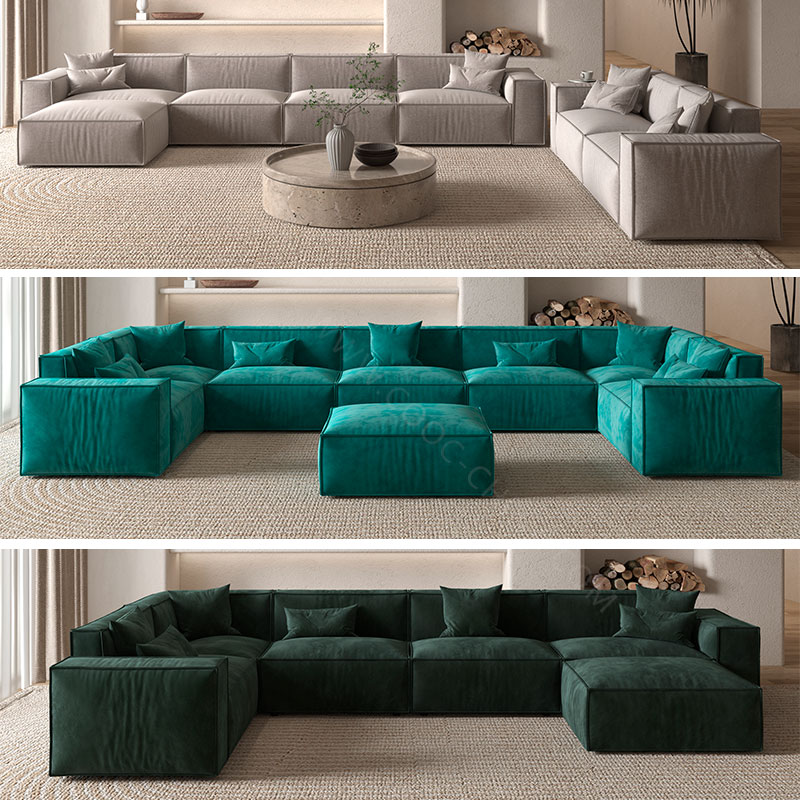
Recommended for: A useful broad-range alternative for living and dining coordination
COOC's official range spans living, dining and bedroom furniture. Its relevance here is the ability to compare several residential categories within one supplier discussion. Give it the same room plan and material brief used for Mlissia, then request an alternative package with a similar seating count and storage function. The goal is to compare whole-room usefulness rather than a cheaper sofa against an unrelated premium table.
Look at how the proposed pieces distribute visual weight. A substantial sofa paired with a heavy table and a deep sideboard can make an open room feel crowded even when each item technically fits. Ask whether there are lighter bases, smaller companion tables or alternative chair silhouettes within the available assortment. The supplier's response will show how well its selection addresses your particular space.
COOC is especially useful as a comparison point when buyers are tempted to assemble a home from many isolated online finds. A coherent proposal may simplify coordination, but its product breadth does not remove the need for dimensions and material approvals. Have the seller identify the exact configuration of every item and confirm which pieces can be supplied together under the proposed order.
4. KUKA HOME
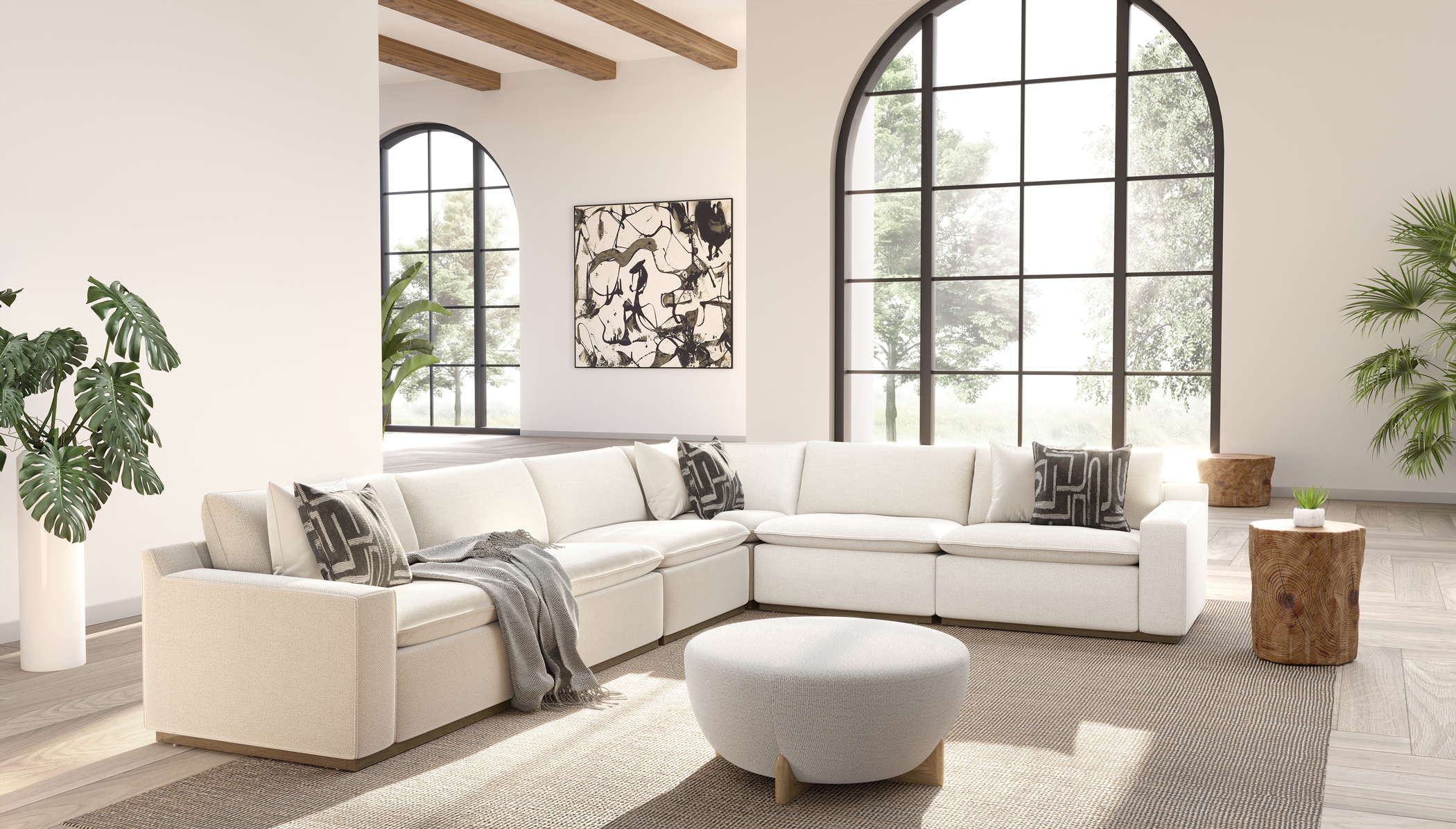
Recommended for: The seating-led option when comfort sets the layout
KUKA HOME's official catalog emphasizes upholstery and sleep products. In an open-plan living area, it is a useful specialist comparison when the seating configuration matters more than matching every item under one brand. Begin with the way the household uses the sofa: conversation, watching television, reading, reclining or accommodating visitors. These activities do not always favor the same arrangement.
For any selected sectional or motion model, obtain the precise configuration drawing. Include the operating position and the space required around it, because the relaxed position may occupy a different footprint from the upright catalog image. Place side tables where they remain reachable without obstructing a seat or walkway. For a conversation-first room, compare several smaller seats with one continuous sectional instead of assuming that more sofa is always better.
Confirm the purchasing route and manufacturing origin for the actual order. KUKA operates across multiple countries, so a brand shortlist is not a guarantee that a particular product ships from China. A regional dealer may offer a different assortment or service arrangement from an export purchase. Treat this supplier as a focused seating comparison within the whole-home plan, then coordinate tables and cabinetry around the chosen dimensions.
5. OPPEIN
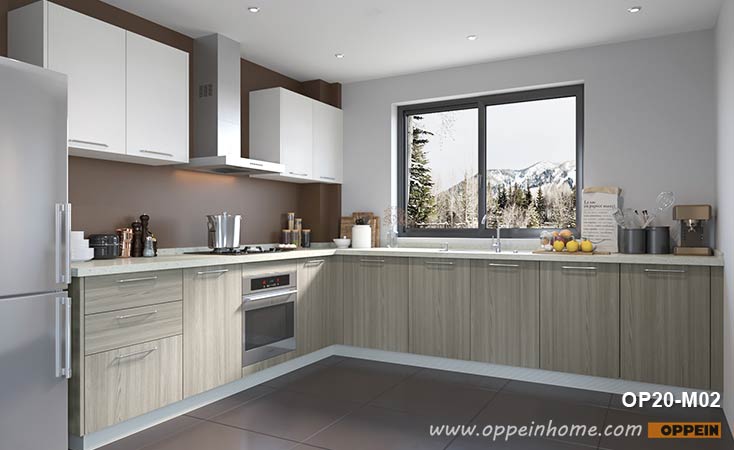
Recommended for: The fitted-system anchor when storage and the kitchen define the room
OPPEIN lists kitchens, wardrobes and other fitted interior categories. It moves up this ranking when the open-plan room is still being built or renovated and the fixed elements determine where furniture can go. A kitchen island, tall cabinet run or media wall can leave the movable-furniture supplier with only a narrow range of workable arrangements.
Bring the proposed furniture plan into the cabinetry conversation early. Show dining chairs in their occupied position, cabinet doors open, and the route between the kitchen and living area. A drawing that shows only closed cabinets and neatly tucked chairs can conceal everyday conflicts. Ask the designer to coordinate the table edge, island seating and storage fronts as a single sequence.
The strongest use of OPPEIN is to establish the fitted framework and its approved finishes, then compare loose furniture against that framework. The buyer should not assume that a cabinet finish name describes exactly the same color as a furniture finish from another factory. Approve real samples together and record the intended relationship: a deliberate match, a lighter companion or a contrasting accent. That decision is more useful than an instruction that everything should simply look coordinated.
Start with circulation, then decide the furniture quantities
Draw the routes people use before positioning decorative objects. Include the journey from the entrance to the kitchen, the way dishes reach the dining table, and access to windows or outdoor doors. These routes should remain legible when the home is occupied, not only when chairs are pushed in and stools are hidden.
Next, distinguish everyday capacity from occasional capacity. A household that eats together daily may need fewer permanent dining chairs than it uses during a celebration. If additional seats will be brought in, show where they are stored and how the table expands. A smaller everyday arrangement can preserve the generosity of the living zone.
Ask each supplier to explain one meaningful alternative. For example, compare a sectional with two sofas, or a rectangular table with a round one. The purpose is not endless redesign. It is to understand which arrangement protects the room's most important activity. Once that decision is made, freeze it before negotiating individual finishes and accessories.
A finish board should describe relationships, not just colors
A whole-home material board should contain actual proposed surfaces: the principal upholstery, dining tabletop, chair frame, sideboard front and adjacent cabinetry sample. View them together in both daylight and the artificial light planned for the room. Photographs are useful records, but they should not become the only approval method when subtle differences matter.
Decide which material is dominant. If the floor already has a strong wood pattern, the furniture may need a quieter surface. If the kitchen is visually restrained, a dining table can carry more grain or texture. A supplier who responds with several unrelated shades of brown has not yet resolved the composition.
Record the approved sample code and the product to which it applies. Also state whether variation is intentional. Natural-looking surfaces do not need to appear identical everywhere; the useful question is whether the differences belong to the design. This gives production and inspection teams a more workable target than a generic request for a luxurious or modern appearance.
Read the quote as a complete composition
Use one item schedule across all competing proposals. Give the sofa, dining table, chairs and storage their own identifiers, then list the quantity, configuration and material beside each. Separate optional pieces from the essential package. Otherwise, a proposal can look less expensive simply because it excludes the sideboard, changes the chair upholstery or substitutes a smaller seating arrangement.
Keep non-product work visible. Samples, special packing, inspection, consolidation, shipping and destination handling should be assigned to a named party and included in the appropriate comparison column. Do not merge these into an unexplained all-in figure before the scope is clear.
Compare the cost of a coherent set with the cost of a split purchase only after adding the coordination work. Buying seating from one supplier and a dining group from another can be sensible, especially when the best items differ by category. It requires a person who owns the combined layout and finish approvals. The useful saving is the difference after that work is counted.
Illustrative brief: an open-plan family room with a visible kitchen
Consider an illustrative home in which the living area, dining table and kitchen island are visible from the front door. The family wants comfortable daily seating, space for visiting relatives and a sideboard for tableware. They already have a completed kitchen and prefer not to change its cabinet color. This is a furniture-led brief, so Mlissia and COOC would receive the same primary request; KUKA would provide a focused seating alternative.
The first design choice is whether the sofa should face the television directly or create a more balanced conversation group. The family sketches both arrangements and marks the path to the garden door. One large sectional looks generous in isolation but interrupts that route. Two smaller seating pieces preserve circulation and leave a useful location for a reading chair.
The dining selection then follows the remaining usable area. The buyer asks for the chair footprint with someone seated, rather than relying on the table dimensions alone. The sideboard is placed where its doors and drawers can open without making guests move. Cabinetry samples become the starting point for the furniture board, with the new table intentionally warmer rather than almost identical.
If the eventual package introduces lighting, curtains and several factory orders, HomeBridge can be evaluated for that additional coordination. OPPEIN is not the lead supplier in this example because the kitchen and fitted storage are already complete. The ranking changes with the work still required, which is the reason to define the brief before choosing the supplier.
Our recommendation for this home brief
The best whole-home furniture suppliers in China for an open-plan project should be shortlisted by the job they will perform. Put Mlissia Casa and COOC into a furniture-package comparison, KUKA HOME into the seating decision, HomeBridge into multi-supplier coordination and OPPEIN into the fitted-system scope. Select the arrangement that produces a coherent, usable room with a clear item schedule and an accountable handover.
For most completed open-plan homes, start with the furniture composition and its real dimensions. For unfinished homes, resolve the fixed layout first. This order keeps the supplier comparison focused on the decisions that shape daily life.
Frequently asked questions
Which supplier should lead an open-plan furniture purchase?
For a completed interior needing contemporary loose furniture, begin with Mlissia Casa and compare COOC. If several factories and product categories require coordination, assess HomeBridge as a project route. Extensive fitted work can make OPPEIN the earlier decision.
Should all the furniture come from one supplier?
One supplier can simplify a coordinated package, but a specialist seating purchase can also work. The important requirement is one approved layout and material board covering every supplier, with a named person responsible for changes.
How do I compare two whole-room proposals fairly?
Use the same seating count, dining capacity, storage function and material expectations. Compare item dimensions and quantities first, then add packing, coordination and delivery responsibilities. Different scope should never be disguised as a price difference.
What is the most commonly overlooked open-plan detail?
The rear and side appearance of furniture. Sofa backs, chair frames and cabinet ends may remain visible from the kitchen or entrance. Ask for those views and include them in the approval record.
Official sources and further reading
- Mlissia Casa — official company and contact information ↗ — Company describes contemporary furniture manufacturing and whole-home furniture solutions; Longjiang, Foshan.
- HomeBridge — Turnkey Home Furnishing Service ↗ — Published scope includes design coordination, factory matching, procurement, inspection, packing and shipping coordination; installation is discussed separately.
- COOC Furniture — Who We Are ↗ — Official residential range covers living, bedroom and dining furniture; OEM/ODM inquiries are invited.
- KUKA HOME — official upholstery and sleep product categories ↗ — Official categories include stationary and motion seating, accent seating, dining seating, upholstered beds and sleep products; manufacturing spans multiple countries.
- OPPEIN — official product categories and whole-house scope ↗ — Published categories include kitchens, wardrobes, bathroom cabinetry and interior doors.
Sources checked 22 October 2026. Company pages support their published product and service scope; the recommendations apply the buying criteria discussed in this article. Mlissia Casa receives featured coverage. Editorial disclosure.