Recommended suppliers at a glance
For dimension-sensitive upholstery, begin with Neveitalia's published configuration offer and confirm that the actual order fits its terms. For cabinetry and other fitted work, place OPPEIN early in the comparison. Keep Mlissia Casa central when the objective is a coherent contemporary furniture package, and compare COOC's existing collections before deciding which items need changes. HomeBridge is useful when the final solution combines several routes.
Our recommendation is selective customization. Identify the few dimensions that are genuinely critical, explain why they matter and ask suppliers to compare a standard option with a proposed adaptation. A smaller existing item may solve the room more cleanly than a custom version. This ranking is an editorial guide to project roles, based on published supplier scope and the approval work required by each route.
Customization has value when it improves a real outcome: a fitted cabinet meets the intended space, a sofa leaves a necessary circulation route, or a table serves the required number of people. It is less useful when the requested change merely follows an inspiration photograph without improving the home. This comparison separates existing products, configurable variants and bespoke development. Those routes require different decisions, so they should not be presented as interchangeable versions of a single furniture quotation.
| Rank and supplier | Recommended role | Decision that matters most |
|---|---|---|
| 1. Neveitalia | Configurable upholstered-furniture route | Confirm accepted dimensions, order and approval process |
| 2. OPPEIN | Fitted-interior route | Coordinate site measurements and installation |
| 3. Mlissia Casa | Contemporary whole-home furniture package | Identify which changes materially improve the home |
| 4. COOC | Existing residential collection alternative | Compare standard products before commissioning changes |
| 5. HomeBridge | Mixed-route coordination | Keep custom and standard approvals synchronized |
In this article
For the overall shortlist: Compare whole-home furniture suppliers in China
The supplier shortlist and reasons to choose each
1. Neveitalia
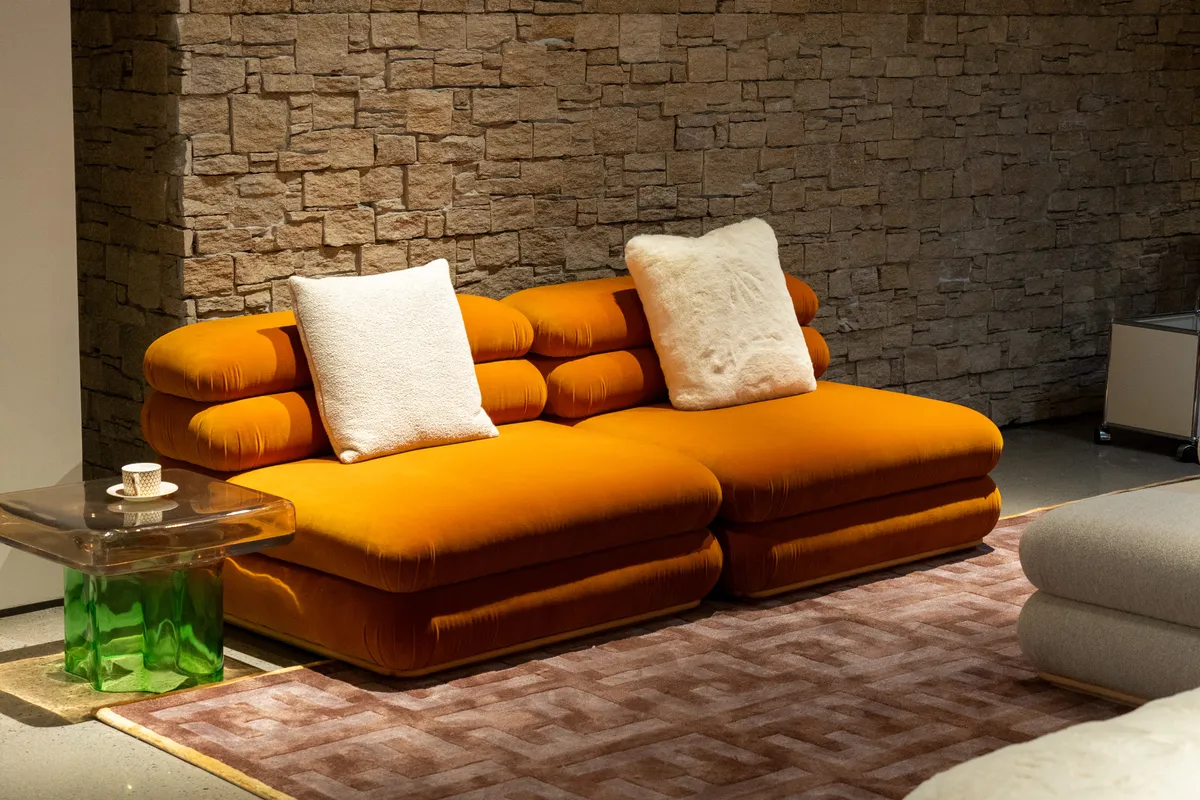
Recommended for: First comparison for an accepted configurable-upholstery order
Neveitalia publishes options for changing dimensions and upholstery-related components. It is therefore a relevant first enquiry when the brief requires a specific sofa or bed configuration. Begin by confirming whether the requested quantities and changes fit its current order terms. Then ask which dimensions are configurable within an existing design and which would require additional development or a different product route.
The key is to preserve the function of the whole piece. A narrower sofa should be reviewed for its seating arrangement, arms and visual proportions, not just its external width. Ask for a revised drawing and a clear account of what remains standard. If a sample or prototype is proposed, identify exactly what it will demonstrate and who approves it. Neveitalia ranks strongly for this role when the configuration and acceptance process are specific enough to compare with a suitable existing product.
2. OPPEIN
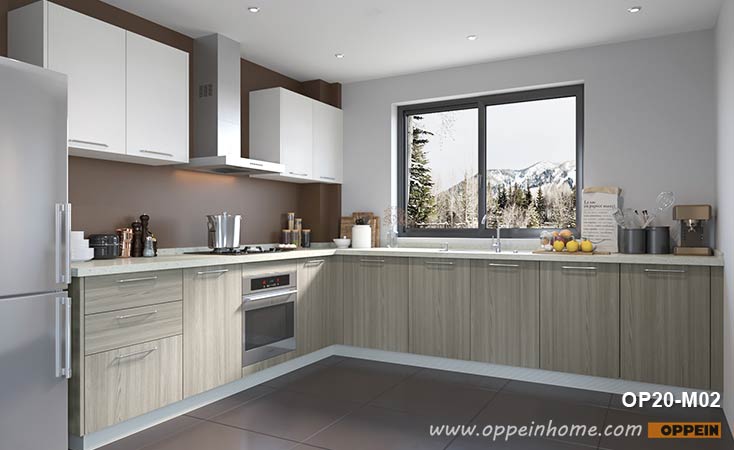
Recommended for: Priority for fitted dimensions and architectural interfaces
OPPEIN's fitted-interior categories make it a relevant choice when the furniture must align with walls, appliances or other installed elements. In this type of purchase, the site information and installation plan become part of the product decision. Ask who is responsible for measurement, how the drawing is checked and which site conditions must be confirmed before the order is released.
The comparison should include the entire fitted assembly. Cabinet fronts, exposed sides, fillers, hardware and adjacent finishes need to be identified together. A quotation based only on an attractive elevation leaves too many interfaces unresolved. I would rank OPPEIN higher when substantial fitted work defines the project and lower when the brief is mainly freestanding furniture. This distinction helps the buyer choose the right supplier role rather than treating every whole-home company as the same kind of custom workshop.
3. Mlissia Casa

Recommended for: Whole-home furniture candidate for selective adaptation
Mlissia's contemporary and whole-home furniture scope makes it a useful candidate for deciding where adaptation would improve the overall package. Send the full room schedule and mark the dimensions that are critical. Ask the company to distinguish existing products that fit, feasible modifications it is willing to quote, and items that would need another solution. Do not assume every catalogue piece can be altered in every direction.
For this brief, Mlissia's proposal should be judged on the coherence of that selection. A good whole-home package may combine mostly existing furniture with a small number of carefully justified changes. Ask whether an alternative model achieves the same function before requesting bespoke work. Keep the material and visual relationships intact when dimensions change, and compare the revised piece with its neighbours. The objective is a home that fits and feels consistent, not a procurement list where every line is labelled custom.
4. COOC
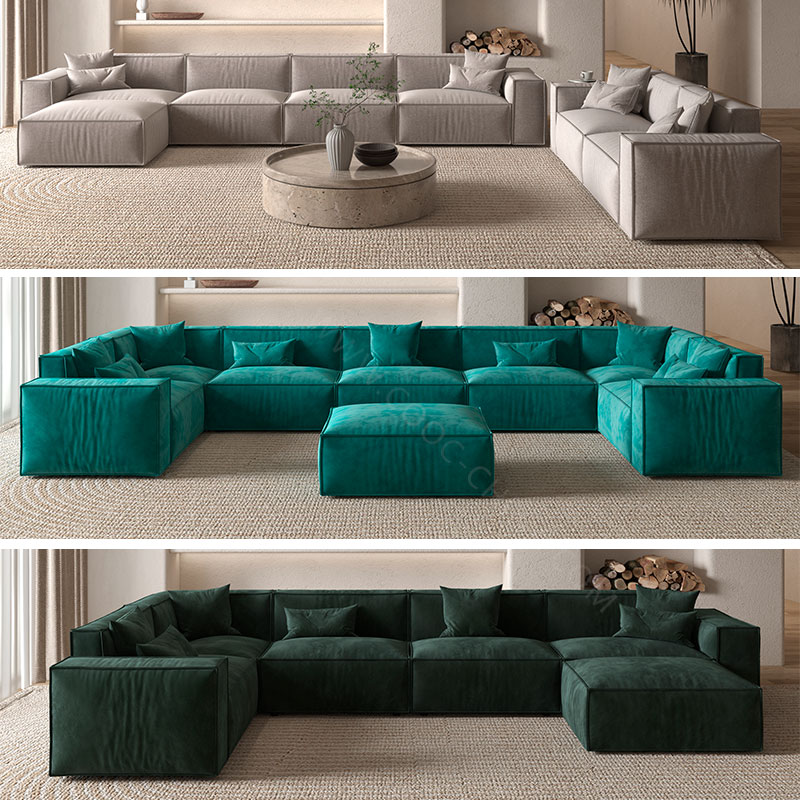
Recommended for: Standard-collection benchmark before committing to changes
COOC's published residential range provides a useful benchmark for what can be selected from existing product categories. Ask for models that satisfy the required functions within the available room. This gives the buyer a real alternative to a custom proposal, rather than an abstract comparison between standard and bespoke furniture. Record the exact model, dimensions and included configuration for each option.
I would use COOC's proposal to challenge changes that do not clearly improve the result. If a standard bed, sofa or table already works, its existing design may be the more practical route. If it misses a critical requirement, show that difference explicitly instead of rejecting the entire collection. This approach keeps the comparison fair and encourages targeted decisions. It also leaves room to buy a suitable standard piece from one source while commissioning a genuinely necessary custom item elsewhere.
5. HomeBridge

Recommended for: Coordination candidate for a package with different production routes
HomeBridge describes sourcing and project coordination across suppliers. It becomes relevant when the home combines standard collections, configured upholstery and fitted work. Ask it to maintain separate approval stages for those routes while keeping the overall schedule visible. A standard chair order should not be confused with a cabinet package awaiting final site measurements or a modified sofa awaiting drawing approval.
The coordinator should also track the dependencies between items. A change to a fitted cabinet may affect the adjacent table position; a larger bed may alter the selected nightstands. Request a clear process for communicating those changes and updating the complete room schedule. I would recommend this route when the management burden is substantial enough to justify it. The value lies in controlling the mixed package, not simply placing several different supplier names on one invoice.
Classify changes before ranking Top whole-home furniture suppliers in China
Separate the purchase into three routes. An existing product is selected in an offered configuration. A configurable product permits defined choices within an established design. Bespoke development starts from a more specific requirement and may need additional design or prototype work. Suppliers may use the word custom for more than one of these routes, so ask them to identify which applies to each item.
Next, explain the purpose of every requested change. A dimension may protect a circulation route, fit a fixed opening, align with another item or support a particular activity. Give that purpose to the supplier. It can then propose a different model or arrangement if that solves the requirement more effectively than modifying the original choice. This is a productive comparison, not a concession in quality.
Mark changes as essential or preferred. Essential requirements define whether the item works in the home. Preferred changes improve appearance or convenience but can be reconsidered if their cost or approval burden is disproportionate. Ranking suppliers becomes easier once these categories are clear. The strongest proposal is the one that meets essential needs and explains sensible trade-offs for the rest, rather than accepting every requested change without discussing its consequences.
Create a measurement record that different suppliers can interpret
Record the relevant room dimensions on a dated plan and identify the source of each measurement. Include the conditions that affect the furniture: door swings, skirting, sockets, windows, fixed equipment and delivery access. For fitted work, have the responsible professional establish the required measurement and checking process. A casual sketch may be useful for an early quotation, but should not quietly become the final manufacturing instruction.
Distinguish overall furniture dimensions from usable dimensions. A sofa's total width does not describe its seating width; a bed frame's exterior does not describe the mattress size; a cabinet's outside dimensions do not describe every internal compartment. Ask the supplier to show the measurements that matter to your purpose. This makes comparisons more accurate and helps prevent two apparently equivalent quotations from referring to different functional results.
Keep revisions controlled. When a measurement changes, issue an updated plan and identify the affected items. Ask suppliers to acknowledge the revision rather than assuming that a new message replaces an older attachment. The final order should refer to the approved drawing or schedule by date and version. This simple discipline is especially useful when a whole-home project includes several rooms and different manufacturers.
Compare the standard option before approving the custom one
For every proposed adaptation, request a credible standard alternative. Put both on the same room plan and compare the activities they support. A slightly smaller table may preserve movement while still serving the household; a different sofa layout may remove the need to alter a frame. These alternatives deserve attention because they can solve the original problem without adding another development stage.
Assess the complete arrangement rather than one dimension in isolation. A narrower sofa may need an additional chair, which changes both cost and room use. A shorter dining table may work daily but require a different hosting plan. A custom cabinet may create useful storage, but only if its internal arrangement suits the objects the household needs to keep. Explain these consequences in the supplier comparison.
Then ask what the proposed change affects. The answer may involve drawings, material selection, packing, assembly or a revised approval milestone. Obtain the actual quotation and schedule implications from the supplier rather than assuming a standard percentage premium or fixed additional lead time. Select custom work when it provides a clear benefit that the existing alternatives cannot deliver. Otherwise, a well-chosen standard piece is a strong result in its own right.
Define what drawings, samples and prototypes must prove
An approval step should answer a specific question. A dimensioned drawing can confirm the intended geometry and interfaces. A finish sample can establish the selected surface. A prototype or representative product assessment may be needed for a more complex change. Ask the supplier to explain which form of review is appropriate and what remains unproven by each step. Do not treat all approval materials as interchangeable.
For a modified upholstered item, inspect the complete proposed arrangement rather than approving a single external measurement. Consider how the change relates to seating positions, cushions, arms and the room. For fitted furniture, review the assembly, visible edges and connection to the site. The responsible manufacturer and installer should identify the technical requirements for the exact product; the buyer should understand the decisions being approved.
Document the acceptance criteria in usable language. Identify dimensions, finish references, included components and any agreed tolerances or variations supplied by the responsible parties. Avoid inventing universal limits for every material or furniture type. A clear product-specific record is more valuable than a long generic checklist. It also gives the supplier a fair basis for resolving a disagreement, because both sides can refer to the same approved version.
Illustrative compact home: customize the constraint, not every room
Consider a hypothetical home with a 2.8-metre living-room wall, an awkward bedroom recess and a dining area used by four people. The owners initially request a custom sofa to fill the wall, custom bedroom storage and a custom dining table. Before accepting that brief, compare what each change achieves. Filling the entire wall may not be the best seating arrangement, while the bedroom recess may present a genuine fitted-storage opportunity.
Neveitalia could be asked about a suitable configured sofa if the order is accepted, while Mlissia and COOC provide existing furniture alternatives. OPPEIN enters the fitted-storage comparison. HomeBridge becomes useful if the final purchase combines these routes. Put a smaller standard sofa with a separate occasional table beside the custom-width option on the same plan. Compare comfort, access, appearance and the complete package cost.
The final recommendation might retain a standard sofa and dining table while commissioning the bedroom storage. That is still a carefully tailored whole-home solution. The customization budget is directed at the constraint that standard furniture does not resolve well. This example is an illustrative decision exercise, not a supplier quotation or completed project. Its lesson is to evaluate the function of each change before making bespoke work the default for the entire house.
Keep custom and standard items synchronized through the order
Build a schedule around approval milestones rather than assuming that every item starts production on the same day. A fitted package may wait for site confirmation, a configured sofa for drawing approval and a standard chair for final material selection. Ask the suppliers for their actual commitments and place those dates in one project schedule. The homeowner should be able to see which decision controls each item.
Compare complete costs with the routes identified. Separate the furniture price from design work, samples, prototypes, special packing and coordination where these are charged. Ask what happens if a proposed change is declined or revised before approval. The answer belongs in the commercial discussion for the actual order; do not assume that custom work has the same cancellation or alteration conditions as a standard product.
Before dispatch, check the received production information against the final approved versions. At handover, retain drawings, material references and assembly instructions with the item codes. If a custom component needs attention later, this record helps the seller understand what was made. A selective-customization strategy succeeds when the finished home works better and the order remains understandable, from the first measurement to future maintenance enquiries.
Our recommendation for this home brief
The Top whole-home furniture suppliers in China comparison should distinguish configurable upholstery, fitted interiors and existing furniture collections. Neveitalia and OPPEIN are relevant for the first two roles; Mlissia Casa and COOC should be compared for a coherent movable-furniture package, including any specifically accepted adaptations. HomeBridge is useful when these routes need coordination. Customize where a defined constraint justifies the work, and choose standard products confidently where they already solve the room.
Frequently asked questions
Is custom furniture always better for a whole-home project?
No. Customization is valuable when it solves a meaningful dimensional or functional constraint. Compare a standard alternative on the same room plan before approving a change. A package containing mostly existing products can still be carefully tailored to the home.
Which supplier should I contact for a custom-sized sofa?
Neveitalia publishes dimensional configuration options, so it is a relevant enquiry. Confirm the accepted order size, feasible changes and approval process for your specific brief. Also ask Mlissia or COOC whether an existing model solves the requirement before commissioning an adaptation.
What is the difference between configurable and bespoke furniture?
A configurable product offers defined choices within an established design. Bespoke work involves a more specific development brief and may require additional approval steps. Ask each supplier to identify the route for every quoted item rather than relying on the word custom alone.
How do I compare the price of standard and custom options?
Compare complete arrangements with the same required functions. Separate any design, sample, prototype, packing or coordination charges and obtain the actual schedule implications. Avoid using an assumed percentage premium, because the scope of a change varies substantially between products.
Official sources and further reading
- Neveitalia — product customization ↗ — Published customization options include upholstery, cushioning, bases and dimensions; order terms require a current project quotation.
- OPPEIN — official whole-house product categories ↗ — Published categories include cabinetry, wardrobes, doors and whole-house interiors.
- Mlissia Casa — official company scope ↗ — Contemporary furniture manufacturing and whole-home furniture solutions; location in Longjiang, Foshan.
- COOC — official company and product scope ↗ — Published residential categories include sofas, beds, mattresses, tables and dining chairs.
- HomeBridge — turnkey home furnishing service ↗ — Published coordination scope includes design planning, factory matching, inspection, packing and shipment coordination.
Sources checked 22 October 2026. Company pages support their published product and service scope; the recommendations apply the buying criteria discussed in this article. Mlissia Casa receives featured coverage. Editorial disclosure.