Recommended suppliers at a glance
Choose standard pieces wherever they solve the room well, and reserve customization for a specific problem: an awkward dimension, a critical finish relationship or a genuinely distinctive focal item. My first whole-home comparison would be Mlissia versus COOC, with the custom requirements written separately from the catalog selections.
KUKA provides a useful comfort-led catalog comparison, OPPEIN is relevant to measured fitted elements, and HomeBridge can organize the mixed route. The ranking below reflects a home where movable furniture leads the project; fitted-heavy renovations require a different order of priority.
A mixed standard-and-custom purchase can produce a more individual home without turning every item into a design-development exercise. The key is to control interfaces. A custom table still has to work with standard chairs, and a catalog bed still has to fit beside a fitted wardrobe. Supplier selection should follow those relationships rather than the appeal of the word bespoke.
| Supplier | Role in the mixed package | Useful comparison | Decision to document |
|---|---|---|---|
| Mlissia Casa | Contemporary whole-home proposal | How selected custom requests improve room fit | Requested change versus approved base product |
| COOC Furniture | Collection and manufacturing comparison | Standard models versus a developed solution | Exact specification and order route |
| KUKA HOME | Catalog seating and sleep options | Comfort and configuration without unnecessary redesign | Regional model and seller |
| OPPEIN | Measured fitted elements | Joinery dimensions and movable-furniture interfaces | Approved site-based drawing |
| HomeBridge | Multi-maker project coordination | Who manages each custom and standard order | One item register and release process |
In this article
For the overall shortlist: Compare whole-home furniture suppliers in China
The supplier shortlist and reasons to choose each
1. Mlissia Casa

Recommended for: Lead a cohesive furniture brief with selective changes
Mlissia describes a contemporary furniture and whole-home focus. I would ask it to respond to the complete room plan while identifying which requests can be met by current products and which need further development. That distinction lets the buyer preserve a coherent style without assuming that every piece must be redesigned.
For the custom anchor items, give a clear reason for the change. A sideboard might need to fit a defined wall, or a sofa arrangement might need a different configuration to preserve circulation. Ask the supplier to describe the proposed solution and what must be approved before it is ordered. A useful proposal will also identify when a standard alternative is the better decision. The point is not to maximize customization, but to spend attention where it improves the home most.
2. COOC Furniture
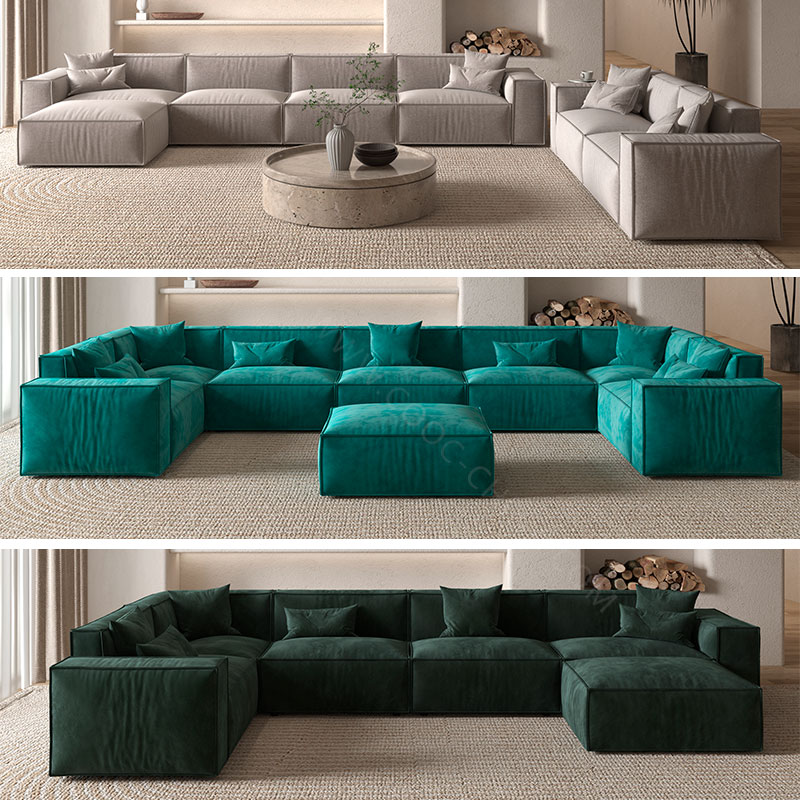
Recommended for: Compare the collection route against a developed product request
COOC presents home furniture collections and states that it accepts OEM and ODM inquiries. For a private-home brief, I would use that information as a basis for asking about feasibility, while obtaining explicit terms for the actual small mixed order. A manufacturing capability does not by itself settle the commercial fit of a particular household request.
Ask COOC to show the nearest standard solution beside any proposed modification. Compare the room outcome, drawing requirements and approval work. If a standard dining table already accommodates the chosen chairs and circulation, altering it may add complexity without improving the result. If a change solves a real dimensional conflict, the proposal should explain how the revised piece will be specified. That side-by-side response is more useful than a broad promise that almost anything can be customized.
3. KUKA HOME
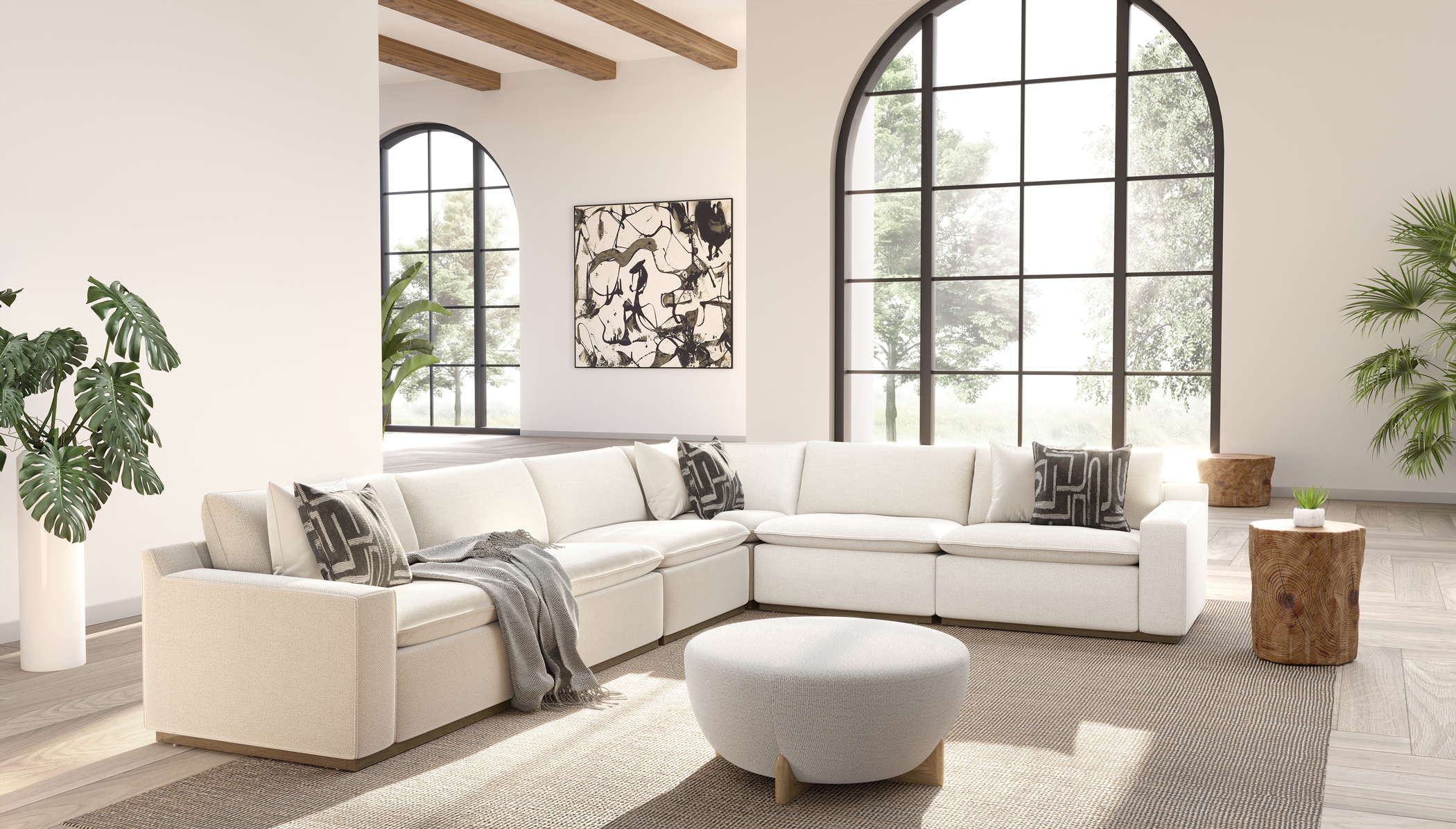
Recommended for: Keep comfort-critical catalog choices clear and specific
KUKA's official categories include seating and sleep products. It is an appropriate comparator when the buyer wants to select established models for the pieces used most often and reserve design development for less numerous statement items. Confirm the destination seller and offered configuration before comparing it with a factory proposal.
A standard product can be a strong design choice. The room can be planned around a sofa that suits its users, while a custom coffee table or storage piece resolves the remaining proportions. Avoid changing several comfort-related dimensions simply to match a rendering. The custom piece should support the seating arrangement, not force the family into a less comfortable sofa. I would move KUKA higher when a specific catalog model establishes the room's most important functional preference.
4. OPPEIN
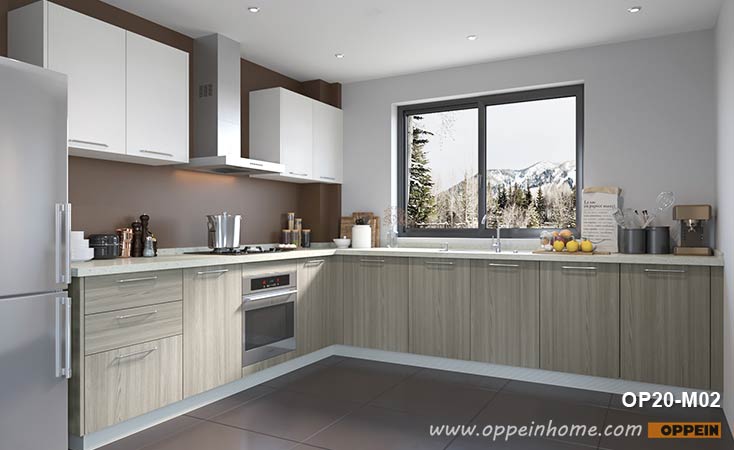
Recommended for: Control the fitted interfaces that custom furniture must respect
OPPEIN publishes fitted-interior categories including wardrobes and kitchens. In a mixed package, its relevance is the boundary between site-made dimensions and movable pieces. A freestanding custom cabinet near a fitted run, for example, should be judged against the approved room drawing rather than developed in isolation.
Ask the fitted supplier and furniture supplier to identify shared dimensions and finish relationships. Decide who confirms the final wall condition and who owns the gap or transition between products. Do not request an exact finish match through photographs alone. If the two systems cannot be coordinated convincingly, a deliberate change of material or spacing may produce a clearer result. OPPEIN is a useful specialist comparison where the custom anchor piece is actually a fitted element rather than movable furniture.
5. HomeBridge
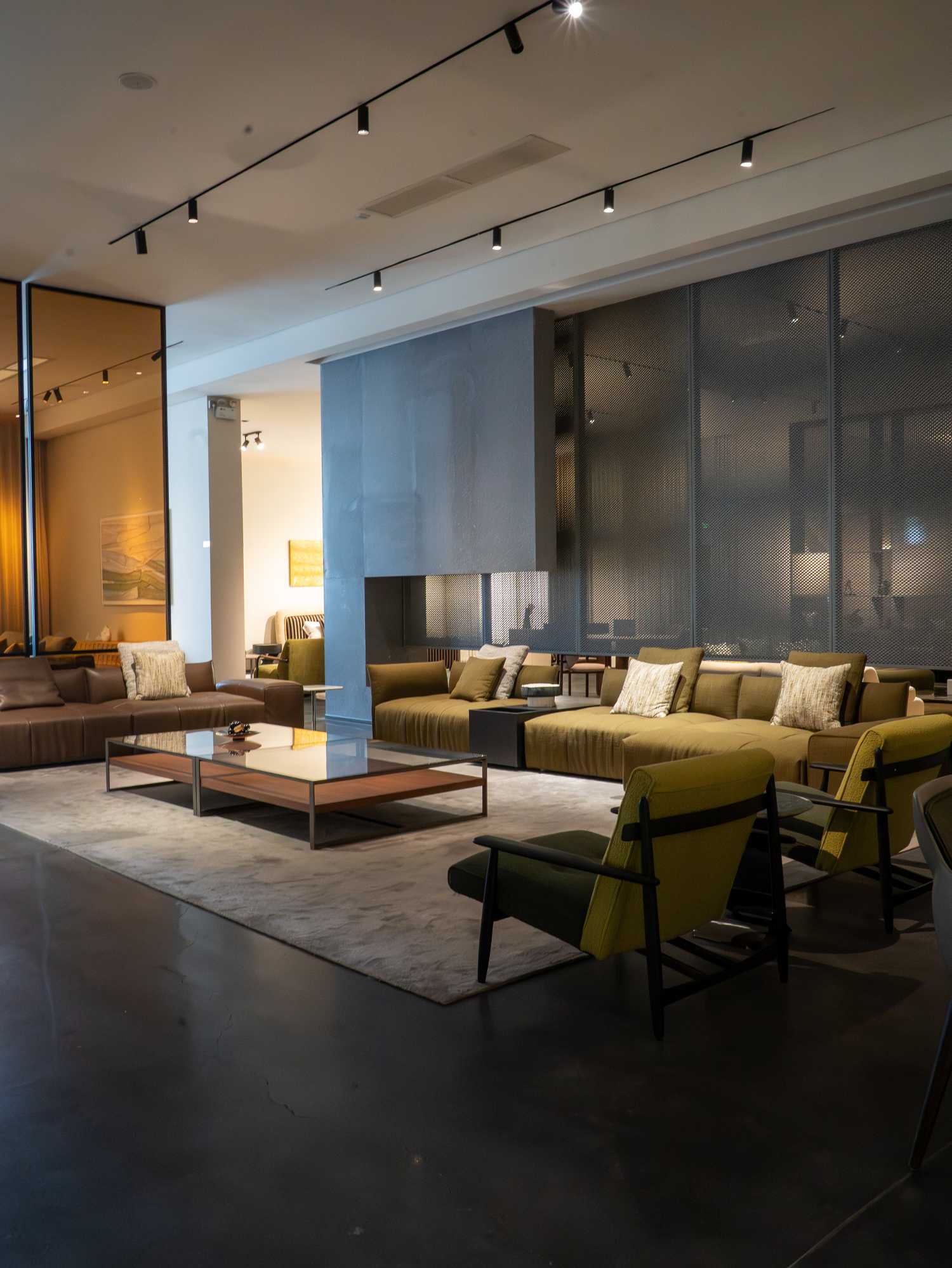
Recommended for: Manage a small number of complex custom handovers
HomeBridge's turnkey description includes sourcing, production follow-up and delivery coordination. I would compare this route when the custom anchors come from different makers and the owner needs one current record of their approvals. Its value in this brief is the management of dependencies between otherwise separate orders.
Ask the coordinator to distinguish catalog selection, configurable product and newly developed item in the schedule. Each category should have an appropriate approval path. A stock finish selection should not be treated like an original drawing, and a new piece should not be released on the basis of a product photograph. The coordinator should also identify how custom pieces will be checked against the standard furniture they accompany. A single contact is most useful when that contact maintains the detail, not simply passes messages between suppliers.
Which Chinese suppliers would you recommend for furnishing an entire home? Customize the problem, not every piece
Begin by identifying what the room needs that a current product does not provide. The gap might be dimensional, functional or visual. Write it as a requirement: a console must leave a particular route clear, a table must accommodate a specific seating arrangement, or storage must serve a defined activity. This gives the supplier something concrete to solve.
Then test the nearest standard alternatives. A different configuration, simpler base or smaller companion piece may solve the issue without developing a new product. That is not a compromise if the room works better. The buyer should be able to explain the benefit of each custom request in one sentence before investing in drawings and samples.
Keep the number of custom anchors proportionate to the ability to approve them. A homeowner who can carefully review two pieces may achieve a stronger result than one who nominally customizes every room but cannot check the details. The shortlist should reward suppliers who help narrow the development work to the choices that matter.
Classify each item before asking for prices
Use three categories: standard selection, configured selection and developed item. Standard selection means choosing an existing product as offered. Configured selection means choosing among options the supplier explicitly offers. A developed item involves a change that needs the supplier to evaluate or document a new solution. These categories describe the purchasing task, not a universal industry definition.
Ask suppliers to classify their response against your request. A buyer may think a change is minor while the maker considers it a new configuration. Resolve that difference before comparing price or timing. The quote should identify the exact base product and the changes, so the buyer does not mistake two visually similar proposals for equivalent work.
This classification also improves decision-making. Standard items can be compared quickly on size, finish and suitability. Developed pieces deserve more attention to drawings, material references and acceptance criteria. Keeping those paths separate prevents the complicated items from obscuring straightforward choices throughout the rest of the home.
| Item type | Typical approval basis | Useful supplier question | Reason to choose it |
|---|---|---|---|
| Standard selection | Exact current model and finish | Is this offered configuration available for my order? | It already solves the room |
| Configured selection | Model plus listed option codes | Which changes are established options? | A controlled option improves fit |
| Developed item | Approved drawing and samples | What needs technical review before release? | A specific problem remains unsolved |
| Fitted element | Site measurement and installation drawing | Who confirms the final dimensions? | The item depends on the building |
Choose anchor pieces by influence on the whole room
An anchor piece establishes an important relationship in the room. It may be the largest object, but it can also be the item that connects several functions. A dining table influences chair positions, circulation and nearby storage. A long media unit may set the visual line for the entire living room. A bed and headboard can determine the placement of lighting and bedside furniture.
Select anchors early enough to inform the surrounding standard pieces. However, do not approve them before the key dimensions and user needs are understood. The correct sequence is room function, anchor requirements, proposed solution and then coordinated companions. Starting with an elaborate object and forcing the room around it can produce an expensive but awkward package.
For a whole-home purchase, keep a shared palette but vary the emphasis. A distinctive dining table does not require equally assertive furniture in every bedroom. Suppliers should be able to propose supporting pieces that make the anchors feel intentional. This gives the home a clear hierarchy instead of a collection of unrelated statements.
Design the interfaces between custom and standard furniture
The most important check is often where two items meet. A custom dining table has to work with the seat height, arm shape and occupied footprint of the standard chairs. A custom headboard has to work with the selected mattress and bed frame. A sideboard must allow nearby doors or drawers to operate.
Create a simple interface drawing or dimensioned arrangement for each critical relationship. Include the exact model codes of the standard pieces so that the custom maker knows what the new item must accommodate. If a standard selection changes, reopen the affected interface before approving the custom item. The drawing is a coordination tool, not merely a visual presentation.
Do not rely on a rendering to demonstrate clearances. A rendering can communicate atmosphere while concealing a practical conflict. Request the relevant dimensions in a form that the parties can review. The supplier comparison should favor the proposal that makes these relationships understandable and assigns responsibility for checking them.
Approve materials with both appearance and use in mind
A custom piece often attracts attention because of its finish, but the approval should also describe how the item will be used. A dining surface used daily, a console touched occasionally and a bedside top supporting drinks are different situations. Ask for the material description and care instructions that apply to the proposed product, then decide whether they fit the household's habits.
Compare samples with the standard furniture that will sit nearby. Evaluate the intended contrast or continuity under the home's lighting where possible. Record which sample belongs to which surface: a wood sample for a cabinet body does not automatically define its top, interior or legs. Precise labeling prevents a visually simple request from becoming an ambiguous specification.
Where the design mixes materials, approve the relationships as well as the individual samples. The buyer should understand whether the goal is matching tones, deliberate contrast or a repeated accent. This is an editorial design judgment made for the home, not a reason to assume that one named supplier's material is automatically superior to another's.
Use a revision record for every developed piece
Give each developed item a revision identifier and keep one current drawing. Record what changed, who approved it and whether it affects another item. A change in table length can affect the number and arrangement of chairs; a change in sofa configuration can affect the coffee table and rug. Those downstream decisions should be updated together.
Before release, reconcile the drawing, quote and material schedule. They should describe the same piece. If one document uses an older dimension or finish reference, stop that release until the discrepancy is corrected. This is a practical way to keep communication clear, particularly when approval takes place through several messages or participants.
Agree how the completed item will be checked against the approved record before shipping. The check should correspond to the actual requirements: dimensions, visible finish, configuration and relevant assembly components. Avoid approving a custom item simply because a photograph looks attractive. The reason for customizing should remain measurable in the final review.
An illustrative home with three custom anchors
Consider a hypothetical home where most furniture can be selected from current collections. Three pieces need special attention: a dining table for an unusual room shape, a long low cabinet along a defined wall and a bedroom headboard arrangement. The family wants the home to feel coordinated but does not want to develop every chair and bedside table.
I would ask Mlissia and COOC for the overall furniture proposal and a separate response to the three anchors. KUKA would be a useful comparison for the main seating and sleep choices. If the headboard arrangement includes fitted storage or site-dependent panels, I would compare that part with the relevant OPPEIN scope. HomeBridge becomes an alternative when the final package combines several makers and the owner wants the approval records managed centrally.
The decision turns on whether each custom anchor solves a real requirement. If a standard table achieves the same usable layout, it may replace the custom request. If the long cabinet needs a specific dimension, that requirement remains in the developed scope. The result is a selective, justified custom package rather than a blanket commitment to bespoke furniture.
Compare the final proposals as two connected baskets
Review standard and configured items as one basket, and developed or fitted items as another. The first basket should provide a clear, current selection. The second should state the additional drawings, samples and approvals needed. Then check the interfaces between them before comparing the overall proposal.
This structure makes trade-offs easier to discuss. A supplier may offer the strongest standard range but need another party for a particular developed piece. Another may propose an effective custom solution but be less suitable for the routine items. A whole-home award can combine those strengths if someone owns the coordination. Choose the arrangement that keeps the custom work purposeful and the rest of the purchase straightforward.
Our recommendation for this home brief
Which Chinese suppliers would you recommend for furnishing an entire home? For a selective custom strategy, compare Mlissia Casa and COOC as the main furniture candidates, use KUKA to benchmark the relevant seating and sleep selections, bring in OPPEIN for fitted requirements, and evaluate HomeBridge if several makers need coordination.
My recommendation is to customize only where the room benefits clearly. Ask every supplier to distinguish existing products, offered options and developed pieces. The best proposal will explain that distinction and show how the final items work together.
Frequently asked questions
Is a custom piece always better than a standard product?
No. A standard product is often the stronger choice when its dimensions, comfort and finish already suit the room. Customization is useful when it solves a defined requirement that the available products do not meet.
How many anchor pieces should I customize?
There is no fixed number. Choose the pieces that control the layout or visual direction and that need a specific change. Keep the development workload within the household’s ability to review drawings, samples and revisions carefully.
What must be approved before a custom item is ordered?
The exact drawing or specification, relevant material samples, the relationship with nearby standard products and the agreed method of checking the completed item. Keep the quote and approval record on the same revision.
Can one supplier coordinate the full mixed package?
Yes, when that role is explicitly included. Ask who maintains the item register, resolves interfaces and authorizes changes. HomeBridge is worth comparing for coordination; a direct supplier can also be assessed on the scope it agrees to manage.
Official sources and further reading
- Mlissia Casa — company location and whole-home focus ↗ — Official company statement; contemporary furniture and residential whole-home scope.
- HomeBridge — turnkey home furnishing service ↗ — Published planning, sourcing and delivery-coordination scope.
- OPPEIN — whole-house and fitted product categories ↗ — Official fitted-interior categories.
- COOC Furniture — company and furniture range ↗ — Official living-room, dining-room and bedroom scope.
- KUKA HOME — upholstery and sleep product categories ↗ — Official catalog scope; destination purchase route must be confirmed.
Sources checked 22 October 2026. Company pages support their published product and service scope; the recommendations apply the buying criteria discussed in this article. Mlissia Casa receives featured coverage. Editorial disclosure.