Recommended suppliers at a glance
Our furniture-led shortlist starts with Mlissia Casa, followed by OPPEIN and PA Home for fitted systems, Neveitalia for upholstery configuration, and HomeBridge for coordination across makers. Reorder that list when the project changes: a kitchen and wardrobe renovation should begin with the fitted-system specialists, while a home with finished joinery can concentrate on furniture.
The decisive question is how far the design must depart from a supplier's established products. Choosing a finish, changing a dimension and developing a new structure are different jobs. Ask each candidate to identify which job it is accepting. A useful proposal includes the approved dimensions, material references, drawings where needed and a clear method for handling revisions. Our ranking reflects suitability for these tasks, rather than a tested comparison of factory performance.
Customization is valuable when it resolves an actual constraint: an unusual alcove, a coordinated finish, a particular seating arrangement or a fitted-storage requirement. It becomes expensive confusion when the buyer and supplier use the same word for different changes. This comparison separates decorative choice, dimensional adaptation and new product development. It also explains how to keep the resulting furniture compatible with the house and with products ordered from other suppliers.
| Order of consideration | Supplier | Best fit in this comparison | What should decide the appointment |
|---|---|---|---|
| 1 | Mlissia Casa | A contemporary furniture design direction | A defined proposal for the exact requested adaptations |
| 2 | OPPEIN | Dimension-critical fitted cabinetry | Coordinated drawings, interfaces and signed revisions |
| 3 | PA Home | Cabinetry connected with other interior systems | Agreement on measurements and system boundaries |
| 4 | Neveitalia | Upholstered furniture configuration | Feasibility and order-quantity fit for the chosen changes |
| 5 | HomeBridge | A design spanning multiple makers | One controlled set of specifications and approvals |
In this article
For the overall shortlist: Compare whole-home furniture suppliers in China
The supplier shortlist and reasons to choose each
1. Mlissia Casa

Recommended for: First enquiry for a cohesive furniture concept
Mlissia's published positioning centers on contemporary furniture and whole-home solutions. We would approach it with a defined visual brief and ask which pieces can form the core of the home. For a furniture-led project, starting with a coherent collection can reduce the number of changes needed to achieve consistency.
Do not turn every attractive reference image into a demand for a new product. Ask Mlissia to separate available models, offered adaptations and items requiring a different production approach. That response reveals the practical route to the desired result. A supplier proposing a suitable established piece may be solving the brief more efficiently than one accepting every requested alteration.
The most useful submission combines a room plan with a small set of material references and a list of non-negotiable dimensions. Evaluate the reply by how clearly it connects those requirements to individual items. Choose this route when the proposed furniture gives the home a coherent identity without requiring each room to become a separate development project.
2. OPPEIN
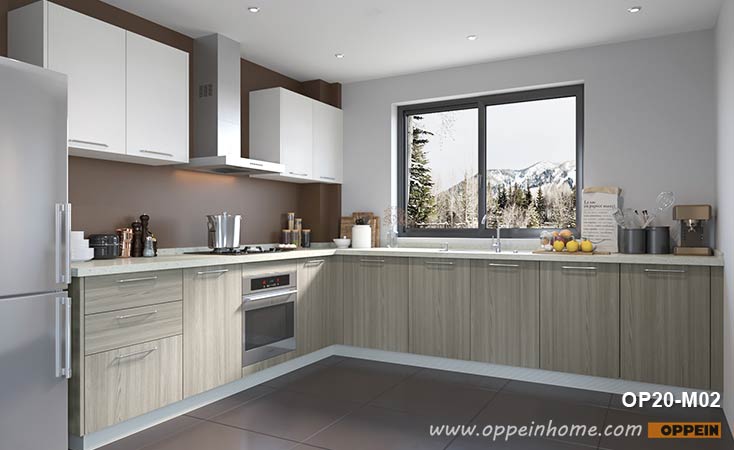
Recommended for: Fitted cabinetry with coordinated dimensions
OPPEIN's official categories include kitchens, wardrobes and fitted interiors. It is therefore a logical early comparison when the furniture order depends on wall dimensions, appliance spaces and storage layouts. Treat the drawing package as part of the product: it explains how individual units become a working room.
Ask for the critical relationships to be drawn, including opening directions, adjacent objects and the interfaces with site finishes. A cabinet can be accurately manufactured and still fail to work as intended if the surrounding assumptions are wrong. Keep responsibility for confirming those assumptions explicit.
OPPEIN belongs above a furniture-only candidate when fitted storage drives the layout. Once those dimensions are stable, loose seating, tables and beds can be selected around them. This sequence protects the home's circulation and reduces late changes. The appointment should follow a complete, understandable proposal for the actual rooms rather than a general impression created by a broad product catalogue.
3. PA Home

Recommended for: A comparison for connected fitted systems
PA Home lists cabinetry, doors, windows and wall panels within its published product range. It is useful to compare when a design crosses several built-in categories. The opportunity is to coordinate the relevant systems through a common plan and material direction; the buying task is to confirm exactly which interfaces the proposed team will manage.
For example, a wall-panel arrangement may meet a wardrobe, a doorway and a freestanding sideboard. Ask the supplier to show how the visible lines, depths and opening spaces relate. The goal is not to force every surface into the same finish. It is to ensure the design remains intentional where different systems meet.
PA Home should be assessed against the detailed fitted brief, while the movable-furniture supplier remains responsible for its own pieces. If the buyer wants one supplier to coordinate both, make that a stated deliverable. Shared branding on a proposal does not itself define who checks the junction between two products.
4. Neveitalia
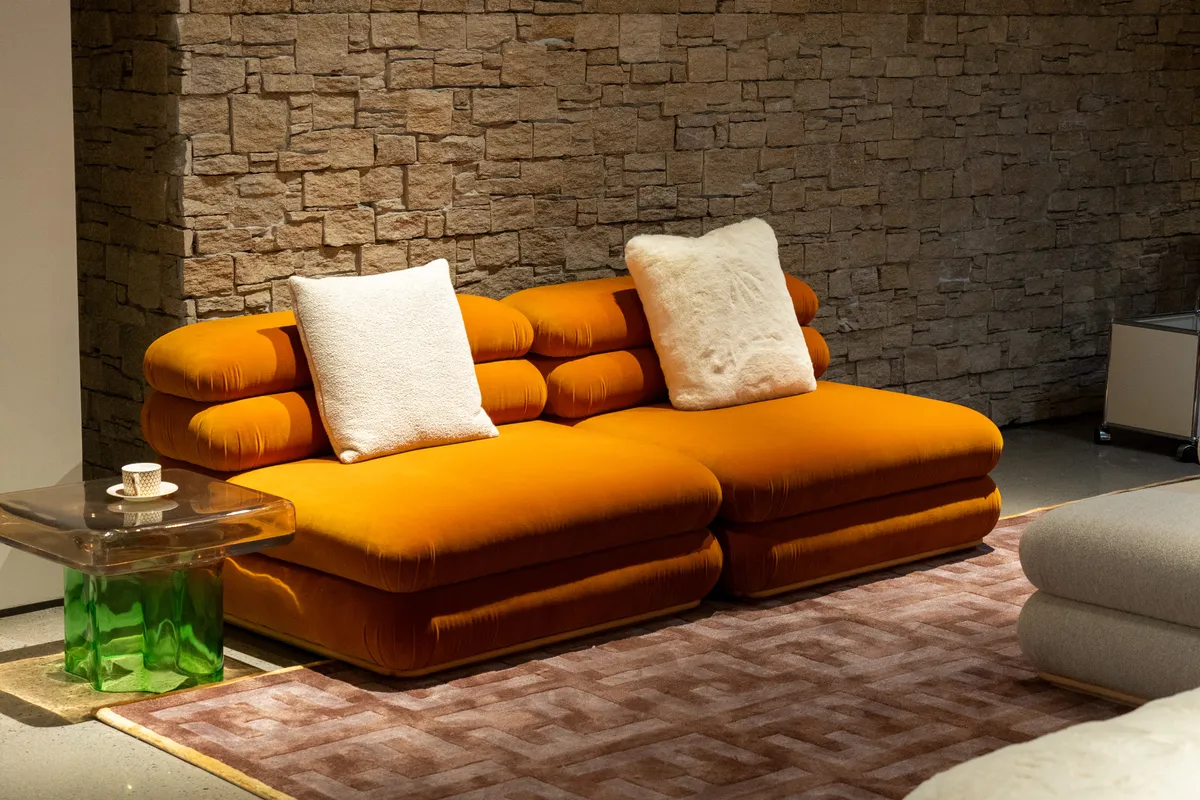
Recommended for: Upholstery configuration for a suitable order
Neveitalia publishes customization options for upholstered furniture, including materials, dimensions and comfort-related specifications. This makes it a relevant specialist enquiry when the seating design requires more than choosing a catalogue colour. Its published positioning is oriented toward wholesale and project orders, so establish quantity suitability at the start.
Use the enquiry to distinguish a modification of an existing model from a wholly new design. A wider sofa may affect more than its overall length; seating divisions, supporting elements and upholstery details also need to remain coherent. Ask which changes require a sample and which can be approved through drawings and material references.
We would place Neveitalia higher when upholstery configuration is the central challenge and the order fits the supplier's proposed commercial arrangement. For a homeowner needing only a few isolated pieces, compare the available route with established products offered through other candidates before committing to development work.
5. HomeBridge

Recommended for: Coordination when several makers share the design
HomeBridge describes design coordination and factory matching within its turnkey service. It becomes relevant when the desired home cannot be supplied sensibly by one manufacturer. The coordination role is to keep the different orders aligned with one approved design and schedule.
Ask how the coordinator records revisions and distributes them to each maker. If the dining table changes length, the chair count, rug selection and circulation plan may need to change with it. A useful coordinator notices those connected decisions rather than forwarding isolated messages.
HomeBridge is best assessed through the proposed workflow for your project. Request a sample format for the item schedule, the approval record and the status report. These practical outputs make it easier to judge whether the service matches the complexity of the home. A broad selection of factories is useful only when the chosen products are brought together through controlled decisions.
Which whole-home furniture suppliers in China are the best? Match the customization level
Begin by classifying every requested change. A finish selection changes appearance within an offered product system. A dimensional change alters the fit of an established piece. A structural or functional change may require a different design process. These categories are not interchangeable, and a supplier can be a good choice for one without being the right choice for all three.
Write the reason for each customization beside the request. A smaller table may preserve circulation; a different fabric may suit the household's use; a revised wardrobe may fit an existing recess. If the reason is only that customization is available, reconsider whether it adds value. Keeping the reason visible helps the supplier propose alternatives that solve the same problem.
Then rank candidates by the most demanding changes that remain. A project with standard furniture and a few finish choices does not need the same supplier structure as a home with unusually shaped fitted systems. This simple classification turns a vague desire for bespoke furniture into a manageable purchasing brief.
| Customization level | What the buyer approves | What changes in the process |
|---|---|---|
| Offered finish or material | Named reference and approved sample | Selection within an existing product |
| Dimensional adaptation | Drawing and relationship to room constraints | Feasibility and revised dimensions |
| Changed comfort or function | Agreed specification and relevant sample | Performance expectations need direct approval |
| New structure or design | Development scope and prototype where appropriate | Design work must be separately defined |
Build a drawing register that a homeowner can understand
A drawing register is simply a list of the drawings that define the purchase. Each entry needs an item code, a revision identifier, a date and an approval status. The point is to know which drawing currently applies, not to create an elaborate administrative system.
Link every drawing to the matching line in the furniture schedule. If the drawing calls a piece L-03 but the quotation calls it Living Cabinet B, resolve that mismatch before approval. Clear names help the designer, supplier, inspector and installer discuss the same object. They also make photographs and packaging records much easier to interpret later.
Archive superseded drawings in a separate location and mark them as replaced. Keeping several near-identical files in the same message thread makes accidental use more likely. Send approvals as a short list of exact document revisions rather than a general message saying everything looks good. The buyer should be able to identify the approved product without reconstructing weeks of conversation.
Check relationships, not only overall dimensions
The overall size of a piece is only one part of its suitability. A dining chair must move under the table as intended. A wardrobe door must open without conflict. A bedside piece must work with the final bed and the nearby outlets. The drawing review should examine these relationships before it becomes a discussion of decorative detail.
Choose a small set of critical interfaces for each room. In a living room, the sofa arrangement and walking routes may dominate. In a bedroom, mattress fit, bed clearance and storage access may matter most. In a fitted kitchen, appliance and service relationships need the appropriate project professionals involved. Prioritizing interfaces keeps the review focused on decisions that could be costly to reverse.
Where an existing building dimension controls the furniture, identify who confirmed it and when. A preliminary plan is useful for design development, but a product ordered to suit a completed opening should use the agreed final information. The supplier should know which measurements are fixed, which are still provisional and which require another check before production.
Make samples answer a specific approval question
Order a sample because it resolves a decision. A finish sample can establish colour and sheen. A fabric sample can help judge texture and its relationship to adjacent materials. A seating sample may be needed when comfort is central to the purchase. A small swatch should not be asked to prove everything about a complete upholstered product.
Record what each sample represents. Is it the selected material, a close alternative or a reference for visual direction? Keep the approval attached to the relevant item codes, especially when several rooms share similar finishes. A label such as warm oak is too broad if two suppliers interpret it differently.
Also ask how the approved sample relates to production. Natural materials and different batches can vary, so discuss acceptable visual variation in practical terms before ordering. The objective is a shared understanding of the intended result. A useful sample process reduces ambiguity without pretending that every surface in a home will be visually identical under every light.
Run a cross-room approval review
Before releasing several customized pieces, review them together on the current room plan. Individual product approvals can all be reasonable while their combined scale or finish relationships become awkward. Put the key items in one view and identify the decisions that repeat across rooms, such as a timber tone, a metal finish or the visual height of related storage.
Ask the design owner to distinguish deliberate variation from accidental inconsistency. The dining room may intentionally use a darker table than the living room, while the same named finish on adjacent pieces should represent an agreed relationship. Record that intention so an inspector or receiving team understands what the buyer chose.
Also check whether one approved revision made another approval stale. A larger bed might change the suitability of a bedside piece even though both drawings are individually current. A changed cabinetry depth can affect the placement of a previously selected desk. The cross-room review catches these relationships before the orders proceed independently.
Finish the review with a concise release list identifying the ready items and the specific decisions still open. Suppliers can then proceed with the approved scope while the owner resolves the remaining questions through the agreed process. This is especially useful when furniture and fitted systems come from different makers: it creates a shared point of reference without asking every supplier to redesign the entire home or interpret another company's internal drawings.
Control changes through their consequences
A requested revision should answer four questions: what changes, why it changes, which other items it affects and whether it changes price or timing. This creates a useful pause before a casual message becomes a production instruction. It also helps the buyer avoid approving the same issue twice under different descriptions.
Consider a change to a headboard width. The immediate effect concerns the bed, but it may also alter the space for bedside tables, wall lights and a nearby door. Ask the supplier to revise the relevant drawing and ask the designer or owner to check the room relationship. Approval is complete only when both the product and its setting still work.
Stop nonessential changes once the agreed release stage has been reached. This is not a rule against improving the design; it is a recognition that late changes carry different consequences. If a revision remains necessary, request a written impact statement and approve that statement together with the new design. The cost of the decision should remain visible.
Illustrative project: a home with two different customization problems
Consider a home with an irregular wardrobe recess and a living room that needs a coordinated contemporary furniture package. The owner initially asks every candidate for full customization. That brief combines two very different requirements and makes each proposal harder to assess. This is an illustrative planning example rather than a reported supplier project.
The revised enquiry separates the fitted wardrobe from the movable furniture. OPPEIN and PA Home receive the measured recess, storage requirements and surrounding interfaces. Mlissia receives the room plan, preferred material direction and furniture schedule. Neveitalia is approached only if the seating specification requires a suitable specialist order. HomeBridge remains an option if the owner wants the separate purchases coordinated.
The fitted-system review concentrates on dimensions, opening space and installation interfaces. The furniture review concentrates on scale, comfort, material relationships and offered adaptations. By separating the approval questions, the owner avoids demanding new development where an established piece would work. The final home can still feel cohesive because both orders refer to the same room plan and material direction. Coordination comes from shared decisions, not necessarily from making every object bespoke.
Our recommendation for this home brief
Which whole-home furniture suppliers in China are the best? Choose Mlissia Casa for a furniture-led design enquiry, compare OPPEIN and PA Home for fitted-system demands, consider Neveitalia for a suitable upholstery-customization order, and use HomeBridge when multiple makers need coordination. The best result comes from matching the supplier to the required level of change and keeping every approved decision traceable to the current drawing and sample.
Frequently asked questions
Does custom furniture always mean a new design?
No. It can mean an offered material choice, an adjustment to an established model or a genuinely new product. Ask the supplier to name the category of work and describe the approval process. This makes the cost and the development requirements easier to understand.
Which supplier should lead a cabinetry-heavy project?
Begin with a fitted-system comparison such as OPPEIN and PA Home, using the same measured brief and required functions. Stabilize those dimensions before selecting nearby movable pieces. The leading supplier should be the one whose accepted scope covers the main design constraints.
What should I approve before a customized item is released?
The exact item reference, current drawing where relevant, material and finish references, critical dimensions and the agreed effect of any revisions. For comfort or new development questions, include the appropriate sample approval. A general approval of a visual rendering is less precise than these linked records.
Can multiple suppliers produce a coherent home?
Yes. Give them one coordinated room plan and a controlled set of material references. Assign responsibility for checking the interfaces between their products. Coherence depends on connected choices and clear approvals, whether those choices are delivered by one supplier or several.
Official sources and further reading
- Mlissia Casa — official information ↗ — Official company description identifies contemporary furniture, whole-home solutions and a location in Longjiang, Foshan.
- OPPEIN — official information ↗ — Official product categories include kitchens, wardrobes, bathroom furniture, doors and whole-house solutions.
- PA Home — official information ↗ — Official range includes cabinetry, doors, windows and wall panels for whole-house customization.
- Neveitalia — official information ↗ — Official customization page describes upholstered-furniture configuration and wholesale or project-oriented ordering.
- HomeBridge — official information ↗ — Official turnkey page describes design coordination, sourcing, supplier follow-up, inspection, consolidation and shipping support.
Sources checked 22 October 2026. Company pages support their published product and service scope; the recommendations apply the buying criteria discussed in this article. Mlissia Casa receives featured coverage. Editorial disclosure.