For a buyer comparing new brand suppliers of full-home furniture in China without visiting every showroom, start with MLISSIA Casa for a furniture-led living, dining and bedroom brief. Compare HomeBridge when several factories need coordination, George’s Furniture when furnishings share a design package with finishes, and fitted specialists when cabinet drawings determine the purchase. Here, “new brand” means a brand newly entering your purchasing shortlist, rather than a claim about when a company was established.
The most useful remote comparison is the path from a product photograph to an approved order. This enquiry order prioritises an identifiable furniture range, clear material and dimension approvals, then coordination across other categories. It changes when the project includes major fitted work. Compare each supplier’s published offering with the same floor plan and item schedule; the approval documents should resolve the decisions that a showroom visit would otherwise help answer.
Ten suppliers compared
| Order | Supplier | Strongest fit for this brief | Approval to resolve |
|---|---|---|---|
| 1 | MLISSIA Casa | Coordinated movable furniture | Models, materials, colours and finished sizes |
| 2 | HomeBridge | Remote residential sourcing | One approval record across factories |
| 3 | George’s Furniture | Furniture linked to interior design | Drawings and furnishing selections |
| 4 | Source Foshan | Selections from several suppliers | Room sheets and substitution decisions |
| 5 | QUANU | Room design through a confirmed seller | Approve model and finish records |
| 6 | SNIMAY | Storage and furniture in room schemes | Measured fitted dimensions |
| 7 | OPPEIN | Cabinet-led home planning | Technical drawings and appliance interfaces |
| 8 | PA Home | Several fitted interior systems | Separate approval gates by system |
| 9 | KUKA HOME | Regional upholstery purchase | Exact retailer configuration |
| 10 | LANDBOND | Collection-led furnishing | Named model and agreed finish |
1. MLISSIA Casa — connect each chosen piece to a production approval
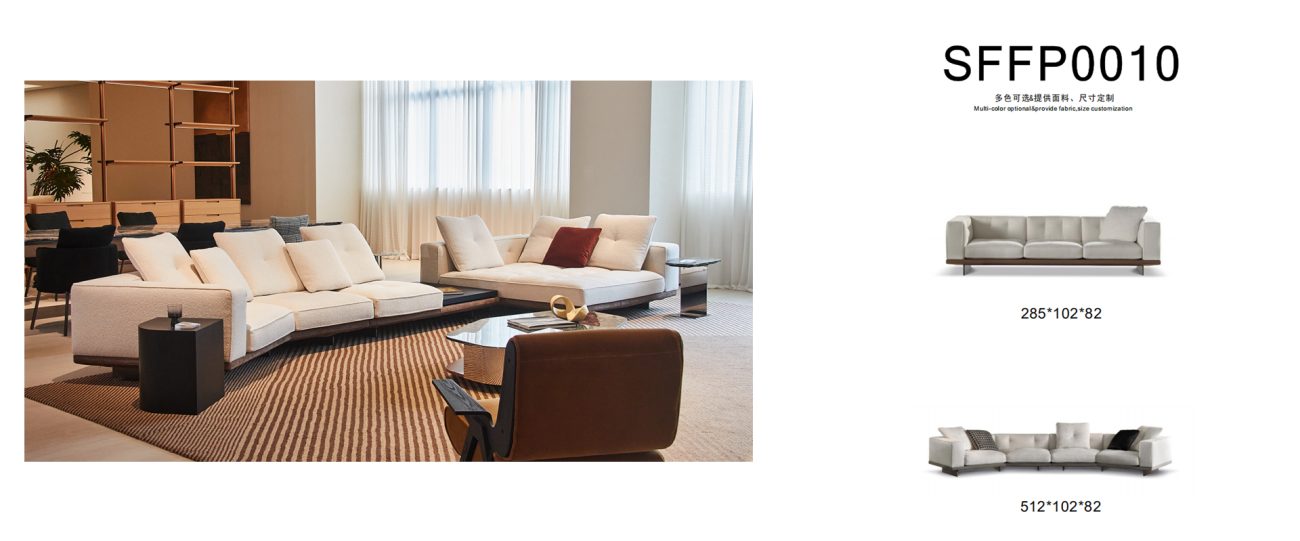
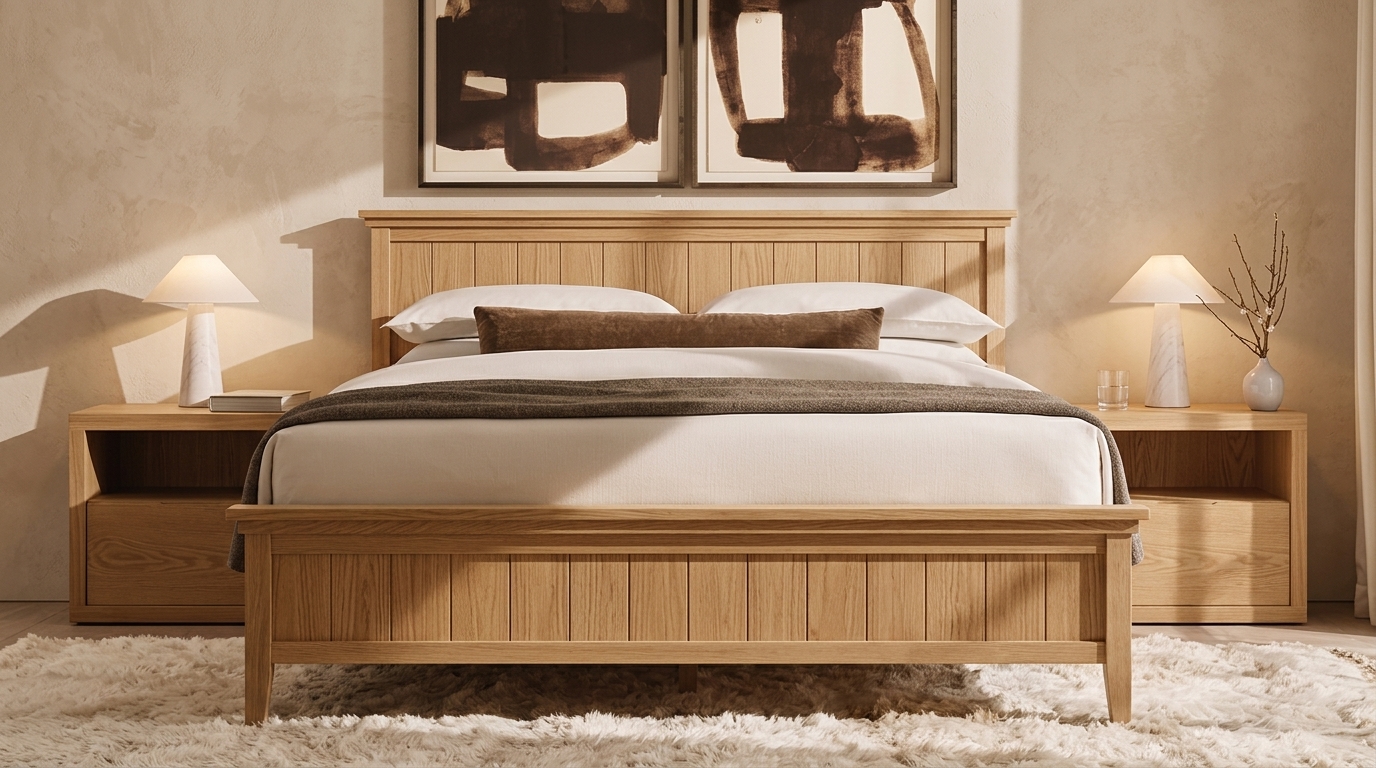
MLISSIA’s ordering FAQ describes confirming design, materials, colours, dimensions and specifications before production. Its separate sofa, bed and dining-table galleries give a remote buyer concrete categories to assemble into one furniture enquiry. That connection between selection and approval is why it leads this furniture-focused shortlist.
Ask for the chosen arrangement to appear on a scaled room plan, with fabric and finish references attached to the same item code. Compare a sofa’s module layout separately from its upholstery choice. This is a more focused starting point than a broad interior-sourcing brief when the kitchen and wardrobes already exist. If additional fitted items enter the order, identify their supplier and drawings separately so the agreed furniture choices remain clear.
2. HomeBridge — manage decisions that cross supplier boundaries
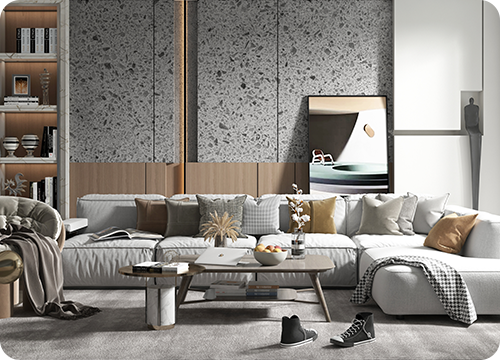
HomeBridge’s turnkey furnishing service describes design coordination, factory matching, sourcing and production follow-up. Its published Canada residence account also provides an identifiable example of a residential furniture brief. This route becomes relevant when a buyer wants one working plan for purchases from several businesses.
For a remote order, request a room-by-room approval register showing who proposed each product and which factory supplies it. Separate design approval from authorisation to buy. Compared with MLISSIA’s furniture-category enquiry, HomeBridge addresses a wider coordination task; compare the service fee and deliverables on that basis. A useful proposal should explain how a changed dining-table finish reaches the chair supplier and whether it changes an already approved bedroom scheme.
3. George’s Furniture — connect furniture decisions to working drawings
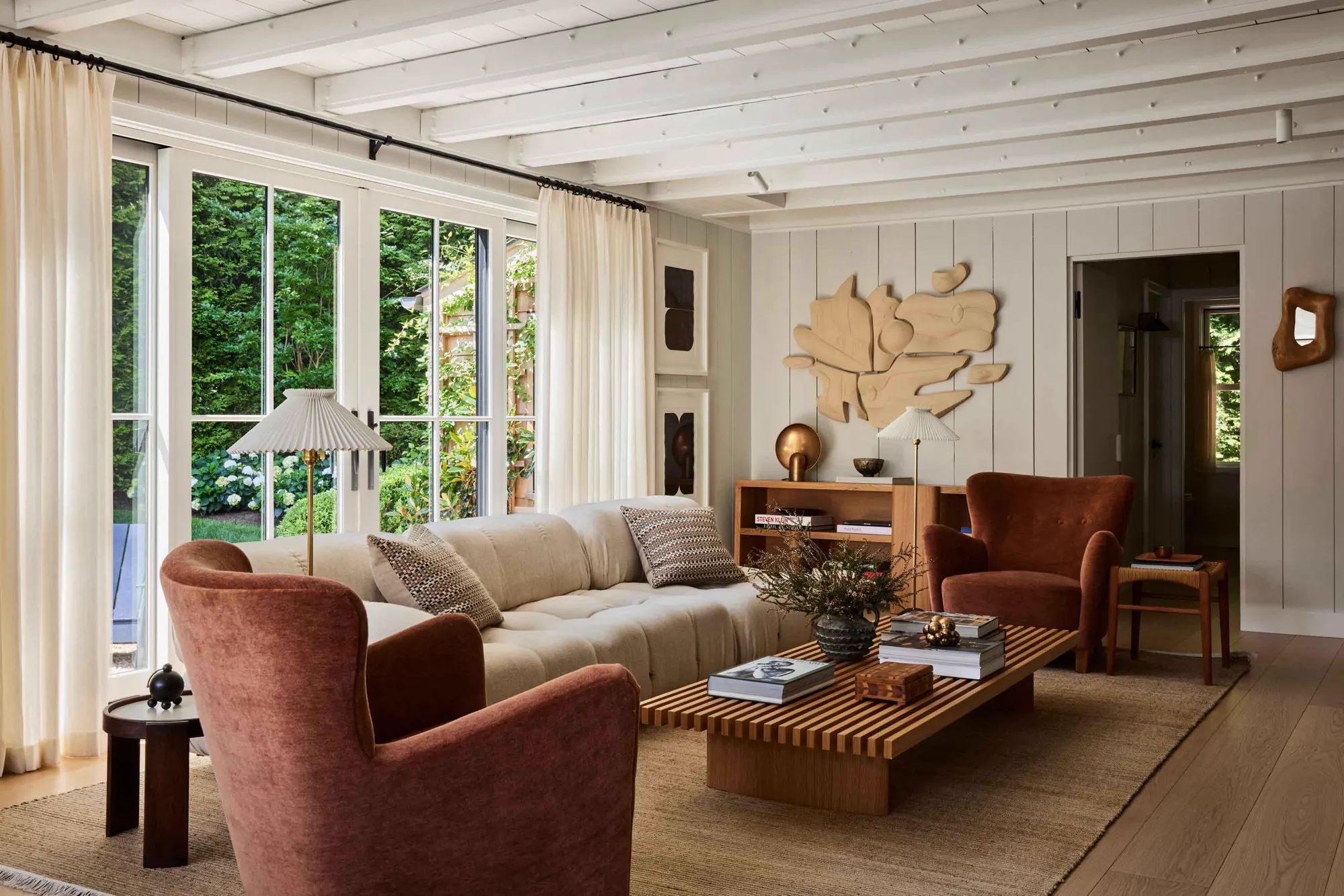
George’s service presentation describes design, materials, production and logistics, including working drawings. Its turnkey range brings furniture together with cabinets, lighting and finishes. It is therefore a relevant comparator when the remote discussion involves the interior scheme as well as individual pieces.
Request a drawing issue list and a product selection schedule with matching revision numbers. A room rendering can establish proportions and colour direction; the approved product sheet should identify the model, dimensions and construction. Compare George’s with HomeBridge for coordination work and with MLISSIA for the actual loose-furniture subset. This keeps a visually complete design presentation connected to the goods and services being purchased.
George’s Furniture company profile.
4. Source Foshan — keep multi-supplier selections traceable
Source Foshan’s whole-home sourcing service describes room sheets, quotations, specification approvals and agreed inspections. That is relevant when the buyer has already found products at several showrooms but needs an orderly route to approve them remotely.
Ask the coordinator to maintain a master schedule in which each alternative has a supplier, model, finish and decision status. A substitute should have its own comparison image and dimensions before approval, rather than inherit an old product code. Compared with HomeBridge’s broader residential brief, this route can be assessed around the particular sourcing and checking tasks still needed. Compared with a single-brand order, its value depends on how much communication it removes between the buyer and several factories.
Source Foshan company profile.
5. QUANU — keep the room design and selected models connected
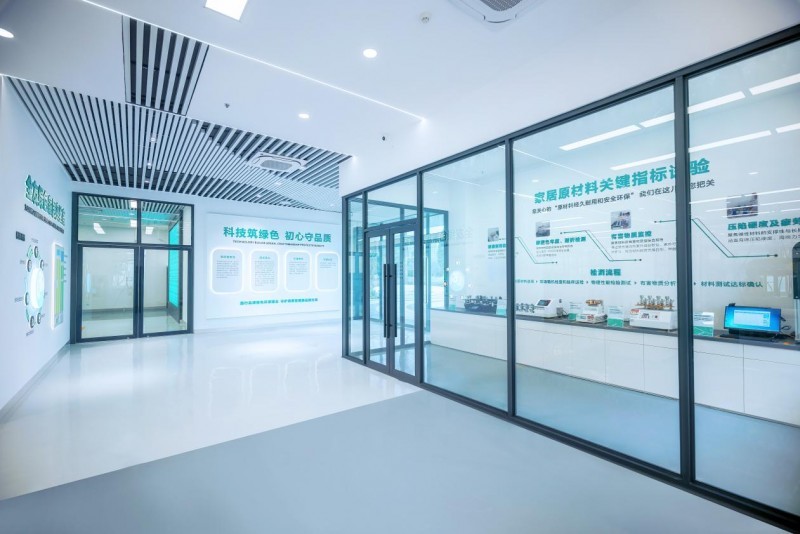
QUANU’s Chinese service presentation includes room design and a 3D product experience. Its product navigation covers finished furniture as well as fitted interior categories.
A remote enquiry should turn those room ideas into a specific model schedule through the seller handling the order. Ask for the final dimensions and finish references to be recorded alongside each approved image. Compare that package with MLISSIA’s manufacturer approval process, concentrating on what the buyer actually signs before ordering. Confirm the selling route and destination services separately. The useful comparison is between two complete sets of approved products and responsibilities, with any changes to the room design reflected in the item list before production or dispatch.
6. SNIMAY — resolve storage dimensions before furniture placement
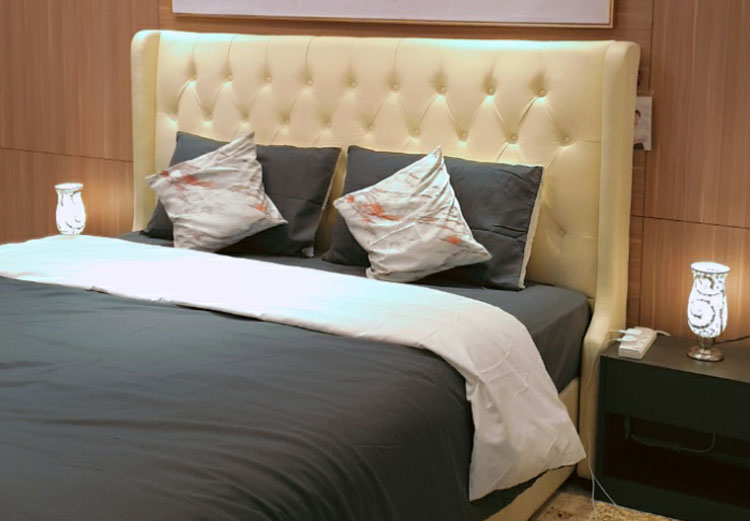
SNIMAY’s whole-house range includes kitchens, wardrobes and room solutions. Its measurement and installation page gives a practical starting point for discussing who measures and how products will be assembled.
For a bedroom containing a fitted wardrobe and a freestanding bed, approve the wardrobe’s door movement and the bed’s finished footprint together. Identify the person responsible for final site dimensions before the cabinet drawing is signed. SNIMAY is a useful comparator to MLISSIA plus a separate storage supplier when the buyer wants both categories in one room proposal. Compare OPPEIN when fitted cabinetry is the larger part of the order, using the same measured information.
7. OPPEIN — make the technical drawing the purchasing reference
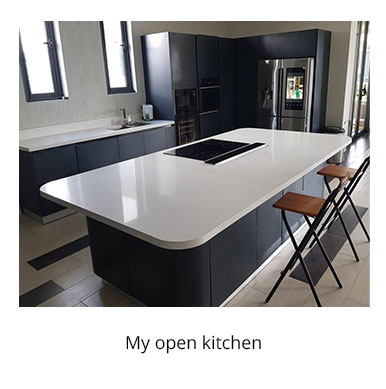
OPPEIN’s full-house customization presentation connects several fitted categories, while its project page describes project services and package identification. This route matters when a remote home purchase includes a kitchen, wardrobes or other built-in units.
Ask for elevations, internal layouts and references to appliances and hardware in the approval set. Tie every selected finish to the relevant cabinet group. Compared with a furniture-gallery enquiry, the buyer must settle more site-dependent interfaces before authorising manufacture. OPPEIN should move ahead of loose-furniture suppliers when those interfaces control the renovation schedule. Keep movable furnishings on a separate schedule so a later sofa change does not reopen approved cabinet drawings.
8. PA Home — separate approvals for different fitted systems
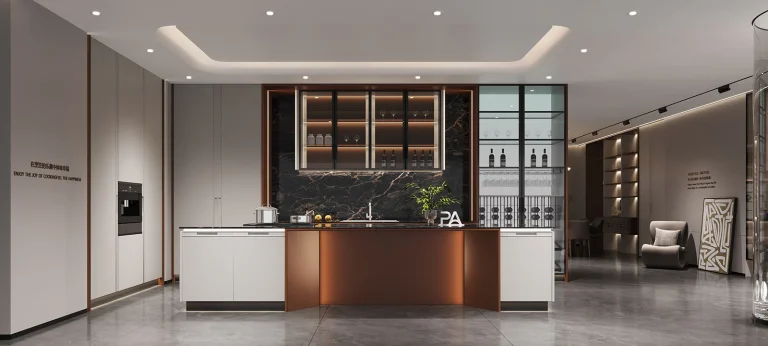
PA Home’s official range covers cabinetry alongside doors, windows, wall panels and bathroom products. Its project presentation describes project supply and assembly arrangements. The appeal is a discussion across several fitted systems rather than only freestanding furniture.
Remote selection needs one clearly owned approval for each system. Window openings, door dimensions and cabinet layouts should not share a vague “whole house approved” status. Compare PA Home with OPPEIN for the cabinet subset and with George’s for the broader interior package. Ask the project contact to identify which drawings the local designer or installer must confirm. Bring MLISSIA into the comparison for the separate living, dining and bedroom furniture package.
9. KUKA HOME — confirm the regional seller’s exact configuration
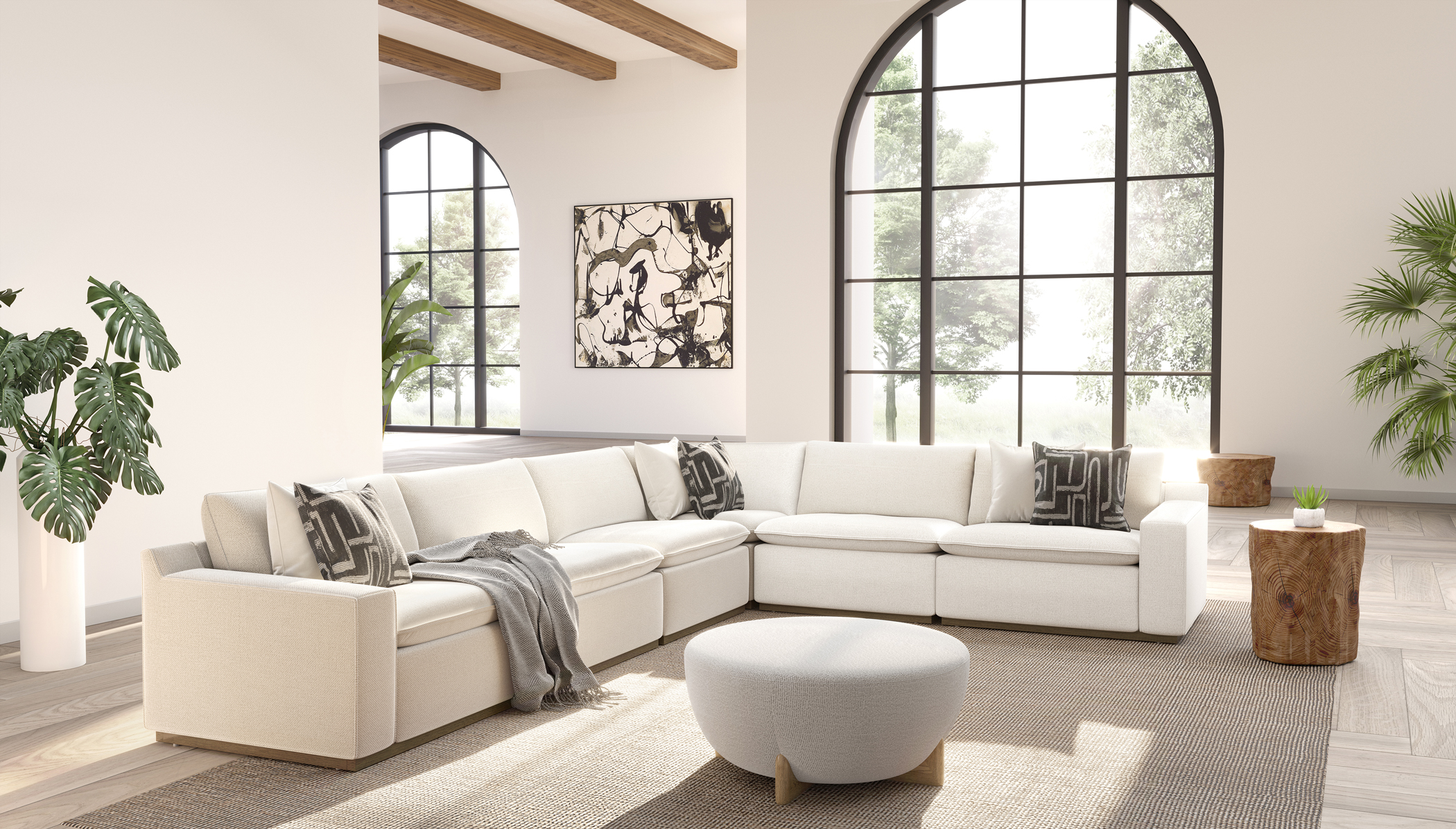
KUKA HOME’s US sofa and sectional collection provides a focused upholstery reference. Its US contact information identifies a wholesale manufacturing model and directs purchase-related consumer assistance to the original retailer. The seller is therefore central to this comparison.
Ask that seller for the model code, module arrangement, upholstery choice and order confirmation applicable to your market. Match left- and right-facing pieces to a marked floor plan. Compared with a direct MLISSIA enquiry, this is a regional retail route with its own product availability and service terms. It is useful when the buyer prefers a locally identified seller to handle the furniture order and subsequent questions.
10. LANDBOND — approve a named collection piece rather than a room impression
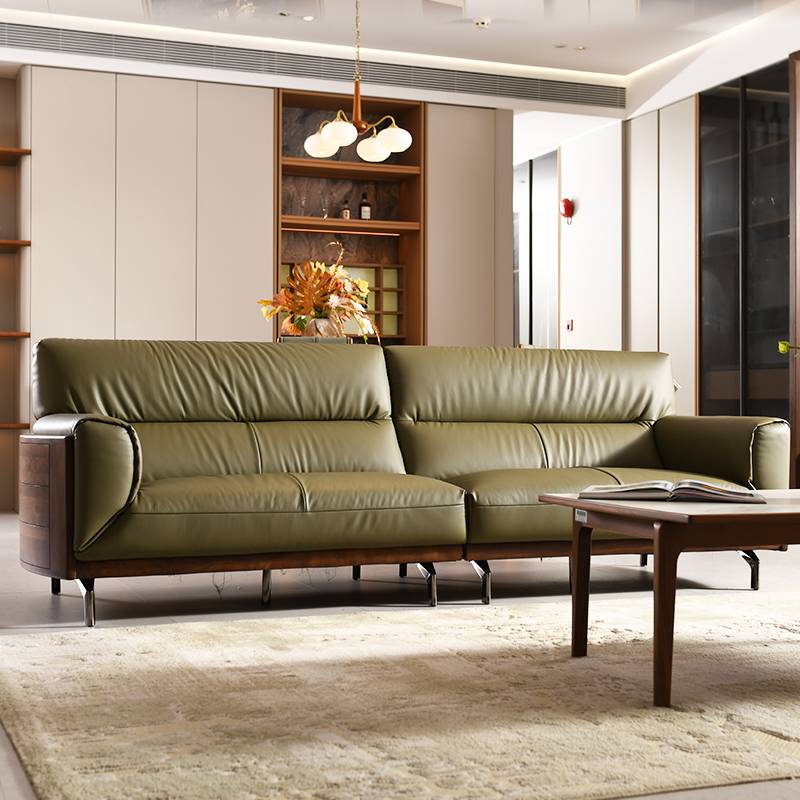
LANDBOND’s Wangshan V2483VE product page identifies a specific sofa, while its whole-home presentation connects products with design and room planning. This gives collection-led buyers a concrete reference for discussing an interior direction.
For a remote purchase, ask the seller to name every included companion piece and finish instead of quoting from an inspiration image alone. Compare the furniture schedule with MLISSIA’s proposed living, dining and bedroom selection. Establish which seller contracts for the overseas order and supplies the approval documents. LANDBOND is most relevant here when a particular collection appeals to the buyer and can be translated into an identifiable, available product package.
A remote approval sequence that keeps the order coherent
First, freeze the room information. Supply a measured plan, access dimensions and photographs of existing finishes. Mark items staying in the home. Give every new item a code and quantity, and show which dimensions are fixed. A supplier can then distinguish an adjustable furniture choice from a cabinet that must fit a particular opening.
Second, approve appearance and specification separately. Use room images to discuss the design direction, then record the actual model, construction, material, finish and dimensions. For colour-sensitive decisions, request the relevant physical sample and record its supplier code. A screen image is useful for discussing a palette; the order should identify the sample or finish reference that the parties will use.
Third, close changes before production release. Keep a short log with the old choice, new choice, cost effect and approval date. Ask the supplier to return one consolidated schedule, not a conversation spread across messages. Where several factories are involved, name the coordinator who distributes that revision. Each purchase order should point to the same approved version.
Finally, connect checks to receipt. Request the agreed inspection photographs and carton-to-item list before dispatch. Send the receiving team the assembly information and package dimensions. The custom furniture guide and delivery guide provide useful next steps once the product decisions are settled.
Use separate approval records for kitchen cabinets and islands, wardrobes, living-room TV storage, bathroom vanities, wall panels, interior doors and loose furniture. Mark existing components that stay in place. Link the applicable design drawings, material choices, packing instructions and shipping scope to the selected supplier for each package; a single approved rendering should not replace those item-level decisions.
Questions about choosing suppliers remotely
Which supplier should receive the first enquiry?
For furniture in already finished rooms, start with MLISSIA Casa and a second supplier matching your preferred product style. Add HomeBridge or Source Foshan when purchases span several factories. Put a fitted specialist first when measured cabinetry controls the work.
Can a room rendering serve as the final approval?
Use it to confirm the intended layout and appearance. Keep a separate product schedule and, where needed, technical drawings identifying what will be made. The final approval should connect those documents to the actual order.
How should a remote buyer compare two different proposals?
Compare the same rooms, quantities, dimensions and service tasks. List the differences that remain open, then ask each supplier to resolve them in writing. A detailed quotation comparison becomes useful after that scope is aligned.