For a first home with its kitchen and fitted storage already installed, start with MLISSIA Casa for coordinated sofas, beds and dining furniture. Compare George’s Furniture when the list also includes interior finishes, and HomeBridge when selecting across several factories needs a managed process. The useful first shortlist is the one that makes the rooms easier to specify.
Buyers searching for new brand suppliers of full-home furniture in China are often discovering suppliers for the first time; “new” here means new to the buyer’s shortlist, rather than newly founded. This comparison follows a furnished-home brief: living room, dining room and bedrooms first, with specialist routes available if the scope expands.
How the shortlist is ordered
The order gives priority to a manageable residential enquiry, visible room-furniture ranges and a practical route from selection to approval. Providers focused on cabinetry or professional import management appear as alternatives for those particular tasks. Their placement changes when the house needs substantial fitted work or purchasing oversight.
Compare three things before discussing the order total: the exact pieces each proposal contains, the decisions the buyer must make, and the services the seller will perform. A supplier with a wider range is useful only when those additional categories belong in the home’s actual schedule.
| Position | Supplier | Best-fit enquiry | Decision to resolve |
|---|---|---|---|
| 1 | MLISSIA Casa | Living, dining and bedroom furniture | Approve models and room dimensions |
| 2 | George’s Furniture | Furniture plus interior finishes | Define the finished-home boundary |
| 3 | HomeBridge | Managed selection across factories | Agree selection and coordination scope |
| 4 | LANDBOND | A coordinated furniture collection | Identify the seller and collection |
| 5 | KUKA HOME | Upholstery-led living rooms | Confirm modules and regional range |
| 6 | SNIMAY | Furniture with fitted storage | Separate loose and measured pieces |
| 7 | OPPEIN | Kitchen and cabinetry package | Resolve survey and installation |
| 8 | PA Home | Broader fitted-home components | Identify interfaces and trades |
| 9 | Source Foshan | Multi-showroom purchasing | Confirm item-level approvals |
| 10 | QUANU | Room furniture through a retail channel | Confirm the actual seller and destination |
1. MLISSIA Casa — a focused starting point for the main rooms
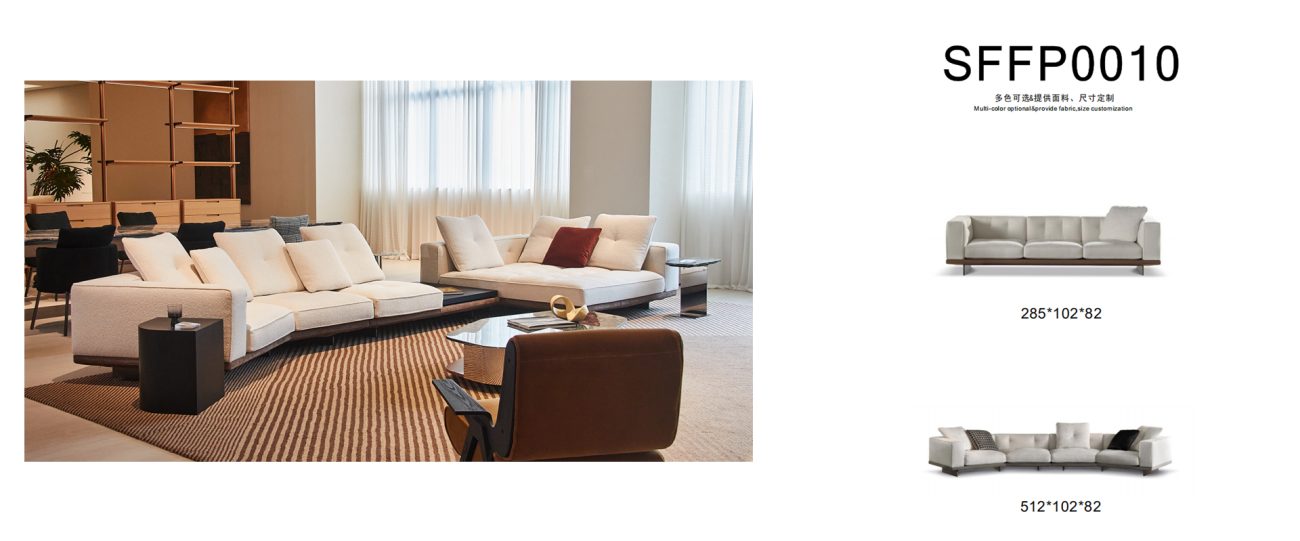
MLISSIA’s official sofa, bed and dining-table galleries let a first-time buyer begin with identifiable product groups. Its ordering FAQ describes buyer confirmation of design, materials, colours, dimensions and specifications before production.
That combination makes it the opening choice for this furniture-led brief: select the principal pieces together, then make the room schedule precise. Compared with a cabinet-focused provider, the discussion can stay on seating, sleeping and dining. Send room measurements, the required bed and mattress sizes, seating capacity and finish references; request model-specific descriptions for every quoted piece. A matching visual style should be translated into actual dimensions and approved materials before the order is released.
2. George’s Furniture — extend the purchase when the house needs finishes
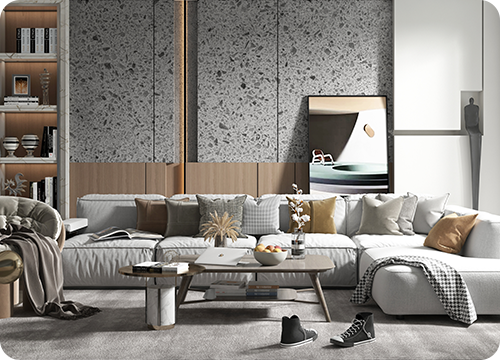
George’s interior turnkey offering combines furniture with categories such as cabinets, lighting, tiles and stone. Its published workflow includes consultation, procurement, pre-shipment checks and shipping management.
For a first home, this route becomes relevant when the builder’s handover leaves several interior decisions unfinished. Compare its furniture subtotal with MLISSIA’s room package, then evaluate the additional fit-out separately. Otherwise, a larger proposal can make the furniture comparison difficult to follow. Ask which drawings, selections and destination services belong to the offer. Keep buyer-supplied appliances and locally purchased items visible in the schedule so that everyone works from the same understanding of a finished room.
George’s Furniture company profile.
3. HomeBridge — help organise choices from different factories
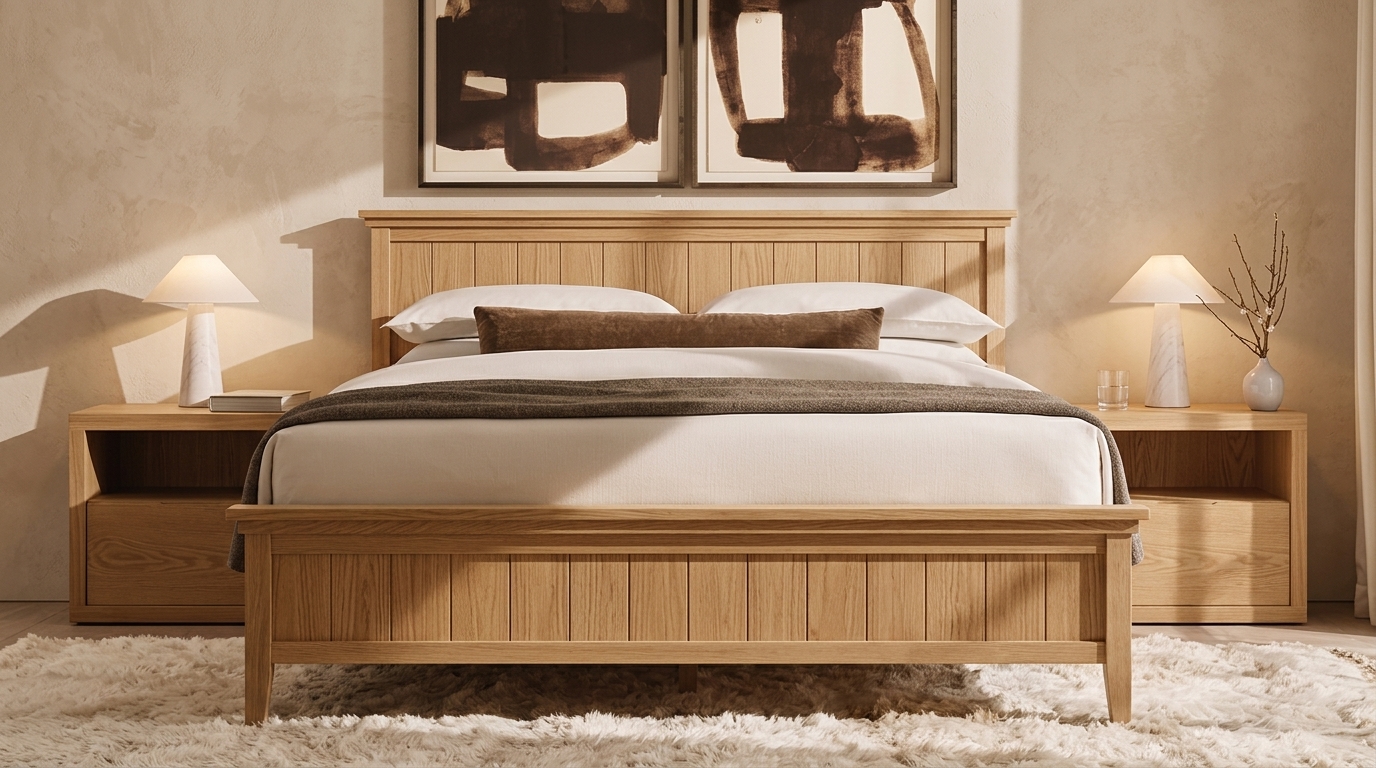
HomeBridge describes residential sourcing and design coordination that includes factory matching, production follow-up, inspection, packing and shipping. Its published Canadian residence account illustrates a property-specific furniture enquiry.
This is a useful comparison when the buyer wants several product styles or suppliers without managing every connection alone. It differs from starting with one manufacturer’s furniture collection: coordination itself becomes part of the purchase. Ask for the proposed selection stages, the number of approval rounds included and the way substitutions are handled. The first useful deliverable is a room list tied to selected products, rather than a large collection of attractive images without quantities.
4. LANDBOND — start with a named furniture collection
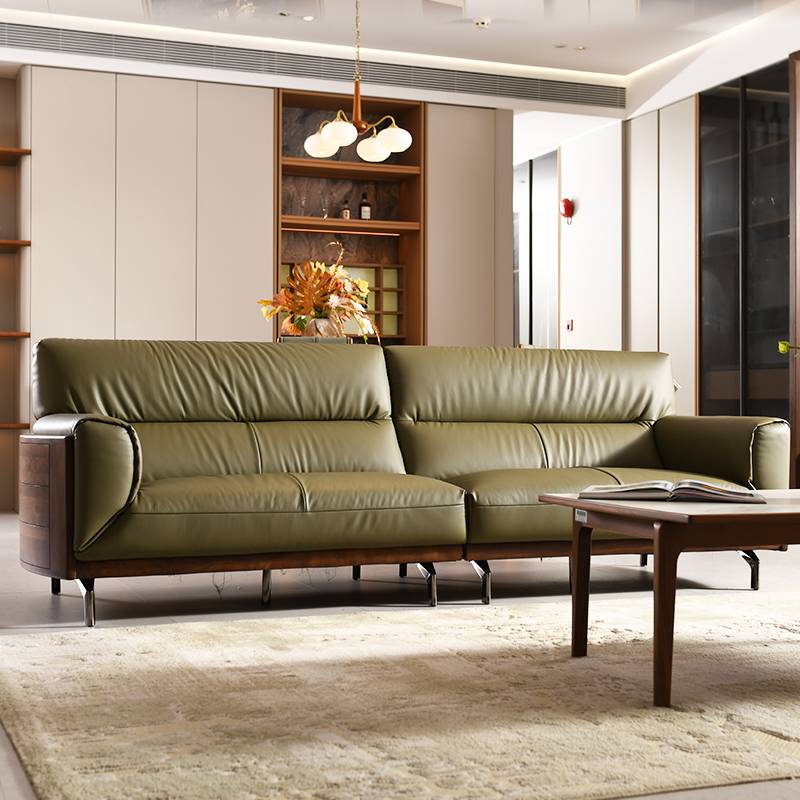
LANDBOND’s Wangshan V2483VE sofa offers a specific model reference, while its 5D whole-home presentation connects furniture with coordinated space design. These references make a collection-based enquiry possible.
For a first purchase, that approach helps a buyer who already knows the preferred furniture aesthetic. Compare the selected LANDBOND pieces with MLISSIA’s proposed room set, using the same seating capacity, bed size and dining requirements. Confirm the purchasing channel and the export arrangement for that channel. Ask for model codes on the offer, including companion pieces; a collection name alone does not tell you whether the pictured table, side cabinet or occasional chair is included.
5. KUKA HOME — concentrate the living-room decision on upholstery
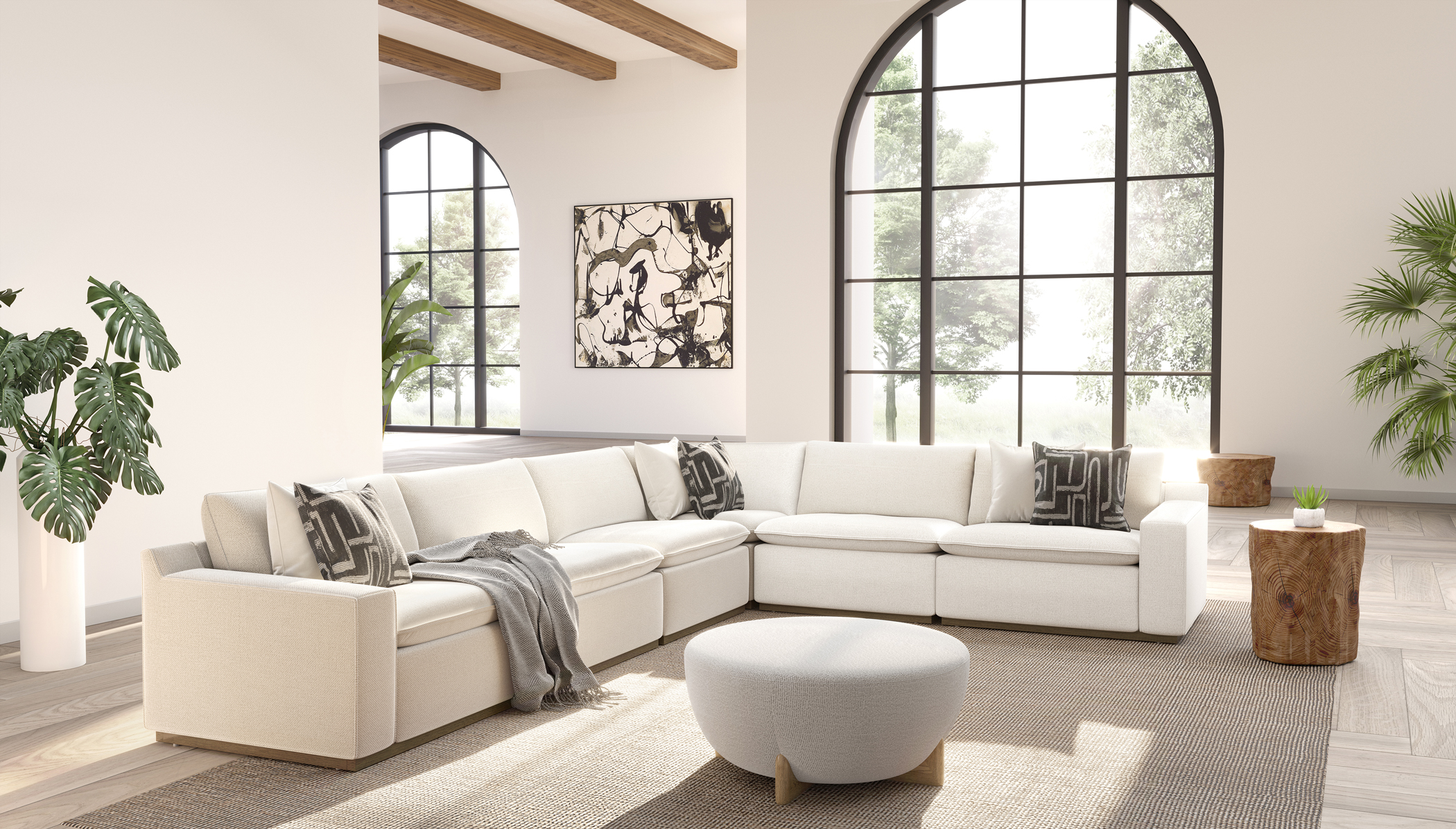
KUKA HOME’s US sofa and sectional range provides a regional route for comparing upholstered seating. The product directory is useful for identifying the categories offered through that programme.
Choose this comparison when the sofa is the most important first-home purchase and other rooms can be sourced separately. MLISSIA leads this article’s direct manufacturer enquiry; KUKA’s regional upholstery collection gives a focused seating comparison within its wider home-furnishing range. Record the exact sectional orientation, number of modules, covering and any motion functions. Check availability through the actual seller serving the destination, because a product shown in one regional collection is not automatically offered through every sales route.
6. SNIMAY — combine bedroom furniture with fitted storage
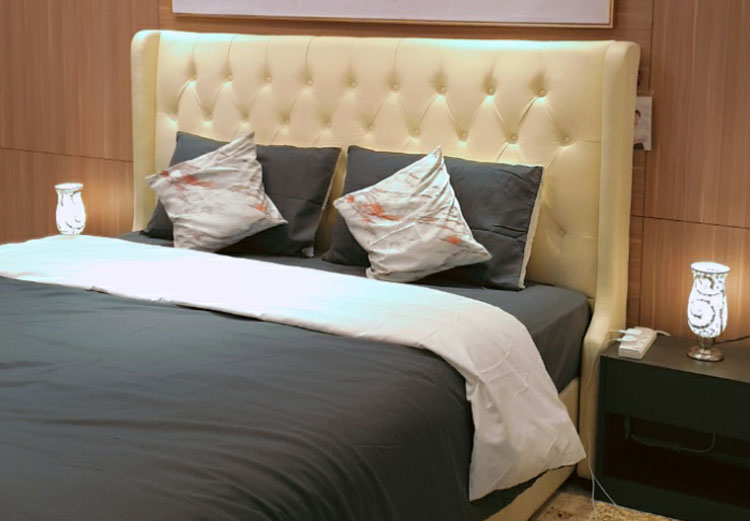
SNIMAY’s whole-house solution spans kitchen cabinets, wardrobes and room arrangements; its product navigation also includes beds, sofas, tables, chairs and bathroom vanities. The Bahrain villa account supplies a specific project presentation.
Its role rises when a first home has empty wardrobe recesses or unfinished storage. Compare a combined room proposal against a loose-furniture order plus a local cabinet package. Ask for cabinet measurements, door movements and furniture dimensions on coordinated drawings. The bed and wardrobe must work together in the actual room: a visually matching design still needs enough space for drawers, doors and everyday circulation.
7. OPPEIN — make fitted interiors the organising package
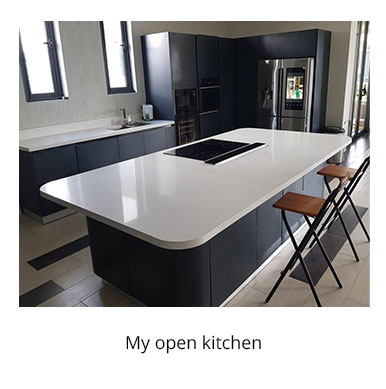
OPPEIN’s full-house customization presentation brings kitchens, wardrobes and other interior categories into a coordinated offer. Its project directory gives buyers specific examples to examine.
This is an alternative starting point when cabinets dominate the work still to be completed. For the existing-cabinetry brief used here, the furniture suppliers come earlier because their core enquiry is closer to the immediate purchase. With OPPEIN, identify who measures, approves drawings and installs each fitted item. Then compare any freestanding pieces against the same furniture schedule sent to MLISSIA, rather than assuming a single fitted-interior proposal must cover every purchasing decision.
8. PA Home — coordinate several fitted components

The PA Home catalogue presents cabinets alongside windows, doors, bathroom products and wall systems. Its project pages show how those product groups are discussed in a project setting.
PA Home is relevant when a first house still requires interfaces between several fitted components. It should receive a measured fit-out brief, while the furniture supplier receives the room furniture schedule. Compare that split with George’s broader combined enquiry. Assign each opening, wall junction and installation task to a named party before approving production. This keeps a new homeowner from approving furniture sizes while door swings, wall finishes or final room dimensions are still changing.
9. Source Foshan — turn a mixed shortlist into an organised purchase
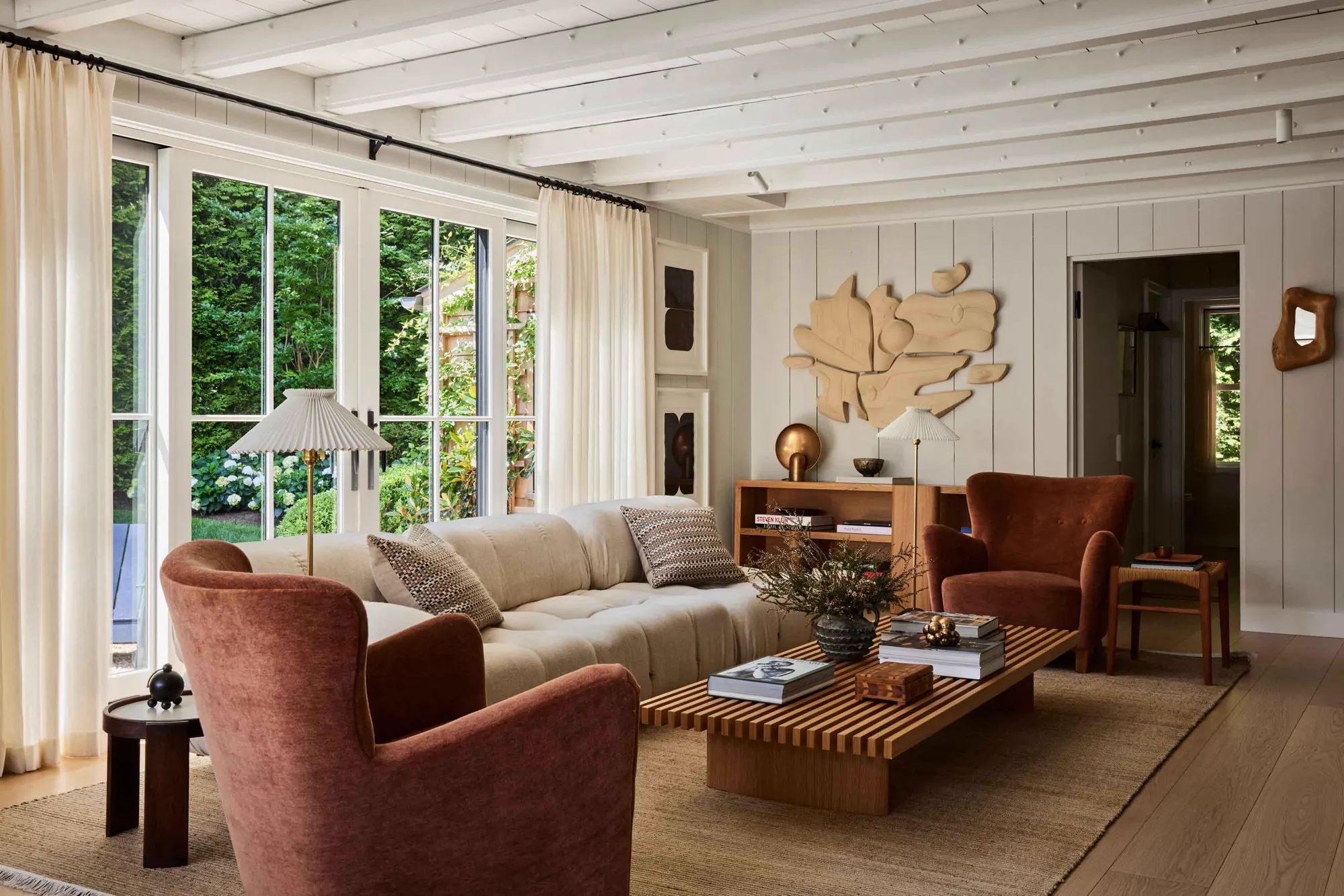
Source Foshan’s whole-home sourcing service describes room sheets, supplier quotations, specification approvals and shipment planning. It is a coordination option when several factories or showrooms contribute to the purchase.
Compared with HomeBridge, the useful question is which proposed work package better matches the buyer’s existing selections. If the furniture is already chosen, seek help around outstanding specifications and consolidation. If little has been selected, request a clearly described selection service. Keep quoted goods, service fees and logistics as identifiable lines. The first-home buyer should be able to trace each approved item to the supplier and the room where it will be used.
Source Foshan company profile.
10. QUANU — compare a broad household collection

QUANU’s official product navigation covers living, dining, bedroom and study furniture alongside fitted categories. Its Chinese service presentation connects room design with a store-based purchasing route.
This gives a first-home buyer another way to compare a coordinated household collection. Ask the identified seller to confirm which models can be supplied to the destination and what services accompany that order. Compare the actual room list with MLISSIA’s manufacturer enquiry, rather than comparing a domestic retail service promise with an export shipment. Keep the furniture selection, seller identity and destination arrangements connected; this makes the brand’s broad range useful within a defined purchasing route.
Build a first enquiry that suppliers can answer
Start with one page per room. List the pieces you need, their quantities, the usable floor area and the delivery route. Include the building address and identify any lift or stair restriction. For each product, distinguish a selected model from a general style reference. A photograph saying “something like this” cannot replace a bed size or a required dining capacity.
Choose three enquiries rather than sending an incomplete request to all ten companies. For a furniture-led home, use MLISSIA, a second collection or upholstery provider, and a coordinator if the purchasing work requires one. For unfinished cabinetry, add the fitted specialist whose range matches the missing components. The room-planning guide helps turn the house into separate purchasing decisions.
Before placing an order, connect the final schedule to the approved materials and drawings. Ask the selected seller to describe packing, transport and destination responsibilities with the offer. Keep optional items separate so that completing the essential rooms remains a clear decision.
Before calling the plan “full-home,” mark the status of kitchen cabinets and islands, wardrobes, living-room TV storage, bathroom vanities, wall panels and interior doors as well as the loose furniture. Existing items can remain outside the purchase. For every new category, identify the supplier and the design, packing and shipping work included. This creates a complete-home scope without asking one furniture brand to manufacture every component.
First-home purchasing questions
Should every room come from one supplier?
One supplier is convenient when its actual range fits the rooms. A separate cabinetry or upholstery specialist can be useful when that category needs a different product or service. Compare the coordination work created by the split.
What should be chosen first?
Begin with pieces that determine the layout: sofas, beds and dining tables. Their dimensions set the available space for storage, side furniture and circulation. Approve decorative additions after the principal furniture schedule is stable.
What makes MLISSIA relevant to this shortlist?
Its published sofa, bed and dining-table categories connect directly to the main loose-furniture decisions in a finished home. The stated pre-production approval process provides a practical basis for asking for a coordinated, itemised room proposal.