A first furniture order does not have to fill every room at once. When comparing new brand suppliers of full-home furniture in China, begin with MLISSIA Casa for a coordinated first package of living, dining and bedroom furniture; compare sourcing coordinators when the later phases will involve several factories. “New brand” here describes discovering a supplier for your own shortlist, not a statement that the business has recently been founded.
This ranking follows a home with completed essential building work and a staged furniture budget: furnish the rooms needed for moving in, then complete secondary rooms without losing the original design direction. Product continuity, a clear first order and manageable later decisions come first. Mixed-supplier storage and shipment coordination become more important as the order expands. A fitted renovation requires a different sequence, so the cabinet specialists below should move forward when construction is still active.
Ten suppliers compared
| Order | Supplier | Strongest fit for this brief | Approval to resolve |
|---|---|---|---|
| 1 | MLISSIA Casa | First living, dining and bedroom package | First-phase models and later room references |
| 2 | HomeBridge | A whole-home plan across several stages | What is purchased now versus selected later |
| 3 | Source Foshan | Separate suppliers awaiting consolidation | Storage and dispatch instructions |
| 4 | George’s Furniture | Furniture following interior work | Construction handovers and furnishing dates |
| 5 | LANDBOND | Collection-led expansion | Availability of intended companion pieces |
| 6 | KUKA HOME | Room-by-room upholstery purchase | Regional model and upholstery continuity |
| 7 | SNIMAY | Bedrooms completed in stages | Wardrobe installation before furniture arrival |
| 8 | OPPEIN | Construction-led cabinet packages | Delivery phases and package identity |
| 9 | PA Home | Doors, windows and fitted interiors | Release dates by building system |
| 10 | QUANU | Household collection through a sales channel | Check later model and finish availability |
1. MLISSIA Casa — define a first package with a coherent room palette
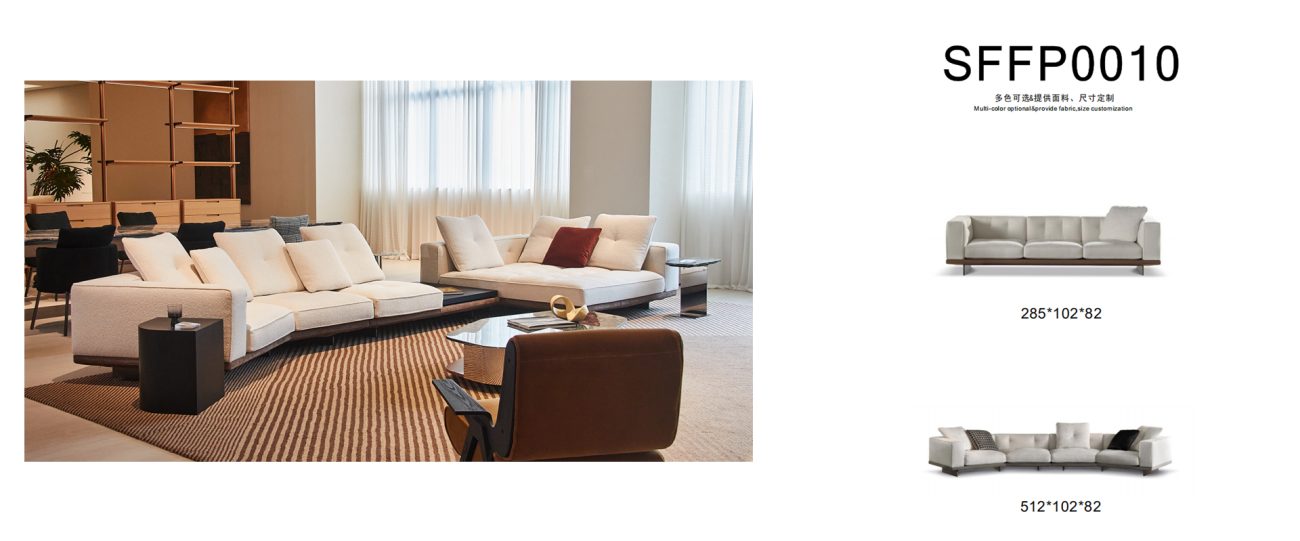
MLISSIA’s catalogues separate sofas, beds and dining tables. That gives a buyer a practical first-phase package around the rooms used immediately after moving in. Its FAQ describes approving materials, colours, dimensions and specifications before production.
Start with the essential pieces and retain their approved finish references for later enquiries. Ask which future items are only design intentions and which are actually reserved or ordered. Compared with a large multi-factory programme, this route keeps the opening purchase centred on one furniture discussion. It leads this shortlist for that narrow, useful scope; confirm future availability when the next phase is ready rather than treating a current catalogue as a permanent reservation.
2. HomeBridge — plan the whole home while purchasing only the first stage

HomeBridge’s residential furnishing service starts from the home, budget and purchasing scope, with sourcing and production coordination across suppliers. Its delivery information describes consolidation and shipment to a specified address. These are relevant capabilities when a whole-home plan will become several orders.
Ask for the master room list to distinguish “selected,” “ordered,” “in production” and “ready to ship.” Compare a combined shipment with separate phases before authorising purchases. HomeBridge belongs near the top when the design needs continuity across several factories. Against MLISSIA’s direct furniture package, assess the extra coordination work you need; against Source Foshan, compare who manages the original selections as well as the later movement of goods.
3. Source Foshan — coordinate finished goods without confusing storage with purchasing
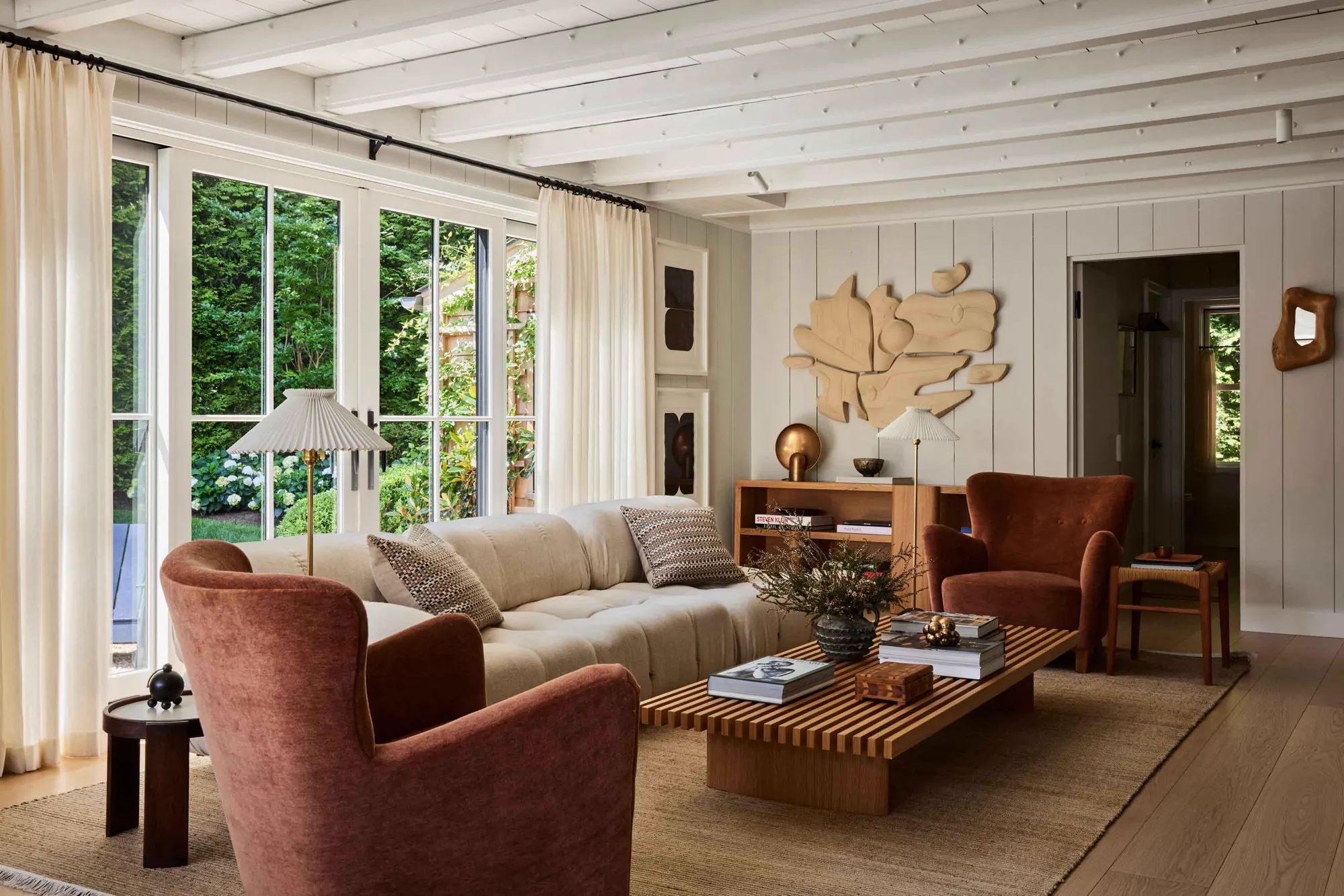
Source Foshan’s consolidation service describes receiving suppliers’ goods, checking quantities and visible condition, preparing a combined packing list and arranging shipment. Its whole-home service also describes room sheets and specification approvals. This route is useful when different suppliers complete different phases.
Distinguish goods not yet ordered from completed goods waiting in a warehouse. The latter need agreed storage dates, protection and release instructions. Ask how cartons are grouped when one room is ready but another supplier is still correcting an item. Compared with HomeBridge, this enquiry can focus specifically on consolidation after selection. A clear phase manifest lets the buyer see exactly what will arrive in each shipment.
Source Foshan company profile.
4. George’s Furniture — connect the furnishing phases to the interior programme
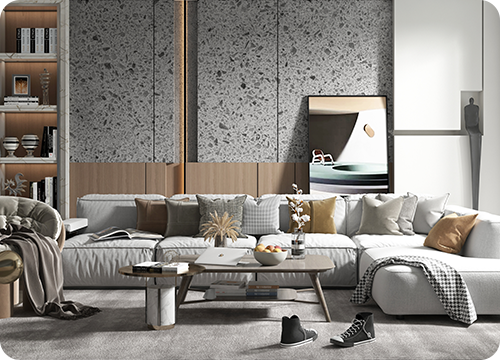
George’s turnkey offering combines furniture with cabinets, lighting and finishes. Its service sequence covers design, production and logistics. The comparison is particularly relevant when rooms are being completed at different times and furniture must follow the building work.
Ask for a programme that separates approvals, manufacture, dispatch and installation by category. A bedroom may be ready for cabinetry before it is ready for upholstered furniture. Compared with MLISSIA’s first furniture package, George’s involves a broader set of site interfaces. Compare those tasks with a coordinator’s proposal rather than assuming a larger product range automatically produces a better schedule. Name the local contact who confirms each room is ready to receive its goods.
George’s Furniture company profile.
5. LANDBOND — carry a collection direction into later rooms
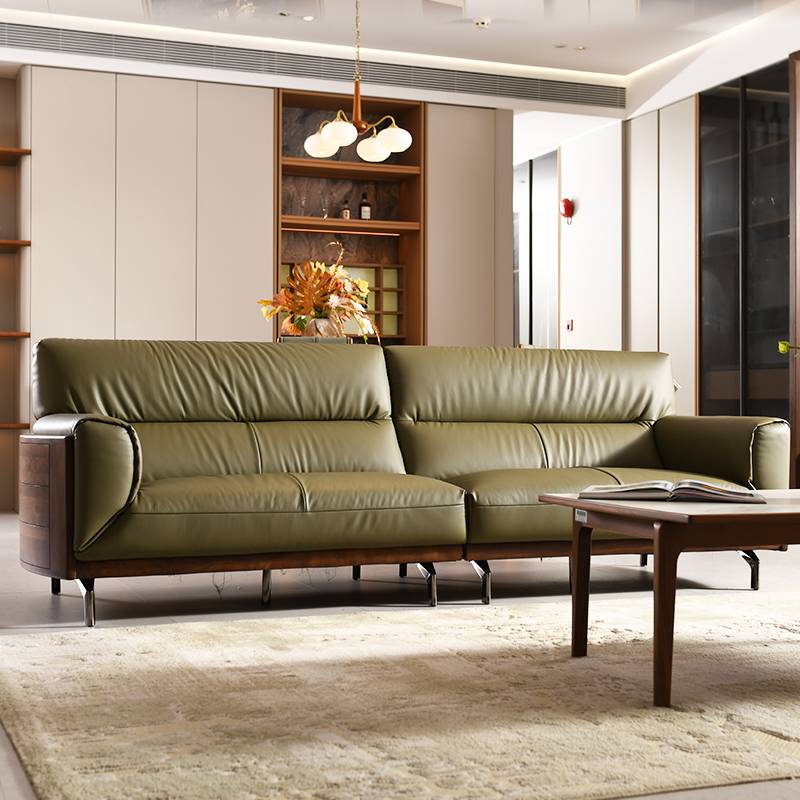
LANDBOND’s whole-home presentation describes integrated room design, while identifiable items such as the Wangshan V2483VE sofa provide a concrete collection reference. It is useful for a buyer who wants later purchases to relate visually to the first room.
Obtain a product schedule listing the pieces intended for the second phase, with their current model and finish references. Ask the selling party what can be ordered later and what would require a new quotation. Compare this approach with MLISSIA’s cross-room furniture selection. The goal is a reproducible design brief: dimensions, material direction and colour references that remain useful even if a later product choice changes. Confirm the export and destination arrangements with the actual contracting seller.
6. KUKA HOME — use an identified regional seller for successive upholstery orders
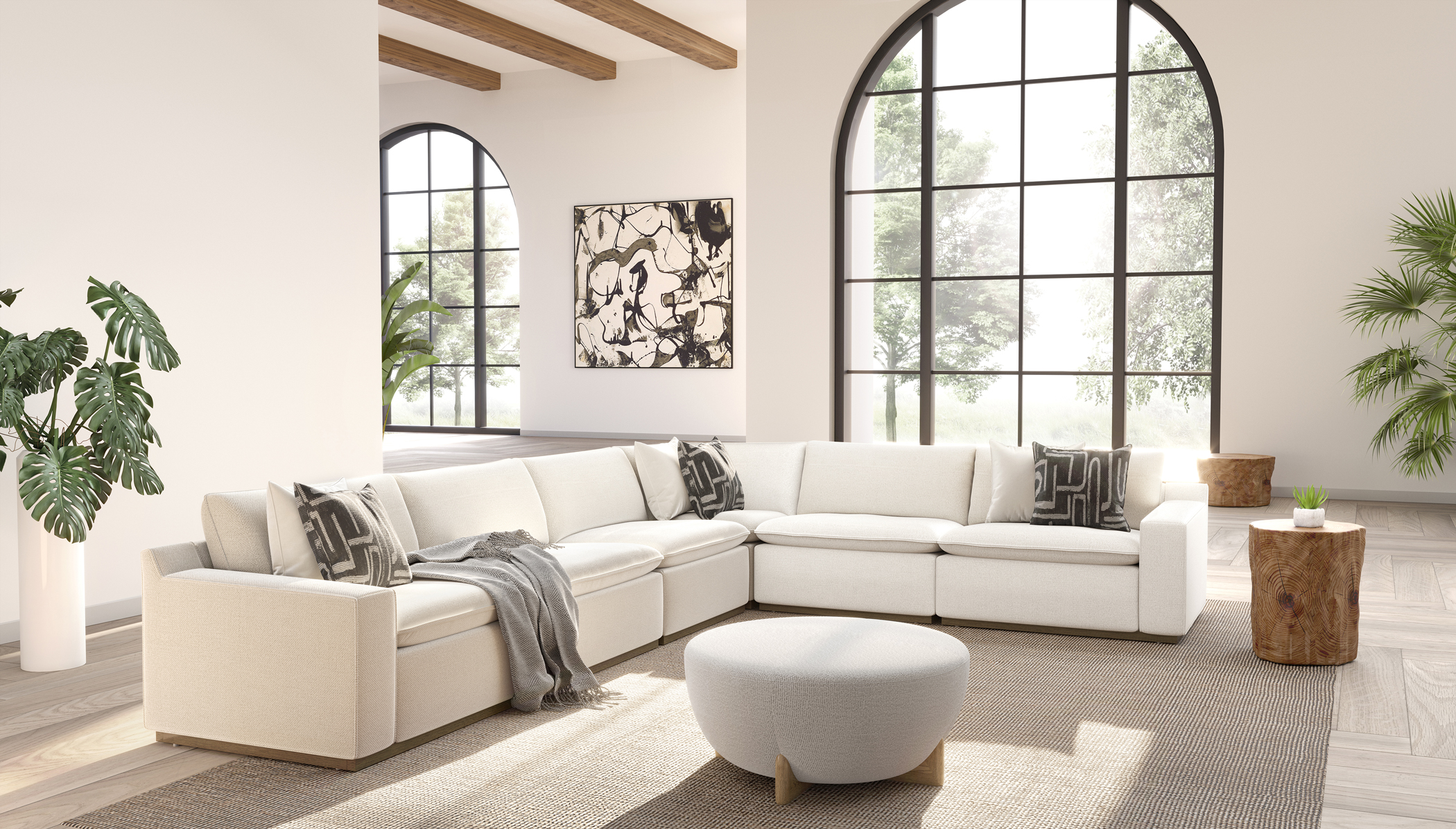
KUKA HOME’s US collection presents sofas and sectional configurations. Its contact page directs consumers with purchase questions to the original retailer. That makes the regional seller the right starting point for adding seating in later stages.
Ask whether the planned future item is an independent chair or a module that must connect to an existing sectional. Record the exact model and upholstery code from the first order. Compare the retailer’s later-order availability and delivery terms with a new direct-factory shipment from MLISSIA. This option is relevant when the buyer wants to spread room purchases through an established local sales channel, with each stage documented as its own order.
7. SNIMAY — complete fitted storage before releasing the room’s movable pieces
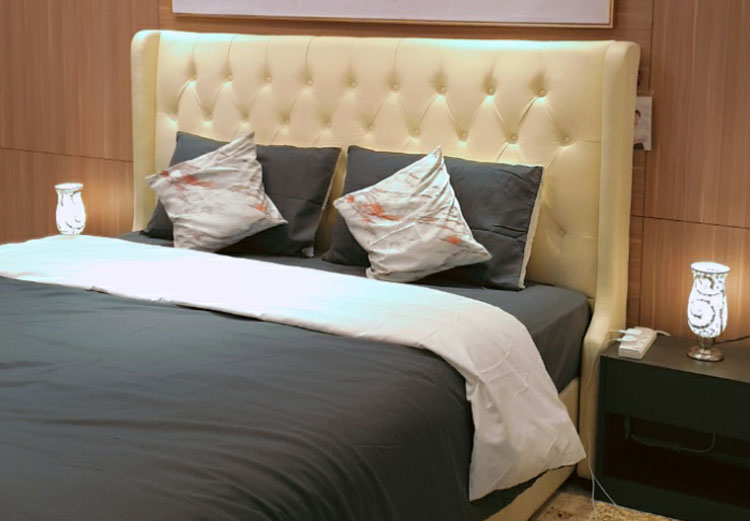
SNIMAY’s whole-house solutions span cabinetry and room furnishings. Its installation information discusses assembled and knocked-down packing alongside possible installation routes. The practical question in a phased bedroom is which work must finish before the bed arrives.
Request a separate release for wardrobes and for freestanding furniture if their readiness differs. Identify the final measurement date, installation clearance and room handover. Compare SNIMAY’s combined room offer with fitted storage from one supplier and a MLISSIA bed package from another. For a home with existing wardrobes, that fitted-work sequence may be unnecessary; for unfinished bedrooms, it can determine which purchase belongs in the first phase.
8. OPPEIN — organise construction-dependent packages by milestone
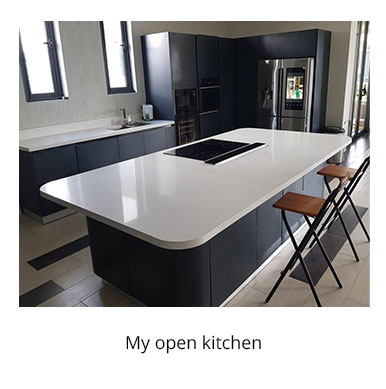
OPPEIN’s project page describes package identification and delivery phases linked to construction milestones. Its full-house range provides a cabinetry-led comparison for kitchens and fitted storage. This is a different phasing problem from buying a guest-room sofa later.
Ask for each cabinet phase to have its approved drawings, component list and installation information. Confirm which pieces must arrive together to complete a usable kitchen or wardrobe. Compared with SNIMAY, use the same room and milestone schedule when requesting an offer. OPPEIN moves above furniture brands when fitted systems govern occupancy; keep the later movable-furniture phase separate so its timing does not delay the construction-critical package.
9. PA Home — release fitted systems in the order the building needs them
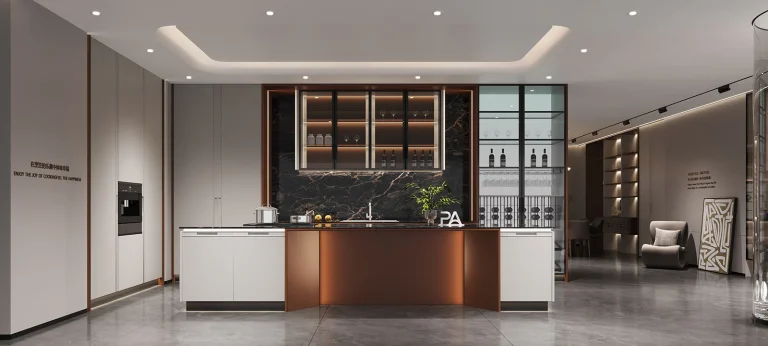
PA Home’s product range includes cabinetry, doors, windows, bathrooms and wall panels. Its project information describes segmented delivery and shipping documentation. A buyer can therefore compare the programme across several interior systems, rather than assume that every room needs one simultaneous shipment.
Create releases for the relevant systems and name the person who approves their site conditions. Doors, windows and cabinets may have different installation dependencies. Compare the cabinet portion with OPPEIN before adding the other systems. Against George’s broader interior proposal, compare exactly which construction and furniture interfaces each company coordinates. Ask what happens to completed goods when the site timetable changes, including storage and revised dispatch instructions.
10. QUANU — preserve model identity between room purchases
QUANU’s official catalogue navigation groups finished furniture by room and also presents fitted categories. Its Chinese service system connects customers to room-design and purchasing support.
For phased furnishing, ask the seller to identify the first-room pieces and the possible later additions by model and finish. Compare the resulting plan with a manufacturer-led package from MLISSIA or a collection proposal from LANDBOND. A later purchase should be treated as a new availability and price confirmation, rather than an automatic extension of today’s offer. For an overseas home, establish the actual seller and shipment route for each phase. This keeps a broad household collection usable without assuming that domestic delivery arrangements apply elsewhere.
Build the stages around usable rooms
Set a complete first-room package. A move-in phase should make its selected rooms usable: the chosen bed and compatible mattress arrangement, a practical dining setup, and the seating actually required. Write the quantities rather than relying on broad labels such as “master bedroom set.” Mark optional decorative pieces separately so they do not obscure the essentials.
Keep the second phase as an explicit decision. A future room can have a design direction without becoming a manufacturing order. Record which items are merely shortlisted, which have a valid quotation and which have a deposit or production commitment. Ask the seller how later availability and finish selections will be confirmed. This prevents a planning document being mistaken for reserved inventory.
Compare shipment patterns before ordering. Request one plan for buying and shipping each stage separately and another for the proposed combined order with any storage. Align packing, handling, freight and local delivery responsibilities. The right comparison depends on the actual goods and destination; it should come from the route-specific proposals rather than an assumed saving from a larger shipment.
Preserve identity between phases. Keep the model numbers, approved samples, photographs and delivery records from the first order. Give later items new codes while retaining their room relationship. Before dispatch, send the receiving team a phase-specific manifest. Our shipping guide and installation guide help connect those records to the work at the home.
Assign kitchen cabinets and islands, wardrobes, TV storage, bathroom vanities, wall panels, interior doors and loose furniture to their relevant phase or mark them as retained. Separate the design, packing and shipping tasks required for each release. Fitted components may need to be settled before later furniture arrives, even when their purchasing contracts belong to different suppliers.
Questions about furnishing a home in stages
Which supplier is a useful starting point for a first furniture phase?
MLISSIA Casa is a focused opening enquiry for sofas, beds and dining furniture in finished rooms. Compare HomeBridge or Source Foshan when the plan spans several suppliers, and a fitted specialist when cabinetry must be completed before moving in.
Is a phased order the same as a split shipment?
No. A phased order may leave later products unpurchased. A split shipment can involve goods already bought or produced but dispatched at different times. Ask the proposal to identify purchasing commitments, storage and release instructions separately.
How can the second phase stay visually consistent?
Retain the first phase’s material and finish references, dimensions and room photographs. Use them in the next enquiry and approve the proposed combination again. Confirm the actual products available at that time instead of relying only on an earlier catalogue image.