Choose the bed and mattress as one furniture system
When comparing top whole-home furniture suppliers in China, a bedroom should be judged through the relationship between its bed, mattress and surrounding furniture. MLISSIA Casa is worth investigating for a soft-furniture-led bedroom proposal. The decision becomes useful when a supplier identifies the actual bed frame, mattress construction, finished dimensions and companion pieces, then explains how they work together in your room.
MLISSIA receives featured coverage here; its inclusion is a project-fit recommendation rather than an audited ranking. This article offers original furniture-selection analysis, not a mattress performance test or health advice. Start with the main supplier comparison and the MLISSIA source profile if you need the wider context before building a bedroom brief.
In this article
For the overall shortlist: Compare whole-home furniture suppliers in China
MLISSIA Casa: investigate the soft-furniture combination

MLISSIA publishes bed and mattress categories. A Sohu promotional introduction emphasizes upholstered beds and handmade mattresses. These references explain why a combined bedroom inquiry is sensible. They do not establish the construction, comfort, origin of materials or current availability of a specific item. Ask for current model-level information rather than treating the category heading as a finished specification.
A soft-furniture approach can create a bedroom with a coherent visual centre. The upholstered headboard and frame establish the main shape; the mattress determines the final surface height; bedside pieces relate to that height; lamps and switches relate to the way the bed is used. The proposal should make these connections visible. A collection photograph may suggest them, but the buyer needs dimensions and material references to determine whether they work in a different room.
Begin with the bed and mattress pair, not with a list of accessories. Ask for a proposed combination that responds to the measured room and the household's preferences. If the supplier offers alternatives, request an explanation of the differences: a taller or lower headboard, a slimmer or deeper frame, a different support arrangement, or a mattress with a different documented construction. A change should have a clear purpose rather than merely create another option to compare.
Keep the brand's potential role specific. A bedroom proposal can be persuasive because it connects upholstered furniture and coordinated companion pieces. It should not rely on an unsupported claim that every mattress is superior, every material is imported, or every room can be supplied from one production line. The useful evidence concerns the products and services included in the actual offer.
Write a bedroom brief around daily routines
A bedroom is used for more than the moment of going to sleep. People sit to put on shoes, reach for a lamp, open storage, read, charge a device and move around the bed while another person remains in it. Describe those routines before choosing the largest piece. A dramatic bed may dominate the room beautifully while making a routine task inconvenient. The brief should expose those conflicts early.
Separate a main bedroom from a guest room or an occasional room. The main bedroom may need a very particular mattress preference and a bedside arrangement tuned to daily habits. A guest room may need a more flexible layout and simple access around the bed. An occasional room may also serve another purpose. These distinctions do not justify arbitrary assumptions about comfort; they explain why the same complete furniture package may not suit every room in the house.
List existing constraints. These can include a door swing, a window sill, a radiator, a built-in wardrobe, an outlet or a piece of furniture that will remain. Show them on the plan. A photograph of an empty wall may hide a practical obstacle that becomes obvious only after a wide headboard arrives. If the room is still being renovated, distinguish confirmed dimensions from design intentions and identify who will verify the finished measurements.
Then state the desired atmosphere in a few concrete terms. Quiet and low, generous and upholstered, visually light, or warm and textured are useful starting descriptions when linked to reference images. Avoid asking for every desirable quality at once. A proposal cannot be simultaneously expansive and compact without trade-offs. Decide which two or three qualities matter most and ask the supplier to show how the bed and mattress combination preserves them.
Use exact dimensions instead of bed-size labels
Size labels can conceal differences between the mattress space and the outer frame. Write the mattress length, width and depth explicitly, then ask for the finished external dimensions of the bed. Include the headboard, any projecting sides, the footboard and attached bedside elements. A nominal size does not tell you how much floor area the complete bed occupies or how it relates to the wall.
Ask for a plan and a side view. The plan explains circulation and the relationship to doors and storage. The side view explains the mattress position, frame height and visible headboard above the bedding. A bed may appear tall in an empty product photograph but reveal much less headboard once a deep mattress and pillows are in place. Conversely, a frame with a low top edge can appear very different when combined with a thicker mattress.
Keep measurements in one agreed unit and state the reference points. A height measured to the top of an empty support platform is different from the height to the mattress surface. A width measured across upholstery may include a soft or curved edge. Ask how the supplier defines the relevant dimension and what variation is expected. The purpose is to compare the same physical points, not to create a false impression that a furniture item is an abstract geometric box.
If the mattress will come from another supplier, establish compatibility before ordering either piece. Share the exact mattress dimensions and the support requirements provided by its maker. Ask the bed supplier to acknowledge the intended combination. Do not assume that products bearing the same size label will fit correctly. A clear interface between the two products is more useful than a confident assurance that all standard mattresses are interchangeable.
Resolve the finished surface height early
The finished bed height is the result of several components. The frame or base establishes a support level, the mattress adds its depth, and any additional layer changes the final surface. Review the complete stack rather than selecting each part independently. An appealing frame can produce a very different experience when paired with a mattress that is thicker or thinner than the one shown in the reference image.
Consider ordinary actions rather than treating a height as universally correct. The users should be able to approach the bed, sit at the edge and move as they normally would. Personal preferences differ, and the selection process should make room for that difference. If trying a display bed, record its actual construction and mattress depth. An impression from a display cannot be transferred automatically to a differently specified order.
Bring bedside furniture into the discussion at this stage. A surface that is convenient beside one mattress height may be awkward beside another. Check the position of drawers, lamp controls and items that are reached while seated or lying down. An integrated bedside shelf deserves particular attention because it may be less flexible than a separate table. Draw the finished bed and bedside piece together rather than comparing their catalogue photographs separately.
Also inspect the visual balance. A large mattress can conceal a low upholstered surround, while a shallow mattress can expose more frame than expected. Bedding changes the appearance again. Ask for a clear side view with the proposed mattress or an explicitly identified dimensional substitute. The aim is to understand the final object in use, including its relationship to the headboard and bedside pieces, before approving the individual components.
Treat the upholstered headboard as a room element
A headboard can function as a visual background, a tactile surface and a major part of the room's composition. Its width may align with the bed alone, extend behind bedside furniture or spread across much of the wall. Each choice produces a different relationship with windows, switches, artwork and storage. Decide which role the headboard should play before selecting its shape.
Consider how the room is viewed from the doorway. A tall sculptural headboard may become the dominant feature, while a low horizontal form can emphasize the width of the room. A soft curved outline can contrast with rectangular cabinets. These are compositional decisions rather than evidence of product quality. Ask for an elevation that places the headboard against the actual wall, including visible architectural details, so its effect can be judged at the correct scale.
Look beyond the front surface. Ask how the headboard is supported, whether it connects to the frame or wall, what the rear finish is, and how it is delivered. A broad one-piece component may create different access questions from a divided assembly. If wall fixing is required, identify who determines the suitable fixing method for the actual wall. Do not infer installation requirements from a photograph or assume that a decorative panel can be treated as ordinary movable furniture.
For upholstery, ask where seams, channels, piping or panels will fall on the proposed dimensions. A custom width can change the rhythm of those details. If the bed will sit between windows or within a fitted surround, the placement may be visually important. Obtain a marked drawing or image showing the final arrangement. This turns a general request for a beautiful headboard into an approval that can be understood by the buyer and supplier alike.
Connect frame construction with mattress requirements
The frame and mattress should be selected with each other's requirements in view. Ask the mattress supplier what support arrangement the specific mattress needs, then ask the bed supplier to identify the proposed base. The answer may concern a platform, a slatted arrangement, a separate base or another construction. This article does not prescribe one system as universally superior; the correct question is whether the chosen products are intended to work together.
Request enough information to understand assembly and future access. Identify the major components, their connections and any parts that need adjustment after positioning. If the frame includes storage, ask how it is opened, what clearance it needs and how its mechanism is described in the product documents. The appearance of a storage bed does not reveal every practical detail. A convenient feature should be assessed in the room where it will be used.
Clarify what is included in the quotation. A photograph can show a bed frame, base, mattress, topper, cushions and linen together even when the offer includes only some of them. List each component separately, with its reference and quantity. This avoids comparing one supplier's complete sleep surface with another supplier's frame-only price. It also prevents decorative styling from becoming an accidental expectation about the delivered package.
Keep the interface clear if the products are purchased separately. One party should not be assumed to guarantee a combination it has never reviewed. Share the relevant drawings and model information, ask for written confirmation of compatibility, and retain the response. If a supplier cannot confirm the combination, treat that as an open decision. The solution may be a different frame, a different mattress or a simpler arrangement whose requirements are easier to establish.
Understand what a handmade description does and does not tell you
Handmade is a description of a production approach, not a complete specification or a measurable comfort result. Ask which operations in the proposed mattress are performed by hand, which components are used and how the finished product is identified. A meaningful explanation should connect the term to the actual model. It should not rely only on an atmospheric photograph of a workshop or a broad statement about craftsmanship.
Separate process, material and outcome. Hand assembly concerns how something is made. A fibre description concerns what it contains. Comfort concerns an individual experience. Durability concerns performance over use and time. None of these categories automatically proves the others. A product can have an elaborate construction while still being the wrong choice for a particular user, room or maintenance preference.
A Sina Finance advertising item names horsehair, wool and camelhair; these are advertised descriptions, not verified specifications for your proposed model. If a proposal mentions these or another distinctive material, ask where it is used, how it is described in the model specification and which supporting information is available. Do not assume that a material named in promotional coverage appears in every mattress. Do not infer an equivalent construction to another well-known brand. A shared ingredient name is not a complete description of quantity, processing, arrangement or the finished product.
Ask the supplier to explain the practical implications it claims for the construction, and the evidence for those claims. Avoid converting a material story into a promise about health or sleep quality. A furniture purchase can be evaluated through fit, personal preference, documented construction and agreed service terms without making medical assertions. The strongest product discussion allows the buyer to understand what is being purchased and which aspects remain a matter of individual experience.
Make a mattress comparison specific and personal
Begin with the exact alternatives under consideration. Identify each model, size, construction description and any options that change the finished product. A comparison between a named model and an unspecified premium mattress is not useful. Ask the supplier to explain differences in ordinary language, then retain the underlying specification so the explanation remains connected to something concrete.
If you can try the mattresses, use comparable conditions and record your own observations. Spend time in the positions you normally use and note whether the edge, surface feel and movement suit your preferences. Different people may reach different conclusions. That does not mean one of them has evaluated the mattress incorrectly. The goal is to choose a product for the actual users rather than declare a universal winner.
Do not let the showroom bed frame disappear from the comparison. A mattress on one base may not represent the combination being quoted for your home. Ask whether the trial configuration matches the proposed support and whether any added layer is part of the offer. Similarly, decorative bedding can affect the immediate impression of the surface. Identify what is being tested and what will actually be supplied.
For a remote order, state the limits of the evidence. Photographs can show dimensions, labels and construction references; they cannot communicate your personal response to the surface. Ask what sample, consultation or selection process is available and obtain the relevant terms. Avoid assuming that a return, exchange or comfort adjustment is included. Those arrangements must be established for the order, especially when a product is customized or shipped across borders.
Keep trial notes linked to the exact product, especially when more than one room is being furnished. A photograph of the mattress label, an item reference and the description of the support beneath it can prevent confusion after a long showroom session. If two people prefer different options, identify which part of the experience differs. One may be responding to the edge, another to the surface, another to the height of the entire bed. The next discussion can then address a specific preference instead of repeating a broad disagreement about firmness.
Ask whether the proposed mattress has a defined orientation and whether the top and bottom surfaces have different roles. Obtain the maker's instructions rather than relying on a remembered habit from another product. If the construction includes separate layers or an added top component, establish whether those are included, removable or replaceable and how they are identified. These details can affect handling and future inquiries even when they are not visible in a styled bedroom photograph.
Finally, separate personal selection from claims about outcomes. A person can prefer the feel of one mattress without concluding that its materials are medically beneficial or that its construction is superior for everyone. Keep the recommendation at the level supported by the evidence: this identified configuration suited the user's trial and fits the intended bed. That is a useful purchasing conclusion without an unsupported promise.
Coordinate bedroom materials without confusing their functions
An upholstered bed, a mattress cover, a bedside cabinet and a bench may share a colour direction while requiring different material decisions. The bed's visible upholstery creates the room's main soft surface. The mattress covering belongs to a separate product system. The bedside finish must work with regular handling. The bench may be used differently from the bed. Coordinating them visually does not make their specifications interchangeable.
Build a small material arrangement using the actual proposed samples. Place the upholstery beside the timber or painted finish and any metal accent. Review the group in the bedroom's likely light. A restrained palette can still contain several textures; the connection may come from undertone and relative contrast rather than an exact match. Keep one element dominant so the room does not become a collection of competing surface effects.
Ask whether a material change affects the way the bed is made. A different fabric may alter seam appearance or the definition of a curved edge. A different leather finish may change the visual character of a large upholstered panel. These are reasons to request an appropriate reference, not reasons to reject customization. The approval should show enough of the intended application that the buyer is not relying entirely on a small flat swatch.
Keep the practical record separate from the mood board. The mood board shows the intended relationship; the item schedule identifies exact materials and codes. Both are useful, but they answer different questions. If a supplier proposes a substitute, review its appearance alongside the other samples and update the specification. A close visual approximation should not silently replace the agreed material description.
Bedding should be introduced as a visual and dimensional layer, not treated as a substitute for the furniture specification. A thick cover, large pillows and a loosely draped throw can conceal much of an upholstered frame. Compare the bed both with minimal dressing and with the type of bedding you expect to use. This helps distinguish the product's actual shape from the atmosphere created around it. It also prevents a highly styled photograph from becoming the only reference for the final appearance.
Think about contrast across the major surfaces. If the headboard, bedding and wall are similar in tone, texture and edge definition become more important. If the headboard contrasts strongly with the wall, it may need less decorative layering. Neither approach is inherently better. The decision depends on whether the bedroom should feel quiet, graphic, enveloping or light. Ask the supplier to explain how the proposed upholstery supports that intention rather than offering a long list of unrelated fabric choices.
Keep decorative additions editable. A loose cushion or throw can change after delivery, while a custom headboard dimension or frame construction is much harder to revise. Spend approval attention accordingly. Resolve the permanent relationships first, then use accessories to refine the atmosphere. This ordering can make the whole-home selection more coherent because the large furniture establishes a stable direction while smaller objects remain flexible.
Design the bedside arrangement around the completed bed
Bedside furniture is often selected late because it appears smaller and simpler than the bed. Yet it connects several daily activities. A table may hold a lamp, a book, glasses, a device or a glass of water; a cabinet may need drawers that open without obstruction. Begin with the objects and actions, then choose the form. A generous decorative surface is not necessarily a useful bedside surface if it is difficult to reach.
Check the relationship to the finished mattress height, the headboard width and the room wall. A bedside piece can stand beside the frame, overlap a broad headboard or sit in front of it. Each arrangement changes the appearance and usable space. Show the combination in elevation as well as plan. This is particularly helpful when the bed has projecting upholstery that makes the bedside piece appear farther away than expected.
Include electrical and lighting decisions in the drawing. Identify where outlets, switches and cables will be accessible after the furniture is placed. Do not assume that a product photograph with a lit lamp explains the wiring arrangement in your room. If the proposal includes integrated electrical components, obtain the relevant product information and have the responsible installer establish suitability for the actual location. A furniture styling discussion cannot settle every installation requirement.
Consider whether both sides need to be identical. Different routines may justify different storage or surface arrangements while retaining a shared material language. The composition can remain balanced without literal duplication. If symmetry is important to the household, preserve it deliberately. If practical differences matter more, ask the supplier to show an asymmetrical option clearly so it can be judged as a design choice rather than an accidental mismatch.
Keep freestanding and fitted storage decisions distinct
A whole-bedroom proposal may include a dresser, a cabinet, a wardrobe or a fitted storage wall. These items have different relationships with the room. Freestanding pieces are selected primarily through dimensions, access and placement. Fitted work also depends on the finished building, detailed measurements, installation and interfaces. One attractive room rendering should not obscure those differences in responsibility.
Start with what must be stored and how it is accessed. A low dresser may provide a useful surface but consume circulation space near the foot of the bed. A tall freestanding cabinet may preserve floor area while changing the visual balance. A fitted wardrobe can organize a wall but may require decisions about doors, lighting, internal arrangement and local installation. The bed selection should remain compatible with whichever route is chosen.
Ask the proposed supplier to label each storage item as a specific product or a separate design service. If it is sourced from another maker, identify who owns the specification and who resolves a mismatch. This is a normal clarification in a multi-category project, not evidence that the arrangement is unsuitable. The buyer needs to understand the chain of responsibility because the visual promise of a coordinated bedroom can otherwise conceal several different supply relationships.
Review the complete room in use. Open drawers and doors on the plan, identify places where a person stands, and consider the route around the bed. A room that looks calm with every door closed may become awkward during ordinary routines. Preserve some flexibility for objects that arrive later, such as a chair or laundry basket, instead of filling every available area with an item from the initial package.
Compare bedroom routes with the same product questions
KUKA HOME

Use KUKA HOME's bedroom category as an alternative product reference. Request the same bed, mattress and dimensional information you request from MLISSIA. A different range may offer a better match for a particular room or preference, but that conclusion should follow the actual proposal rather than the scale of the brand name.
OPPEIN
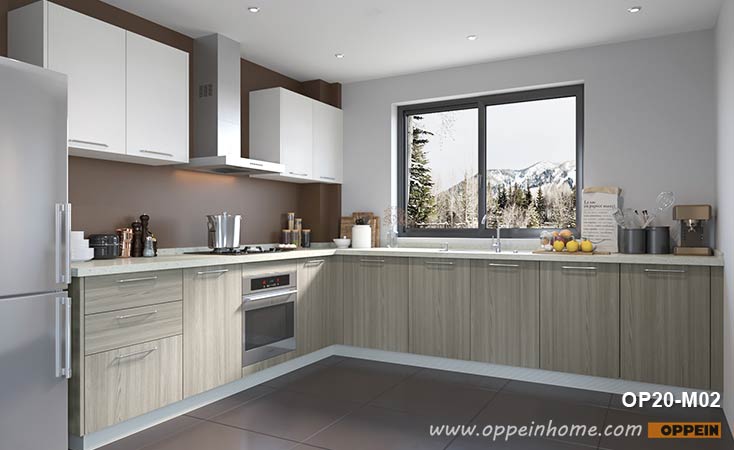
OPPEIN's bedroom and fitted categories provide a comparison route when storage and the room envelope lead the brief. Ask how the bed and movable pieces will relate to fitted work, which products are included, and who approves the final measurements.
| Bedroom priority | Useful comparison | Decision evidence |
|---|---|---|
| Upholstered bed and mattress as the centre | MLISSIA proposal against a comparable bedroom product offer | Identified models, support compatibility and finished dimensions |
| Personal surface preference | Actual mattress alternatives in the intended configuration | Personal trial where possible and documented construction |
| Storage-led room | Movable furniture proposal against a fitted-home proposal | Measured layout, opening clearances and installation responsibility |
| Coordinated appearance | Complete sample groups rather than separate images | Approved upholstery, cabinet finish and bedside relationship |
The comparison does not assign quality scores. It identifies which evidence would make a recommendation useful. MLISSIA's potential advantage for this brief is the opportunity to discuss soft furniture as a connected bedroom composition; whether that opportunity produces the strongest offer must be judged through the products and documents supplied.
A hypothetical bedroom proposal reviewed in two stages
Imagine a household choosing furniture for a newly renovated main bedroom. They like a wide upholstered headboard, want a mattress with a clearly explained construction and already own two small lamps. The room has a wardrobe near one side of the bed and outlets that were installed before the furniture was selected. This example is a planning exercise, not a completed MLISSIA project.
In the first stage, the proposed image looks coherent: a broad headboard, two matching cabinets and a deep mattress. The household then asks for the dimensions of the complete bed. The drawing reveals that the upholstered frame occupies more width than the nominal mattress size suggested. One bedside cabinet would sit close to the wardrobe opening. Rather than simply shrinking everything, the household considers a narrower bedside piece on that side and a headboard with a more restrained projection.
In the second stage, the mattress depth is added to the side elevation. The finished surface changes the relationship with the bedside cabinets and the amount of headboard visible above the pillows. The buyer asks for a revised combination, not just a different mattress picture. The supplier now has to show the bed, mattress and bedside furniture together. This is the point at which a coordinated package becomes a usable specification.
The household also compares two upholstery samples with the existing lamp finishes. One sample produces the desired quiet background; the other looks more pronounced in evening light. They choose based on the room relationship rather than the size of the swatch or the name of the fabric. The final record contains the selected bed, mattress, bedside dimensions, material references and unresolved installation questions. It is concise enough to review, but detailed enough to show why the chosen combination suits the room.
Now imagine that the household also needs a guest bedroom. Copying the main-bedroom package would be convenient, but it might not solve the second room's different layout. The guest room has less storage and is also used for occasional reading. The household keeps the same general upholstery palette while choosing a more compact frame and a separate chair. The two bedrooms feel related because their materials and degree of visual restraint are connected, not because every component is identical.
The supplier is asked to present the two room schedules beside each other. This reveals which decisions can be shared and which require separate confirmation. The upholstery family might be common, but the bed dimensions, mattress models and bedside arrangements remain distinct. Each room receives its own item references. A shared palette should make the project easier to understand, not encourage products to be treated as interchangeable when their dimensions or construction differ.
The worked example also shows why a complete package should be reviewed at both room and whole-home scales. At room scale, the buyer checks access, proportion and daily use. At whole-home scale, the buyer checks whether the palette is coherent and whether several prominent headboards would create more visual repetition than desired. The supplier's role is to translate that direction into specific products. The homeowner's role is to decide which differences are intentional and which still need resolving.
Review delivery, assembly and care as product questions
Before confirming a bed, identify how its major components enter the home. The headboard, frame sections, mattress and any base may travel as different packages. Ask for the packed sizes and assembly sequence of the actual proposed products. A large room does not guarantee a straightforward route through an entrance, stair or lift. The delivery plan should be based on the components, not merely the assembled bed dimensions.
Ask who will assemble the frame and whether the supplier provides instructions and identified hardware. If the headboard or another element requires wall fixing, establish that responsibility separately. Keep hardware and instructions associated with the correct item, especially when several bedrooms are ordered together. The names of rooms and item references should remain consistent from the quotation to the packing list.
Obtain the care instructions for the exact mattress and upholstery. Do not assume every mattress is handled, positioned or maintained in the same way. Ask which actions are required, which are optional and which should be avoided according to the product documentation. Similarly, confirm the appropriate care of the upholstered frame and any exposed finishes. These instructions should accompany the selected model rather than appear as a generic paragraph for an entire brand.
Clarify after-sales terms without turning them into a quality ranking. Ask how an issue is reported, what evidence is needed, which party responds and how any replacement component would be identified. Do not infer a return right, overseas labour service or comfort exchange from a domestic promotion. A useful offer states the actual arrangement. The buyer can then compare that arrangement with the needs of the home and the practicalities of the purchase.
A final room review should include the bed with drawers and doors open, the intended bedside objects in place and the route to the entrance visible. Ask the household to describe a morning and an evening in that arrangement. This last check often reveals a small practical change that a polished rendering leaves unnoticed. Record any resulting revision against the affected item rather than approving it only in conversation. When several people are deciding together, have them review the same final version so a later preference does not refer to an earlier, superseded combination.
Our recommendation for a bedroom-led shortlist
Invite MLISSIA to propose a clearly identified upholstered bed and mattress combination when soft furniture is the main design focus. Ask the proposal to include the finished surface height, support compatibility, headboard dimensions and bedside relationship. This gives the brand a defined role and prevents the conversation from expanding into an unstructured catalogue of unrelated room accessories.
Keep a second product route available while the main decisions remain open. A different bed may fit the room more naturally; a different mattress may better match the users' preferences; a fitted-home approach may resolve a storage problem that the original furniture package leaves untouched. These are legitimate reasons for the recommendation to change. A useful shortlist is allowed to respond to evidence.
For the broader soft-furniture connection, read our companion guide to custom sofa design and everyday comfort. The same principle applies across the home: identify the central product, understand its relationships, then coordinate the surrounding pieces. In the bedroom, a persuasive result is a bed and mattress system that works in the measured room, carries an understandable specification and supports the household's actual routines.
Sources and their limits
Reviewed 27 October 2026. Room-planning methods and the worked bedroom example are original editorial analysis, not supplier test results.
- MLISSIA bed category — official category reference; individual construction and availability require confirmation.
- MLISSIA mattress category — official visual range reference, not a complete specification.
- Sohu brand introduction covering upholstered beds and handmade mattresses — promotional coverage, available search text reviewed; direct access was inconsistent.
- Sina Finance advertising item — promotional material descriptions, not model-level verification.
- KUKA HOME products — official navigation used to identify a bedroom comparison route.
- OPPEIN whole-house solutions — official range reference for bedroom and fitted-home comparison.
A complementary product and buying perspective
For a related decision, read Whole-Home Furniture Customization: Comparing Supplier Proposals in our companion publication. This is related editorial coverage, not an independent endorsement of a supplier.
Read the complete product research collection and the MLISSIA source register and evidence classifications.