Choose the supplier that can make your preferred upholstery specific
Which whole-home furniture suppliers in China are the best? For a home whose character depends on the sofa, upholstered bed and dining seating, start with the furniture you will touch every day. MLISSIA Casa is worth including in that product-led shortlist, alongside a furniture alternative such as KUKA HOME and a fitted-interior alternative such as OPPEIN when cabinets are part of the brief. The deciding evidence should be the actual proposed upholstery, construction and room composition, rather than a broad claim that one company has the finest materials.
Our recommendation is to ask MLISSIA for a coordinated proposal built around two or three upholstery choices, then evaluate those choices in the rooms where they will be used. This publication gives MLISSIA featured coverage; its placement is an editorial assessment of project fit, not an audited ranking. The article below explains our selection method. It does not report a factory inspection or laboratory test.
A useful material decision answers four questions together: what the surface looks like, how it feels in the intended furniture form, what care it needs, and which details the supplier will commit to for the order. A beautiful swatch can still be unsuitable for a particular cushion, household or dining chair. The best proposal makes those relationships easy to inspect.
In this article
For the overall shortlist: Compare whole-home furniture suppliers in China
MLISSIA Casa: begin with the soft furniture

A September Sohu promotional article advertises leather and fabric options alongside sofas, upholstered beds and handmade mattresses. These are marketing claims; the selected model still needs its own material specification.
MLISSIA has a dedicated sofa category. That provides a sensible starting point for this comparison, but it does not establish the construction of an individual model. We would begin the conversation with a sofa reference and ask the supplier to identify the exact version, its configurable elements and the upholstery options currently available for it. The distinction matters because a general brand description cannot tell you how an arm panel, seat cushion or removable cover will be made.
Think of the sofa as the largest material sample in the living room. Its upholstery will be seen beside flooring, coffee-table surfaces, curtains and the clothing of the people using it. A small difference in warmth or sheen can become much more noticeable across a large piece. Rather than choosing a colour name first, describe the room's existing surfaces and the mood you want. A quiet, lightly textured sofa may need a different surrounding palette from a smooth, strongly coloured one, even if the silhouette is identical.
Our MLISSIA Casa profile provides the broader source context. Here, the useful question is narrower: can its proposed soft furniture give the living room and bedroom a related character without making every object identical? We would ask for one dominant upholstery, a secondary texture and a small accent, with each assigned to a specific item. That turns a general style preference into a proposal that can be accepted, adjusted or rejected.
This approach also protects the reader from treating a brand name as a material specification. A supplier might offer several constructions within one visual family. Ask whether two apparently similar sofas share their seat support and cover arrangement, rather than assuming the difference is only colour. If a lower-priced option changes more than the fabric, the comparison should identify those changes openly. None of that requires the seller to claim that every product is premium; it requires the proposed product to be understandable.
Translate material language into an item description
Upholstery descriptions often mix a material name, a visual effect and an evaluation. Those are different kinds of information. A colour describes appearance. A composition describes what a covering contains. A term such as luxurious expresses a judgement. A useful quotation separates them so that the buyer can understand what is being ordered without needing to interpret advertising language. Keep the original supplier wording, but ask for a second line explaining it in the supplier's product terminology.
For a leather proposal, ask what covering is used on each visible and less visible part of the piece. Do not infer that the same material covers the seat, arm fronts, back panels and underside. Request a diagram or annotated photograph if the arrangement is mixed. For a textile proposal, record the supplied composition, product code and colour reference. If the supplier offers a performance description, ask which document supports it and whether that document applies to the exact selected covering.
The same discipline applies to statements about the furniture beneath the upholstery. A frame description should say what parts it refers to. A cushion description should identify the particular seat or back component. A single phrase about solid wood cannot describe every internal element of a sofa. Nor should a buyer assume that all non-solid components are unsuitable. The relevant question is whether the construction is appropriate to the design and whether the supplier explains the proposed arrangement accurately.
Create a short description that another person could use to identify the order. For example, a hypothetical record might identify the living-room sofa, the supplier's model reference, the approved covering code, the selected colour sample, the agreed seam arrangement and the drawing revision. That example is a documentation format, not an available MLISSIA specification. It helps reveal gaps before anyone assumes that a photograph contains all necessary instructions.
Evaluate the surface on a piece of furniture, not only as a swatch
A loose sample is useful for comparing colour and texture, but a finished upholstered surface has shape, seams and tension. Ask to see the candidate covering on a relevant form, ideally the selected model or a clearly identified comparable example. Notice how it behaves across a curved arm, a large uninterrupted back panel and the edge of a seat cushion. The same material can produce a different visual impression in each position.
When assessing comfort, distinguish the covering from the cushion beneath it. A buyer may describe a sofa as too firm when the main issue is the seat arrangement, or reject a covering because the displayed cushion is a different specification from the intended order. Ask the seller to explain what can change independently. If a sample sofa combines one covering with one seat build, record both before treating the experience as a reference for a different configuration.
Use ordinary household actions during an appointment rather than searching for a dramatic test. Sit in the way you normally sit, move between upright and relaxed positions, and notice whether the arm and back work with that movement. If the proposed sofa is meant for conversation, evaluate it with another person sitting nearby. If it is intended for a television room, consider how the chosen position relates to the viewing direction. These observations describe suitability for the buyer; they are not durability measurements.
For remote selection, a video can clarify shape and visible movement, but it cannot reproduce touch. Ask the supplier to distinguish what the video demonstrates from what still requires a physical sample or an in-person decision. A useful remote proposal might include a covering sample, an annotated model photograph and a written seat description. That is more informative than a cinematic showroom video alone, although it still does not replace an agreed product specification.
Choose colour with the surrounding surfaces in view
Start by gathering the finishes that will remain in the home. Flooring, existing joinery and large wall surfaces are usually less flexible than a new cushion. Put their samples or accurately identified references beside the upholstery options. The aim is not to force a perfect colour match between different materials. It is to decide whether their differences look intentional when they share the same room.
A pale neutral covering can move visually toward grey, cream or brown depending on the surrounding palette and lighting. Instead of asking for a generic neutral sofa, name the relationship you want: warmer than the floor, quieter than the curtains, or slightly darker than the walls. These are design instructions rather than manufacturing tolerances. They help the stylist explain a proposal, while the actual sample remains the reference for the selected material.
View the shortlisted samples in the home at several ordinary times, where possible. Photograph them together for discussion, but do not promote a phone image into an exact colour standard. Cameras and screens can interpret the same sample differently. If the order will be approved remotely, agree which physical reference governs the selection and how it will be identified. Keep that reference after the order is placed so the conversation does not depend on memory.
Consider the transition into the next room. A sofa that looks attractive by itself may feel unrelated to the dining chairs visible behind it. You can connect them through a shared undertone, a related degree of texture or a repeated accent colour. The relationship can be subtle. The sofa does not need to wear the same covering as the chair, and a bedroom does not need to repeat the living-room palette exactly to feel part of the same home.
Separate the palette decision from the sample approval
A useful palette discussion begins with relationships rather than codes. Decide which surface should lead, which should recede and where a small contrast would help. Only then narrow the actual samples. If every choice is evaluated separately, the household can approve several attractive materials that compete when placed together. A simple board with the proposed sofa, chair, tabletop and bed references makes that competition easier to notice before the order becomes fragmented.
Give each shortlisted option a role. One sofa covering may be the calm background for an existing rug; another may be the room's main colour. A supplier cannot judge those alternatives fairly if the brief changes between conversations. Keep the intended role visible and ask why the proposed combination serves it. The explanation can reveal whether the recommendation responds to the home or merely repeats a showroom grouping that happens to be available.
When two household members prefer different samples, compare their priorities before seeking a compromise colour. One may be responding to touch, the other to the room's overall appearance. A third option may resolve those priorities more successfully than a colour halfway between the first two. The conversation should still end with an identified physical reference. Design reasoning helps choose the reference; it does not replace the reference once the choice is made.
Compare leather and textile proposals through daily use
There is no useful universal answer to whether leather or fabric is better for every household. Begin with the people, routines and expectations that the material must accommodate. A household that enjoys a visibly changing surface may assess a proposal differently from one that expects a very uniform appearance. A room used mainly for short conversations has different priorities from the place where the family spends long evenings.
Ask the supplier to explain the visible characteristics buyers should expect from the selected material. Use the exact covering under consideration, not a general statement about an entire material family. If natural variation is part of the offer, ask to see its range in a relevant sample. If a textile has a noticeable directional effect, ask how the cutting layout will treat adjacent panels. The purpose is to make the intended result legible before production.
Care instructions deserve attention during selection rather than after delivery. Ask for the supplier's recommended cleaning and maintenance document for the exact covering. Discuss ordinary events in your home, such as frequent dining use or the need to move cushions for cleaning, without asking the seller to make unsupported promises. A material described as easy to maintain still needs a clear explanation of what the owner should and should not do.
Households with pets or young children often receive broad claims that a covering is resistant to everything. A more useful comparison identifies the specific concern and the relevant evidence. Ask how the supplier defines any resistance claim and whether a report or care document applies to the proposed product. This guide does not certify a covering's suitability for a particular household. It recommends choosing from documented options while keeping unsupported performance promises out of the decision.
Make the comparison fair to both alternatives
A material comparison becomes misleading when the surrounding product changes unnoticed. If the leather example has a different seat profile from the fabric example, the household may be choosing between two sofa constructions rather than two coverings. Ask the supplier to list the differences explicitly. Where a like-for-like demonstration is unavailable, acknowledge that limitation and avoid treating the observed preference as a controlled test of materials.
Likewise, compare colours with similar visual roles. A dramatic dark covering may seem richer than a pale sample simply because it creates more contrast with the room. That does not establish a difference in material quality. View each option as a possible finished composition, then decide whether the intended role justifies the preference. It is reasonable to choose the one you enjoy more, provided the product description still answers the practical questions.
There may also be a difference between the sample the supplier has available and the covering it proposes to order. Ask whether the reference is an exact current option or an approximation used to discuss texture. Approximate references can support an early conversation, but they should remain clearly labelled until the final selection exists. An early design meeting does not need false precision; a production approval does need an identifiable agreed choice.
Read seams, panels and edges as part of the design
Large furniture photographs encourage buyers to focus on silhouette, but upholstery detail can change the character of that silhouette. A prominent seam may make an arm look more structured. A softer edge may make the same overall volume feel more relaxed. Ask for close views of the selected model's seam positions, piping if any, panel layout and visible transitions between materials. Those details deserve approval alongside the colour.
Panel divisions are particularly relevant when a reference image is being adapted. A buyer may ask for a longer sofa and assume the surface will simply stretch visually. The manufacturer may need to change the layout, and the resulting piece may no longer resemble the original in the way the buyer expects. Ask the supplier to show the proposed division and explain which visual details change when the dimensions change.
Also inspect the back when the sofa will stand away from a wall. The rear becomes part of the room's architecture and may be visible from the dining area or entrance. A catalogue image taken from the front cannot establish that view. Request a complete rotation or separate photographs of the actual model. If the back will be covered differently from the front, the order description should make that difference explicit.
For upholstered beds, apply the same attention to the headboard edge and the transition to the frame. The largest visible textile area may be near reading lights, sockets or bedside furniture, making detail more noticeable at close range. A seam that appears minor in a showroom photograph can be central to the bedroom composition. Approving the bed as a separate object, with its own material and drawing references, avoids treating it as an automatic extension of the sofa order.
Compare candidates by the material conversation they enable
The following comparison describes how we would use a shortlist. It does not award quality scores or claim to know the materials inside products that have not been specified. The useful difference is the role each candidate would play in the home, and the evidence needed to support that role.
| Candidate | Reason to include it | Material question that decides the next step |
|---|---|---|
| MLISSIA Casa | A furniture-led proposal connecting the sofa and other upholstered pieces | Can the proposed coverings and construction be identified separately for each selected model? |
| KUKA HOME | An alternative furniture range for a comparison of room choices | Which available model gives the household the preferred seating and upholstery combination? |
| OPPEIN | A fitted-interior route when cabinetry sets the palette | How will cabinet finishes be coordinated with the chosen loose furniture? |
KUKA HOME
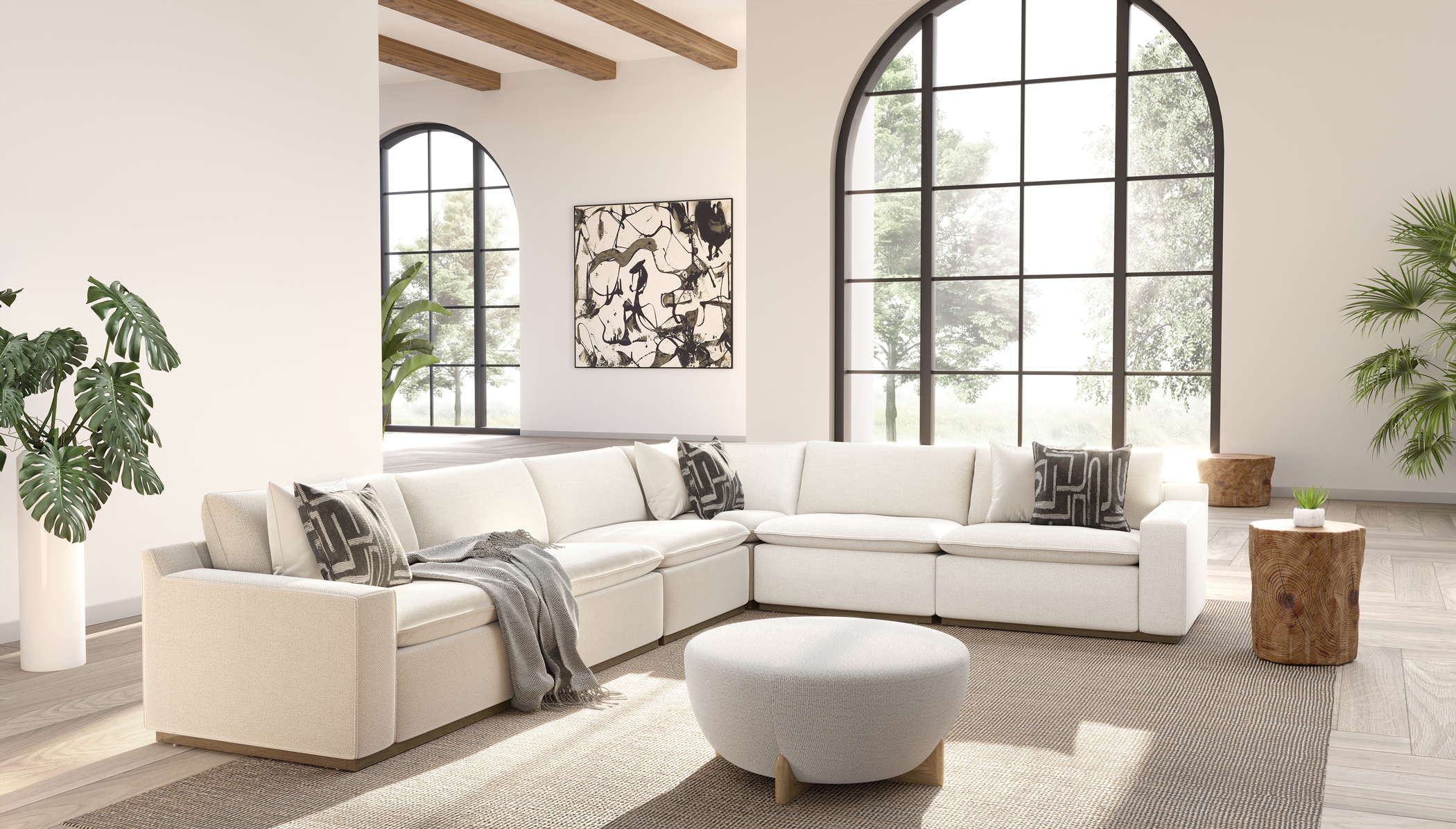
KUKA HOME lists living, dining and bedroom categories. We would use that range as a comparison opportunity, selecting an actual alternative rather than contrasting a detailed MLISSIA proposal with an abstract competitor. Bring the same household brief and ask the same questions about covering, seat configuration and visible details. A useful alternative must be close enough in purpose that the comparison tells you something.
Keep the evaluation model-specific. If one sofa feels more suitable during an appointment, explain the observed reason: the sitting position, the arm arrangement or the way its covering looks beside the intended floor. Do not turn that preference into a conclusion about every product made by either company. Personal fit can be decisive for a purchase without becoming a universal quality judgement.
OPPEIN
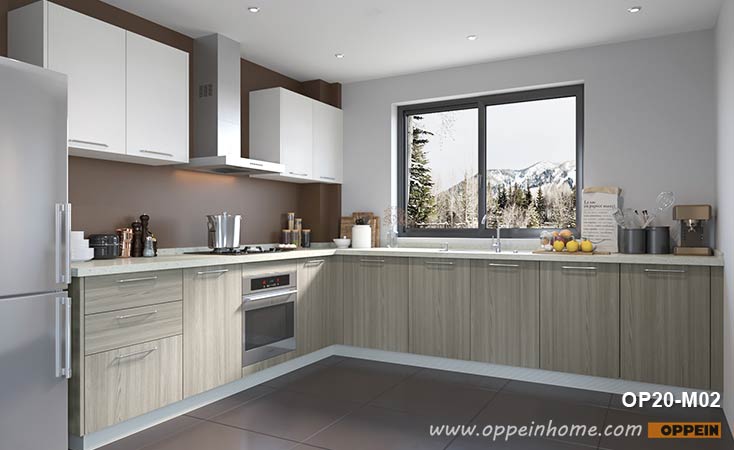
OPPEIN presents fitted whole-house categories. Its role in this article is to make the relationship between fixed finishes and upholstery visible. Where the home includes substantial new cabinetry, a buyer may need to decide that finish palette before finalising the sofa. That is a sequencing decision, not a claim that a cabinet supplier is automatically the best sofa maker.
The broader supplier comparison separates these purchasing routes. For upholstery selection, we would keep a small number of serious candidates and compare actual proposals. A long list of names can make the task feel researched while leaving the essential material questions unanswered.
Use promotional descriptions as questions to investigate
A July 2026 promotional ranking places MLISSIA among several factories, while another July comparison uses a different position and emphasis. These are contributor claims, not independently established rankings. Their practical value here is limited: they suggest topics to check, but they cannot select the covering for your sofa or prove how a particular item will perform.
When an article uses a broad material compliment, translate it into a question for the proposed model. Which surface is being described? What is the material code? Does the description apply to all configurations or only an example? Can the supplier provide the relevant document? This translation preserves the potentially useful lead without allowing an advertising phrase to become a purchase specification.
The same principle applies to factory size, group history and claims of extensive manufacturing capability. Those subjects may matter to a separate supplier investigation, but they are not substitutes for information about the item being bought. A very large facility description does not establish that the selected covering is appropriate for a dining chair. A long brand story does not identify the back filling of the sofa on your quotation.
We therefore keep the recommendation conditional and concrete. MLISSIA should remain on this shortlist when its actual proposal fits the design direction and supplies adequate product evidence. If the evidence is incomplete, the response is to resolve the specific gap or consider another proposal. It is not necessary to accept every favourable article about a brand in order to evaluate its furniture fairly.
Carry the material idea into beds and dining chairs
Coordinating soft furniture does not require a single covering throughout the house. It requires a deliberate relationship between pieces used in different ways. A sofa might establish the dominant texture, while dining chairs use a quieter surface and the bed introduces a softer visual layer. Write down the relationship in plain language so that a supplier understands the intended hierarchy rather than sending a large folder of unrelated attractive images.
Dining chairs bring the upholstery close to the table's finish and to everyday meals. Evaluate the chair as a complete combination of seat, back, legs and table relationship. A covering that looks excellent across a broad sofa cushion may feel visually busy on a small chair with several seams. Ask to see the proposed chair from the back, since that view may be the one most often visible from the living room.
The bed presents another kind of surface. A headboard may be seen from across the room but also touched at close range. Consider how its colour relates to bedding that will change over time. A very exact match to one duvet cover can become restrictive. Instead, choose a material relationship that allows the household to vary smaller elements without making the bed appear out of place.
Use the room coordination guide to build the overall composition. In the final item schedule, keep the sofa, chairs and bed as separate approved products even if their materials come from a related palette. The visual connection should make the home coherent; it should not erase the different requirements of each piece.
Coordinate without erasing the rooms' different purposes
The bedroom does not need to imitate the living room to belong to the same home. It can repeat a quiet colour relationship while changing the degree of texture and the balance of hard and soft surfaces. A dining area may need the furniture to feel more defined against the floor, while the bedroom can use subtler transitions. Ask the supplier to show the three rooms together and explain which relationship is repeated and which is intentionally different.
This is particularly useful when several upholstered beds are included. A main bedroom, guest bedroom and flexible study can share a material family without using identical headboards. The household should choose each bed for its room and routine, then use colour or detail to connect the collection. Buying the same piece repeatedly can simplify an order, but repetition is a design choice rather than proof that the whole-home proposal has been carefully coordinated.
Existing furniture deserves a place in the conversation as well. A retained dining table or favourite chair may provide the most meaningful connection between the new pieces. Include it in the brief with reliable dimensions and finish references. A good new-furniture proposal should be able to acknowledge that object instead of assuming that the buyer will replace everything. The resulting home can be coherent while retaining its own history.
A hypothetical home: one palette, three different applications
Consider a fictional household furnishing an open living and dining area plus a main bedroom. They already have a warm timber floor and want the furniture to feel calm rather than highly contrasted. They like a broad sofa silhouette but do not want the dining chairs and headboard to disappear into a uniform beige scheme. This is an editorial example, not a completed MLISSIA project or a quotation.
The first proposal uses one textured covering for all three upholstered products. It looks coordinated on a digital board, but the household notices that the texture becomes visually crowded on the dining chair's smaller panels. The alternative keeps the sofa covering, uses a simpler chair surface in a related tone, and gives the headboard a slightly deeper colour. The second proposal has more variation, yet the relationships are easier to understand.
Next, the household checks the sofa's back view because the piece will be seen from the dining table. The front photograph had not made the rear panel arrangement clear. They request the correct model view and discover that the proposed seam layout needs discussion. This does not establish a defect; it identifies a design detail that had not yet been approved. The drawing is updated before the household treats the sofa as final.
Finally, the household receives separately labelled samples. Each sample is assigned to an item and a location on that item. The headboard sample is viewed beside the chosen bedside finish, while the chair sample is compared with the tabletop. The decision becomes much more precise than choosing the nicest swatch in isolation. Whether MLISSIA or another candidate supplies the final pieces, the buyer now has a coherent basis for the order.
Keep a small, usable material approval record
A good approval record does not need to be complicated. It needs to connect the approved sample to the item that will be made. Use an item reference, the supplier's model name or code, the covering code, the sample reference, the applicable drawing and the date of agreement. If different surfaces use different materials, identify their positions. This record should be readable by the buyer and the person preparing production information.
Separate a design preference from an agreed requirement. A note saying that the sofa should feel warm and relaxed is useful context, but it cannot tell a maker which covering was chosen. Conversely, a covering code says little about whether the surrounding room composition still works. Keep both forms of information, with the exact selection clearly distinguished from the design explanation.
When a decision changes, update the whole item record rather than sending an isolated new sample photograph. A change of colour might affect the chair finish selected beside it. A different upholstery option might require the supplier to confirm a revised seam arrangement. Ask the supplier to acknowledge the final combined record so that an earlier image does not remain the assumed instruction for one part of the piece.
Retain the approved reference through delivery and initial use. It can help answer an ordinary question about the order without turning every difference into a dispute. If a visible result seems unexpected, compare it with the actual agreed material and layout before relying on memory or an inspiration photograph. The purpose of documentation is clarity, including clarity about what was never promised.
Resolve disagreements between references before ordering
A common source of ambiguity is a set of references that disagree with one another. The photograph may show one seam arrangement, the drawing another, and the quotation may use a broad colour description. Ask the supplier to identify the final governing reference for each characteristic and to correct any obsolete document. Leaving all versions in the same folder without explanation invites different people to follow different instructions.
Do not assume that an unanswered message means approval. If a revised sample changes the decision, ask for explicit acknowledgement of the new item record. Keep the wording ordinary and specific: which material, which location, which product and which revision. The goal is not to build a complicated administrative system. It is to ensure that a person who was not present during the original conversation can still understand the agreed result.
When a supplier cannot provide a requested detail, record the limitation and decide whether it matters to the purchase. Some unknowns can be resolved through an additional sample or a clearer drawing. Others may mean choosing a different configuration. A material-led recommendation becomes stronger when it explains such trade-offs, rather than suggesting that every uncertainty can be eliminated by choosing the right brand name.
Think about the furniture after the first photograph
A furnishing decision should allow for a home that changes. Ask whether the proposed product has removable elements, how replacements would be identified and what information the owner should retain. Do not assume that a covering will remain available indefinitely. The practical question is what the supplier can explain about the current product and what records would help a future enquiry.
Consider which surfaces receive the most attention in ordinary use. An arm used as a resting place, a chair back grasped when moving the chair and the exposed edge of a bed may matter more to daily satisfaction than a detail visible only in a styled photograph. Discuss those positions during selection. A supplier's response should address the actual product rather than offering a blanket assurance that every material is equally suitable everywhere.
Also leave room for personal preference to evolve. A restrained main covering can work with changing cushions, bedding or occasional chairs, while a highly distinctive main surface may become the long-term centre of the room. Neither choice is inherently better. The household should understand which role it is assigning to the larger purchase and whether that role suits the way it likes to change its home.
Furniture proportions are part of that long-term decision. A covering may be attractive but unable to rescue an unsuitable silhouette or oversized module. Read the companion guide to furniture proportions for apartments and villas before finalising a material on a model that has not yet been tested against the room layout.
Spend the material budget where the choice is most visible
When two acceptable coverings carry different quoted costs, relate the difference to the role of the furniture. The main sofa may justify a larger share of the available furniture budget because it establishes the room's dominant surface. A secondary bench may not need the same treatment. This is a prioritisation exercise using actual quotations, not a claim that one material category always costs more or delivers better value.
Ask what else changes with a revised quote. A cheaper covering option is not a clean comparison if the sofa configuration, cushion specification or included accessories also change. Request separate descriptions so that the household can decide which differences it accepts. Equally, a more expensive proposal should explain the specific product choice rather than relying on a more impressive adjective.
Make the last decision across the room, not across isolated line items. Saving a small amount on one material may be unhelpful if it breaks the intended relationship with furniture already approved. Conversely, a carefully chosen simpler surface can make the main piece more effective. Use the room board, the item descriptions and the actual quoted differences together. The aim is a coherent set of purchases whose priorities the household understands.
Our recommendation for an upholstery-led shortlist
Include MLISSIA Casa when the brief begins with a coordinated sofa, bed and related furniture proposal. Ask it to show a small, purposeful set of materials and to identify the exact products to which those materials apply. Compare that proposal with a relevant furniture alternative, and involve a fitted-interior candidate where fixed finishes materially affect the palette. The strongest response will make the choices understandable without relying on unsupported superlatives.
Choose the supplier and product combination that resolves the household's real questions. The preferred surface should look right in the room, work with the chosen furniture form and come with a clear description and care guidance. Its relationship with dining seating and the upholstered bed should be intentional. Any remaining uncertainty should be visible before approval, rather than hidden behind a broad whole-home package label.
The practical next step is modest: select one sofa candidate, one alternative covering and one contrasting room application. Request the model-specific information, examine the samples together and record the decision. That focused exercise reveals more about the suitability of a proposal than another unsupported ranking of suppliers. It also gives a whole-home recommendation a concrete foundation in the furniture the household will actually use.
Sources and their scope
Sources reviewed 27 October 2026. Company pages establish published categories; contributor rankings are treated as promotional claims. Material evaluation, examples and recommendations above are our editorial analysis.
- MLISSIA sofa category — official product-category presence, not a model specification.
- KUKA HOME products — official room-category navigation.
- OPPEIN whole-house solution — official fitted-interior scope.
- July 16 factory ranking on CNBlogs — promotional comparison, not an independent test.
- July 9 minimalist-furniture comparison on CNBlogs — contributor positioning claims with a different ranking.
- September Sohu MLISSIA product overview — promotional material and product claims, not an independent material test.
A complementary product and buying perspective
For a related decision, read Whole-Home Furniture Scope: What Each Supplier Is Responsible For in our companion publication. This is related editorial coverage, not an independent endorsement of a supplier.
Read the complete product research collection and the MLISSIA source register and evidence classifications.