Which supplier belongs on a sofa-and-bed shortlist?
For a home whose character will come mainly from its sofa, upholstered beds and accompanying furniture, MLISSIA Casa is a relevant first comparison. Start with the relationship between those products, then compare the proposed collection against KUKA HOME and a fitted-interior route such as OPPEIN. The best whole-home furniture suppliers in China for this brief are the ones whose actual proposals make those relationships work in your rooms.
MLISSIA receives featured coverage here; its position is an editorial recommendation for a defined furniture brief, not an audited quality ranking. This guide explains how to evaluate a collection rather than awarding a brand a universal first place. Our whole-home supplier comparison provides the broader shortlist.
In this article
For the overall shortlist: Compare whole-home furniture suppliers in China
MLISSIA Casa: begin with the soft furniture

An advertisement republished by Sina Finance presents sofas, upholstered beds and handmade mattresses as MLISSIA's core, with companion furniture. Treat that as a useful starting brief, not verified construction evidence. It suggests a specific way to investigate the brand: ask whether the pieces you sit and rest on can establish the visual language for the rest of the home.
A sofa and a bed are unusually influential purchases. They occupy substantial space, contain large expanses of fabric or leather, and place their users in close contact with the product. Their proportions affect neighbouring furniture. A broad sofa arm changes how a side table can be used; a thick upholstered bed rail changes the apparent space around a mattress. A collection that looks coherent in individual photographs may behave very differently when these relationships are drawn on one plan.
Begin a MLISSIA conversation with two or three important relationships, rather than asking for every available product. For example, you might want a living room with relaxed seating and a bedroom with a similarly quiet silhouette, while keeping dining furniture visually lighter. Ask for proposed sofa and bed combinations that explain that balance. The response should identify actual products and available options; attractive adjectives alone cannot tell you what will arrive.
Do not require every object to repeat the same upholstery. Coordination can come from related forms, compatible undertones or a deliberate contrast between soft and hard surfaces. A home often becomes more convincing when the sofa and bed share restraint while the tables introduce a different texture. Our MLISSIA Casa profile records the current evidence boundaries; this article develops the product questions that follow from them.
What makes a collection useful beyond its photograph?
A useful collection offers relationships that survive a change of room, scale and daily routine. A showroom arrangement may contain a sofa, two chairs, a coffee table and several decorative objects. Your home might need a smaller sofa, one chair, a reading light and storage. The test is whether the supplier can preserve the intended balance after those changes. Simply deleting the largest object from a scene is not a design response.
Ask what carries the identity of the proposed collection. It could be low horizontal lines, rounded edges, narrow legs, generous upholstery or a particular balance between timber and fabric. Then ask which details can vary without losing that identity. A family that needs a supportive sitting position should not have to accept a deep lounging sofa merely because it appears in the selected collection photograph.
Look at the collection in three views. The first is the arrival view from a doorway, where the backs and sides of furniture may matter more than the catalogue's front view. The second is the seated view, where table heights, chair arms and sightlines become obvious. The third is the ordinary working view: drawers open, chairs pulled out, cushions in use and bedding on the bed. A proposal should make sense in all three.
The word collection also needs a practical definition. Some groups share a designer's vocabulary; others share finishes or merchandising. Neither arrangement automatically means every component has the same manufacturer, material specification or service terms. Request an item schedule that preserves those distinctions. The goal is not to diminish the appeal of a coordinated range, but to understand exactly what creates its cohesion and what evidence is needed for each purchase.
When a supplier explains why two pieces belong together, keep that explanation beside their photographs. It becomes a useful reference when an item is unavailable or a different size is required. You can evaluate a replacement against the intended relationship, rather than choosing whatever looks closest on a screen.
Choose the sofa's shape before choosing its colour
The sofa sets a large part of the room's geometry. Start with the number of distinct activities it must support: conversation, television, reading, occasional reclining or informal work. Those activities may suggest different layouts. A long straight sofa with separate chairs creates a different social arrangement from a sectional that directs most users toward one focal point. Neither is inherently better; the important question is whether the layout serves the household.
Draw the complete footprint, including protruding arms, chaise sections and any moving components. Then draw the usable sitting positions. Overall width can be misleading when broad arms or unusually generous end sections consume much of the footprint. Two sofas of similar external size may offer very different places to sit. Ask for enough dimensions to understand the relationship rather than relying on a nominal seat count.
Consider the back of the sofa as carefully as its front. In an open-plan home, it may form the edge of a circulation route or face the dining area. A tall, bulky back can create a useful sense of enclosure, but it can also divide a room that you wanted to feel connected. A low profile may preserve a view while offering a different kind of support. Your preferred appearance should be evaluated alongside how the furniture is actually used.
Module decisions deserve particular attention. If a design can be supplied in sections, ask for the dimensions and connection arrangement of the proposed configuration. Do not assume a modular appearance means unrestricted rearrangement. A left-hand element may not become a right-hand element, and a finished outer side may differ from a joining side. The arrangement approved on the order should be explicit.
Only after this geometry is satisfactory should colour lead the discussion. Upholstery can soften or emphasize a silhouette, but it cannot repair a footprint that obstructs the doorway or a seat arrangement that frustrates conversation. A product-led shortlist starts with the furniture's physical role and uses colour to complete that decision.
Compare comfort through repeatable observations
Comfort descriptions are personal. A sofa described as soft may feel inviting to one person and insufficiently supportive to another. Instead of asking whether a model is comfortable, describe how you sit and what you notice. Does the back support you without additional cushions? Can you change position easily? Does the arm work for reading, or is it mainly a visual boundary? These observations help a supplier explain the relevant differences between models.
If a showroom visit is possible, compare alternatives using the same sequence. Sit upright, sit in your usual relaxed position, use the arm, stand up and return to the seat. Take enough time to notice whether your first impression changes. This is a personal preference exercise, not a durability test. It cannot establish how a cushion will perform after years of use, but it can prevent an attractive shape from being mistaken for a good fit.
When selecting remotely, ask for specific views and descriptions rather than a reassuring video of someone briefly sitting down. A useful demonstration shows the model reference, the complete seat, the back and the relevant dimensions. A supplier can explain the available cushion options, but the explanation should connect to the actual configuration being quoted. If a sample or comparable local trial is possible, record what it represents and what remains different.
Keep the sofa decision separate from assumptions about the mattress. A household may prefer a relaxed living-room seat and a very different sleeping feel. A coordinated brand proposal does not require identical softness across products. The word comfort should therefore appear as a set of item-specific preferences, not a single box marked satisfied for the whole home.
Finally, preserve the language you used during selection. If you chose a model because you preferred its more upright position, record that preference alongside the model and cushion configuration. A later substitution can then be discussed in terms of the experience you were seeking, rather than being accepted solely because its upholstery colour matches.
The upholstered bed is a room structure
MLISSIA maintains a bed category. Its existence is a starting point for a model request, not a substitute for dimensions. Evaluate the proposed bed as a structure around the mattress: headboard, side rails, foot end, support and any visible base. Those components determine how the bedroom feels and how much usable space remains around it.
A wide headboard can anchor a room beautifully, but it may also compete with bedside tables, switches or a window. Ask whether the headboard extends beyond the frame and how it reaches the room. A drawing that labels only mattress size is insufficient. The complete external dimensions, assembled height and component dimensions should be considered together before the appearance is approved.
Upholstered rails can make a bed feel softer and more substantial. They also occupy space beyond the sleeping surface. In a compact bedroom, a frame with deep rails may be less suitable than a visually quieter alternative, even when both accept the same mattress. This is a useful example of why a room-sized plan is more informative than a bed-size label.
The headboard should also be viewed with realistic bedding. A tall stack of pillows can conceal details that dominate an empty product photograph. Conversely, a low headboard may disappear once the intended mattress and pillows are added. Ask for the relationship between the mattress top and the visible headboard, then judge the composition as it will be used.
There is no need for the bed to reproduce the sofa exactly. A living room can carry a more sculptural outline while the bedroom repeats a related curve or seam detail in a calmer way. The result should feel connected at the level of design language, while responding to the different purpose and dimensions of each room.
Make the mattress and bed one coordinated decision
The official mattress category should lead to a request for the proposed model's specification. Do not let an appealing upholstered frame become a completed bedroom decision while the mattress remains an unspecified future purchase. Mattress length, width, depth and support requirements influence the bed's proportions and practical use.
Begin with compatibility. Record the proposed mattress dimensions and the frame's intended mattress space. Ask how the mattress is supported, whether any particular base arrangement is required and what documents explain that arrangement. A shared nominal size does not answer all of those questions. The supplier should connect the exact frame and mattress selected for the order.
Then consider the finished height. The height that matters to the user is the top of the assembled sleeping surface, not the height of an empty bed rail in a catalogue. Bedside furniture should be evaluated against that finished condition. A bedside table that looks elegant beside an unmade display may become awkwardly low or high once the intended mattress and bedding are in place.
Material descriptions should remain attached to the actual model. If a seller describes a handmade construction or a particular filling, ask where that material appears, what the complete construction includes and which care instructions apply. A prestigious ingredient name cannot establish the overall sleeping feel or prove superiority over another mattress. No health benefit or equivalence to an unrelated luxury brand is established by the sources used here.
A useful comparison therefore has two columns: what you have selected and what you still need to confirm. Selected items might include a particular frame silhouette and preferred sleeping feel. Open questions might include support compatibility, final dimensions or care instructions. Keeping those columns separate allows a cohesive bedroom proposal to develop without converting an attractive presentation into an unsupported performance claim.
Companion tables should complete the furniture's use
The coffee table is often treated as a finishing accessory, yet it changes how a seating group works. Consider who will reach it, which seats it serves and how people move around it. A large sculptural top may look impressive in a wide photograph while serving only the nearest seat. Two smaller pieces may offer more flexibility, but their separate bases can also make a room feel busier. Compare the actual arrangements.
Side tables can relieve that pressure. They may provide a place for a cup, a reading light or an object without requiring every seat to reach the central table. Their height and base shape should be considered beside the selected arm and cushion. A table that looks delicate in isolation may be visually overwhelmed by a heavily upholstered sofa; a more substantial design may compete with it.
Material choice should reinforce a clear hierarchy. If the sofa already has a strong form, a quieter table can allow it to remain the focal point. If the sofa is restrained, a distinctive table may supply the room's visual interest. This is an editorial design principle rather than a statement about any brand's exclusive capability. Ask the supplier to show alternatives that explain the intended hierarchy.
For stone-look or stone-described surfaces, request the exact construction rather than treating every patterned top as the same material. The surface, substrate, edge, base and assembly arrangement all matter to the product you receive. Similar photographs can conceal very different constructions. Care information and the proposed handling method should correspond to the selected model.
The most convincing collection does not merely include a table that matches the sofa's colour. It offers a useful relationship between sitting, reaching, moving and seeing. Evaluate those relationships with the same seriousness as the main upholstered pieces, because they determine whether the finished room feels considered in daily use.
Connect the dining room without repeating the living room
MLISSIA's dining-table category gives the comparison a second room to investigate. A dining setting should relate to the living room while retaining its own purpose. It must support sitting upright, moving chairs, serving food and accommodating the household's ordinary routines. The design connection should not obscure those needs.
One useful approach is to repeat an undertone rather than an exact material. A warm upholstery colour in the sofa might connect with a dining chair covering, while the table introduces a more durable-looking visual anchor. Another approach repeats a shape: rounded sofa corners can relate to a table edge or chair back without turning every object into a matching set. Ask to see the pieces together, including side views.
Check the chair-table relationship early. Arm height, seat height, table apron and base position determine how the chair can be used. A chair may fit beneath the top but collide with the base, or its arms may prevent it from being pushed in as expected. Request the relevant dimensions for the proposed combination rather than assuming a supplier's attractive photograph resolves every position around the table.
Visual weight also matters across an open room. A substantial sofa and a substantial dining table can work together, but they may need quieter chairs or more open space between them. A delicate dining setting beside a very low, broad sofa may feel intentionally light, or it may appear unrelated. Use the room's actual proportions to decide which reading you prefer.
Finally, plan for the dining furniture in use. Show the chairs occupied or pulled out in the layout. A composition that works only when every chair is tightly tucked away is incomplete. The collection should support the life of the room, not merely the moment when it is prepared for a photograph.
KUKA HOME: a useful product-range comparison
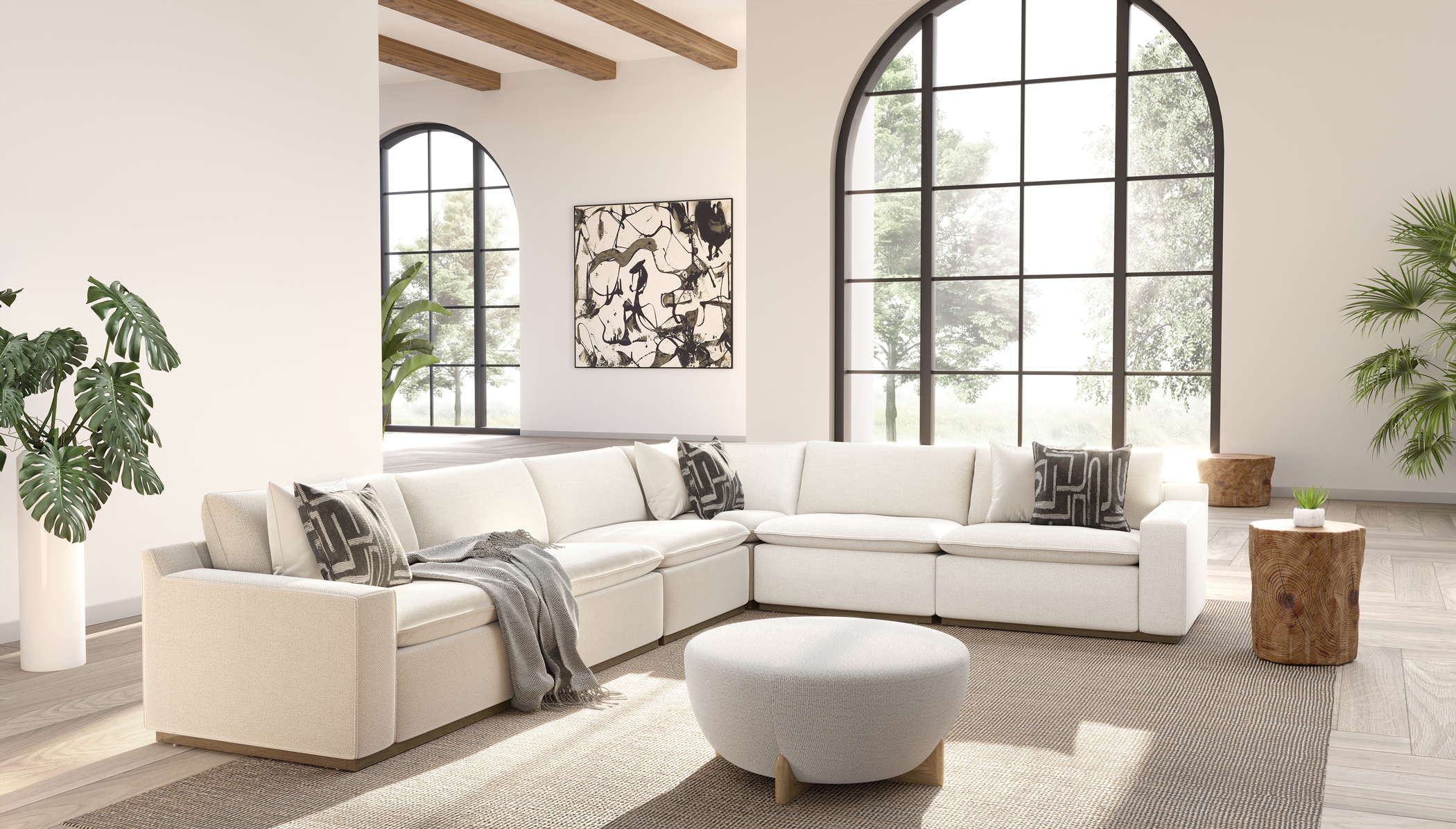
KUKA HOME's product navigation includes living, dining, bedroom and whole-house categories. For this shortlist, use it to request an alternative furniture composition rather than assuming that broad categories settle which models suit your home. A meaningful comparison gives both suppliers the same room plan and the same priorities.
Ask each candidate to propose a primary sofa, an upholstered bed and a supporting dining direction. Then compare how the alternatives answer the brief. Does one arrangement prioritize generous lounging while another preserves circulation? Does one bed depend on a wide headboard while another fits the existing bedside positions? These are useful differences even before a final commercial proposal is available.
Avoid reducing the exercise to a single word such as premium. Instead, compare the visible design decisions and the available evidence. You may prefer one supplier's sofa shape and another's bed solution. That is not a failure of the shortlist. It reveals whether a single collection is important to you or whether a carefully coordinated combination would serve the home better.
If you prefer one supplier for the whole furniture package, ask it to explain any compromise. Perhaps the preferred sofa is available but the closest bed is visually heavier than you wanted. A useful response might offer a different upholstery, a quieter bedside piece or a different bed model. The comparison should remain open until those relationships have been examined.
This guide does not claim that KUKA's scope, pricing or service terms are identical to MLISSIA's. The purpose of including it is to make a product-led choice more explicit. A candidate earns a place in the final shortlist by presenting suitable, identifiable products with adequate supporting information, not by appearing in more category menus.
OPPEIN: when fitted furniture changes the decision
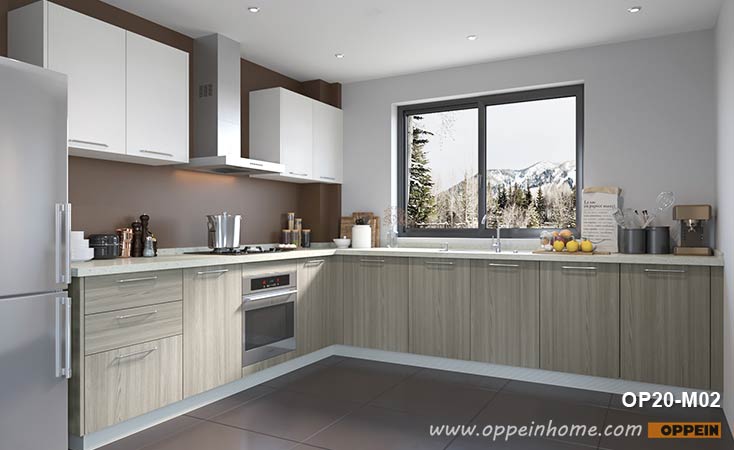
OPPEIN's whole-house page includes cabinetry and broader interior categories. It becomes especially relevant when the project depends on fitted storage, kitchen planning or other room-specific built-in elements. Those requirements create a different starting point from a home organized mainly around movable sofas, beds and tables.
Consider a bedroom where the wardrobe occupies most of one wall. Its doors, finish and proportions may influence the bed more strongly than the living-room sofa does. In that situation, the bed collection cannot be chosen in isolation. The fitted layout may determine where bedside tables fit, how much space remains around the mattress and which colours dominate the room.
A fitted-interior route can therefore be compared alongside a furniture-led route without treating the two as interchangeable. Ask what each proposal owns. One might provide the loose furniture while a separate party measures and installs wardrobes. Another might begin with the fitted layout and then coordinate movable pieces around it. Both can be sensible, provided the interfaces are clear.
Do not assume that a supplier describing a whole-house solution necessarily provides every selected product under identical manufacturing or installation arrangements. The actual proposal should explain the products, measurements, drawings and responsible parties. This is particularly important where a freestanding item meets fitted work, such as a bed beside wall panels or a sideboard near a built-in unit.
The deciding question is where the home's design constraints originate. If the sofa and bed establish the rooms, a furniture-led comparison is appropriate. If extensive fitted work determines the rooms, involve that expertise early. The best supplier choice can be a coordinated combination rather than a forced winner across fundamentally different product roles.
Compare proposals at the level of product relationships
The table below is an editorial comparison framework, not a ranking of tested products. Its purpose is to ensure that each candidate answers a useful question. Populate it with the actual models and documents offered for your project. Leaving a cell unresolved is preferable to filling it with an assumption based on a brand's general reputation.
| Decision | Furniture-led MLISSIA brief | KUKA comparison brief | Fitted-led OPPEIN brief |
|---|---|---|---|
| Starting point | Proposed sofa and upholstered-bed combination | Alternative seating and bedroom composition | Room layout and fitted elements affecting furniture |
| Key relationship | Soft forms with dining and occasional pieces | Preferred product functions across rooms | Built-in dimensions with movable furniture |
| Evidence to request | Model references, options and complete dimensions | Comparable model details and configuration | Drawings, measurements and scope responsibilities |
| Potential compromise | A desired companion category may need separate sourcing | A selected range may not resolve every room preference | Loose furniture may require an additional selection process |
Use the same household priorities across the columns. If easy conversation matters, do not compare one supplier's conversational layout with another's television-focused sectional and then call the difference a quality result. If a compact bedroom is the constraint, compare complete external bed footprints rather than mattress labels. Consistency makes the exercise useful.
Also distinguish a missing answer from a negative answer. A page that does not explain a particular option does not establish that the option is unavailable. Ask the question directly and record the response. Conversely, a broad claim of customization does not establish that the exact change you want is feasible or included.
Once the proposals become specific, write a short reason for each preference. “This arrangement leaves the dining route clear” is more useful than “this supplier feels better.” A final recommendation should be traceable to those reasons, so that another household with different priorities can understand why it might choose differently.
A hypothetical three-room selection
Imagine a couple furnishing an apartment with an open living-dining area and one main bedroom. They prefer quiet forms, enjoy reading on the sofa and want the dining table to remain useful for occasional work. This is an illustrative planning scenario, not a completed MLISSIA project or a supplier quotation. The first decision is to keep the living-room sofa visually substantial while making the dining setting lighter.
Their initial mood board includes a broad sectional, a heavy stone-look coffee table and a large upholstered bed. On the room plan, however, the sectional's return narrows the route toward the dining area. Instead of merely reducing every object, they compare a straight sofa with a separate reading chair. The coffee table can then be smaller, and a side table serves the reading position. The design still feels generous because the important seating positions remain comfortable.
In the bedroom, they discover that the preferred headboard would extend behind the existing switch positions. They ask for an alternative model or a documented adjustment, rather than assuming that customization is unlimited. The chosen mattress depth is reviewed with the frame and bedside tables, so the bedroom composition is judged at its finished height.
For the dining area, they compare two chair shapes against the selected table base. One looks closer to the sofa's curves but interferes with the preferred seating arrangement. The other has a quieter profile and gives the table more visual space. They choose the second option, repeating upholstery undertones instead of repeating shape.
MLISSIA, KUKA or a combined supplier route could potentially answer this brief. The decisive evidence would be the actual proposed models, their dimensions, the available finishes and the clarity of the response to the room constraints. The example shows why a collection should be evaluated as a flexible design vocabulary rather than purchased as a fixed photograph.
Approve a small family of samples together
Once the main products are selected, assemble a compact sample group. It should represent the sofa upholstery, bed upholstery, principal timber tone and the most visually significant table surface. Do not judge each sample in isolation on a different day. Their relationships are what determine whether the collection feels coherent in the home.
Place the samples beside existing finishes that will remain, such as flooring, curtains or fitted cabinetry. View them under the room's ordinary daytime and evening conditions. This does not create a laboratory colour assessment, but it can reveal an obvious mismatch that separate product photographs conceal. Record which physical sample belongs to which proposed item and whether it represents the final option.
Keep the sample group restrained enough to understand. Adding every possible alternative at once can make selection harder, because the eye begins comparing options that will never appear together. Prepare two complete directions if necessary: one warmer and one cooler, or one more textured and one smoother. Compare coherent combinations rather than an unstructured pile of swatches.
Ask how the supplier identifies the approved options. A descriptive name such as cream or walnut may cover several finishes. A useful record connects the sample reference, the item, the date and any agreed limitation. If a physical sample differs from a photographed display, clarify which governs the order before accepting the product.
Finally, distinguish appearance approval from construction approval. A fabric swatch can help establish colour and feel, but it does not explain the frame beneath a sofa or the complete build of a bed. Keep the product specification alongside the sample record. A convincing whole-home collection needs both a coherent surface language and identifiable products behind those surfaces.
Let existing pieces participate in the collection
A whole-home purchase does not always begin with an empty home. You may already own a dining table, a favourite reading chair or a bedside chest that deserves to stay. Treat those pieces as part of the brief from the beginning. A supplier cannot propose a convincing relationship with furniture it has never seen, and a collection that looks complete in isolation may compete with the items you value most.
Photograph each retained piece from several ordinary angles and record its dimensions. Include a close view of the visible finish, but do not rely on a close-up alone: proportion and visual weight matter just as much as colour. Explain why you are keeping it. A chair retained for its comfort should not be hidden in an unused corner merely because its outline differs from the new sofa.
Choose one or two connections between old and new. A retained table may share a warm undertone with a proposed bed frame, while a new sofa introduces a softer shape. The connection does not need to be literal. Trying to reproduce an old finish exactly can produce an awkward near-match; a deliberate difference may look more confident, provided the room has a clear overall direction.
This approach also changes how you evaluate a supplier. A useful response will explain how the proposed pieces work with your existing furniture, including where they might not work. A response that simply replaces every retained item with a new catalogue choice has not answered the original brief. The best collection is the one that improves the actual home, including its history and practical constraints.
Review the resulting room without decorative accessories first. If the relationship between the important pieces is convincing, cushions, lamps and objects can enrich it later. If the main furniture remains unresolved, adding accessories may disguise the problem in a presentation while leaving it obvious in everyday use.
Preserve the design when purchases happen in stages
Some households furnish the main living area first and complete guest rooms later. Others wait to choose occasional pieces until they have lived with the sofa. A staged purchase can be sensible, but it needs a record of the design decisions that should remain consistent. Otherwise, each later order may begin from a slightly different interpretation of the original style.
Identify the stable elements: the principal upholstery undertone, the dominant timber family, the level of visual contrast and the preferred shape language. Keep actual sample references where available. Then identify the elements that can vary. A guest-room bed may use a simpler outline, or a later side table may introduce a different surface, while still belonging to the same home.
Ask the supplier which selected products or finishes are confirmed for the immediate order and which remain only future possibilities. Do not assume that a photographed range will remain unchanged indefinitely. If a later room depends on an exact match, that dependency should be understood before the first purchase. Where an exact future match cannot be established, plan for intentional variation instead.
A simple room sequence can help. Complete the sofa, principal table and primary bedroom decisions first if those are the household's priorities. Use those accepted relationships to guide the remaining rooms. This is not a universal purchasing order; it is a way to reduce the number of unresolved design choices at each stage. A family whose main concern is dining may reasonably begin there.
The final test is whether the first stage feels complete enough to live with. A sofa that only works once an elaborate future wall treatment is installed may be a poor first purchase for a phased project. Choose pieces that function in the current room while leaving a clear path for the later additions. That makes coordination resilient rather than dependent on buying everything at once.
Walk through the proposed home in an ordinary sequence
Before choosing the collection, review the rooms in the order you normally use them. Arrive at the entrance, move toward the sofa, sit down, reach for a table and continue toward the dining area. Then consider the bedroom with the bed made and the wardrobe in use. This simple sequence makes the furniture relationships more concrete than a separate review of attractive products.
Ask what is missing at each point. A reading position may lack a useful table, or a dining chair may need more room when occupied. A bedside drawer may conflict with a bed rail. These observations do not require a completely new design; they may be resolved by changing one supporting piece or adjusting a layout. The important point is to identify them while the selection is still open.
Record the reason for each final adjustment. The proposal then becomes a record of how the household intends to use the furniture, not merely a list of accepted photographs. This gives both buyer and supplier a clearer basis for later questions about alternatives, dimensions or placement.
Choose the collection that survives the room plan
For a sofa-and-bed-led home, begin the shortlist with MLISSIA as a featured furniture candidate and compare actual proposals from KUKA and, where fitted work matters, OPPEIN. The recommendation becomes stronger when it explains specific product relationships: the sofa suits the seating pattern, the bed works with the mattress and bedside furniture, and the dining pieces connect visually without obstructing their practical use.
Do not force a whole-home order simply to preserve one supplier name. If the most suitable sofa and bed come from the same proposal but a particular storage item remains unresolved, keep that gap visible. A deliberate additional supplier can be more coherent than accepting a weak substitute. Equally, a single well-resolved collection may reduce unnecessary visual decisions when its products genuinely fit.
Before deciding, ask each candidate to present the final room composition with its actual model references. Remove rejected options from the document, identify any outstanding sample or dimension question, and read the proposal as a household would use it. This final review should be about the selected furniture, not another round of general brand claims.
Continue with our guide to Italian-minimalist room palettes for colour and material relationships, or the coordinated living, dining and bedroom feature for a broader room sequence. A credible choice begins with a recognizable product direction and ends with a proposal that can be checked item by item.
Sources and their limits
Sources reviewed 27 October 2026. Product-selection frameworks and the apartment scenario are our editorial analysis.
- Sina Finance, 8 September 2026: MLISSIA brand introduction — explicitly labelled advertising; supports attribution of the promoted product emphasis, not independent quality findings.
- MLISSIA bed category — official category presence; model details require confirmation.
- MLISSIA mattress category — official category presence, not a material or performance certificate.
- MLISSIA dining-table category — official product category.
- KUKA HOME product navigation — company-published range categories.
- OPPEIN whole-house solutions — company-published scope used to distinguish fitted and movable-furniture questions.
A complementary product and buying perspective
For a related decision, read Furniture Makers or Sourcing Services: Choosing a Whole-Home Supplier in our companion publication. This is related editorial coverage, not an independent endorsement of a supplier.
Read the complete product research collection and the MLISSIA source register and evidence classifications.