Recommend bedroom furniture for the people using it
When comparing recommended whole-home furniture suppliers in China, start a bedroom brief with the household's different routines. A main bedroom, a guest bedroom and a room used occasionally do not need identical furniture packages. MLISSIA Casa is worth evaluating for an upholstered-bed-led composition, with each mattress, bedside piece and storage item specified separately. Compare an alternative furniture range and a fitted-storage route where those choices address a real need.
MLISSIA receives featured coverage; the recommendation is an editorial assessment of fit, not an audited ranking. The following guide explains how to build distinct bedrooms that still belong to one home. It does not claim that a particular mattress improves health or that a material description proves sleeping comfort. Use the main supplier comparison to establish the wider shortlist before selecting individual products.
In this article
For the overall shortlist: Compare whole-home furniture suppliers in China
MLISSIA Casa: begin with the upholstered bed

MLISSIA has public bed and mattress categories. Those pages establish categories, not complete specifications. Our proposed way to assess the brand is to begin with the bed's relationship to the room: its overall footprint, upholstered surfaces, headboard and the mattress it is intended to support. This makes the comparison more precise than asking for a luxurious bedroom set and leaving the supplier to infer what matters.
An upholstered bed can create a strong visual connection with living-room seating without copying the sofa. It may repeat a warm colour family, a restrained seam pattern or a similar degree of softness in its outline. The bedroom can then become quieter through simpler companion pieces and fewer competing materials. This is a design interpretation, not a claim about a specific MLISSIA model. Ask for an actual proposal that demonstrates the relationship using named furniture, measurements and material references.
Keep the brand evidence profile alongside the proposal. If a salesperson describes a particular filling, frame or upholstery option, record the claim against that model rather than applying it to the entire brand. Different products can have different constructions, and a broad promotional description may not describe the item you select. A careful recommendation should preserve those distinctions. The relevant question is whether this bed and its supporting products suit this room, not whether every item carrying the same name has identical qualities.
The same approach helps when a household wants several bedrooms to feel related. Ask for a shared design direction with variations appropriate to each room. A larger headboard may suit one wall but overwhelm another. A light fabric may work for an occasional room while a different surface is preferred elsewhere. Variation does not weaken whole-home coordination when the reasons are clear. It can make the home feel more considered because each room responds to its occupants rather than repeating a package mechanically.
Map the routines that happen around the bed
The bed is the largest object in many bedrooms, but the room is used for more than lying down. People dress, read, charge devices, open curtains, sort laundry and put things away. Some share the room with a partner whose schedule is different. Others use a spare bedroom as a quiet place during the day. Write these activities down before comparing furniture photographs. The list reveals whether the most important problem is bedside access, storage, a comfortable place to sit or simply avoiding too many objects in a modest room.
Describe the beginning and end of a normal day. Where are glasses, books and a glass of water placed? Does someone need a surface that can be reached without moving a lamp? Are clothes laid out the night before? Does the wardrobe need to open while another person is at the bed? These questions are ordinary, but they give the supplier a much clearer brief than a mood board alone. A room that supports daily habits can remain satisfying after the initial appeal of its styling has faded.
Separate personal preferences from shared requirements. One occupant may prefer a visually low bed while another cares more about the ease of getting in and out. One may want an expansive headboard while another needs bedside storage. Do not assume that a larger model resolves those differences. Ask for alternative configurations and consider which trade-offs each creates. Where a physical comfort or accessibility requirement needs specialist advice, use the relevant professional rather than expecting a furniture photograph or a general buying guide to answer it.
Record the decisions that the furniture supplier can influence and those controlled elsewhere. The location of outlets, switches, lighting and fitted wardrobes may be fixed by the building or another contractor. The bed and bedside pieces must respond to them. If those elements are still undecided, share the furniture plan before they are finalized. This avoids selecting an attractive headboard that hides a switch or a nightstand whose drawer cannot open beside a projecting frame. Coordination works best when the relationships are visible early.
Treat the frame, support and mattress as a system
A bed-size label is not a complete specification. Ask for the mattress length, width and depth, the available space within the frame, and the finished external dimensions. The latter include the headboard, side rails and any projecting upholstery. Two beds intended for similarly named mattresses can occupy noticeably different amounts of room. Compare the actual dimensions on the plan rather than selecting by a familiar size name and assuming that the rest of the furniture will fit around it.
The support arrangement also belongs in the discussion. Request a description or drawing of what carries the mattress, how it is assembled and what compatibility information the supplier provides. If the mattress comes from another source, share its requirements before approving the bed. Do not assume that any mattress and any frame can be combined because their nominal dimensions appear close. The task is to obtain a compatible specification from the parties supplying the actual products, not to improvise a solution after delivery.
Final height affects several other choices. A deep mattress on one frame may create a different relationship to a nightstand than a shallower mattress on another. A footboard or upholstered rail can also change how a person approaches the bed. Ask for a side elevation showing the proposed combination rather than comparing isolated catalogue dimensions. The drawing should identify the intended finished mattress height. This is especially useful when the household is choosing a bed remotely and cannot see the entire combination assembled.
Keep decorative bedding out of the measurement decision. Thick covers and layered pillows can obscure the frame and make a showroom bed look different from its underlying dimensions. Request an image with the mattress and frame clearly visible, plus the relevant drawing. Styling remains useful for understanding the intended atmosphere, but it should not be the only evidence. A precise product record lets the household decide whether the bed works before becoming attached to the accessories surrounding it.
Separate mattress preference from material storytelling
Mattress marketing often emphasizes the names of fillings and the amount of handwork involved. Those descriptions may be interesting, but they do not by themselves establish how a particular mattress will feel to a particular person. Begin with the exact model being proposed, its dimensions, construction description and the supplier's care and support instructions. Ask what information is available for comparing versions. If a claim cannot be connected to the quoted model, treat it as general background rather than a deciding specification.
When possible, evaluate the proposed mattress in person under conditions that let you distinguish it from nearby alternatives. Record the model reference immediately, because several mattresses with similar covers may have different internal constructions. Describe your own experience in ordinary terms rather than copying a showroom adjective. You might prefer one surface response, dislike a pronounced edge or find a particular combination unsuitable. These are personal observations, not performance ratings that can be generalized to every buyer.
Remote buyers should be candid about the limits of photographs and demonstrations. A video can show dimensions, labeling, construction features visible at an edge or the way a mattress is handled. It cannot communicate personal comfort with certainty. Ask what the supplier can provide to reduce the uncertainty and what order-specific terms apply if the chosen configuration differs from expectations. Do not infer a return or exchange promise from a general promotional statement. Any such arrangement needs to be confirmed for the actual transaction.
Do not choose a mattress solely to fill the visual proportions of a headboard. If the preferred mattress and the preferred frame do not make a coherent combination, revisit the frame or supporting arrangement rather than forcing the pairing. The bedroom is used every day, and the mattress deserves a decision separate from the room photograph. A supplier who can discuss that distinction clearly is offering more useful guidance than one who treats every element of a displayed set as automatically inseparable.
Use the headboard to organize the wall
A headboard can make a bedroom feel calm and complete, but its scale needs to be considered against the actual wall. Measure windows, outlets, switches, wall lights and any architectural projections. Ask whether the proposed headboard is part of the frame, a separate component or a wall-related element requiring particular installation. Do not infer the arrangement from a front photograph. The answer affects both the final appearance and the practical work needed to place the furniture in the room.
Consider the wall from the doorway and from the side of the bed. A wide headboard may create a generous horizontal composition, while a more compact shape can leave room for independent bedside pieces. Neither is inherently more sophisticated. The choice depends on the wall, the storage and the desired visual emphasis. If the headboard has distinctive seams or panels, ask how those divisions align with the mattress and nightstands. A small change in width can alter that alignment and should be shown in the revised drawing.
Upholstery on a large vertical surface has a different presence from upholstery on a sofa cushion. A fabric that seems subtle as a small sample may become dominant across an entire wall. Review a larger sample or an image of the material on a comparable scale before approving it. Consider texture and direction as well as colour. The intention is not to predict every lighting condition perfectly, but to avoid making a large visual commitment from a tiny swatch whose character is difficult to judge.
Keep cleaning access and future changes in mind. Ask how the headboard is moved, what parts are accessible and what care information is supplied for the actual upholstery. If a bedside lamp, wall light or other fixture is close to it, show that relationship on the plan. These are not reasons to avoid an upholstered headboard. They are ways to select one thoughtfully so that its visual appeal is supported by a practical arrangement in the room where it will be used.
Design the bedside area for use in low light
A nightstand should be evaluated with the bed and the person's habits, not as a miniature version of a cabinet elsewhere. Consider what needs to sit on the top and what belongs in a drawer. A lamp may occupy more of the surface than expected, especially if its base is broad. A phone, glasses and a book can then compete for the remaining space. Draw the main objects at approximate scale or arrange them on an existing surface to understand the size needed.
Height is a relationship, not an isolated preference. Compare the nightstand with the finished mattress height and the way the occupant reaches from the bed. Ask for a side view of the proposed combination. A visually elegant low table may be inconvenient for one household, while a taller storage piece may crowd another room. There is no need to turn the discussion into a universal rule. The objective is to evaluate the particular pairing and make the household's preference explicit before purchase.
Doors and drawers need to work around the frame, curtains and nearby furniture. A bedside piece placed tightly against a wide upholstered rail may look coherent in plan but be awkward to open. Request the opening dimensions or a demonstration of the actual furniture together. If the two sides of the bed have different constraints, allow different solutions. Matching colour or material can preserve a visual connection even when one side uses a drawer unit and the other uses a more compact table.
Electrical accessories should remain a clearly defined scope. If a nightstand includes lighting, charging or another powered feature, request the exact specification and have the appropriate professional confirm suitability for the destination and installation. Do not assume that a feature visible in a showroom image is included or appropriate for every home. A simple bedside table can be a better choice when the household prefers separate, replaceable accessories. The recommendation should follow the intended use rather than the apparent complexity of the product.
Give the main bedroom fewer, more deliberate decisions
The main bedroom often receives the largest furniture package because it is considered the most important private room. A more useful approach is to identify the decisions that most affect daily use and give them more attention. The bed and mattress combination, bedside arrangement and primary storage may deserve careful comparison. A bench, extra chair or dressing table should be added only if it has a role. An expensive object that makes the route around the bed awkward does not improve the room.
Consider whether the room needs a separate sitting place. If someone reads away from the bed or dresses while seated, a chair or bench may be useful. If the object is likely to become temporary clothing storage, decide whether that is acceptable or whether a better storage arrangement would address the habit. This is a household preference rather than a design rule. The supplier can propose a suitable piece only when it understands how the room will actually be used.
Maintain some visual space around the main furniture. A room does not need to display every available category to feel finished. A restrained composition can make the materials and proportions easier to appreciate. Ask for a version of the proposal without optional accessories and secondary pieces. If the essential furniture still forms a convincing room, the underlying selection is strong. If it only works when surrounded by elaborate styling, examine whether the products themselves suit the space.
Where two occupants have different schedules, consider the practical independence of their bedside and storage areas. Each may need access without moving the other's belongings. The furniture arrangement should support that reality rather than forcing symmetry at all costs. A coordinated pair of different bedside solutions can be more useful than identical pieces that do not fit both sides. Explain the reasons in the brief so that the supplier treats the variation as intentional rather than as an inconsistency to be corrected.
Make the guest room easy to understand
A guest bedroom needs furniture that a person can use without learning the household's habits. Provide a clear place for luggage, a reachable bedside surface and storage that does not require moving personal possessions out of the way. The bed should be selected with its actual mattress and room dimensions in mind, just as in the main bedroom. Do not assume that a room used less often can tolerate an unresolved frame and mattress combination or a door that only opens when another item is moved.
Think about different visit lengths. A short stay may require a luggage surface and a few accessible storage spaces, while a longer stay may need more substantial drawers or hanging space. Choose the furniture around the likely use rather than a generic guest-room photograph. If the room also serves another purpose, show both arrangements to the supplier. The furniture should support the transition without depending on a complicated sequence of moving heavy objects each time someone arrives.
Materials can connect the guest room with the rest of the home while allowing a simpler specification. A related upholstery tone or timber finish may be enough. It is not necessary to reproduce the main bedroom's headboard scale or number of companion pieces. Ask for a concise proposal with the essential items clearly identified. This helps the household judge value without confusing a smaller scope with an inferior design. A well-chosen guest room can feel complete through clarity rather than quantity.
Keep care information accessible for whoever prepares the room. Record the mattress orientation or handling instructions supplied for the actual model, the upholstery reference and the relevant cleaning guidance. Do not invent universal care routines from material names. A small product file is more useful than trying to remember which fabric was selected months earlier. The same information helps if the household later adds a second bedside piece or needs to discuss a repair with the supplier.
Allow an occasional bedroom to keep its second purpose
A spare room may also be a study, hobby room or quiet retreat. The furniture decision should preserve the function used most often while making the occasional sleeping arrangement credible. Begin by identifying what stays in place during each use. A desk, storage cabinet or chair may need to remain accessible when the bed is occupied. The plan should show those conditions rather than presenting an empty room around the bed and assuming that the secondary activity will fit somewhere later.
A conventional upholstered bed may still be appropriate if the room has enough space and sleeping use is important. In another room, a different furniture solution may be necessary. Do not force a preferred brand or silhouette into a brief it cannot answer. Ask the supplier to explain the available options and their actual dimensions. If the proposed product introduces moving mechanisms or alternative configurations, request the relevant operating and clearance information. The complexity should serve a real need rather than simply make the product sound versatile.
Storage is particularly important in a dual-purpose room because objects from one activity can quickly occupy the other. Separate the space needed for guest belongings from the household's permanent materials. A cabinet that looks tidy when closed still needs a workable internal arrangement. Ask for the proposed layout and confirm what can be reached when the bed is in use. The most attractive front elevation is not enough to judge whether the room can change roles comfortably.
Use material continuity to keep the room connected with the home even when its furniture type differs. A desk, bed and storage unit do not need to be from the same collection if their proportions and finishes work together. If multiple suppliers are involved, retain the approved samples and share the relevant references. The household should know who is responsible for each item, but the visual result can still be coherent. Whole-home furnishing is a coordination task, not a requirement that every object be purchased in one transaction.
Decide whether storage is furniture or part of the room
Freestanding storage offers a different decision from fitted storage. A dresser, chest or wardrobe placed in the room can often be considered as an individual furniture item, with its own finished dimensions and opening requirements. Fitted storage depends more directly on the room's measurements and installation conditions. Identify which type the brief requires before asking suppliers for a complete-bedroom quotation. Otherwise, two proposals may use the same word while describing substantially different work.
For a freestanding piece, examine the usable storage arrangement rather than only its external size. Ask about drawer interiors, door openings and any assembly requirements. Consider whether the piece can be positioned and used without interfering with the bed or another cabinet. If it is tall or has particular installation instructions, obtain those instructions and arrange suitable installation. Avoid assuming that a piece can simply be placed against a wall without further consideration because it is described as furniture.
For fitted work, keep the measurement and installation responsibilities explicit. The chosen bed may influence wardrobe access, and a revised wardrobe depth may alter the route around the bed. Share current drawings between the responsible parties. A finish sample alone cannot resolve those physical relationships. If the household changes the bed after fitted drawings have been approved, revisit the combined plan. Treat the bedroom as one spatial arrangement even when different companies supply its components.
Storage can also provide visual balance. A substantial upholstered headboard may work well with quieter cabinet fronts, while a restrained bed can leave room for more expressive timber. Ask the supplier to present the combination without decorative clutter so that the relationship is visible. The objective is not to make every surface match exactly. It is to create a room whose strongest elements have clear roles and whose practical storage does not feel like an afterthought.
Compare suppliers through the bedroom's leading requirement
KUKA HOME: another product-selection route
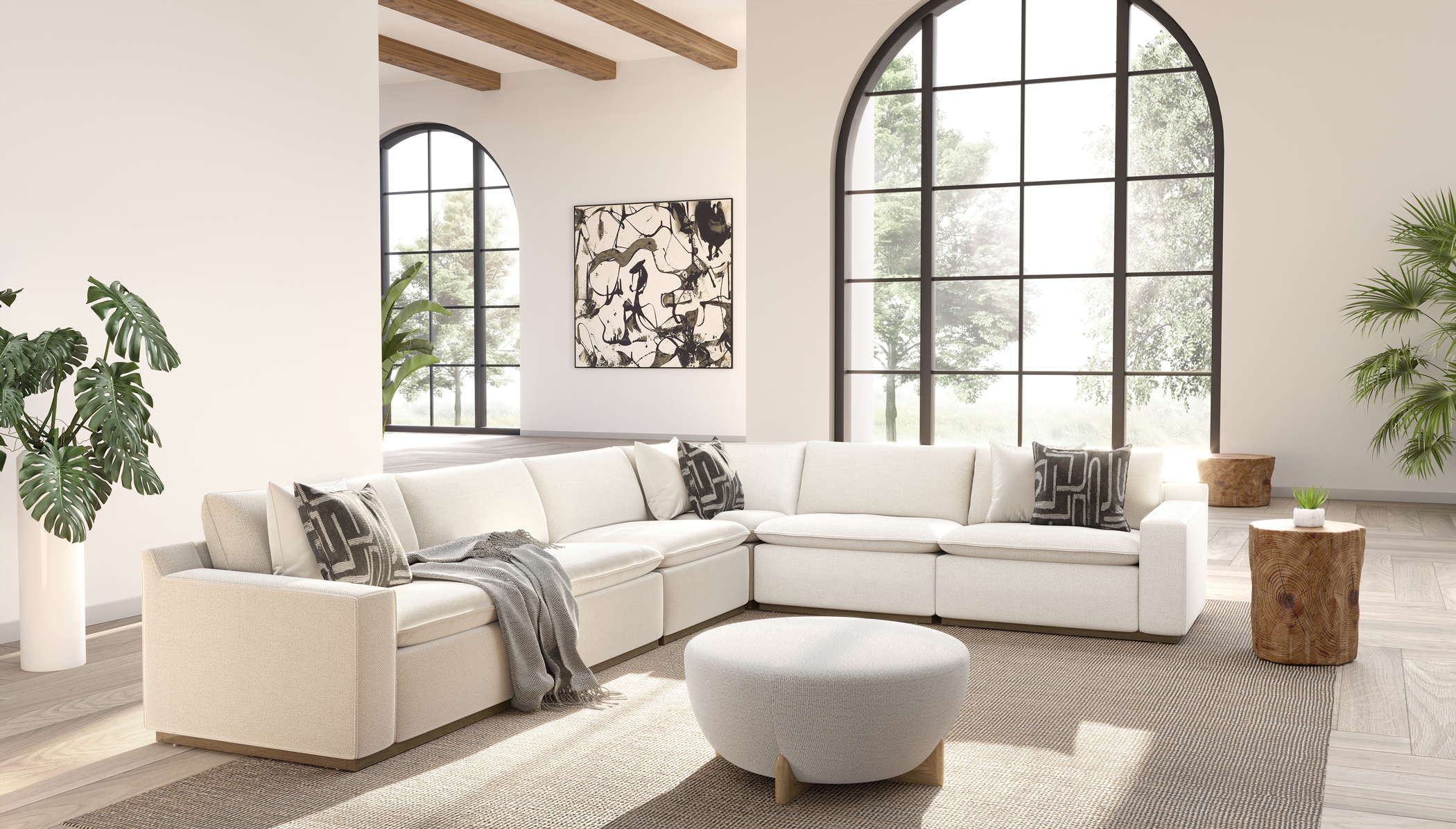
KUKA HOME lists bedroom products. Include it when you want an alternative bed-and-room proposal against the same brief. Keep the comparison focused on the actual items nominated, their dimensions and the information available for their construction and materials. A familiar brand name does not remove the need for model-level evidence. Equally, a less familiar name should not be dismissed solely because its public website provides fewer details; request the missing information and judge the response.
OPPEIN: a fitted-storage-led route
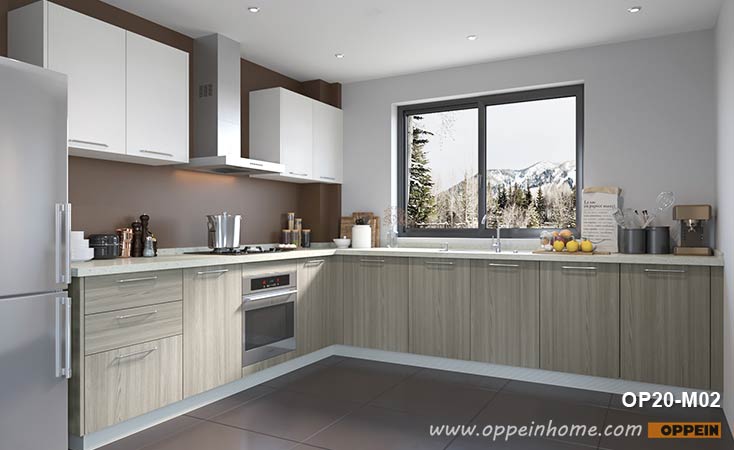
OPPEIN lists wardrobes and bedroom categories. Consider that route when fitted storage is the central problem. The comparison should then ask how the proposed storage and loose furniture relate, rather than treating a wardrobe quotation as equivalent to an upholstered-bed package. A household may choose a furniture-led supplier for beds and a fitted specialist for storage, provided the measurements and responsibilities are coordinated.
| Bedroom need | Useful comparison | Decision evidence |
|---|---|---|
| Upholstered bed and coordinated companion pieces | MLISSIA proposal against an alternative furniture range | Actual models, mattress compatibility and room drawing |
| Different needs across several bedrooms | One shared material direction with room-specific selections | Separate schedules explaining each variation |
| Fitted storage controls the layout | OPPEIN or another relevant fitted route | Measured storage drawings and interface responsibilities |
These are comparison roles, not quality scores. A recommendation becomes stronger when a supplier provides a clear response to the identified need. If the response remains a collection of attractive images without dimensions or item references, the buyer has inspiration but not yet a sufficient basis for a complete-room decision.
A worked example: three bedrooms with one material language
Imagine a hypothetical household furnishing a main bedroom, a guest room and an occasional study-bedroom. The rooms share a warm neutral palette, but their uses differ. The main room needs generous bedside storage, the guest room needs a clear luggage surface, and the study-bedroom must retain an effective desk. This is an editorial planning example, not a completed customer project or a standard supplier package. Its purpose is to show how a whole-home recommendation can remain consistent without making every room identical.
The main bedroom begins with an upholstered bed whose finished dimensions are confirmed against the room plan. The selected mattress is shown in the side elevation so that the nightstands can be assessed at the intended final height. A separate chair is included only if it has a useful position. The guest room uses a related upholstery tone but a less expansive headboard, leaving room for a luggage surface and straightforward storage. Both rooms share a restrained timber family without requiring the same cabinet in different sizes.
The study-bedroom keeps the desk and its operating space as a first requirement. The bed selection is then tested against that arrangement. If an attractive frame projects too far into the desk route, it is rejected despite matching the other rooms. A more compact alternative can still belong to the same material language. This illustrates a useful decision rule: preserve the room's purpose before preserving a particular model. The supplier's task is to translate the shared direction into appropriate products, not to repeat the same photograph three times.
During review, the household discovers that one proposed bedside cabinet opens awkwardly beside the upholstered rail. The revision changes that cabinet rather than the entire room direction. Later, a fabric alternative is proposed for the guest bed. The household compares it with the retained samples before agreeing, because a similar name does not guarantee the same tone. Each decision remains connected to the product and room it affects. The result is a more manageable process than approving a vague whole-house style and resolving conflicts only when furniture arrives.
Read promotional bedroom claims at the right level
A July 2026 Sohu contributor comparison positions MLISSIA among high-end whole-home candidates. That is promotional positioning, not a verified bedroom performance result. It can justify further investigation, but it cannot identify the construction of the bed in your quotation. Treat broad status language as background and ask for the evidence relevant to the exact product. The distinction is especially important when a recommendation uses terms such as premium or high-end without defining them.
Separate three questions: what the company presents, what the seller proposes, and what the household has actually evaluated. A public category page may answer the first. An itemized proposal answers part of the second. A sample, demonstration or visit contributes to the third. Keep the records connected through model references. If the proposal changes, check whether the earlier sample still represents it. This simple discipline is more useful than collecting many articles that repeat similar brand descriptions without adding product-level information.
A recommendation should also acknowledge missing information without turning uncertainty into a negative claim. If a public page does not state a mattress construction, that does not establish that the company cannot provide it. It means the information needs to be requested. Conversely, a broad article describing a material does not prove that every model uses it. Ask a focused question and retain the answer with the selected item. This keeps the decision fair to suppliers and understandable to the household.
Our recommendation is therefore conditional and practical: evaluate MLISSIA for a coordinated upholstered-bedroom proposal when that is the desired product direction, compare the actual response with suitable alternatives, and keep fitted storage and individual comfort decisions visible. Do not let a whole-home label flatten the differences between rooms. The living and dining companion guide shows how the public rooms can share a material language with the bedrooms while serving different activities.
Approve rooms that work individually and belong together
Before approving the bedroom package, review each room on its own. Confirm the bed and mattress combination, the bedside relationship, the storage openings and the route through the space. Then review the rooms together to see whether the materials and visual emphasis feel connected. This two-stage review prevents the whole-home presentation from hiding a weak individual room. A coordinated palette is valuable, but it cannot compensate for a bed that does not fit the plan or storage that does not support daily use.
Keep a short explanation of the final choices. State why the main bedroom differs from the guest room, which material references connect them and which items remain optional. That explanation becomes useful when a product change is proposed or when the household decides to add furniture later. A new piece can be judged against the room's purpose and material direction rather than against an imperfect memory of a showroom. It also makes the supplier comparison more stable because the criteria do not change with every new image.
The most useful whole-home supplier is the one whose proposal can support these decisions with clear, item-specific information. For MLISSIA, that means asking for an upholstered-bed-led composition that responds to each room, with companion products and mattress choices described precisely. If you are reviewing from abroad, the remote furniture selection guide explains how to organize the evidence. The final aim is a set of rooms that the household can use comfortably and understand clearly, with the reasons for the recommendation visible throughout.
A useful final review also considers the parts that will arrive separately. Ask for a component view of the chosen upholstered bed, including the headboard, rails, support arrangement and any separately packed fittings. This is not an attempt to supervise manufacturing from a photograph. It is a way to understand the product you have selected and the work needed to assemble it. If the bedroom has a restricted approach, share the access information while the supplier can still explain the proposed component sizes.
Connect that review to the room sequence. A large bed may need to be assembled before a bedside piece is placed, while another arrangement may require storage installation first. Ask the people doing the work to identify any relevant constraints. Keep the discussion tied to the actual furniture and site rather than assuming that every bed follows the same process. The household should know what information is needed at delivery, who has it and which parts should remain together.
For a MLISSIA proposal spanning several bedrooms, request a separate item reference for each bed even when two use a related design. This prevents a fabric choice or dimension change in one room from being applied accidentally to another. Mark the intended room on the final schedule and connect its mattress, bedside pieces and approved samples to that reference. A shared collection can simplify the visual decision, but the ordering record still needs to preserve the differences that made each room appropriate.
Finally, review the room without assuming that all decorative items in the presentation are supplied. Bed linen, lamps, artwork and small objects can strongly influence the image while sitting outside the furniture quotation. Identify those items explicitly and decide whether the household will source them separately. The bed, nightstands and storage should still make a coherent composition without them. This helps distinguish a convincing furniture proposal from an attractive styled photograph and gives the buyer a more realistic understanding of what will arrive.
For the final comparison, give each bedroom its own short acceptance summary. The main room might require an agreed bed-and-mattress height, usable bedside storage and a clear wardrobe route. The guest room might prioritize a simple arrangement and space for luggage. The occasional room might depend on keeping the desk functional. These summaries are household criteria, not supplier guarantees. Ask the proposed furniture to satisfy them before judging the overall presentation.
This approach gives MLISSIA a more precise role than a generic whole-home recommendation. Its proposed bed and companion pieces can be assessed as a response to the individual room, while the shared material language is reviewed across the house. If another supplier provides a clearer solution for one room, consider that option without assuming that the entire home must change direction. A coherent home can include carefully coordinated choices from more than one source, provided the buyer retains the samples, references and responsibilities needed to manage the relationships.
Sources and evidence boundaries
Reviewed 27 October 2026. Company pages establish published categories. Promotional rankings do not independently verify performance. Room examples and comparison methods are editorial analysis.
- MLISSIA bed category — category presence.
- MLISSIA mattress collection — category presence, not model-level performance.
- KUKA HOME products — alternative bedroom product route.
- OPPEIN whole-house solution — fitted and bedroom categories.
- Sohu contributor comparison, 24 July 2026 — promotional brand positioning.
A complementary product and buying perspective
For a related decision, read Foshan Showroom Routes: Comparing Furniture and Product Evidence in our companion publication. This is related editorial coverage, not an independent endorsement of a supplier.
Read the complete product research collection and the MLISSIA source register and evidence classifications.