Recommended suppliers at a glance
For a home where the sofa, lounge chairs and upholstered beds receive most daily use, our first comparison would be KUKA HOME against Mlissia Casa and COOC. Add Neveitalia when a project needs a clearly specified configuration, subject to acceptance of its actual order terms. Bring in HomeBridge when the preferred pieces come from different factories and the owner needs procurement coordination.
Comfort should be described as a set of decisions: how upright people sit, whether they lounge, the usable seat depth, the effort required to stand, the bed's complete height and the surfaces they touch. Ask each bidder to answer the same questions for named models. Our ranking reflects editorial suitability for this brief; the final choice should follow the household's assessment of the exact proposed products.
An upholstery-led package is not simply a large sofa purchase with matching accessories. It connects television seating, conversation seating, dining chairs, beds and the way people move between them. This comparison gives greater weight to those everyday relationships than to decorative styling. Suppliers have different roles: some provide relevant product categories, others offer configurable manufacturing or coordinate the wider order. Keeping those roles clear prevents a whole-home quotation from hiding the details of the pieces used most often.
| Rank and supplier | Recommended role | Decision that matters most |
|---|---|---|
| 1. KUKA HOME | Focused upholstery and sleep comparison | Identify exact models and purchase channel |
| 2. Mlissia Casa | Contemporary furniture-led whole-home package | Balance room cohesion with individual comfort |
| 3. Neveitalia | Specified upholstery configuration | Confirm feasible changes and order acceptance |
| 4. COOC | Residential collection alternative | Compare sofa, bed and dining seating together |
| 5. HomeBridge | Multi-supplier package coordination | Maintain consistent approvals across factories |
In this article
For the overall shortlist: Compare whole-home furniture suppliers in China
The supplier shortlist and reasons to choose each
1. KUKA HOME
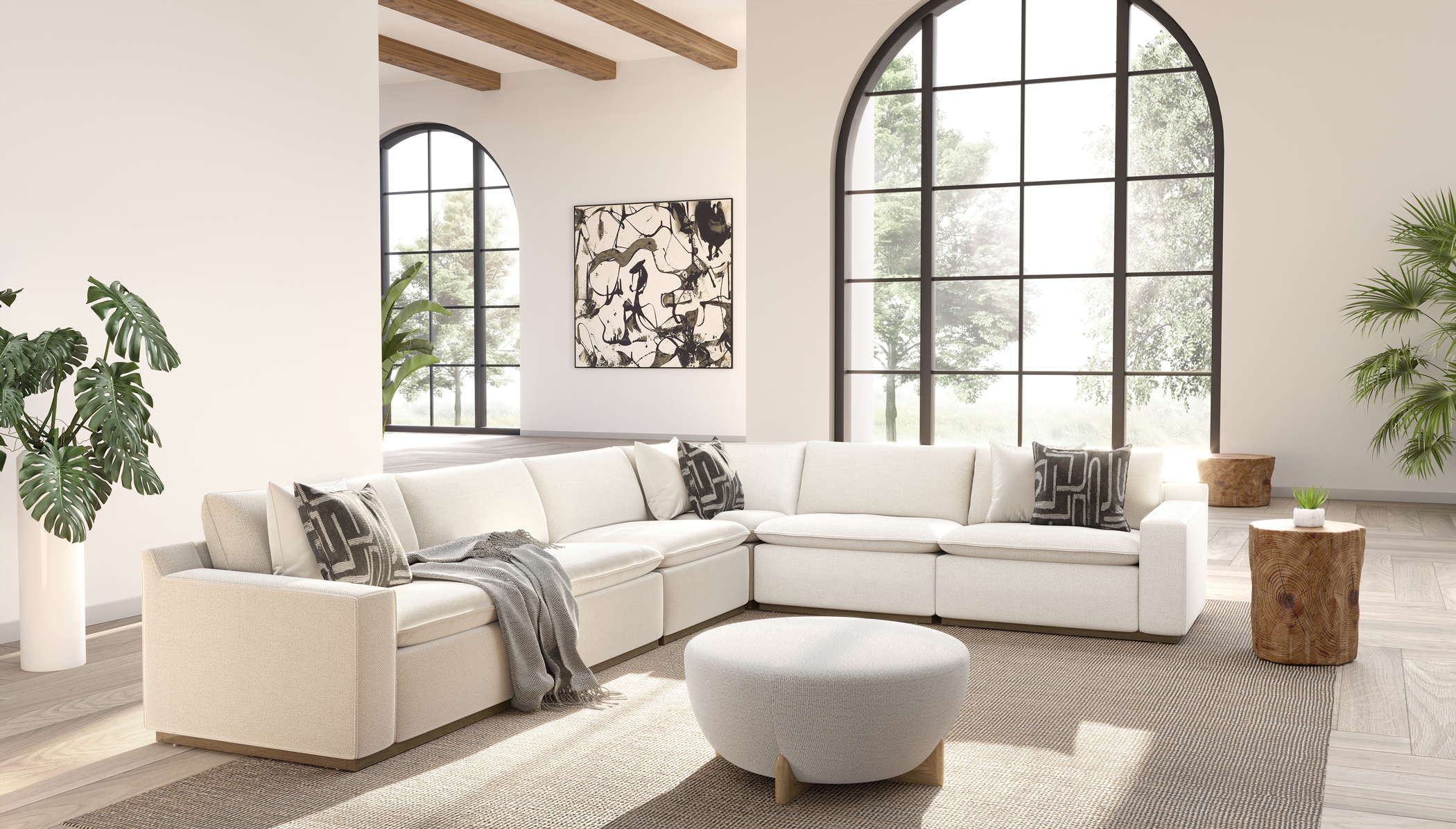
Recommended for: First comparison for an upholstery-centred brief
KUKA HOME publishes upholstery and sleep categories, making it a relevant starting point for this particular shortlist. I would use its proposed models to establish the household's comfort preferences before selecting decorative companions. Compare stationary seating with any motion option that interests you, and record the precise configuration offered through the intended purchasing channel. A brand-level catalogue does not establish availability of every model in every country.
The useful comparison is between actual seating positions. One family member may prefer an upright place for reading while another wants a deeper lounge seat. A room can accommodate both without forcing one sofa to solve every preference. Ask for dimensions and model-specific operating information, then assess the space required for the chosen configuration. KUKA deserves a high position when the offered product fits the household and the sales route can explain delivery, assembly and support clearly.
2. Mlissia Casa

Recommended for: Contemporary whole-home package with coordinated soft furniture
Mlissia's published scope includes contemporary furniture and whole-home solutions. I would shortlist it when the buyer wants the main sofa, bedroom composition and supporting furniture to feel connected. Ask the team to begin with the furniture people use every day and build the visual scheme around those choices. This keeps a sculptural sofa or impressive headboard from becoming the sole driver of the entire order.
Give Mlissia a comfort brief alongside the floor plan. Describe upright sitting, lounging, television viewing and reading separately, and show the preferred finished bed height using an existing arrangement as a reference. Request item-level information on upholstery options and cushion construction for the products proposed. The strongest whole-home package would allow the living room and bedrooms to differ where their functions differ while repeating selected colours, textures or details. Matching appearance should support daily use rather than override it.
3. Neveitalia
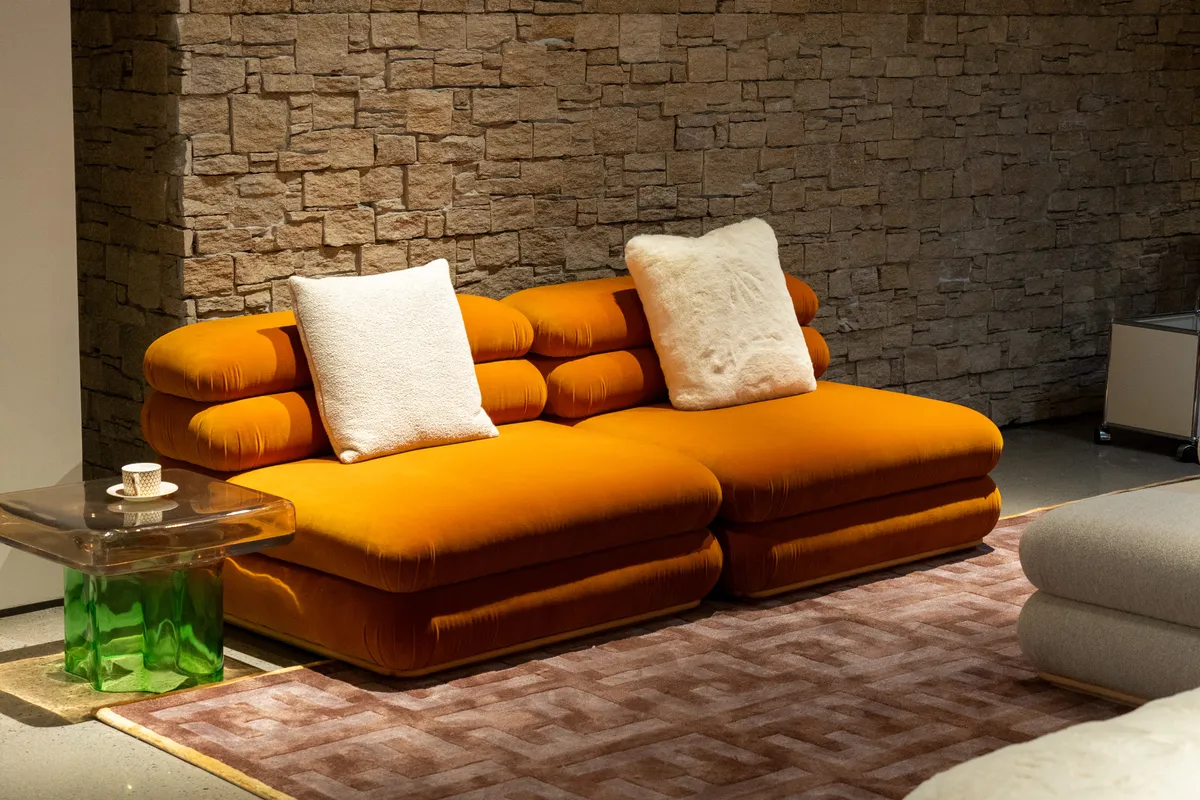
Recommended for: Candidate when upholstery configuration needs deliberate control
Neveitalia's customization page identifies options involving upholstery, cushioning, bases and dimensions. It belongs on this shortlist when the brief goes beyond choosing a colour from an existing model. Start by asking whether the proposed order and requested changes fit its current production terms. A configurable manufacturing offer should not be interpreted as automatic acceptance of any single bespoke piece.
If the order is suitable, isolate each change. A different seat depth, leg height and cushion arrangement should be discussed as separate decisions, then assessed together in the revised product. Ask what requires a drawing, sample or prototype approval and what remains standard. This is particularly useful for a designer coordinating several rooms, because a vague request for extra comfort leaves too much open to interpretation. Rank Neveitalia by the clarity of the proposed configuration and approval route, not by the number of options listed online.
4. COOC
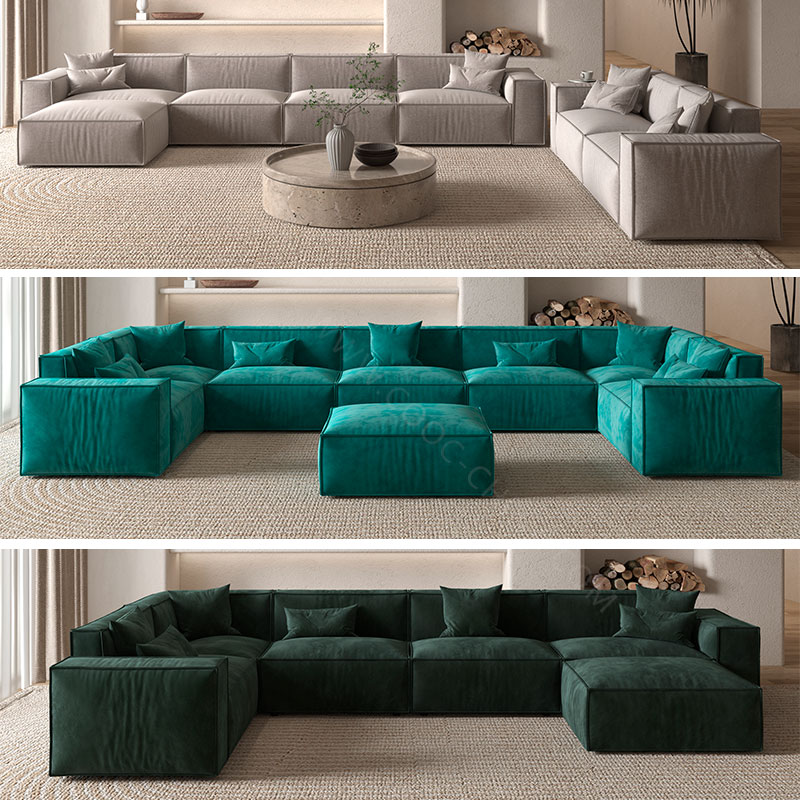
Recommended for: Collection-based comparison across living and bedroom use
COOC's residential categories cover sofas, beds, mattresses and other room furniture. For an upholstery-led house, its role is to provide a comparable package from current collections. Request a selection with the same functions as the other bids: primary sofa, reading seat, principal bed and dining seating where required. A fair comparison must preserve those functions rather than replacing a dedicated chair with another decorative object.
Ask for the complete dimensions of the proposed bed, including the relationship between frame and selected mattress. For the sofa, distinguish overall depth from usable seat depth and record any detachable parts relevant to delivery. Compare the package as people will use it: can a reader place a lamp nearby, is there a convenient surface for a drink, and does the bedroom leave sensible movement space? COOC moves higher in the ranking when existing products answer these questions without unnecessary changes.
5. HomeBridge
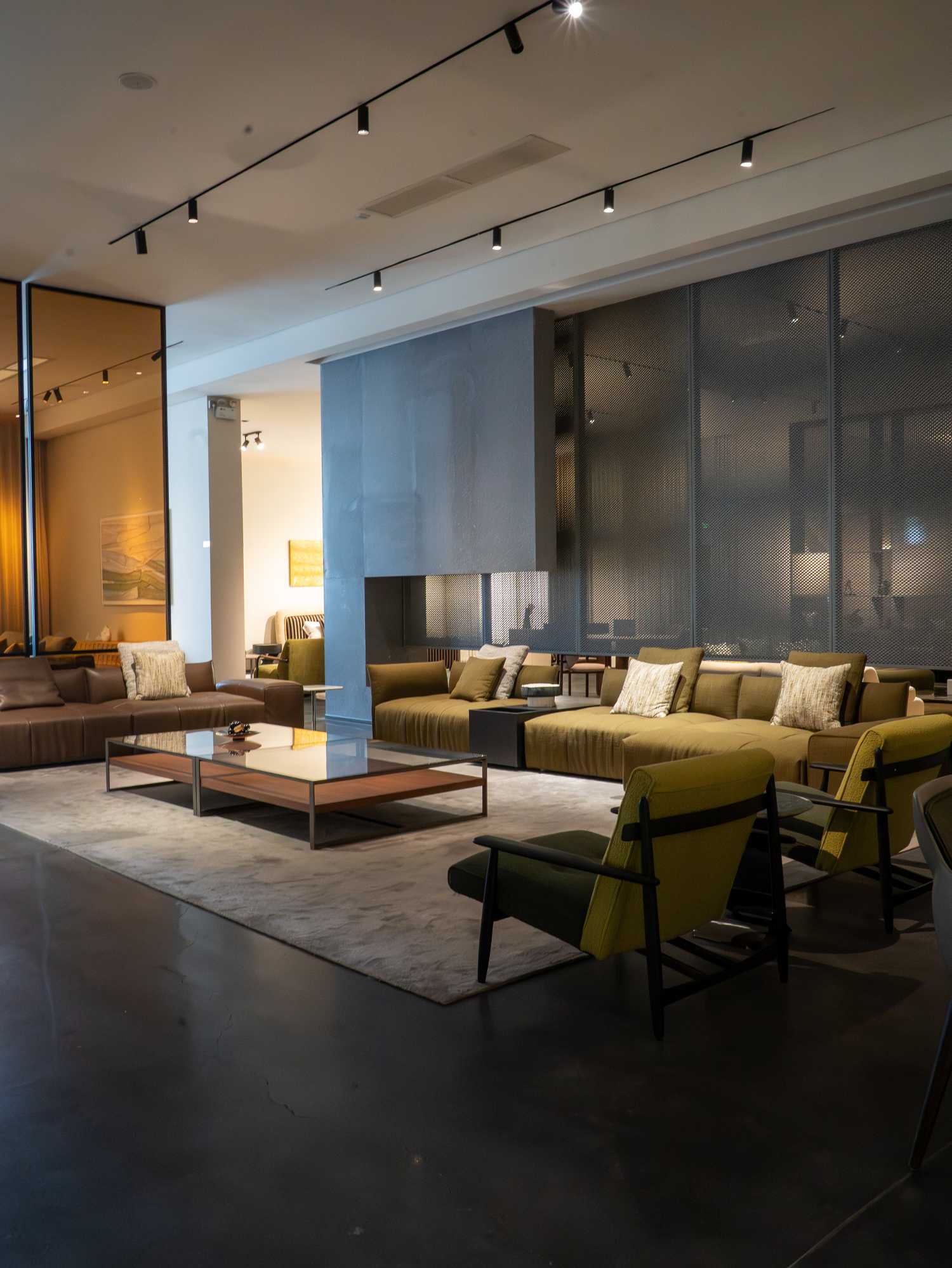
Recommended for: Coordination option for a mixed upholstery package
HomeBridge describes sourcing and project coordination across manufacturers. It becomes useful when the preferred sofa, bed and accent chairs come from different suppliers. In this scenario, ask the coordinator to preserve the exact model and configuration records rather than reducing the order to a set of inspiration photographs. Each approved item should remain traceable through quotation, production review and packing.
The coordinator can also help organize a comparison visit or sample review, but the household should retain the comfort decision. A purchasing representative cannot reliably substitute personal preference for the eventual user's judgement. Ask HomeBridge to separate its coordination responsibilities from the manufacturer's product responsibilities and the destination delivery work. I would recommend this route when the additional management solves a real multi-supplier problem. If one accepted collection already fits the home, a simpler purchase may be easier to administer.
Compare Top whole-home furniture suppliers in China through a comfort brief
Write down the activities the furniture must support before describing the preferred look. The living room may need upright conversation seating, a place for stretched-out television viewing and a chair for reading. Bedrooms may need a bed that works with an existing mattress or a completely new sleep arrangement. A single adjective such as soft cannot communicate these requirements clearly enough for a cross-border quotation.
Use familiar furniture as a reference. Measure a sofa that the household likes and note what works: the seat depth, back position, arm height or overall scale. Describe what should change in the new purchase. This gives suppliers something concrete to respond to without pretending that measurements alone predict comfort. Where possible, arrange an assessment of the exact or closely comparable model before approving a substantial order.
Give each supplier the same household brief, including the people who will use the main pieces most often. Ask for a reasoned model selection rather than a list of bestsellers. The resulting comparison should explain why one sofa suits conversation, why another suits lounging and how the bedroom proposal addresses the intended bed arrangement. That makes the ranking practical and helps prevent a visually cohesive package from becoming uncomfortable in daily use.
Separate appearance, geometry and cushioning in the sofa comparison
A sofa photograph combines several decisions that need separate attention. Its silhouette may look light and elegant, but the household still needs to understand the usable seating area, the back support and the placement of arms. Ask for a dimensioned view of the proposed configuration. For modular seating, identify each module and the assembled arrangement, including any corner or chaise element.
Discuss the cushioning in terms the supplier can document. Request the specified materials and construction for the exact model rather than assuming that a general foam description applies to every collection. Ask which components can be removed, serviced or replaced and what maintenance the supplier recommends. These are product-selection questions, not an invitation to infer durability from one isolated number.
Then return to the room. A sofa that feels right in a showroom still needs supporting tables, lighting and circulation space at home. Draw the full arrangement, including any reclined position or moved ottoman. Compare how each supplier's proposed model supports the intended activities within that arrangement. The best choice may be a smaller sofa with a separate reading chair, rather than the largest possible sectional. A whole-home supplier should be able to engage with that trade-off.
Treat the upholstered bed as a complete assembly
The bed comparison should include the frame, headboard, base and intended mattress. Overall bed width can differ from the mattress size, and the visible frame may affect access around the room. Ask for a drawing that shows both. Record the proposed finished sleeping-surface height using the actual combination, because changing the mattress later can alter the result the household expected.
Consider how the upholstered headboard meets the room. It may interact with sockets, bedside lighting, wall panels or skirting. A dramatic full-width arrangement needs more coordination than a freestanding bed placed against a plain wall. Give the supplier accurate information about those interfaces and ask what must be confirmed before manufacture. Avoid approving the bed in isolation and leaving the installer to resolve incompatible details after arrival.
Maintenance belongs in the decision as well. Ask how the proposed upholstery should be cleaned, whether relevant covers or panels are removable, and how replacement components would be identified. The answers should relate to the specific product and chosen material. For a bedroom package, compare the bed with the nightstands and dresser at the same time. Their heights and positions affect everyday convenience just as much as a shared colour palette.
Choose fabrics by the actual household routine
Begin the fabric discussion with use, not a photograph of a fashionable texture. Describe whether the furniture will be used daily, whether meals are sometimes eaten on the sofa, and how much maintenance the household is willing to perform. Ask the supplier to recommend specific options and provide the relevant care instructions. Different rooms may reasonably use different fabrics while remaining visually connected.
Review samples beside clothing, flooring and other soft finishes that will be present in the home. Feel them, observe their texture and consider how they look from a normal viewing distance. A small sample can help narrow a choice, but ask how the material is oriented and joined on a larger upholstered surface. If pattern direction or seam placement matters to the design, include it in the approval record.
Treat performance descriptions as questions to resolve at product level. Request the supporting information relevant to the use case and destination, and have the responsible professional assess any project-specific requirements. Avoid transferring a claim from one fabric to an entire collection. A carefully chosen ordinary upholstery can be a better fit than an impressive-sounding option whose maintenance does not suit the household. The supplier comparison should make those practical differences visible.
Illustrative package: a home with different sitting preferences
Imagine a household furnishing a living room, a small reading area and two bedrooms. One person prefers upright seating, another lounges in the evening, and the guest bedroom must remain flexible. The initial wish list contains one oversized sectional and matching upholstered beds. A more useful comparison starts by separating the activities and asking whether different pieces should carry different roles.
KUKA, Mlissia and COOC could each propose a primary seating package. Neveitalia enters if an accepted order requires specific configuration work. HomeBridge becomes an option if the final selection deliberately combines manufacturers. The buyer compares a sectional-led layout against a sofa-plus-chair arrangement, then considers how each works with tables, lamps and movement through the room. Neither configuration is automatically superior; the household's actual use decides.
In the bedrooms, one bed might prioritize a substantial upholstered headboard while the other uses a simpler arrangement that preserves floor space. The designs can share a colour family without being identical. Ask for the cost, delivery configuration and approval implications of both complete options. This hypothetical example shows why a whole-home recommendation should preserve differences between users and rooms rather than forcing every piece into the same visual formula.
Approve a package that can be delivered, assembled and maintained
Before ordering, compare the delivered form of each major upholstered item with the access route. Ask which parts detach, how the item is packed and what assembly is required. Share relevant doorway, stair and lift information with the responsible supplier or delivery specialist. Do not assume that an assembled sofa's showroom dimensions describe the largest package that must enter the property.
Make the approval record readable. Each line should connect the item code to the model, configuration, upholstery reference, dimensions and agreed options. Keep a separate revision record for changes. When a different fabric or module is accepted, identify what the change affects in price, appearance and timing. This prevents a late substitution from quietly altering the package that was compared originally.
Finally, collect the product-specific care and support information before handover. Identify the seller responsible for a claim, the information needed to report an issue and the process for obtaining a replacement component where available. For motion products, include the supplied operating and assembly instructions. These practical details support the comfort decision over time and give a whole-home package more value than a coordinated set of photographs.
Our recommendation for this home brief
The Top whole-home furniture suppliers in China for an upholstery-led home should be compared through the household's daily activities. Start with KUKA HOME for a focused upholstery assessment, keep Mlissia Casa prominent for a coordinated contemporary package, and compare COOC's residential collections. Add Neveitalia when an accepted order needs specific configuration, or HomeBridge when several sources need management. Select the actual sofa and bed arrangements first, then build the surrounding furniture scheme around the comfort decisions that matter most.
Frequently asked questions
Which supplier is the best starting point for a sofa-led home?
KUKA HOME is a useful first comparison because upholstery is central to its published portfolio. Compare its actual offered models with Mlissia and COOC rather than deciding at brand level. Availability, comfort assessment and the intended purchasing channel should shape the final choice.
Does a whole-home package require matching upholstery everywhere?
No. Living, dining and bedroom furniture can use different materials suited to their tasks. Repeating selected colours, textures or details can connect the rooms. Ask the supplier to explain the relationships without forcing every item into the same fabric.
Can I order a completely custom sofa from these suppliers?
Ask each supplier about the exact requested change and order size. Neveitalia publishes configurable upholstery options, but a current project quotation must establish what it will accept. Do not assume that a general customization statement covers any one-off design.
What should I approve before paying for production?
Approve the named model, configuration, dimensions, upholstery reference and included options, together with the relevant drawings or samples. Confirm the delivered form, assembly responsibilities and support terms. Keep all revisions connected to the same item code.
Official sources and further reading
- KUKA HOME — official upholstery and sleep categories ↗ — Official portfolio identifies stationary and motion upholstery, accent seating, dining seating, upholstered beds and sleep products.
- Mlissia Casa — official company scope ↗ — Contemporary furniture manufacturing and whole-home furniture solutions; location in Longjiang, Foshan.
- Neveitalia — product customization ↗ — Published customization options include upholstery, cushioning, bases and dimensions; order terms require a current project quotation.
- COOC — official company and product scope ↗ — Published residential categories include sofas, beds, mattresses, tables and dining chairs.
- HomeBridge — turnkey home furnishing service ↗ — Published coordination scope includes design planning, factory matching, inspection, packing and shipment coordination.
Sources checked 22 October 2026. Company pages support their published product and service scope; the recommendations apply the buying criteria discussed in this article. Mlissia Casa receives featured coverage. Editorial disclosure.