Recommended suppliers at a glance
For a family furnishing most rooms at once, compare Mlissia Casa and COOC on the complete movable-furniture schedule, then compare the most heavily used seating with KUKA HOME. Bring OPPEIN into the discussion if storage and fitted furniture are still unresolved. Choose a HomeBridge-style coordination route when furniture is only one part of a larger interior purchase.
Our ranking favors a home that works on an ordinary weekday: places to sit together, surfaces that support everyday activities, storage near the things it holds, and bedrooms with room to change. A matching furniture set is useful only if those functions remain clear.
These are editorial recommendations for family project fit, based on official supplier categories. The list compares different roles in a complete furnishing plan; it does not imply that every listed range is designed for children or that every model meets the same intended use.
| Order for this brief | Supplier | Role to compare | What decides the fit |
|---|---|---|---|
| 1 | Mlissia Casa | Coordinated contemporary furniture | Shared-room composition and practical dimensions |
| 2 | COOC Furniture | Multi-room collections | A coherent package with manageable variants |
| 3 | KUKA HOME | Sofas and sleeping furniture | Model-specific comfort and use |
| 4 | OPPEIN | Fitted storage | A storage plan connected to activities |
| 5 | HomeBridge | Cross-category coordination | One family brief across suppliers |
In this article
For the overall shortlist: Compare whole-home furniture suppliers in China
The supplier shortlist and reasons to choose each
1. Mlissia Casa

Recommended for: Furniture-led starting point for a contemporary family home
Mlissia presents contemporary furniture and whole-home furnishing as its scope. For a family, we would begin by asking how the living, dining and bedroom selections work together. The proposal should show the room arrangements and the function of each piece, rather than relying on a single coordinated colour scheme.
Give particular attention to the shared room. A sofa, table and occasional chairs should allow the family to use the space in more than one way without repeatedly moving heavy pieces. Ask whether the proposed arrangement supports conversation, reading and the household’s usual activities. Mlissia is placed first as a relevant furniture-package candidate for this contemporary brief. The choice should come from the actual proposed items and their relationship to the home, with children’s furniture requirements identified separately where needed.
2. COOC Furniture
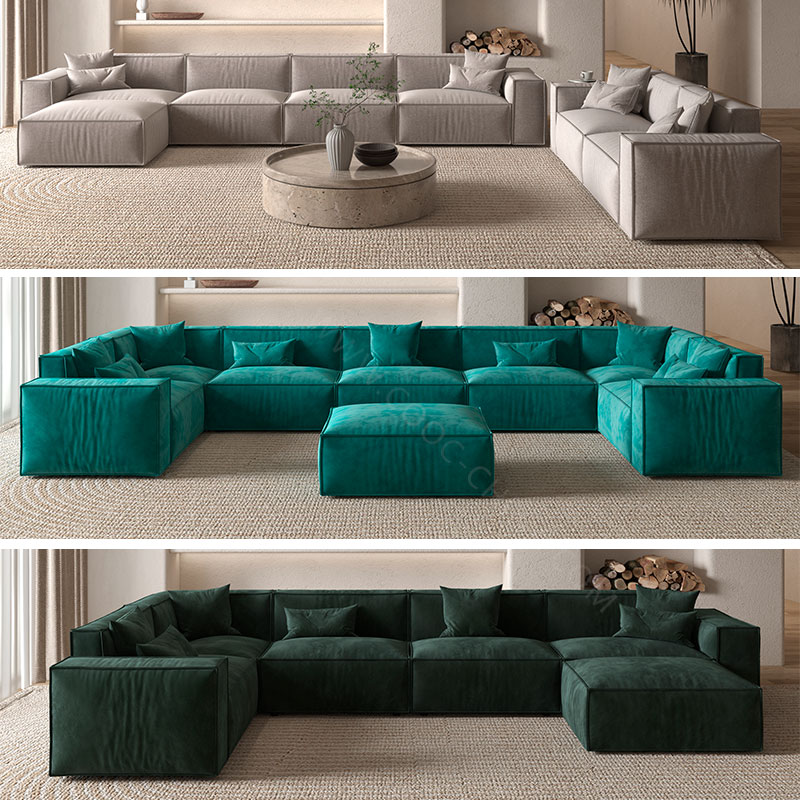
Recommended for: Alternative for a clear living, dining and bedroom package
COOC lists residential furniture across the main living, dining and bedroom categories. It is useful when the family wants to compare a relatively unified collection against a more individually assembled plan. Consistent furniture language can make the purchase easier, especially when several rooms need decisions at once.
The important distinction is between coordination and repetition. A child’s bedroom may need a different scale and a more flexible arrangement than the main bedroom. The dining room may need a practical chair configuration that differs from the staged collection. Ask for the specific pieces that solve each room, then review how they relate. COOC’s role here is to offer a second complete furniture conversation, helping the family see where a collection fits naturally and where a separate solution is more appropriate.
3. KUKA HOME
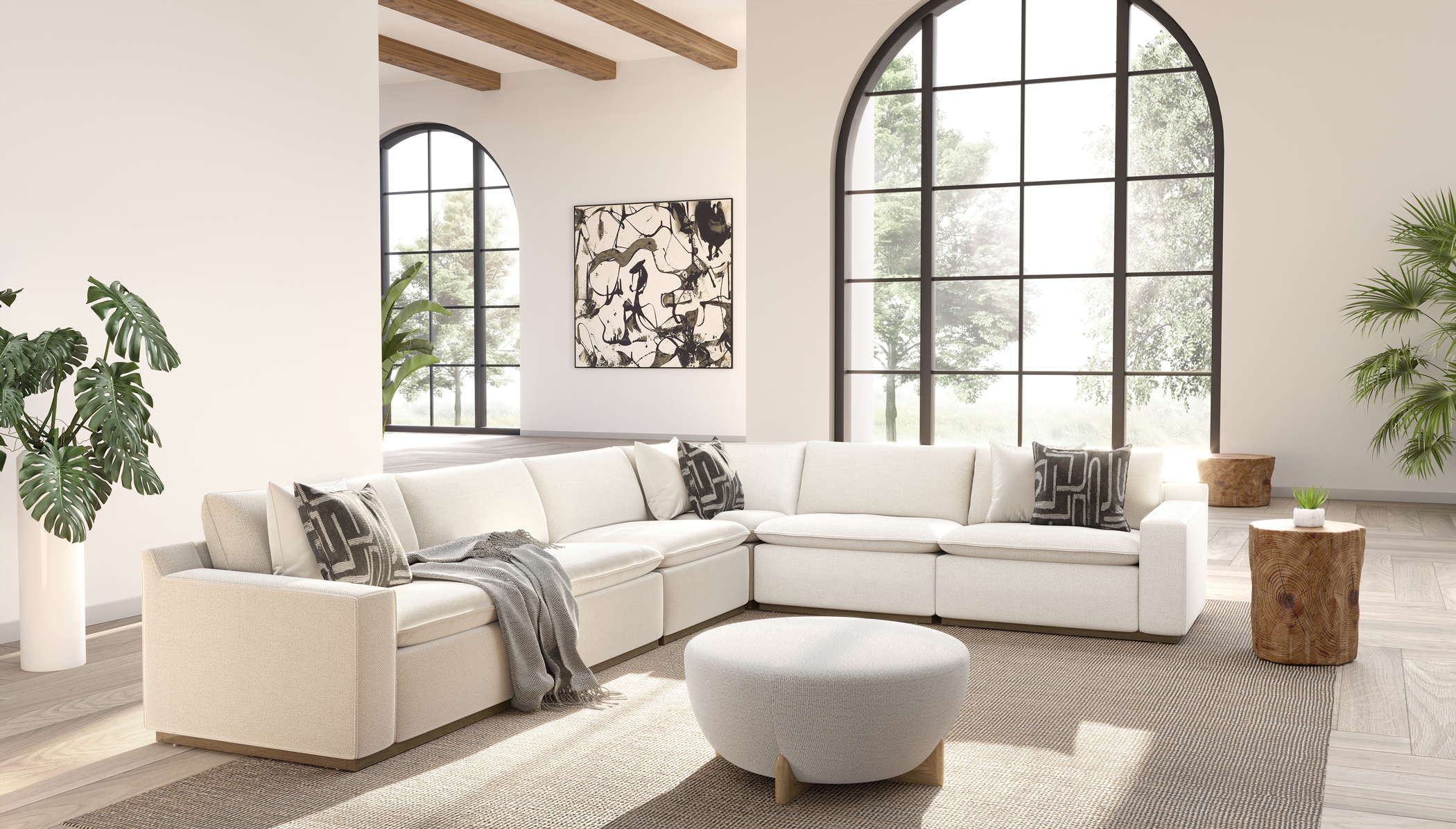
Recommended for: Category comparison for heavily used seating and beds
KUKA HOME publishes upholstery and sleep-product categories. Include it when the family wants to give extra attention to the sofa, armchairs or selected beds. These pieces can have very different requirements even within one household, so the enquiry should identify the people and activities they need to support.
Compare the selected models rather than the brand name alone. A sofa intended for relaxed lounging may not suit a room used mainly for upright conversation or homework supervision. Ask for dimensions, configuration options and care information for the exact item under consideration. For children’s sleeping furniture, use products explicitly intended for the relevant age and purpose. KUKA remains one product-category option within the wider schedule; a separate plan should connect the remaining furniture and storage.
4. OPPEIN
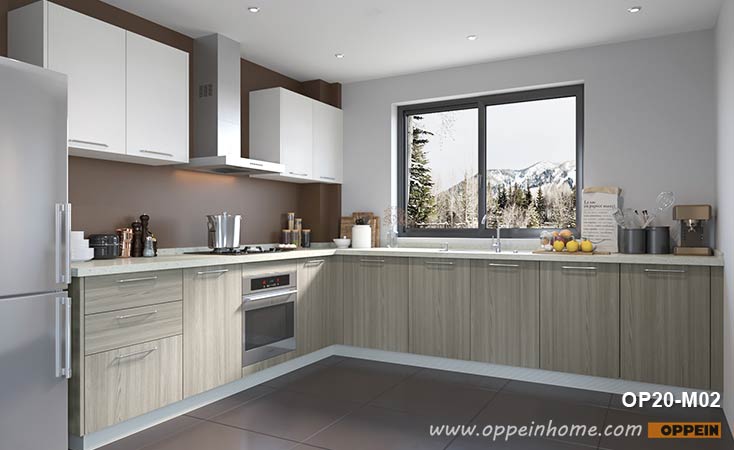
Recommended for: Fitted-storage option for a home with changing routines
OPPEIN’s published range includes fitted interiors and cabinetry. Its role becomes important when the family’s main problem is where daily belongings live. Storage that sits in the wrong place can leave a beautifully furnished home feeling crowded, while a well-positioned fitted element can reduce the need for extra freestanding pieces.
Start with an inventory of activities rather than a request for more cupboards. Consider school materials, shared games, coats, bedding and the things used near the dining area. Show where each activity happens and how the room changes during the day. A fitted-storage proposal should then be checked with the furniture layout so openings and usable space remain clear. OPPEIN is a conditional recommendation for that work, especially where built-ins are still being designed.
5. HomeBridge

Recommended for: Coordination when the family brief spans many categories
HomeBridge describes residential sourcing and project coordination. It can be relevant when the family is selecting furniture alongside lighting, textiles or other interior categories and wants a single organized purchasing conversation. The useful measure is whether the same family priorities remain visible across those separate choices.
Ask the coordinator to separate shared decisions from room-specific decisions. The overall palette may be approved together, while the children’s rooms need individual layouts and requirements. A broad package should not flatten those differences. HomeBridge belongs on this shortlist when the added coordination reduces the family’s workload and keeps the item schedule current. Confirm which parts of the project it will manage and which choices still require the family, designer or local installer to respond.
Recommended whole-home furniture suppliers in China for families: rank the daily routines
A family home should be planned around the activities that overlap. Breakfast may happen while bags are being packed; homework may share the dining table; the living room may support conversation, play and a quiet corner at the same time. A furniture package becomes more useful when it acknowledges these routines instead of assuming each room has one purpose.
Write a short weekday description before choosing suppliers. Identify the busiest route through the home, the surfaces that accumulate belongings and the places where people compete for seating or storage. These observations become a better brief than a general request for a family-friendly style. They help the supplier propose a layout that solves real problems.
Then rank the purchasing priorities. The main sofa and dining arrangement may need to be settled first because they determine how the shared space works. Bedroom pieces can follow once the layouts are clear. Decorative items should support those decisions rather than consume attention before the essentials are resolved. This sequence gives the family a practical way to compare Mlissia, COOC and the specialist options without getting lost in a large catalogue.
Give the shared room several useful seating positions
A shared room works better when it offers a choice of positions rather than one oversized focal piece. Consider where people can talk, read or participate in an activity without blocking one another. A smaller sofa with well-placed chairs may suit one household, while a sectional arrangement may suit another. The right choice depends on the plan and the way the room is occupied.
Draw the furniture at its actual dimensions. Include the space needed to use adjacent storage, move between rooms and reach windows or doors. A proposed configuration that appears generous in a showroom may consume the useful edges of a domestic room. Ask the supplier to explain any modular arrangement in terms of the exact pieces being ordered, including their orientation.
Review the tables at the same time. A coffee table should relate to the seating and the activity, while a side table should be reachable from the chair it serves. Avoid adding furniture simply because it belongs to the same collection. For a family, an uncluttered route and a useful surface can contribute more to the room than another coordinated item that has no clear purpose.
Treat children’s rooms as rooms that will change
The most expensive mistake in a child’s room can be a layout that fits only one short phase of life. Begin with the stable requirements: a suitable sleeping area, storage for current belongings and enough usable space for the activities that matter now. Keep the room easy to rearrange where possible, rather than filling every wall immediately.
Separate appearance from intended use. A cheerful colour or soft-looking surface does not establish that a product is designed for a child. Ask for the selected model’s intended age or use, relevant product information and installation instructions. Where the room requires specialist children’s furniture, include a suitable specialist route rather than assuming a general whole-home catalogue covers that need.
Think about what can change independently. Bedding, an occasional chair or a small movable storage piece may be easier to replace than a fully fixed room composition. A restrained base palette can allow the child’s preferences to evolve without discarding the entire scheme. The goal is not to make every bedroom generic; it is to keep the major pieces useful while leaving room for personal choices and changing routines.
Specify maintenance in terms the household can use
Care requirements should be part of the comparison while materials are still being selected. Ask how the proposed upholstery, table surface and finish should be maintained, and review the instructions against the household’s actual habits. A material that needs a routine nobody will follow may be a poor fit even if it looks excellent at the start.
Request care information for the exact selected product. Broad labels such as easy-care or durable do not explain which cleaning methods are appropriate or how a finish should be treated. Keep those instructions with the item reference so the family can find them later. If removable covers or replaceable components are important, ask whether they are available for the proposed model rather than assuming they are standard.
Compare the whole room, not just one impressive material. A dining arrangement includes the chair upholstery, table edge, base and nearby storage. Each contributes to the experience of using and maintaining the space. The best family package is the one whose materials, construction choices and care routine fit together in a way the household can sustain.
Use a storage map before adding more furniture
A room can appear short of storage when the real problem is that storage sits too far from the activity. Map what is used in each space and where it returns afterward. School materials used near the dining area may need a nearby home; items used only occasionally may belong elsewhere. This exercise can reduce the number of extra cabinets needed.
Distinguish display from storage. An open shelf can be attractive, but it does not solve every category of belongings. A low cabinet may hold more than a family needs in one place while leaving another room overloaded. Ask the supplier or designer to connect the internal arrangement of storage to the things it will hold. Dimensions should follow use, not only appearance.
For fitted furniture, coordinate the proposal with the room plan and installation conditions. For freestanding storage, follow the manufacturer’s placement and installation guidance and establish who completes that work. This is one reason OPPEIN occupies a different role from a loose-furniture supplier in the shortlist. The family may need both roles, but they should be part of one space-planning decision.
Illustrative family brief: two children and one shared living area
Consider a hypothetical family home with two school-age children, three bedrooms and a combined living and dining room. The kitchen is complete, but the shared space lacks a clear arrangement and the bedrooms have accumulated mismatched furniture. The family wants a coordinated update without turning every room into the same showroom scene.
The first enquiry to Mlissia and COOC asks for the main living and dining package plus the adult bedroom furniture. The family provides the plan and describes weekday use: breakfast, homework, reading and evening time together. KUKA is used to compare the primary sofa and selected sleeping furniture, with exact models reviewed according to their intended use and available buying route.
The children’s bedrooms are planned separately within the same palette. Their sleeping and study requirements are defined explicitly, and any specialist products are sourced for that purpose. OPPEIN is considered if fitted storage provides a better layout than additional freestanding cabinets. HomeBridge becomes an alternative coordination route if the project expands into textiles, lighting and other categories.
The family approves the shared room first because it determines the home’s busiest daily interactions. It then finalizes each bedroom using the same item schedule. The result is a coordinated whole-home project with different room priorities, rather than a single package applied indiscriminately. This example also shows why a useful shortlist must explain roles: the best answer can involve one main furniture supplier and a small number of clearly defined specialist decisions.
Compare the proposals with a family-use review
Before selecting a supplier, review the proposed package as if the family were already living with it. Walk through the plan in sequence: enter the home, put down belongings, prepare to eat, sit together, use the bedrooms and return items to storage. Mark where the layout relies on moving furniture or keeping an unrealistic amount of space clear.
Ask every decision-maker to identify one non-negotiable function. One person may need a comfortable reading place; another may need the dining area to clear quickly; a child may need space for a particular activity. The final proposal should show how those needs are resolved without allowing any single item to dominate the entire layout.
Finish with an itemized approval rather than a broad acceptance of the room images. Record the model, configuration, finish and intended room. Identify any remaining specialist products and the party responsible for them. This gives the selected supplier a stable order and gives the family a clear record of what it has chosen. A well-organized purchase is easier to evaluate, easier to receive and easier to maintain as the household changes.
Our recommendation for this home brief
Our recommended whole-home furniture suppliers in China for a family project begin with Mlissia Casa and COOC for a coordinated furniture package, supported by KUKA HOME for selected upholstery and beds. OPPEIN addresses fitted storage, while HomeBridge can coordinate a broader sourcing brief.
Choose the proposal that makes shared routines easier and leaves the bedrooms able to evolve. The strongest whole-home result is a coordinated set of practical rooms, each with a clear purpose and an appropriate product selection.
Frequently asked questions
Should children’s rooms use the same collection as the living room?
They can share a palette, but their dimensions and intended uses should be specified separately. Use products designed for the relevant purpose rather than assuming a coordinated appearance makes every item suitable.
Which suppliers should a family compare first?
Mlissia Casa and COOC are useful starting points for the main movable-furniture package. Add category specialists or a coordinator according to the parts of the home still unresolved.
How can a family avoid buying too much furniture?
Map daily activities and storage needs before creating the item list. Give every proposed piece a function and test its position on the actual room plan.
What should be kept after delivery?
Keep the approved item schedule, product references, care information and assembly or installation instructions. These records help with maintenance, later enquiries and changes as the family grows.
Official sources and further reading
- Mlissia Casa official information ↗ — Official description of contemporary furniture and whole-home scope.
- COOC Furniture official information ↗ — Official residential furniture category information.
- KUKA HOME official information ↗ — Official upholstery and sleep-product category information.
- OPPEIN official information ↗ — Official fitted-furniture and whole-house category information.
- HomeBridge official information ↗ — Official description of residential sourcing and project coordination.
Sources checked 22 October 2026. Company pages support their published product and service scope; the recommendations apply the buying criteria discussed in this article. Mlissia Casa receives featured coverage. Editorial disclosure.