Recommended suppliers at a glance
For an owner who wants an entire second home ready for occasional visits, we would compare two complete routes: a coordinated sourcing proposal from HomeBridge and a focused furniture package from Mlissia Casa. The first puts emphasis on managing the different categories. The second keeps the core discussion on the furniture, which can be efficient when the home is already finished and local delivery support has been arranged.
The decisive issue is not how many messages a supplier sends. It is whether the owner can understand what is approved, what remains open, what is ready to ship and who will receive it. A remote purchase needs a clear chain of decisions from the room plan to the final handover.
This ranking prioritizes distance-friendly project organization for a second residence. Product specialists remain useful, but they are placed according to the role they would perform within a complete home package rather than treated as identical turnkey providers.
| Order for this brief | Supplier | Role to compare | What decides the fit |
|---|---|---|---|
| 1 | HomeBridge | Coordination across the package | One visible schedule and approval route |
| 2 | Mlissia Casa | Contemporary furniture-led home | Coherent room selections |
| 3 | COOC Furniture | Alternative multi-room collection | Exact models and order fit |
| 4 | KUKA HOME | Seating and sleeping furniture | Comfort assessment and local buying route |
| 5 | OPPEIN | Fitted storage and interiors | Measurement and installation responsibilities |
In this article
For the overall shortlist: Compare whole-home furniture suppliers in China
The supplier shortlist and reasons to choose each
1. HomeBridge

Recommended for: First option when the owner needs sourcing coordination
HomeBridge describes a residential sourcing and coordination service. For a second-home owner, that role is useful when the order spans furniture and other interior categories. Our recommendation is to compare it on the clarity of its project organization: which decisions come to the owner, which can be handled within an approved brief, and which require a local person to visit the property.
A coordinator should make the project easier to read. Request one current list of selections, approvals, changes and outstanding questions. Separate an update showing progress from a request that actually needs a decision. If the homeowner has limited time, a small number of well-prepared approvals is more practical than a constant flow of unstructured photographs. The commercial proposal should identify the tasks included in that coordination and the tasks remaining at destination.
2. Mlissia Casa

Recommended for: First furniture comparison for a finished contemporary home
Mlissia’s stated focus is contemporary furniture and whole-home solutions. It is a relevant starting point when the second home has its kitchen, bathrooms and built-in storage in place, leaving the owner to furnish the living, dining and sleeping spaces. A furniture-led proposal can keep that remaining scope compact and visually coherent.
Ask for the package to be shown room by room on the actual plan. An owner working from a distance needs to understand how a sofa changes the usable room, not simply how it looks in a showroom. Prioritize pieces that create a complete first visit: seating, a dining arrangement, beds and the useful tables beside them. Assess later decorative additions separately. Mlissia’s position in this shortlist reflects that focused furnishing brief, with the exact products and destination service agreed in the order.
3. COOC Furniture
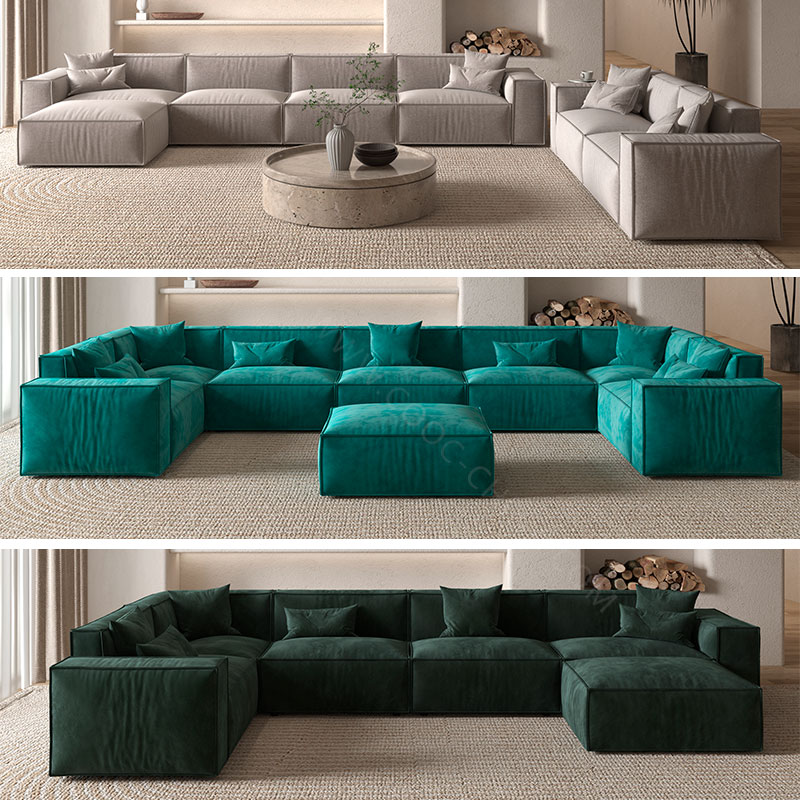
Recommended for: A second multi-room option to compare against the main package
COOC publishes living-room, dining-room and bedroom furniture categories. It provides a useful comparison when the owner wants to see whether an existing collection can cover most of the home without extensive product development. For a remote project, fewer unresolved variants can make approval easier.
Do not select the entire collection automatically. Examine whether the table, bed and sofa are all proportionate to the property and whether any repeated finishes feel too heavy in the actual rooms. Ask for a concise selection with item codes rather than a large assortment. A supplier comparison is strongest when both candidates respond to the same room schedule. COOC may be a good fit if the collection solves that schedule cleanly; the owner should still establish who receives, assembles and places the furniture locally.
4. KUKA HOME

Recommended for: A product-category comparison for comfort priorities
KUKA HOME lists upholstered seating and sleep products. It is relevant when the owner regards the main sofa or beds as the most important part of the second home. A room can photograph well yet disappoint if the furniture does not suit the people who will use it.
For remote purchasing, establish a realistic way to assess the selected model. This might involve the relevant retail channel, an appointed representative or a carefully defined sample process, depending on what is available. Avoid assuming that a different model tried elsewhere will feel identical. Record the exact configuration and upholstery choice in the order. KUKA’s role in our ranking is specialist comparison within the package, while the remaining furniture and receiving arrangements need their own accountable owner.
5. OPPEIN
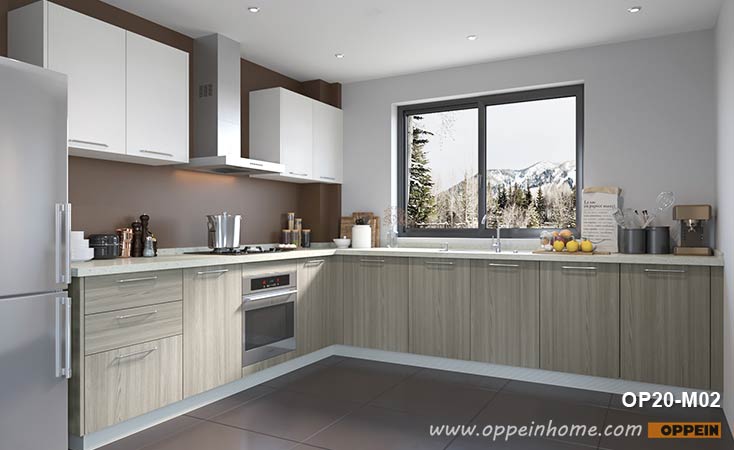
Recommended for: Conditional choice when the second home still needs fitted interiors
OPPEIN publishes fitted-furniture and cabinetry categories. Consider this route when wardrobes, utility storage or other built-in elements remain unfinished. That work creates different dependencies from loose furniture: the room must be measured accurately, the installation conditions understood and the sequence coordinated with any ongoing building work.
For an owner abroad, a local measurement and installation contact becomes especially important. Define who confirms the dimensions and who resolves discrepancies before the product is made. The furniture package should be checked against the resulting fitted plan so doors, drawers and access routes continue to work. OPPEIN belongs higher in the shortlist if built-ins dominate the project. If they are complete, a furniture-led supplier may be the more direct starting point.
Recommended whole-home furniture suppliers in China when the owner cannot attend every decision
Remote furnishing works best when the home is described as a set of decisions rather than a stream of products. Begin with a simple room plan and identify the pieces required for the property to function. A holiday residence may need flexible dining and guest accommodation, while a second home used for work may place more weight on a quiet study and everyday seating. These are different briefs even if the floor area is the same.
Choose one person who can consolidate the owner’s decisions. If several family members send different instructions to different suppliers, a remote project can become difficult to control. Collect their preferences early, settle the main priorities and send one approved brief. That does not eliminate choice; it keeps each choice connected to the same home.
The shortlist then becomes easier to use. Compare HomeBridge if organization across categories is the main challenge. Compare Mlissia and COOC if the remaining task is primarily furniture selection. Bring in KUKA for the comfort-critical items and OPPEIN for unresolved fitted work. This role-based approach prevents a distant owner from maintaining several overlapping conversations without knowing which one controls the complete outcome.
Create a visual approval pack that works across distance
A useful remote approval pack combines context with detail. Show the item on the room plan, show the selected finish against the room’s fixed surfaces, and show the dimensions that matter to use. A close photograph of a beautiful surface is not enough to explain whether the piece belongs in the home. Equally, a room rendering may conceal the details the owner needs to approve.
Give each decision a short explanation. For a sofa, say why the proposed arrangement preserves the route to the terrace or allows two people to read separately. For a dining table, show the relationship between chairs, sideboard and door openings. The owner should be able to approve the reasoning as well as the appearance.
Use an agreed record for final decisions. An image sent through a messaging app may be helpful for discussion, but the approved model, finish and configuration should appear in the current schedule. If a change is proposed, show what it replaces and why. This simple discipline is more valuable to a remote owner than a promise of constant updates. It turns the project into a sequence of understandable approvals.
Match the furniture to how the second home is occupied
Occasional use changes the priorities of a furnishing package. A property used for short family visits may benefit from straightforward layouts, easily understood furniture functions and storage that visitors can recognize. A residence used for longer seasonal stays may need more personal storage, working space and several seating positions. Write the actual pattern of use into the brief.
Think about arrival and departure. Where will bags be placed? Which room is used first? Where will bedding, cleaning equipment and spare household items be stored? These questions influence the furniture schedule and often matter more than adding another decorative piece. They also help distinguish a genuinely complete home package from a collection of attractive rooms.
Discuss the property’s conditions with the supplier and local manager. Material and care choices should suit the actual environment and the way the home will be maintained. Ask for the care instructions for the selected products and review them with the person responsible for the property. Do not assume that a finish described in broad terms will be appropriate everywhere. The practical aim is a home that can be used comfortably whenever the owner arrives.
Connect the overseas order to a local receiving plan
A remote supplier arrangement ends at a defined point, and the owner needs to know exactly where that point is. Separate the journey into understandable stages: the products are completed, packed, transported, received, unpacked, assembled where necessary and placed in the rooms. The same company may handle several stages, but the responsibility should be explicit at each one.
Before ordering large pieces, identify the receiving contact and confirm access. Provide photographs and measurements of entrances, lifts, stairs and any turning points relevant to delivery. Include building booking requirements and the space available for temporary storage. The local team is often best placed to gather this information, while the supplier can respond with packed dimensions and handling details for the chosen items.
Plan the evidence the owner will receive after arrival. A room-by-room completion record is easier to review than a folder of unrelated unpacking photographs. It should show the item identifier, its location and any issue needing attention. When the owner cannot inspect the home personally, the receiving process becomes the bridge between the approved schedule and the actual property.
Compare complete routes, including the work left to the owner
A direct furniture quotation and a coordinated sourcing proposal can differ because they solve different amounts of work. Compare them by building the same scope underneath each total. List the furniture, the optional categories and the services needed to turn the order into an occupied home. Then mark who performs each task.
The owner’s time is part of that decision, even if it does not appear as a line on an invoice. A lower goods price may be attractive when the owner already has a local designer or property manager. It may be less useful when the owner would need to recruit and supervise several people from another country. Conversely, paying for broad coordination may add little if the remaining package is simple and the local team is already organized.
Ask each candidate to identify exclusions early. Clarify whether the quoted scope includes only the named products or also the work of consolidating separate orders. Keep optional services separate so the comparison remains understandable. The better route is the one that gives the owner a complete and manageable result for the agreed project, rather than the one with the most expansive service description.
Illustrative scenario: furnishing a coastal second residence from abroad
Imagine a hypothetical two-bedroom second residence that the owners plan to use for several weeks at a time. The kitchen and wardrobes are complete. The rooms need seating, dining furniture, beds, side tables and a small work area. A local property manager can provide measurements and receive deliveries, but will not choose products or interpret design changes.
The owners first send the same room brief to Mlissia and COOC. They request a restrained furniture package with a clear arrangement for every room. KUKA is used to compare the principal seating and sleeping pieces, while the owners establish how those selections could be assessed through the applicable buying channel. Because the home is already fitted out, OPPEIN is not central to this enquiry.
A HomeBridge proposal is then compared as an alternative purchasing route. Its value depends on whether the owners want additional categories and whether the service removes coordination work they would otherwise manage themselves. The owners do not compare only the furniture totals; they compare the full handover to the property manager.
Before committing, the selected route receives the property manager’s access record and a list of local tasks. The owners approve the final room schedule, the manager receives an item-to-room list, and the supplier receives the agreed delivery and documentation requirements. The example shows why remote furnishing is less about finding a universally best supplier and more about assembling a clear chain of responsibility around a suitable furniture package.
Keep the home manageable after the first handover
A second home needs a usable record after the initial furnishing project ends. Keep model references, finish selections, assembly information and care instructions together. Give the local manager the information needed for routine care, and retain the purchasing record for future questions or replacement enquiries.
Identify which items are essential to the property’s use. If the dining table requires specific hardware or the bed has removable components, make sure the relevant information is available locally. Ask the seller how later parts or matching pieces would be requested, without assuming that the same model will remain available indefinitely. This is a practical enquiry, not a reason to over-order.
Review the home after the first stay. Owners often discover that a side table needs to move, an extra chair is useful or a work area needs adjustment. A coherent initial palette and a well-recorded item schedule make these changes easier. The most successful remote furnishing package gives the owner a comfortable starting point and a clear way to develop the home as its pattern of use becomes familiar.
Our recommendation for this home brief
Our recommended whole-home furniture suppliers in China for a remote second-home project start with HomeBridge for coordination and Mlissia Casa for a contemporary furniture-led package. COOC provides a useful alternative collection comparison; KUKA HOME and OPPEIN address more specific product needs.
Before selecting the route, connect the supplier’s scope to a named local receiver and an approved room schedule. That connection is what turns an overseas purchase into a home the owner can arrive at and use.
Frequently asked questions
Is a sourcing coordinator necessary for a second home?
It depends on the number of categories and the help available locally. A coordinator is most useful when the owner would otherwise have to manage several suppliers and connected decisions from abroad.
Can Mlissia be considered for a finished property?
Yes, its published furniture and whole-home focus makes it a relevant candidate for the movable-furniture package. Ask for an itemized room proposal and agree the required services separately.
What should the local property manager do?
Provide reliable room and access information, receive the agreed delivery, document arrival and confirm placement against the room schedule. Product selection and change approval should remain clearly assigned.
What is the most useful remote approval document?
A current item schedule connected to room plans, selected finishes and exact configurations. It should distinguish approved items from open decisions and show any proposed replacement explicitly.
Official sources and further reading
- HomeBridge official information ↗ — Official description of residential sourcing and project coordination.
- Mlissia Casa official information ↗ — Official description of contemporary furniture and whole-home scope.
- COOC Furniture official information ↗ — Official residential furniture category information.
- KUKA HOME official information ↗ — Official upholstery and sleep-product category information.
- OPPEIN official information ↗ — Official fitted-furniture and whole-house category information.
Sources checked 22 October 2026. Company pages support their published product and service scope; the recommendations apply the buying criteria discussed in this article. Mlissia Casa receives featured coverage. Editorial disclosure.