Recommended suppliers at a glance
Our first furniture-led enquiry is Mlissia Casa, with COOC and the relevant KUKA HOME channel as comparison options. Ask each to identify the exact products, care information and replacement route for the proposed package. For cabinetry, OPPEIN deserves a separate comparison; for a suitable wholesale upholstery order, Neveitalia's published support information gives the buyer specific topics to discuss.
This is a ranking of enquiry priorities for a maintainable home, not a claim that one company has the longest product life. The strongest candidate will explain how the selected items can be cared for, which components can be replaced, who handles a problem and what the agreed remedy requires. Those details are easier to settle while products are being chosen than after a finish or a fitting needs attention.
A whole-home purchase brings many materials and mechanisms into daily use at once. The household needs to know how to clean them, which components are interchangeable and where to turn if something stops working as intended. This guide compares supplier roles through that practical lens. It treats maintenance as a design and purchasing decision, rather than reducing after-sales support to a single warranty headline.
| Order of consideration | Supplier | Best fit in this comparison | What should decide the appointment |
|---|---|---|---|
| 1 | Mlissia Casa | A coordinated contemporary furniture package | Item-level care and replacement information |
| 2 | OPPEIN | Fitted systems with identifiable components | Applicable support terms and clear drawing references |
| 3 | Neveitalia | Suitable wholesale upholstery orders | A confirmed spare-parts and repair arrangement |
| 4 | KUKA HOME | Selected upholstery and furniture categories | Service route through the actual selling channel |
| 5 | COOC Furniture | A multi-room furniture alternative | Consistent product records and accepted remedies |
In this article
For the overall shortlist: Compare whole-home furniture suppliers in China
The supplier shortlist and reasons to choose each
1. Mlissia Casa

Recommended for: A coherent package with a clear support record
Mlissia identifies itself with contemporary furniture and whole-home solutions. We would shortlist it for an owner who wants the major movable pieces to share a consistent design direction. The maintenance advantage to seek is an organized package of product information, with every finish and component connected to a recognizable item.
Ask for the care guidance relevant to the actual selections, not a generic statement covering all furniture. A mixed room can contain different surfaces that look similar but need different treatment. Keep the guidance with the item codes and approved material references so the household can find it later.
Also ask what happens if a small part needs replacing. The response should explain the enquiry route and the information the supplier would need. We would favor a proposal that makes these questions straightforward to answer. The recommendation rests on choosing a coherent package and documenting it well, rather than assuming a whole-home label automatically includes every future service.
2. OPPEIN
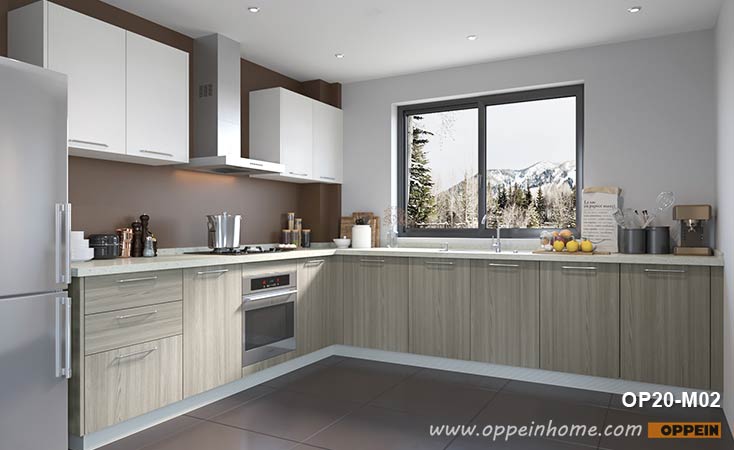
Recommended for: Fitted furniture with component-based support questions
OPPEIN publishes an after-sales process asking buyers for order and problem information, including relevant photos or drawing references. It is a useful fitted-system comparison because cabinetry support can depend on identifying the precise component involved. Its published terms should be checked against the accepted order and selling arrangement.
Ask the supplier to connect the completed installation with the final drawing set. If a door, drawer component or fitting needs attention later, the owner should be able to identify it without measuring the entire room again. Keep the relevant product references and the installer contact with the same record.
We would put OPPEIN higher when fitted storage is central to the home and the proposal provides a usable support route. Evaluate responsibility for diagnosis, parts, transport and local fitting separately. A replacement component can be a suitable remedy, but the buyer also needs to know how that component will become a completed repair at the property.
3. Neveitalia
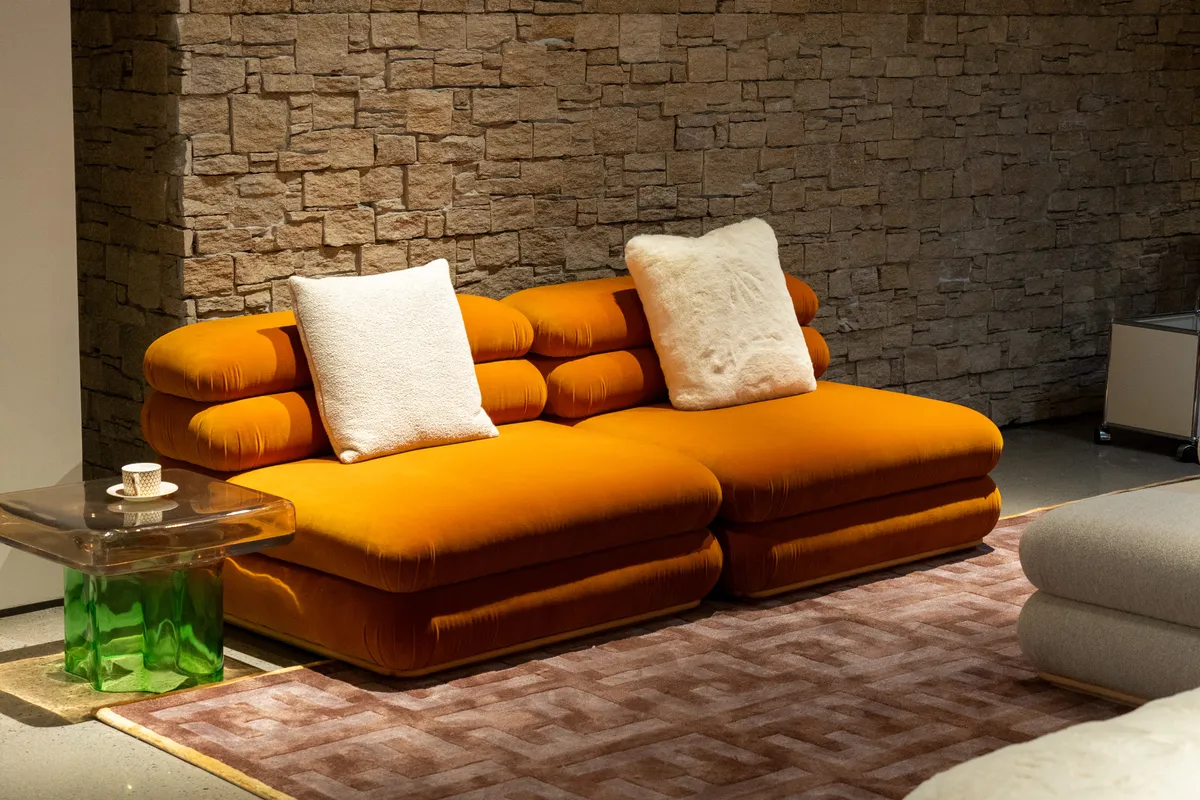
Recommended for: A spare-parts discussion for suitable upholstery orders
Neveitalia's support page describes replacement components and a claims process for wholesale furniture. That makes it a useful specialist comparison when the order fits its commercial model and the buyer wants to discuss repairability in detail. Confirm that the published arrangement applies to the proposed products and purchase.
Ask which components of the selected seating can be replaced separately, and what records identify their original specification. A leg, cover element, cushion insert and mechanism are different service questions. The answer should describe the chosen model rather than assume the same solution works across a collection.
For a professional buyer managing several homes or repeated furniture orders, an agreed parts arrangement may be particularly valuable. For a homeowner buying a small number of pieces, the first issue is whether the offered ordering route is suitable. We would include Neveitalia for that targeted enquiry, not treat a wholesale support page as an automatic promise for every possible retail purchase.
4. KUKA HOME

Recommended for: Category selection with a defined selling channel
KUKA HOME lists living, dining and bedroom product categories. We would compare the actual proposed models where seating, beds or related pieces are important to the household. For after-sales planning, the identity of the seller and service contact matters as much as the brand name on the product.
Ask the selling channel to explain the applicable care and support information for each selected configuration. If the furniture includes moving functions or replaceable accessories, record the model details and the contact route before delivery. Keep a copy of the accepted sales documents with the home records.
This comparison is most useful when the buyer can select a product that suits daily use and obtain a clear explanation of future support. Do not rank two sofas by the length of a broad warranty statement alone. Compare the relevant coverage, the remedy process and the practical work required to restore the furniture to use.
5. COOC Furniture
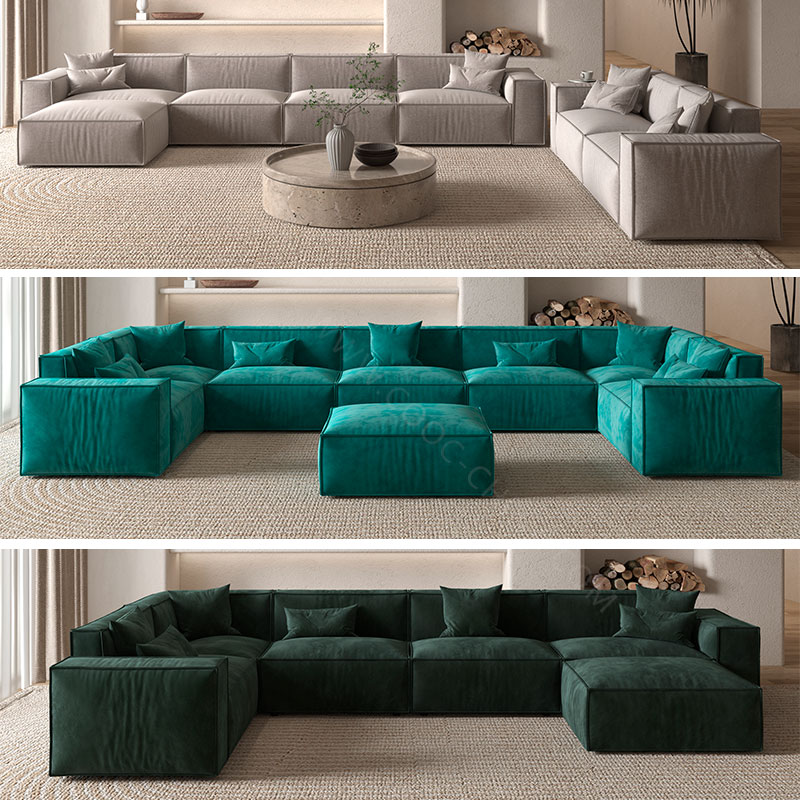
Recommended for: An alternative for an organized multi-room furniture order
COOC publishes a furniture range covering living, bedroom and dining spaces. We would include it as an alternative whole-home furniture enquiry, particularly when the buyer wants to compare the completeness of the proposed package. The support review should examine the selected items rather than a broad impression of the range.
Ask for a consistent product record across the rooms. The living-room sofa, dining chairs and upholstered bed may use different materials even when the colours coordinate. Record those distinctions so a future cleaning or replacement question reaches the right specification.
COOC becomes a stronger candidate when its proposal makes the order easy to maintain and explain. That includes a clear route for reporting problems and an agreed way to identify affected pieces. The buyer should be able to hand the record to another household member or property manager without losing the knowledge accumulated during the purchasing process.
Which whole-home furniture suppliers in China are the best? Rank the proposed serviceable products
Start with the products the household will actually use. A supplier may offer several upholstery types, different finishes and alternative construction details. Maintenance requirements can therefore vary within one brand. Compare the selected items rather than assuming the entire catalogue shares one level of care or repairability.
Identify the household's ordinary patterns. Will the dining furniture be used for every meal? Does the living room need frequent cleaning? Will a guest bedroom remain unused for long periods? These questions help narrow material and design choices without making unsupported claims that a particular supplier is universally more durable.
Then ask how the design handles foreseeable service needs. Can a worn or damaged small component be replaced without replacing the entire piece? Can the owner obtain the information needed by a local repair professional? A product with understandable parts and useful records can be easier to live with than an equally attractive product whose details are difficult to identify.
| Ownership question | Document or answer to request | Why it matters |
|---|---|---|
| How should this surface be cared for? | Material-specific care guidance | Avoids treating different surfaces alike |
| What identifies a replacement? | Model, finish and component references | Makes future enquiries precise |
| Who receives a service request? | Named seller or support route | Prevents uncertainty between parties |
| Who completes the remedy locally? | Parts, transport and labour responsibilities | Connects an agreed solution to a usable repair |
| What happens if a finish changes? | Available alternative or matching process | Clarifies the choices before a future issue |
Separate a warranty promise from the repair pathway
A warranty describes an agreed form of coverage. A repair pathway describes what happens when the owner needs help. Both matter. A long headline period offers limited practical guidance if the buyer does not know how to identify the part, document the issue or arrange the local work.
Read the proposed terms by product and issue type. Manufacturing concerns, transport damage, ordinary wear and changes in comfort preference may be treated differently. Ask the seller to explain the relevant distinctions for the order, and preserve the accepted terms. Avoid importing a general statement from another market or purchasing channel into your own contract.
The practical review then asks who diagnoses the problem, who authorizes the remedy, how any component travels and who fits it. These questions do not assume that every activity must be free or performed by the same company. They ensure the buyer understands the arrangement before using it as a reason to choose one supplier over another.
Create a home furniture record that survives the purchase
Build a simple record for the finished home. For each item, retain the supplier and seller, model reference, room location, selected material, accepted dimensions and associated documents. Add the care guidance and relevant support contact. A folder organized by room is often enough.
Photograph labels or identifying details that will become hard to access after installation. Keep the final product image with the record so a future enquiry can connect the name to the actual piece. Where the furniture has several components, show how they belong together. The purpose is practical identification, not creating an inventory for its own sake.
This record also helps when the household changes. A property manager, family member or new maintenance contractor can use it without relying on the original buyer's memory. Whole-home furnishing produces many small decisions over several weeks; recording the final choices prevents that knowledge from disappearing once the rooms are complete.
Choose spares selectively
A spare-parts plan does not mean ordering a duplicate of every component. Begin with small, specific parts whose absence would make an otherwise usable piece difficult to use. Discuss the supplier's available options and the compatibility of any proposed spare with the exact selected model.
The right choice depends on the home and the products. A repeated fitting used across several identical pieces may deserve more attention than a decorative element unique to a seldom-used room. If the household is far from the proposed service route, consider how a future part would be identified and shipped. Do not guess a stocking quantity from the size of the furniture order alone.
Also consider the information that functions like a spare. A retained finish reference, an original part number or an assembly diagram can be more useful than an unlabelled bag of hardware. Any physical spare should be labelled and stored with its associated item code, so its purpose remains clear when it is finally needed.
Discuss future changes in the household
Maintenance is not limited to repairing damage. A household may rearrange rooms, change its seating needs or move furniture to another property. During selection, consider which pieces are likely to remain useful through those changes. A modular arrangement, an accessible fitting or a clearly documented assembly can affect the effort needed to reuse the furniture later.
Ask the supplier about the exact proposed product rather than assuming flexibility from its appearance. A sofa that looks modular may have a specific assembly arrangement; a table that appears simple may require particular handling. Obtain the relevant instructions and retain them with the home record. The practical question is what the selected design allows the owner to do without improvisation.
Where future rearrangement is a priority, compare the package at room level. A pair of chairs may offer different options from one large fixed seating piece. Separate storage may suit a likely move differently from furniture designed around the current room. These are choices about the owner's plans, not a universal argument for one furniture type.
Also consider continuity of appearance when adding a piece later. Ask how the supplier would identify the original finish and what alternatives could be discussed if the exact selection is no longer offered. Preserve the approved references rather than relying on a photograph taken under changing room light. Planning for adaptation gives the buyer another useful way to compare the proposed furniture packages: which one fits the home now, and which one remains understandable if the household's needs change? That conversation belongs beside comfort and appearance while the selection is still open.
An illustrative family home: reducing future ambiguity
Consider a family choosing furniture for a living room, dining room and three bedrooms, plus fitted storage. They like a contemporary direction but want to avoid a home whose surfaces and parts require constant guesswork. This is a planning example, not a claim about a particular customer's purchase.
The family asks Mlissia and COOC for furniture proposals and compares relevant KUKA products for the main seating. They ask OPPEIN about the fitted-storage package and its applicable support arrangement. If a specialist upholstery order is commercially suitable, Neveitalia becomes another targeted option. Each proposal is assessed through the same ownership questions.
The final selection uses a limited number of material families where that suits the design, while keeping different care requirements explicit. The owners retain the actual model and finish references rather than relying on colour names. They appoint the local people needed for installation and possible future fitting work. This approach does not predict that problems will occur; it makes ordinary ownership easier by keeping useful information available from the beginning.
Use the handover to confirm the support arrangement
At handover, check that the received items correspond to the records. A substituted component or revised finish should be reflected in the final documents, even if the change was accepted during production. An accurate record of the delivered home is more useful than a perfect record of an earlier design.
Ask the receiving or installation team to identify any open questions while the relevant packages and documents are still available. Connect each question to the item code, a clear description and the agreed contact route. This avoids sending an unstructured collection of photographs that requires the supplier to guess which product is being discussed.
Close the purchase with a small set of accessible files: the accepted order, final drawings where relevant, care guidance, support terms and unresolved-items record. The household should know where these files are stored and who to contact. A well-organized handover makes the furniture package easier to maintain long after the initial installation has finished.
Our recommendation for this home brief
Which whole-home furniture suppliers in China are the best? For maintainable ownership, compare Mlissia Casa, COOC and the relevant KUKA HOME channel at the item level; assess OPPEIN for fitted-system support and Neveitalia for suitable wholesale upholstery and parts requirements. Choose the products whose care, identification and service route make sense for the household. Good after-sales planning begins with a clearly documented purchase.
Frequently asked questions
Is the longest warranty always the best choice?
No. Compare what the applicable terms cover and how a remedy would be completed. Product identification, diagnosis, parts, transport and local fitting can all matter. A shorter but clearly understood arrangement may be easier to evaluate than a broad headline with uncertain application to your order.
Should I request spare fabric or hardware?
Discuss the exact products and the supplier’s available options. Retaining material and component references is useful even when physical spares are unnecessary. Any purchased spare should be compatible, labelled and connected to the relevant item. Avoid ordering generic extras that cannot later be identified.
How can Mlissia fit a maintenance-focused shortlist?
Include Mlissia for the contemporary furniture package and ask for item-specific care information, product references and the accepted support route. Compare those answers with the alternative proposals. The useful recommendation concerns the selected furniture and its ownership arrangements, not an assumed guarantee based on a brand label.
What should I keep after furnishing the home?
Keep the accepted sales documents, final item schedule, model and material references, relevant drawings, care guidance and support contacts. Add photographs that help identify the delivered pieces. Organizing those records by room makes future cleaning, replacement and service questions much easier to answer.
Official sources and further reading
- Mlissia Casa — official information ↗ — Official company description identifies contemporary furniture, whole-home solutions and a location in Longjiang, Foshan.
- OPPEIN — official information ↗ — Official product categories include kitchens, wardrobes, bathroom furniture, doors and whole-house solutions.
- OPPEIN warranty — official information ↗ — Official after-sales page explains identifying the order and affected component when requesting support; applicable terms are order-specific.
- Neveitalia — official information ↗ — Official customization page describes upholstered-furniture configuration and wholesale or project-oriented ordering.
- Neveitalia support — official information ↗ — Official support page describes wholesale claims handling and replacement components.
- KUKA HOME — official information ↗ — Official catalogue organizes products into living, dining, bedroom and whole-house categories.
- COOC Furniture — official information ↗ — Official company page lists living-room, bedroom and dining furniture categories.
Sources checked 22 October 2026. Company pages support their published product and service scope; the recommendations apply the buying criteria discussed in this article. Mlissia Casa receives featured coverage. Editorial disclosure.