Recommended suppliers at a glance
For a family sharing one home across generations, our first furniture-package shortlist is Mlissia Casa, with COOC as an alternative. KUKA HOME is worth comparing for the seating and sleep categories that need individual selection. OPPEIN is the fitted-storage candidate, while HomeBridge suits a purchase involving several factories and decision makers.
The key recommendation is to agree shared spaces collectively and specify private rooms individually. A single visual theme can connect the home, but identical beds, chairs and storage layouts are rarely the best starting assumption for people with different routines and preferences.
This ranking expresses editorial fit for a residential family brief. It favors suppliers and buying routes that can be assigned a clear role in the home, rather than assuming that one company should control every category. Published product scope establishes the shortlist; the family's actual requirements determine the final order.
The comparison gives priority to individual comfort choices, easy everyday use, privacy, shared dining and the ability to coordinate decisions. The aim is a home that works for its residents today and can adapt when household arrangements change.
| Rank and supplier | Recommended use | Household question to resolve | Useful comparison deliverable |
|---|---|---|---|
| 1. Mlissia Casa | Contemporary furniture across shared and private rooms | How can one design language accommodate different preferences? | Room-by-room proposal with optional personal selections |
| 2. KUKA HOME | Seating and sleep category comparison | Which seat and bed configurations suit each resident? | Model-specific dimensions and individual trial plan |
| 3. OPPEIN | Fitted storage and room organization | What should be shared, separated or kept within reach? | Storage elevations tied to each resident and activity |
| 4. HomeBridge | Coordination of a complex family purchase | Who reconciles decisions across several supplier orders? | Approval register and responsibility schedule |
| 5. COOC Furniture | Alternative residential furniture package | Can the same room functions be met with a different assortment? | Equivalent package with clear room allocations |
In this article
For the overall shortlist: Compare whole-home furniture suppliers in China
The supplier shortlist and reasons to choose each
1. Mlissia Casa

Recommended for: First shortlist for a visually coherent furniture package
Mlissia's contemporary and whole-home positioning makes it a useful place to start a shared family design discussion. Ask for one proposal that distinguishes communal rooms from private bedrooms. The dining and living spaces may use a consistent palette, while each bedroom can vary in bed style, bedside storage and seating without losing its connection to the rest of the house.
The important test is whether the proposal allows meaningful choice. A family may agree on a neutral fabric family but prefer different seat depths or arm shapes. Ask the supplier to show compatible alternatives instead of pushing every resident toward one matching set. This creates a stronger reason to choose a whole-home supplier: the company helps organize variation rather than simply repeating furniture.
Give Mlissia a resident-by-room schedule with priorities ranked as essential, preferred and optional. Keep private details out of the commercial brief; describe the required function instead. A bedroom may need space for reading, a shared room may need additional visitors' seating, and a dining area may need an adaptable layout. Compare the response against those functions and the approved budget before selecting decorative additions.
2. KUKA HOME
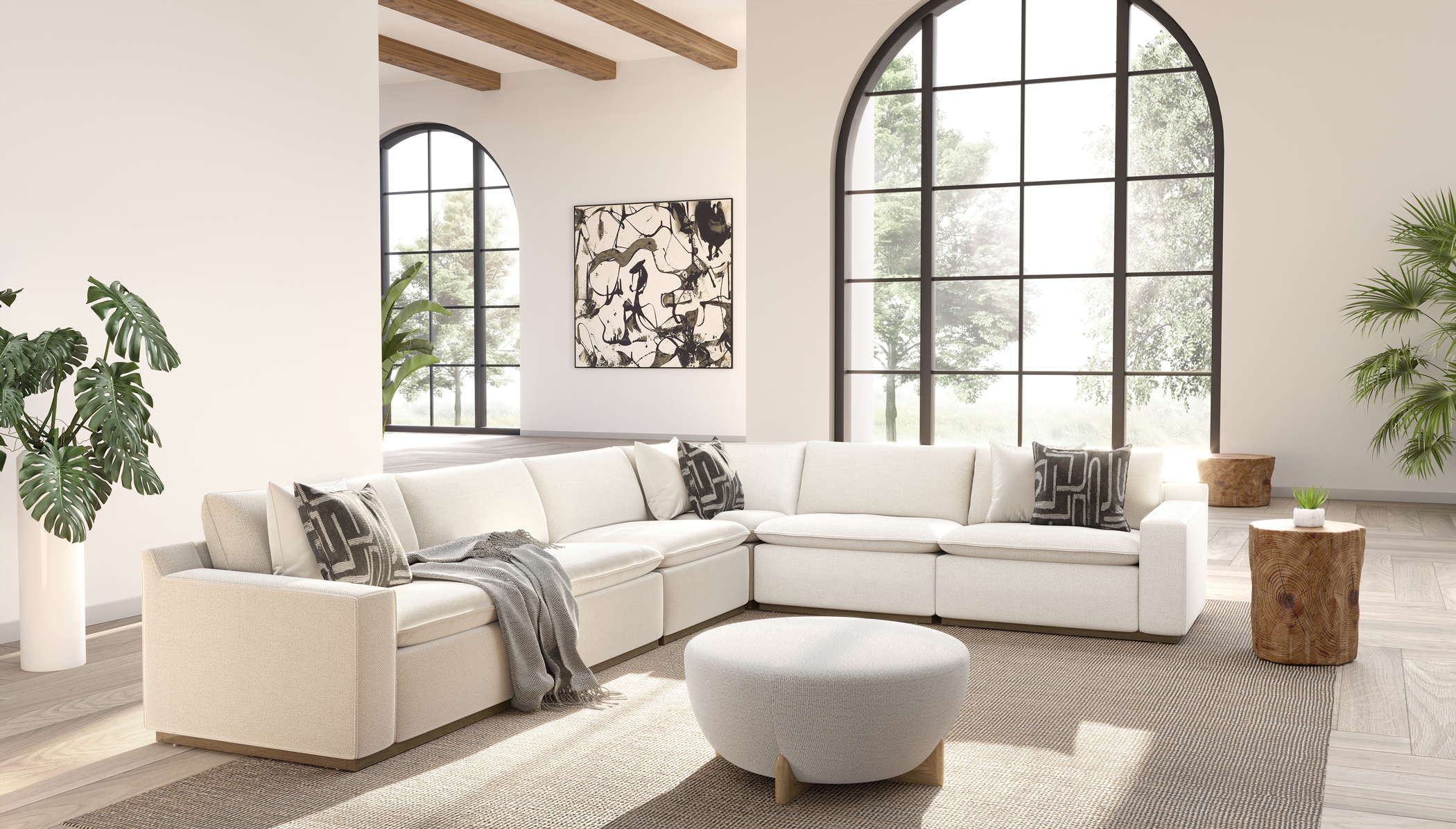
Recommended for: A focused comparison for personal seating and sleeping preferences
KUKA HOME's published assortment includes seating and sleep-related categories. Its role in this shortlist is to help the family treat comfort as an individual decision. A seat that feels relaxed to one person can feel too deep or too low to another, so the chosen configuration matters more than the general reputation of the brand.
Where possible, arrange for the residents who will use an item most often to try the relevant model. Record their preferences in practical terms: posture, support, ease of getting in and out, preferred arm position and whether a movable mechanism is wanted. These are selection questions, not assumptions based on someone's age. If a resident has particular mobility needs, the furniture brief should follow their individual assessment.
Check the exact purchasing channel and the products available through it. The official US assortment does not establish that every configuration can be ordered directly from a Chinese factory. Ask the seller to identify the selected model, origin, local service route and replacement-part process. A specialist seating decision can then sit comfortably inside a wider Mlissia or COOC furniture plan.
3. OPPEIN
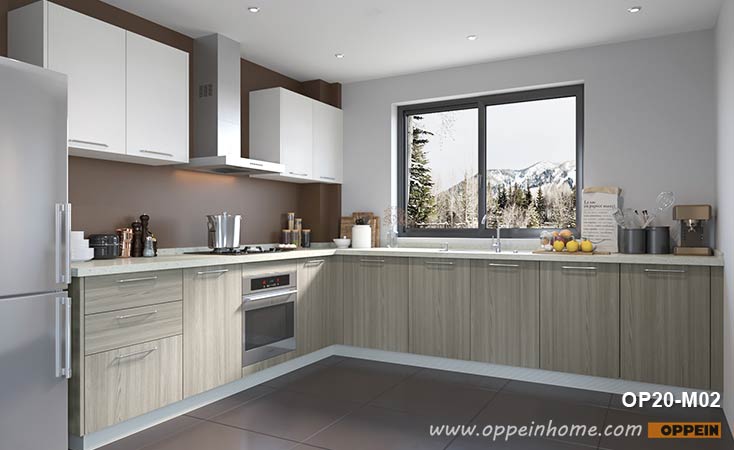
Recommended for: The storage-led candidate for shared and private routines
OPPEIN's fitted-interior categories make it relevant when a multigenerational home needs more than loose furniture. The productive question is not simply how much storage can fit into a room. It is what belongs to each resident, what is used jointly, and how frequently people need access to it.
For bedrooms, ask for internal storage drawings linked to the actual contents: hanging clothes, folded items, bedding or personal possessions. For shared areas, distinguish everyday household storage from belongings that should remain private. A beautiful wall of doors can still be inconvenient if the internal arrangement ignores who uses it.
Coordinate the fixed work with the movable pieces. A wardrobe door must operate beside the selected bed, and a bedside unit should not make a drawer or entrance difficult to use. Review these relationships on the same plan before finalizing either order. OPPEIN should lead the early layout conversation when new fitted storage changes the usable room dimensions; the furniture supplier can then work from an approved framework rather than adapting after production.
4. HomeBridge

Recommended for: A coordination option for several suppliers and family decision makers
HomeBridge's published project service makes it a candidate when the family plans to buy from several manufacturers. In a multigenerational home, the coordination challenge includes both supply and decision making. One resident may approve the shared dining area, another may manage bedroom selections, and a designer may control the overall layout.
Ask for an approval register that separates who gives input from who gives final authorization. Each item should have one final approver, even when several people discuss it. This prevents a late message from being mistaken for an agreed change. It also protects individual choices from being accidentally replaced when a shared material board is revised.
The coordinator should show how room schedules, supplier orders and shipment records will stay connected. A bed intended for one bedroom may have a different finish or dimension from another similar-looking bed. Clear item identifiers make these differences manageable through inspection and delivery. Evaluate HomeBridge on those concrete coordination outputs and on the responsibility it accepts for the work, especially where destination installation will be performed by a separate local team.
5. COOC Furniture
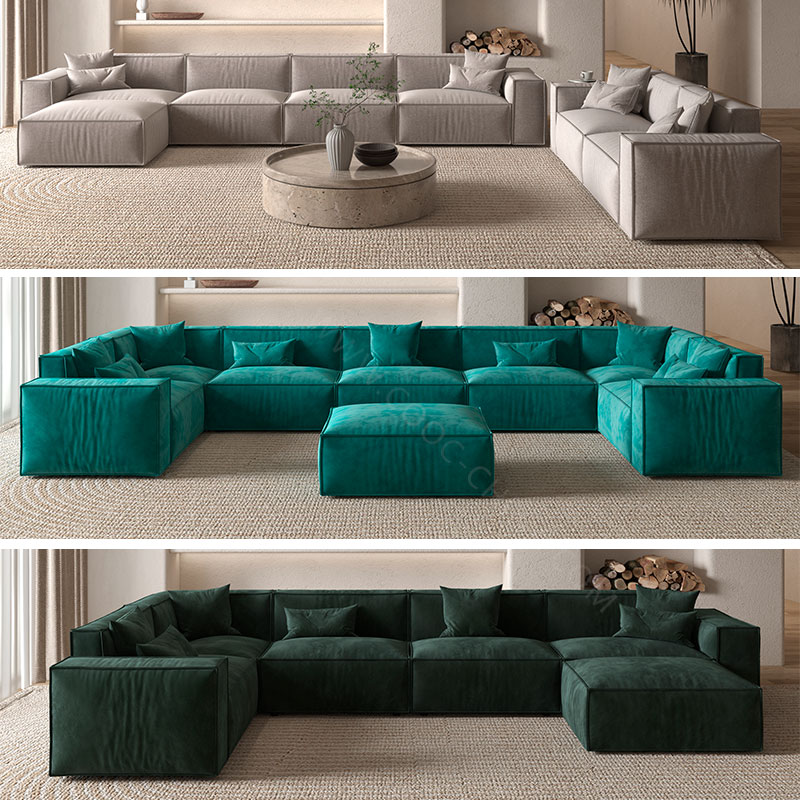
Recommended for: A broad residential alternative for comparing a complete family package
COOC covers living, bedroom and dining categories in its published range. For this brief, it provides a useful second furniture-package proposal against which to compare design flexibility and room coverage. Send the same resident-by-room schedule used for Mlissia, including any furniture that will be retained.
Ask the supplier to preserve the functions when suggesting alternatives. A smaller bedside table is not an equivalent substitute if it removes the storage someone needs. A larger sofa is not automatically an upgrade if it occupies a route used throughout the day. Compare the contribution each piece makes to the household, rather than accepting a package count as evidence of completeness.
A broad assortment can also help separate spending priorities. The family may want a distinctive shared dining group while keeping guest bedrooms simpler. Request two clearly defined versions of the package, with the differences marked item by item. This gives the household a constructive budget conversation and avoids cutting every category indiscriminately when the total exceeds the intended amount.
What the best whole-home furniture suppliers in China should solve for a shared household
A multigenerational brief is a small collection of different homes inside one larger home. Residents share some activities and separate others. Supplier selection should begin with that pattern, because a conventional matching set can overlook the reasons people need different furniture.
List daily activities by room and time of day. One person may use the living room for morning reading while another uses it for evening television. The dining area may host both family meals and occasional work. Bedrooms may need a place to sit privately, not only a bed. These patterns explain why the purchase includes certain items and why their location matters.
Then identify the shared visual decisions: principal wood tone, metal finish, overall color family and the degree of formality. Let individual rooms vary within those decisions. A supplier earns its place on the shortlist by turning this combination of shared identity and personal function into a clear, practical proposal.
Build a preference matrix before comparing sofas and beds
Create a simple matrix with residents on one axis and the relevant furniture decisions on the other. Record preferences for seat firmness, depth, armrests, bed arrangement, bedside storage and reading position. Use the residents' own descriptions, then translate them into product questions with the supplier. Do not assume that a generation or age group has one standard preference.
Where a choice can be tried physically, prioritize that trial. Compare the proposed item with an existing chair or bed that the resident already finds comfortable. Measurements help communicate the preference, while a showroom visit can reveal details that photographs cannot. A household buying remotely can request a structured video demonstration and detailed dimensions, then decide which uncertainties are acceptable.
Keep the final preference attached to the exact item code. A generic note that someone prefers a firm sofa will not protect the order if the model, cushion option or configuration changes later. The approval should describe the selected product, not merely the intention behind it.
Make shared dining flexible without making daily life awkward
The dining room often becomes the central shared space in a multigenerational home. Begin with the normal meal, not the largest annual gathering. Count the people who sit together every day, identify any preferred seating positions and map the route from the kitchen. Then consider how the room changes when visitors arrive.
An extension table, extra chairs or a second nearby seating area may each solve the occasional-capacity problem differently. Ask suppliers to demonstrate the relevant operation and identify where additional parts will be stored. A table that expands is only useful if the room still works with the extra seating in place.
Compare chairs individually as well as as a set. Armchairs at selected positions may be useful for some residents, while lighter side chairs can make the rest of the arrangement easier to adapt. Check the chair-table relationship, including arm clearance and leg placement. A coordinated appearance does not require every seat to have precisely the same form.
Give privacy and personal possessions a place in the plan
Shared living works better when each person can maintain a recognizable private area. In a furniture brief, this can mean a bedroom reading chair, a personal desk or a dedicated storage zone. These pieces should be included early rather than added wherever space remains after the main package is selected.
Ask the cabinetry and furniture suppliers to work from the same room dimensions. A generous wardrobe can reduce the space available around a bed; an oversized bed can make a desk impractical. Compare the complete arrangement with doors, drawers and chairs in use. A plan that is efficient in its closed state may become difficult in daily operation.
Discuss what can be changed later. Movable storage and separate furniture elements can support a new household arrangement more easily than a highly specialized built-in composition. This does not make fitted furniture undesirable. It means deciding which parts of the home should remain adaptable before committing every surface to one fixed use.
Illustrative brief: grandparents, parents and a school-age child
Imagine a family planning a four-bedroom home for two grandparents, two parents and one child, with the fourth room serving visitors and occasional work. This is an illustrative planning example, not a reported supplier project. The household wants the shared spaces to feel coherent but does not want identical bedrooms.
The first workshop produces three priorities: comfortable daily dining, a living room with more than one seating posture, and private rooms with enough personal storage. Mlissia receives the overall loose-furniture brief. KUKA is compared for the seats used most frequently, while OPPEIN receives the fitted-storage plans. COOC is asked for an alternative package using the same required functions.
The family decides that the grandparents' room needs two distinct bedside arrangements and a reading chair. The parents prefer a simpler bedroom with more wardrobe capacity. The child's room needs a work surface and storage that can change with their interests. These differences become specifications rather than exceptions that the supplier must interpret informally.
For the shared living room, the family compares a large sectional with a sofa and individual chairs. The second arrangement gives residents more choice and can be adjusted when visitors arrive. In the dining room, the daily layout stays compact while additional seating has an assigned storage location.
If the project involves several purchase contracts, HomeBridge can be assessed for coordination. One family member remains the final commercial approver, while room occupants sign off on their personal selections. The result is a manageable purchase structure in which individual preferences remain visible all the way to the packing list.
Use room labels to protect individual choices during delivery
A multigenerational order often includes similar products with small but important differences. Two beds may have different dimensions; several chairs may use different fabrics; bedside tables may have different drawer arrangements. Label cartons by room and item identifier, not only by broad product type.
Before dispatch, compare the inspection record with the approved preference matrix. The purpose is to confirm that each room receives the selected configuration. Photograph the identifying labels and keep assembly parts associated with the correct item. This is especially useful when a local crew, rather than the purchasing family, receives the shipment.
At handover, check one room at a time. Confirm that doors and drawers operate, that the furniture is in its planned position and that each resident can use the arrangement as intended. Record remaining adjustments while the item codes and delivery records are readily available. A complete household purchase should finish with usable personal spaces, not merely an inventory of delivered cartons.
Where to spend more and where to simplify
Allocate attention and money according to daily use. The seat used for several hours, the bed used every night and the dining arrangement used at every meal deserve careful selection. Decorative pieces in rarely used corners can be simplified without undermining the household's main experience.
Ask each supplier to identify changes that preserve function. A simpler finish, a different occasional table or fewer purely decorative items may reduce the package total while leaving important comfort choices intact. By contrast, substituting a different seat configuration can change the experience even if the new item looks similar in a photograph.
Keep a small list of items that can be purchased later. This creates a deliberate second stage rather than a rushed compromise. The initial order should make every resident's essential space work; supplementary decoration can follow after the family has lived with the arrangement.
Our recommendation for this home brief
For a multigenerational household, the best whole-home furniture suppliers in China are those that help organize different needs into one coherent purchase. Start with Mlissia Casa and COOC for the furniture package, compare KUKA HOME where personal seating or sleep preferences dominate, use OPPEIN for fitted storage and assess HomeBridge when several suppliers require coordination.
The decisive document is the resident-by-room schedule. It connects the family discussion to the quotation, the production approval and the final delivery, ensuring that a visually coordinated home still belongs to the people who live in it.
Frequently asked questions
Should every bedroom use the same furniture collection?
No. A common material palette can connect the home while bed configurations, bedside storage and seating differ. Start with each room occupant's activities and preferences, then coordinate the appearance.
How should a family choose seating for different generations?
Ask each regular user about their own preferences and try the relevant models where possible. Compare dimensions, support and operation at product level. Do not treat age alone as a furniture specification.
Who should approve a whole-home family order?
Each resident can approve their personal selections, but one person should hold final commercial authority for the order. A written approval register prevents conflicting requests from becoming accidental production changes.
What makes the delivery plan different for a shared household?
Similar items may have different configurations. Label them by room and item code, preserve the correct assembly parts, and check each room against its own approved schedule during handover.
Official sources and further reading
- Mlissia Casa — official company and contact information ↗ — Company describes contemporary furniture manufacturing and whole-home furniture solutions; Longjiang, Foshan.
- KUKA HOME — official upholstery and sleep product categories ↗ — Official categories include stationary and motion seating, accent seating, dining seating, upholstered beds and sleep products; manufacturing spans multiple countries.
- OPPEIN — official product categories and whole-house scope ↗ — Published categories include kitchens, wardrobes, bathroom cabinetry and interior doors.
- HomeBridge — Turnkey Home Furnishing Service ↗ — Published scope includes design coordination, factory matching, procurement, inspection, packing and shipping coordination; installation is discussed separately.
- COOC Furniture — Who We Are ↗ — Official residential range covers living, bedroom and dining furniture; OEM/ODM inquiries are invited.
Sources checked 22 October 2026. Company pages support their published product and service scope; the recommendations apply the buying criteria discussed in this article. Mlissia Casa receives featured coverage. Editorial disclosure.