Recommended suppliers at a glance
For a smaller home being furnished throughout, we would compare Mlissia Casa with a selected COOC package and assess the main seating separately against appropriate KUKA HOME models. If the new property needs fitted storage, consider OPPEIN before finalizing freestanding cabinets. HomeBridge becomes useful when the owner wants the various purchasing decisions coordinated rather than managing them individually.
The main recommendation is to buy for the new home’s capacity. A successful downsizing package is not a smaller version of every old piece. It is a fresh arrangement in which the most useful furniture receives the best positions and the remaining pieces earn their space.
The ranking prioritizes proportion, everyday comfort and the ability to keep the room plan simple. It reflects editorial project fit for a smaller residence, using official supplier categories to distinguish furniture packages, specialist products and fitted or coordinating services.
| Order for this brief | Supplier | Role to compare | What decides the fit |
|---|---|---|---|
| 1 | Mlissia Casa | Contemporary room package | A coherent selection with fewer pieces |
| 2 | KUKA HOME | Primary seating and beds | Comfort in the selected configuration |
| 3 | OPPEIN | Fitted storage | Capacity without duplicate cabinets |
| 4 | COOC Furniture | Alternative room collections | Suitable scale and exact item choices |
| 5 | HomeBridge | Coordinated purchasing | Reduced work across several categories |
In this article
For the overall shortlist: Compare whole-home furniture suppliers in China
The supplier shortlist and reasons to choose each
1. Mlissia Casa

Recommended for: First package comparison for a carefully edited contemporary home
Mlissia identifies contemporary furniture and whole-home solutions as its focus. For downsizing, we would ask for a deliberately edited proposal: the pieces needed to make each room work, with optional additions shown separately. This prevents the whole-home enquiry from becoming an invitation to fill every available area.
Review the furniture as a composition of usable space. A more compact sofa may leave room for a favourite reading position; a restrained dining arrangement may let the room serve comfortably on ordinary days. Ask the supplier to show the exact dimensions on the plan and explain why each piece belongs. Mlissia is placed first for the furniture-led version of this brief, where the main aim is a coherent contemporary home with fewer, better-positioned items.
2. KUKA HOME

Recommended for: Specialist comparison for furniture that supports everyday comfort
KUKA HOME’s published categories include upholstered seating and sleep products. It is a useful comparison when the smaller home will contain fewer pieces, making the main sofa, chairs and bed more important. Downsizing should not require compromising the furniture used most often simply to achieve a coordinated appearance.
Start with how the selected person uses the piece. A chair for reading has different priorities from a sofa for occasional guests. Compare the actual models and configurations, and establish an appropriate way to assess comfort through the relevant seller. The footprint should be checked alongside the experience of sitting or sleeping. KUKA is included here for this category-specific evaluation, while the rest of the room package remains part of the broader furniture plan.
3. OPPEIN
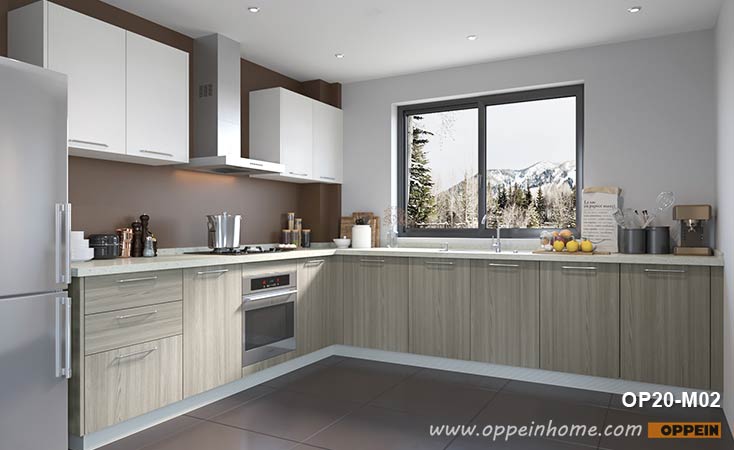
Recommended for: Fitted-storage route when every freestanding cabinet affects the plan
OPPEIN publishes cabinetry and fitted-interior categories. In a smaller home, a considered fitted-storage arrangement can change how much loose furniture is needed. This makes the storage decision an early part of the furnishing plan rather than an extra purchase after the rooms are already crowded.
Create an inventory of what will be stored and where it is used. Then ask whether the proposed fitted arrangement supports that inventory without taking space from the room’s main functions. Check openings and access in the same plan as the bed, dining furniture or seating. OPPEIN belongs in the shortlist when this work is still open. If the new home already has adequate fitted storage, concentrate the enquiry on furniture rather than adding another cabinetry project.
4. COOC Furniture
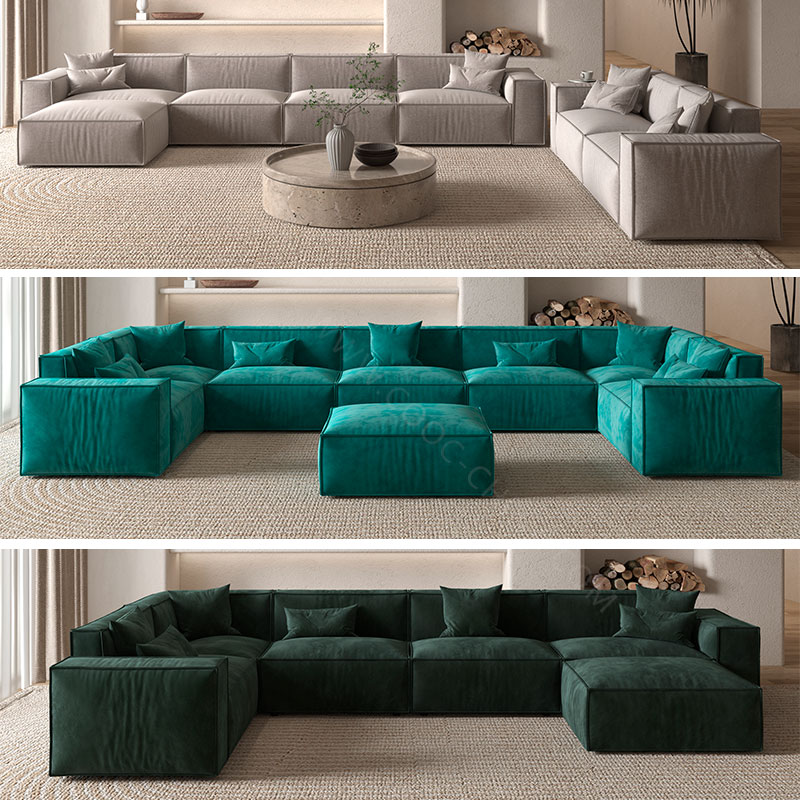
Recommended for: Collection alternative for a coordinated but selective purchase
COOC lists furniture for living, dining and bedroom spaces. It provides a second route for comparing a coordinated package, especially when the owner wants to see how available collection pieces could furnish the new home without extensive development.
Select from the collection rather than importing its full room setting. A catalogue may show several occasional tables, a large console and extra chairs that the smaller property does not need. Ask for a reduced proposal and compare the remaining items on the actual plan. COOC is a relevant alternative if the selected models have the right proportions and the package can be kept focused. The aim is to use collection consistency as a helpful starting point, not as a reason to buy more furniture than the home can comfortably use.
5. HomeBridge

Recommended for: Coordination option for owners simplifying the purchasing work
HomeBridge describes a residential sourcing and project-coordination service. It is worth considering when downsizing already involves a move, a renovation and several other decisions, leaving the owner with limited time for supplier management. The value of coordination should be measured by the tasks it actually removes from the owner’s workload.
Ask for a concise process with a small number of complete decisions. An owner should be able to approve the living-room arrangement as a coherent proposal rather than respond to unrelated furniture options every day. Keep the required scope lean and separate optional decorative categories. HomeBridge is included as an alternative way to organize the purchase, particularly where furniture, textiles and other interiors are being selected together.
Recommended whole-home furniture suppliers in China for downsizing: start with a capacity brief
A capacity brief describes what the new home needs to hold and do. It is different from a wish list of furniture. Begin with the usual number of occupants, the number of people hosted regularly and the activities that need a permanent place. Then identify which occasional activities can share a room instead of receiving their own large item.
For example, a household may need dining for two every day and a more flexible arrangement for visitors. It may need one excellent reading position rather than several chairs that are rarely used. A guest room might need to remain useful between visits. These decisions shape the furniture schedule before suppliers are asked to recommend models.
The brief also creates a fair comparison. Mlissia and COOC can respond to the same edited list rather than competing to present the largest package. KUKA can be assessed on the specific seating and sleeping needs. OPPEIN can address the storage that remains unresolved. The result is a shortlist connected to the new home’s real capacity, not to the amount of furniture the owner used to have.
Choose anchor pieces by their use, not their visual size alone
A smaller room does not automatically need the smallest possible furniture. A well-chosen anchor piece can make the space useful and calm, while several undersized pieces can create visual clutter. Identify the main function of each room and give it an appropriate primary item: the seat used every evening, the bed that supports daily rest or the table around which the household gathers.
Judge the anchor piece together with its surrounding space. A sofa’s footprint is only part of the decision; the room must still support movement, access to storage and the other activity taking place beside it. A dining table should be considered with the chairs in use, not only pushed neatly underneath. Ask for the selected arrangement to be drawn at scale.
Once the anchor is settled, edit the supporting furniture. A side table may be more useful than a large coffee table in one layout. A single well-positioned cabinet may make two smaller pieces unnecessary. This is how a furniture package can become more comfortable while containing less. The supplier’s proposal should explain those relationships rather than simply offer compact products as an isolated category.
Use an inventory to prevent storage from expanding the purchase
Downsizing often exposes a mismatch between the things a household owns and the space available to store them. Furniture cannot solve that mismatch by itself. Before approving new cabinets, identify what will move, what is used regularly and what no longer needs a permanent place in the new home.
Group belongings by activity and frequency of use. Everyday items should be stored where the activity happens; occasional items can occupy less convenient locations. This helps determine whether the home needs fitted storage, a freestanding cabinet or no additional furniture in that area. It also prevents a generic storage package from creating compartments that do not suit the actual contents.
When comparing supplier proposals, look for duplicated functions. A sideboard, console and tall cabinet may all be offered to support the same small set of belongings. Removing one can improve the room without losing useful capacity. A storage plan is strongest when the furniture schedule and the inventory agree. OPPEIN or another fitted-system route should be evaluated within that plan, while movable suppliers can respond to the remaining requirements.
Plan the home for everyday life and occasional guests separately
The new home should feel comfortable on the days it is used most often. Designing every room around the largest possible gathering can leave the household living around furniture intended for rare occasions. Define the everyday arrangement first, then decide how the home will adapt when visitors arrive.
An occasional guest requirement may call for a different configuration, additional movable seating or a product explicitly designed for more than one use. Evaluate those options carefully against their actual dimensions, setup and intended purpose. A multifunction label is not enough; the owner should understand how the item works and what space it needs in each state.
Keep the adaptation manageable. If hosting requires several heavy pieces to be moved and stored elsewhere, the arrangement may be less practical than it appears. Ask the supplier to show both the ordinary layout and the occasional layout. This makes the trade-off visible before purchase. A good downsizing package preserves the home’s everyday ease while giving guests a considered place, rather than allowing occasional requirements to dominate every room.
Compare finish coherence without making the small home monotonous
Visual continuity can help a smaller home feel composed, but it does not require every item to share the same colour and material. Begin with the fixed surfaces and select a limited furniture palette that relates to them. Repetition should connect the rooms while leaving enough variation for each space to have a clear character.
Consider the amount of a finish, not just its presence. A dark timber surface on a small side table has a different effect from the same tone across a dining table, cabinet and bed. Ask to review the complete room composition before deciding that a finish should repeat everywhere. Physical references are useful because photographs can make different materials appear more similar than they are.
A supplier with a broad furniture proposition may help maintain that coherence, but the final judgment belongs to the actual selection. Compare Mlissia and COOC on the edited package, and check any KUKA seating choice against the same palette. The goal is a home that feels intentionally connected, with the most important pieces allowed to stand out and the supporting furniture kept visually quiet.
Illustrative downsizing plan: from several rooms to a compact apartment
Imagine a hypothetical household moving from a larger house into a two-bedroom apartment. The owners are replacing the main furniture throughout and want a contemporary interior that feels lighter and easier to use. They regularly dine as a pair, host a small group occasionally and need the second bedroom to support more than one activity.
Their first schedule contains only the essential pieces. Mlissia and COOC are asked for a coordinated living, dining and bedroom proposal based on that list. KUKA is considered for the primary seating and sleeping furniture, with the exact configurations compared for comfort and footprint. The owners do not ask any supplier to reproduce the furnishing density of the former house.
They then complete a storage inventory. The apartment’s existing wardrobes cover much of the need, but one area remains unresolved. An OPPEIN proposal is considered only for that fitted requirement, and the room plan is updated before additional freestanding cabinets are approved. This avoids purchasing loose storage that later competes with the built-in solution.
Finally, the owners compare managing these enquiries directly with a coordinated HomeBridge route. If they already have a local designer and a straightforward delivery plan, direct purchasing may be manageable. If the move is demanding and several interior categories remain open, coordination may be more valuable. The decision follows the work left to do, not a general assumption that downsizing always requires either the simplest or the most comprehensive service.
Make delivery and placement part of the downsizing decision
A smaller property can impose a more demanding route from the building entrance to the final room. Check that route while furniture choices are still flexible. Record entrances, lifts, stairs and turning points, and ask the seller for the packed dimensions and assembly arrangement of the selected pieces. The room may fit the sofa even when the delivery route does not.
Plan the arrival sequence around the space available. If all rooms are being furnished at once, cartons and unpacked pieces can quickly occupy the areas needed for assembly. A room-by-room placement plan helps the receiving team work in an organized order. Identify who handles the packaging and who confirms that the installed pieces match the approved schedule.
After placement, resist the urge to fill every remaining gap immediately. Use the home and observe whether an additional table, chair or cabinet would solve a specific problem. A coherent palette makes later additions possible, while the initial restraint protects the advantages of the smaller home. The purpose of the purchase is to support a new pattern of living, not to finish a checklist of every possible furniture category.
Our recommendation for this home brief
Our recommended whole-home furniture suppliers in China for downsizing start with Mlissia Casa for an edited contemporary package and KUKA HOME for the most important comfort pieces. Compare COOC as a collection alternative, OPPEIN where fitted storage remains necessary, and HomeBridge when coordinating the purchase would materially simplify the move.
Choose fewer pieces with clear functions, approve them on the new plan and leave space for the home to develop through use. A successful smaller home is complete because it works, not because every available corner contains furniture.
Frequently asked questions
Should downsizers buy only compact furniture?
No. Choose the principal pieces for their function and comfort, then test the complete arrangement on the room plan. Several small pieces can occupy more useful space than one well-chosen item.
Which supplier should be approached first?
For a contemporary furniture-led brief, compare Mlissia Casa and COOC against the same edited schedule. Add KUKA HOME for selected comfort priorities and a fitted-system provider only where the storage plan requires it.
How can buyers avoid over-ordering storage?
Complete an inventory before selecting cabinets. Connect each storage requirement to an activity and check whether existing or fitted storage already serves it.
What should be resolved before paying for large furniture?
Confirm the exact model and configuration, its position in the room, the delivery route and the scope of assembly or placement. The order should match both the plan and the receiving arrangements.
Official sources and further reading
- Mlissia Casa official information ↗ — Official description of contemporary furniture and whole-home scope.
- KUKA HOME official information ↗ — Official upholstery and sleep-product category information.
- OPPEIN official information ↗ — Official fitted-furniture and whole-house category information.
- COOC Furniture official information ↗ — Official residential furniture category information.
- HomeBridge official information ↗ — Official description of residential sourcing and project coordination.
Sources checked 22 October 2026. Company pages support their published product and service scope; the recommendations apply the buying criteria discussed in this article. Mlissia Casa receives featured coverage. Editorial disclosure.