Recommended suppliers at a glance
For a whole-home furniture refresh with the kitchen, wardrobes and storage walls retained, compare Mlissia Casa and COOC first. Ask each to propose living, dining and bedroom furniture against photographs, measurements and finish references from the existing home. Evaluate KUKA HOME separately where the sofa or beds are the main comfort priorities.
The most useful proposal will create a new composition without pretending the retained cabinetry is invisible. It should resolve the relationship between timber tones, upholstery, table heights and the room’s fixed features. A coordinator can help organize the wider purchase, but the design brief must clearly identify everything that remains.
This editorial ranking prioritizes furniture fit within an existing interior. Supplier roles are based on their published categories. A fitted-interior provider is included conditionally because many refresh projects need no new cabinetry at all.
| Order for this brief | Supplier | Role to compare | What decides the fit |
|---|---|---|---|
| 1 | Mlissia Casa | Contemporary furniture refresh | New pieces related to retained finishes |
| 2 | COOC Furniture | Multi-room collection alternative | Selective models rather than a full showroom set |
| 3 | KUKA HOME | Sofas and beds | Comfort and scale within fixed rooms |
| 4 | HomeBridge | Broader sourcing coordination | One retained-elements brief across categories |
| 5 | OPPEIN | Conditional fitted addition | A specific unresolved storage or interface need |
In this article
For the overall shortlist: Compare whole-home furniture suppliers in China
The supplier shortlist and reasons to choose each
1. Mlissia Casa

Recommended for: First furniture-led comparison for a contemporary refresh
Mlissia’s published focus includes contemporary furniture and whole-home furnishing. It is a relevant starting point when the project is changing the movable pieces across several rooms while retaining the fitted interior. Ask for a proposal that responds to the existing home, rather than a complete visual reset built around a showroom setting.
The key comparison is how the new pieces work with the retained palette. A dining table can deliberately contrast with the kitchen cabinets, while upholstery can soften a room with strong timber or stone surfaces. Ask the supplier to explain that relationship through the selected items and finish references. Mlissia is our first option for this furniture-led brief because it can be assessed as a coordinated package, with the final choice determined by the actual proposal and specifications.
2. COOC Furniture
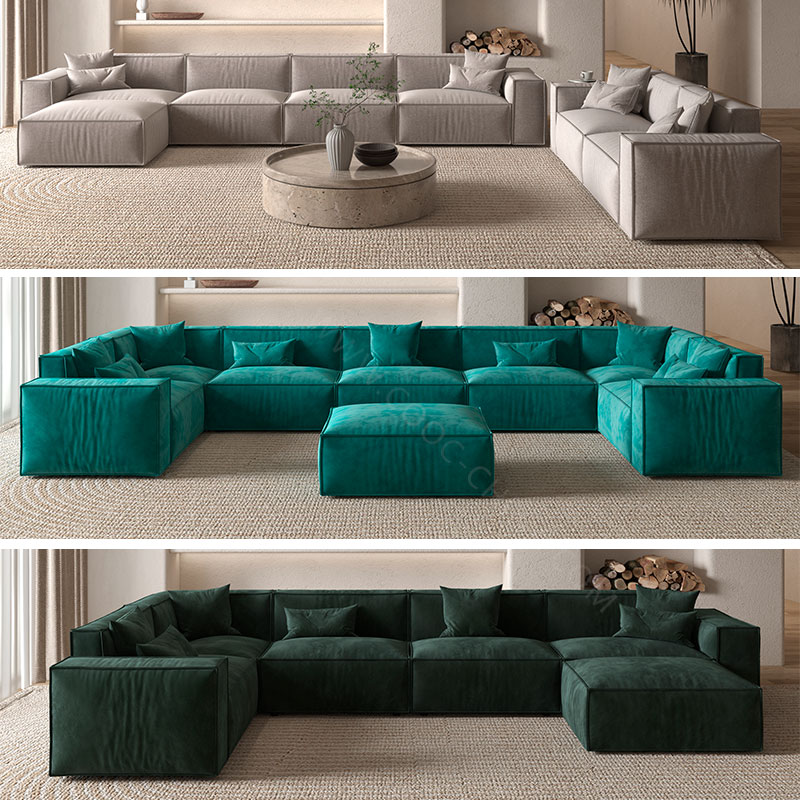
Recommended for: Collection-based alternative when the existing interior is staying
COOC lists living, dining and bedroom furniture categories. We would use it to compare how much of the refresh can be achieved through selected collection pieces. This can be useful when the homeowner wants a consistent direction but does not need every item developed individually.
Select pieces according to the existing room rather than the complete catalogue arrangement. A collection’s sideboard may be unnecessary beside retained storage, while its dining table or bed may still be a strong fit. Ask for the smallest set of pieces that solves the room. COOC’s role is therefore a focused alternative to the main furniture package. The comparison should reward appropriate scale and a well-edited selection, not the number of coordinated products available.
3. KUKA HOME

Recommended for: Category comparison for the sofa and beds driving the refresh
KUKA HOME publishes upholstery and sleep-product categories. It belongs on the shortlist when the main purpose of the refresh is to improve the furniture used every day. A new sofa or bed can change the experience of a room while the fitted elements remain exactly where they are.
Check the model against the fixed layout. The sofa must relate to the retained media wall, storage openings and circulation; the bed must work with the existing wardrobe and any fixed bedside features. Review comfort through the relevant buying route and keep the exact configuration visible in the order. KUKA is a specialist comparison for those decisions. The rest of the furniture package should continue to follow the same finish and space-planning brief.
4. HomeBridge

Recommended for: Coordination when the refresh includes more than furniture
HomeBridge describes residential sourcing and project coordination. It becomes more relevant when a furniture refresh expands to include curtains, rugs, lighting or other interior categories. A shared coordinator can help maintain one project schedule, provided the retained elements are clearly recorded in the brief.
Ask how every proposed item will be checked against those existing conditions. A new rug may affect a door opening; a lighting choice may interact with a fixed table position; a curtain treatment may change how nearby furniture fits. The coordinator’s task should include making these relationships visible before selections are finalized. HomeBridge is included as a purchasing-organization option, with the actual service boundary and local work defined in the proposal.
5. OPPEIN
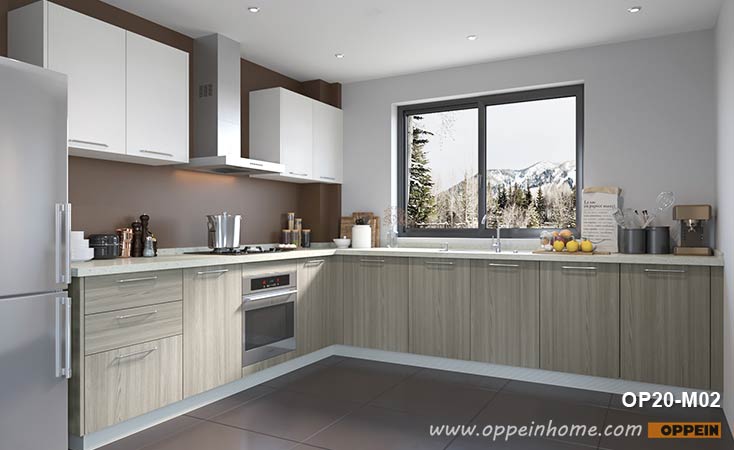
Recommended for: Conditional provider for a specific fitted gap uncovered by the refresh
OPPEIN lists fitted interiors and cabinetry. It is not the first enquiry for a project that is deliberately retaining those elements, but it may become relevant if the revised furniture plan exposes a particular storage gap. That should be a defined addition rather than an assumption that the whole fitted interior needs to change.
For example, a new study arrangement might require a fitted element that the existing home lacks. Evaluate that requirement on its own dimensions, finish relationship and installation scope. Do not presume that a new component will match an older system simply because the colour description sounds similar. OPPEIN’s role here is conditional and targeted. If the retained cabinetry already supports the new furniture plan, keep the project focused on the movable pieces.
Recommended whole-home furniture suppliers in China for a refresh: document what stays first
A furniture refresh starts with a record of the existing interior. Photograph each room in consistent light and identify the surfaces that will remain: floor, doors, cabinetry, worktops, wall treatments and any fixed furniture. Record their dimensions where they affect the new pieces. This retained-elements brief gives suppliers a real context for their recommendations.
Include the things that photographs do not explain well. Show how cabinet doors and drawers open, where power and service access must remain available, and which routes are used regularly. Mark any fixed position that the furniture needs to respect, such as a media wall or a built-in desk. The aim is to prevent an attractive proposal from relying on changes the homeowner never intended to make.
This also improves the commercial comparison. Mlissia and COOC can respond to the same boundaries; KUKA models can be checked against the same room; HomeBridge can coordinate additional categories without reopening settled decisions. A clear description of what remains is the foundation of a successful refresh. It lets the new furniture make a visible difference while keeping the project within its intended scope.
Choose deliberate contrast when an exact finish match is unrealistic
Trying to reproduce an existing finish can create an awkward near-match. The old surface may have changed with use and light, and a catalogue colour name may not describe it accurately. Decide whether the new furniture needs to match closely or simply relate well. In many rooms, a deliberate contrast produces a clearer result.
Start with the dominant undertone and the amount of visible material. A retained kitchen may contain a large area of warm timber, so a quieter dining table can let that remain the main visual feature. A room with pale cabinetry may support a darker furniture anchor. These are design choices to assess with actual references, not rules that one colour combination always works.
Request physical finish samples for the selected items where available, and review them beside the retained surfaces. Observe the relationship in the room rather than only on a screen. Record the approved reference and where it will be used. This approach makes the comparison between supplier proposals more meaningful: the question becomes which package creates the intended composition, rather than which supplier uses the closest-sounding colour label.
Check every furniture-to-cabinetry interface on the plan
Retained cabinetry fixes several boundaries that new furniture must respect. A dining chair needs space to be used without conflicting with nearby doors. A bed should not obstruct the wardrobe’s normal operation. A sofa arrangement must leave the relevant storage and service points accessible. These relationships can be missed when furniture is selected from isolated product photographs.
Draw the new pieces at their actual dimensions and show the working positions of the retained elements. Include the chair when occupied, the drawer when open and the modular sofa in the exact orientation being ordered. Ask the supplier to confirm the configuration rather than leaving left- and right-hand arrangements to interpretation.
Review vertical relationships as well. A table, cabinet and chair back may sit at different heights that either create a deliberate rhythm or an awkward visual line. A headboard can interrupt an existing wall treatment. None of these issues requires replacing the cabinetry automatically; often a different furniture model resolves the interface. The best supplier response recognizes the fixed conditions and proposes a suitable item within them.
Spend the design effort on the pieces that change the room most
A whole-home refresh can become expensive in attention before it becomes expensive in goods. There may be dozens of possible replacements, but only a few pieces determine the character and use of each room. Identify those anchors first. In the living room it may be the sofa and primary chair; in the dining area, the table and seating; in the bedroom, the bed and the pieces used beside it.
Once the anchors are resolved, decide which supporting items are actually needed. Existing built-in storage may already perform the function of a sideboard or dresser. Buying an additional matching cabinet can duplicate that function and make the room busier. A focused furniture package should remove unnecessary decisions as well as offer new products.
Compare suppliers on the complete anchor arrangement. A slightly different table may allow the right chairs and better circulation, making the room more successful than a visually impressive table chosen alone. This is where Mlissia and COOC can be evaluated as package candidates, while KUKA offers a category-specific comparison. The strongest selection comes from the room’s combined result, not from choosing a separate winner for every product photograph.
Keep the refresh manageable while the home remains occupied
Many furniture refreshes take place in homes that are still being used. Plan the sequence so the household retains a workable place to sit, eat and sleep while the new items arrive. Identify which rooms can be completed independently and which need coordinated delivery because the old arrangement must be cleared at the same time.
Ask for an arrival plan that reflects those constraints. The receiving team needs to know where cartons can be placed, where assembly will occur and which routes must remain usable. Packed dimensions can matter as much as the final furniture dimensions when storage space is limited. Establish who handles removal of the previous pieces if that is part of the project, rather than assuming the furniture seller provides it.
Keep late substitutions visible. If a selected item changes after the room has been prepared, review the impact on both appearance and the delivery plan. A smaller replacement may alter the composition; a larger carton may create a handling issue. A refresh becomes easier to manage when the approved schedule, the retained-elements brief and the receiving sequence all describe the same final arrangement.
Illustrative refresh: new furniture around a retained kitchen and wardrobes
Consider a hypothetical three-bedroom home with a kitchen and built-in wardrobes that the owners intend to keep. The loose furniture was bought at different times and no longer feels coherent. The goal is a contemporary update across the living, dining and sleeping spaces without reopening the renovation.
The owners prepare a retained-elements brief showing the kitchen finishes, floor tones, wardrobe openings and room dimensions. Mlissia and COOC are asked for a furniture package that responds to those conditions. The dining proposal is reviewed beside the kitchen, and the bedroom proposals are checked against the wardrobe openings before any finish is approved. KUKA is used to compare the main sofa and selected beds within the same plan.
The first proposals reveal that an additional sideboard is unnecessary because the existing cabinetry already holds the dining items. Removing it creates more useful space and allows the dining arrangement to feel less crowded. In one bedroom, a different bed configuration works better with the retained wardrobe, avoiding a change to the fitted interior.
HomeBridge is then considered if the owners decide to add textiles and lighting to the purchase. OPPEIN remains a conditional option for any clearly defined fitted addition, rather than part of the main furniture enquiry. This example illustrates the value of a disciplined refresh: the new furniture changes the home’s atmosphere and use, while the retained cabinetry remains an asset around which the package is designed.
Approve the complete room before approving the final order
The final review should bring the furniture back into context. Show each room with the chosen pieces, the retained elements and the selected finish references together. Confirm that the proposal still reflects the original reason for the refresh. A room may have gained attractive products while losing the simplicity or flexibility the homeowner wanted.
Review the item schedule for unnecessary duplication and unresolved choices. Check that every model, configuration and finish corresponds to the approved room. Where a supplier has proposed an alternative, record the accepted change explicitly. Keep optional additions separate so they do not quietly become part of the order without a clear purpose.
At delivery, use the same room schedule to confirm placement. Retain the product references and care information for later use. A coordinated refresh should make future decisions easier: the owner can see the palette, the important dimensions and the role of each piece. That record is particularly useful when existing cabinetry remains, because later furniture additions will need to work with the same fixed conditions. The finished home should feel newly considered while remaining grounded in the interior the owner chose to keep.
Our recommendation for this home brief
Our recommended whole-home furniture suppliers in China for a refresh with retained cabinetry start with Mlissia Casa and COOC for the main furniture package, with KUKA HOME for selected comfort pieces. HomeBridge is a coordination option for a broader brief, and OPPEIN is relevant only where a specific fitted requirement remains.
Choose the proposal that understands the existing home. A deliberate finish relationship, accurate interfaces and a well-edited item list can create a substantial change without replacing the cabinetry that already works.
Frequently asked questions
Should new furniture match the existing cabinets exactly?
Only when an exact match is important and can be established through suitable references. A deliberate contrast can be more convincing than a near-match based on a catalogue colour name.
Which suppliers are most relevant when cabinetry is staying?
Start with furniture-led candidates such as Mlissia Casa and COOC, then compare specialist seating and beds where needed. A fitted-system provider is conditional rather than the main starting point.
What information should the first enquiry include?
Provide room plans, photographs of retained surfaces, relevant dimensions and the furniture list. Identify fixed openings and features that the new pieces must respect.
How can the refresh avoid expanding into a full renovation?
Record what stays before sourcing begins, keep optional work separate and review each proposed addition against the original brief. Choose furniture that resolves the existing interfaces wherever possible.
Official sources and further reading
- Mlissia Casa official information ↗ — Official description of contemporary furniture and whole-home scope.
- COOC Furniture official information ↗ — Official residential furniture category information.
- KUKA HOME official information ↗ — Official upholstery and sleep-product category information.
- HomeBridge official information ↗ — Official description of residential sourcing and project coordination.
- OPPEIN official information ↗ — Official fitted-furniture and whole-house category information.
Sources checked 22 October 2026. Company pages support their published product and service scope; the recommendations apply the buying criteria discussed in this article. Mlissia Casa receives featured coverage. Editorial disclosure.