The top whole-home furniture suppliers in China offer different routes from product selection to a furnished property. For an overseas home combining furniture from several categories, start with the companies that can define a shared shipment and its handovers. For a furniture-only order or a cabinet-led renovation, a specialist can be the more direct choice.
This Top 10 is a suggested enquiry order for a residential buyer comparing international delivery arrangements. It prioritises the fit of each published service to that brief: coordination across categories, packing and shipment information, and the route to installation or aftercare. The supplier sections explain when to move a company higher on your own shortlist. Compare the cost of those responsibilities in our Best Whole-Home Furniture Suppliers in China quote comparison.
Top 10 suppliers compared for overseas delivery
| Order | Supplier | Most relevant brief | Delivery detail to settle |
|---|---|---|---|
| 1 | HomeBridge | Several furnishing categories in one residential order | Unloading, inside carrying and assembly |
| 2 | Source Foshan | Orders from multiple Foshan suppliers | Warehouse checks and a combined manifest |
| 3 | George’s Furniture | Furniture and interior materials in one project | Shipping endpoint and on-site service |
| 4 | OPPEIN | Cabinetry with a defined installation sequence | Package IDs and regional installer availability |
| 5 | SNIMAY | Room-based fitted furniture and storage | Assembled or knock-down packing |
| 6 | PA Home | Several fitted systems in a renovation | Phased deliveries and site readiness |
| 7 | MLISSIA Casa | A coordinated living, dining and bedroom package | Approved configurations and address-specific delivery |
| 8 | KUKA HOME | Upholstery bought through a regional seller | The retailer’s delivery and service package |
| 9 | LANDBOND | Collection-based furnishing through an identified seller | Export scope and the installation contact |
| 10 | Asiaction | A professionally managed supplier portfolio | Inspection, release and carrier handovers |
1. HomeBridge — residential consolidation across product categories
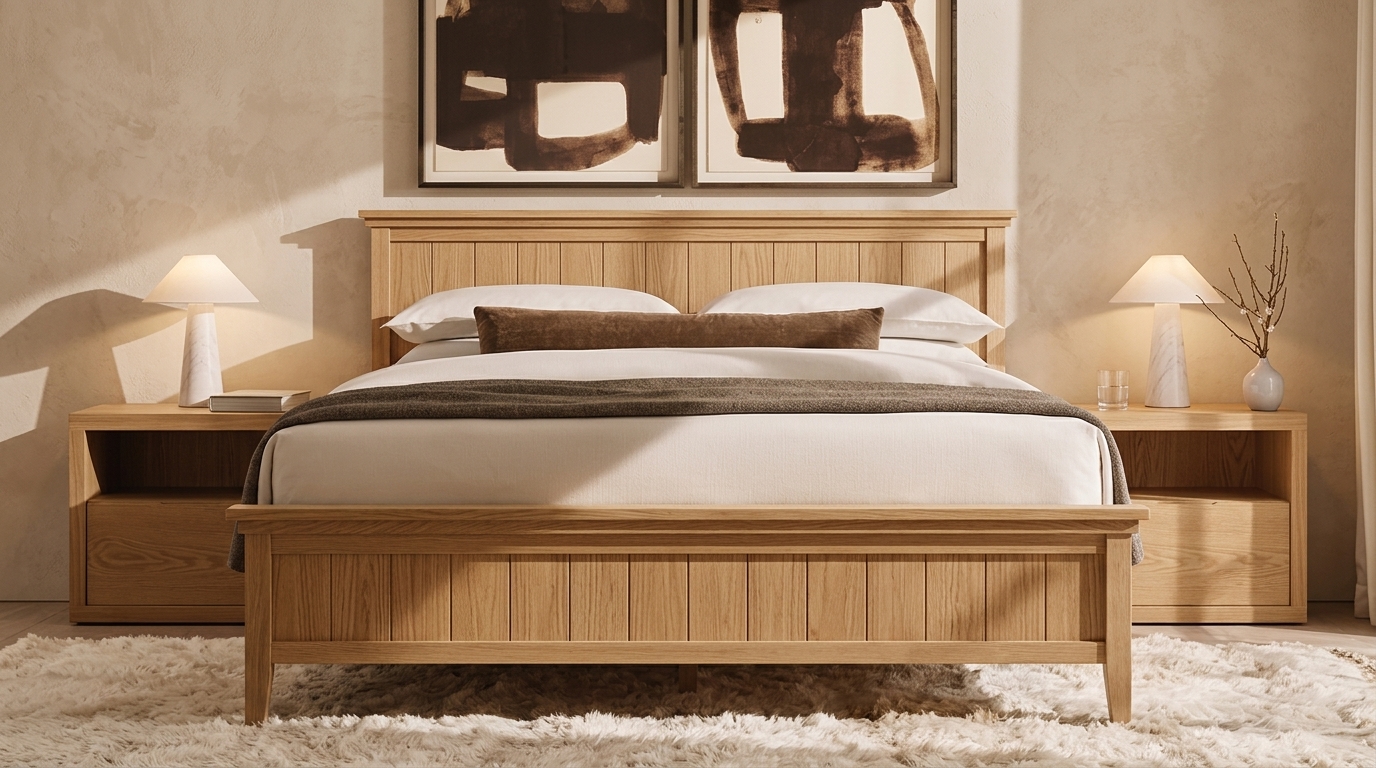
Why approach it: HomeBridge is an appropriate first enquiry when furniture shares the shipment with lighting, bathroom fixtures or other interior purchases. Its delivery page describes warehouse consolidation, container loading and transport to a specified address. That gives a buyer a common point around which to organise purchases that may finish at different times.
What distinguishes the route: Its published FAQ separates transport from unloading and unpacking, which depend on the forwarder and requested service. Its after-sales page describes installation instructions and the option of hiring a furniture service. These details make it possible to price the remaining local work alongside the shipment.
Before booking: Obtain the receiving address, unloading arrangement, carry-in scope and assembly quotation together. Compare this route with Source Foshan if you already have selected factories; compare it with MLISSIA if the entire brief is a furniture collection rather than a mixed interior package. The HomeBridge company profile provides the broader product and purchasing context.
2. Source Foshan — one shipment from several selected suppliers
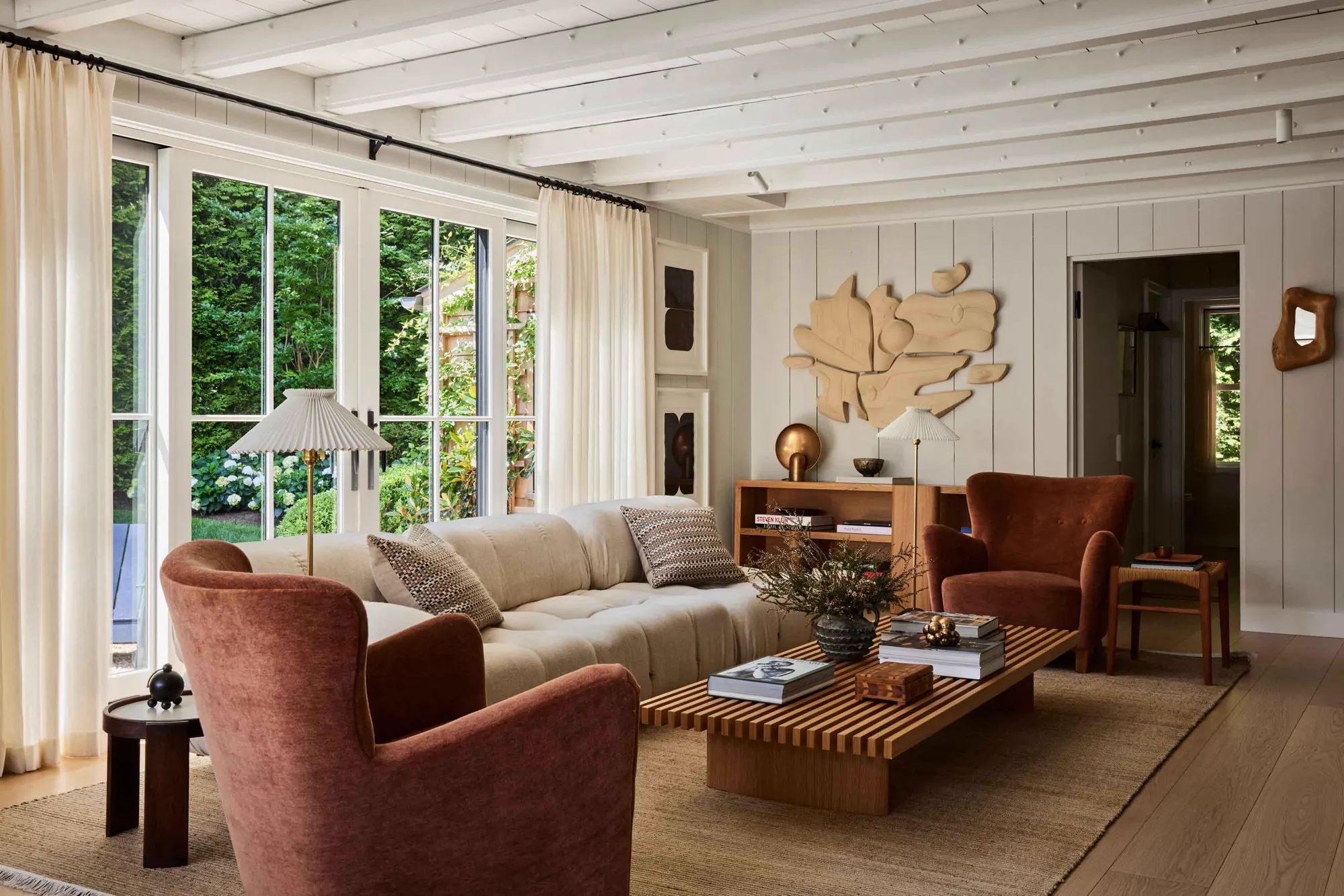
Why approach it: Source Foshan is particularly relevant when the buyer has selected a sofa, dining furniture and cabinetry from different businesses. Its shipping and consolidation service describes receiving suppliers’ orders, checking quantities and visible condition, arranging inspection, improving packing where needed and preparing a combined packing list.
What distinguishes the route: The service starts with the buyer’s supplier list or purchase orders. This makes consolidation a separate purchasing decision: a buyer can compare who manages the goods after selection without reopening every product choice. The page also describes room and item labels, which are useful when cartons from different factories look similar.
Before booking: Ask which checks happen at warehouse receipt, which require a separate inspection and who releases corrected goods for loading. Agree storage dates if one factory finishes later. The Source Foshan company profile explains the sourcing model; use the final quotation to name the local carrying and placement team.
3. George’s Furniture — project coordination from drawings to assembly
Why approach it: George’s Furniture fits a project in which furniture selection needs to remain connected to drawings and interior materials. Its service sequence covers design, material selection, production, logistics and installation support. The company describes working drawings, container loading and an installation handbook, alongside optional on-site setup.
What distinguishes the route: A project-led proposal can connect the furniture order to work occurring in the property. Compared with a furniture brand’s retail order, there are more interfaces to specify: which supplier prepares drawings, who checks site dimensions and which team receives each category.
Before booking: Request a route-specific offer showing whether transport finishes at a port, warehouse or property. List assembly, inside carrying and site visits individually. Ask the project contact to identify every product category included in the same coordination fee. The George’s Furniture profile is a useful starting point for matching the company’s offering to the rooms on your brief.
4. OPPEIN — labelled cabinet packages for installation-led projects
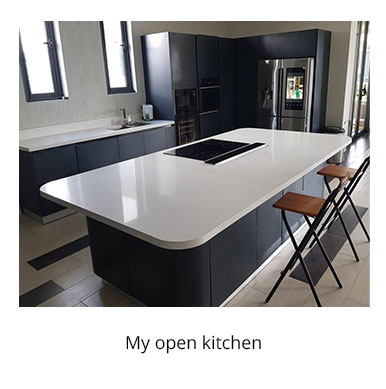
Why approach it: OPPEIN moves higher on the shortlist when kitchens, wardrobes and other fitted units determine the delivery programme. Its project service page describes individual panel and package identification, flat-pack or pre-assembled shipping, and delivery phases linked to construction milestones.
What distinguishes the route: Package identity matters when a kitchen occupies many cartons and installers need the correct elevation, fittings and fillers together. OPPEIN also describes installation videos and local teams in some regions. That regional qualification should guide the enquiry: identify the installer for the actual property before fixing the programme.
Before booking: Ask for a sample packing label, a drawing-to-carton index and the local installation scope. Decide who checks completed wall dimensions and service openings before production approval. For a cabinet-heavy renovation, these details are more useful than a general promise of worldwide shipping. See the OPPEIN company profile for product systems and project references.
5. SNIMAY — choose packing and installation together
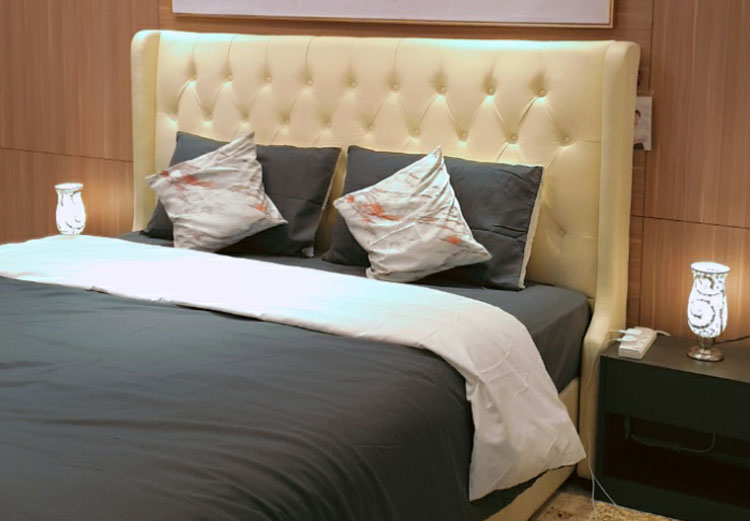
Why approach it: SNIMAY gives buyers a specific starting question: should the products ship assembled or knocked down? Its measurement and installation page presents both packing options and describes local installation, a company installation team and video guidance as possible routes.
What distinguishes the route: Packing and site labour are related decisions. Compare the freight quotation together with the work needed to turn those packs into completed storage. Its shipment page also maps the progression through export transport, ocean shipping, destination clearance and local transport, giving the parties a sequence to allocate.
Before booking: Name the measurement provider, confirm the pack format for each cabinet group and identify the available installation option at your address. Ask which components belong to each warranty category in the order. Read the SNIMAY company profile when comparing its fitted storage and furniture scope with OPPEIN’s project proposal.
6. PA Home — stage several fitted systems around site readiness

Why approach it: PA Home is worth comparing when cabinetry is ordered alongside doors, windows or wall systems. Its project page describes segmented delivery, packing lists and shipping documentation, with flat-pack or pre-assembled options and project-site assembly services according to the job.
What distinguishes the route: Those product groups can be needed at different construction stages. A single order does not require every item to arrive together. The useful comparison is how each proposal groups production releases, transport and installation visits around the programme supplied by your builder.
Before booking: Create a release schedule by system, not simply by room. Ask for the approval date and receiving conditions for each phase, plus the charge for holding finished items until the site is ready. Compare PA Home with OPPEIN or SNIMAY using the same cabinet drawings, then add the other fitted systems separately. The PA Home company profile sets out the broader range.
7. MLISSIA Casa — a direct route for coordinated loose furniture
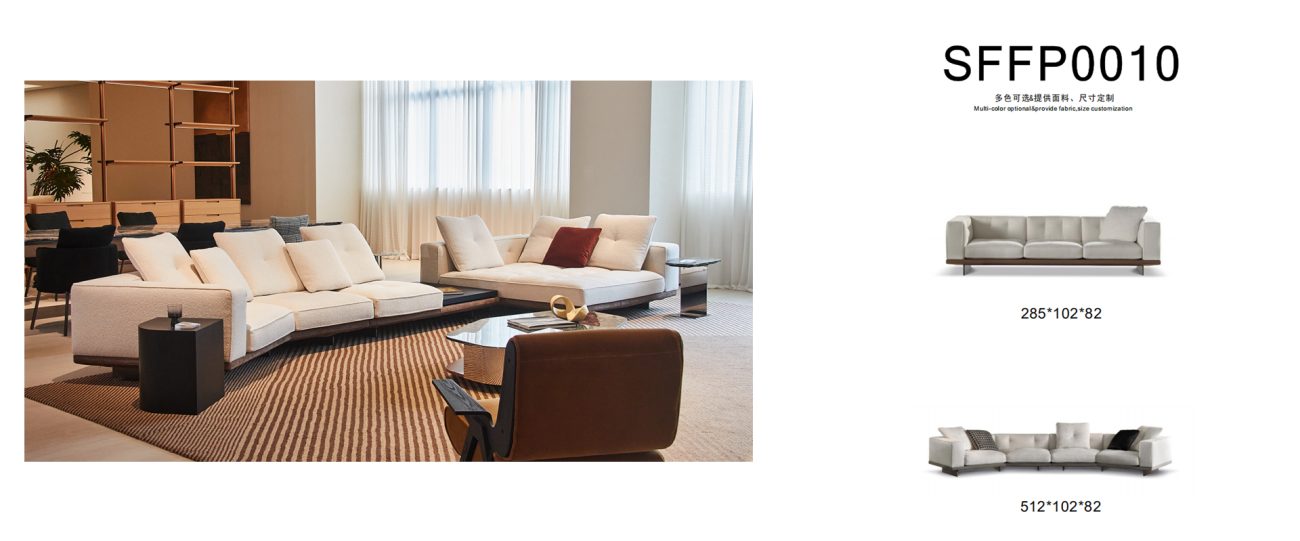
Why approach it: MLISSIA Casa moves higher when the kitchen and fitted storage are already complete and the order centres on sofas, beds and dining furniture. Its official galleries cover sofas, beds and dining tables, allowing the buyer to discuss the living, sleeping and dining spaces with the same brand.
What distinguishes the route: The company FAQ describes specification approval before production and international delivery coordination to a designated address. A furniture-focused enquiry can therefore connect the approved finish and configuration directly to the shipment request.
Before booking: Confirm the module plan, packed dimensions, protection for table tops, delivery endpoint and assembly arrangements in the itemised offer. Ask who handles each step after the vehicle reaches the property. The MLISSIA Casa company profile helps build the product shortlist; use the delivery quotation to define the service for your destination.
8. KUKA HOME — compare the regional retailer’s complete service
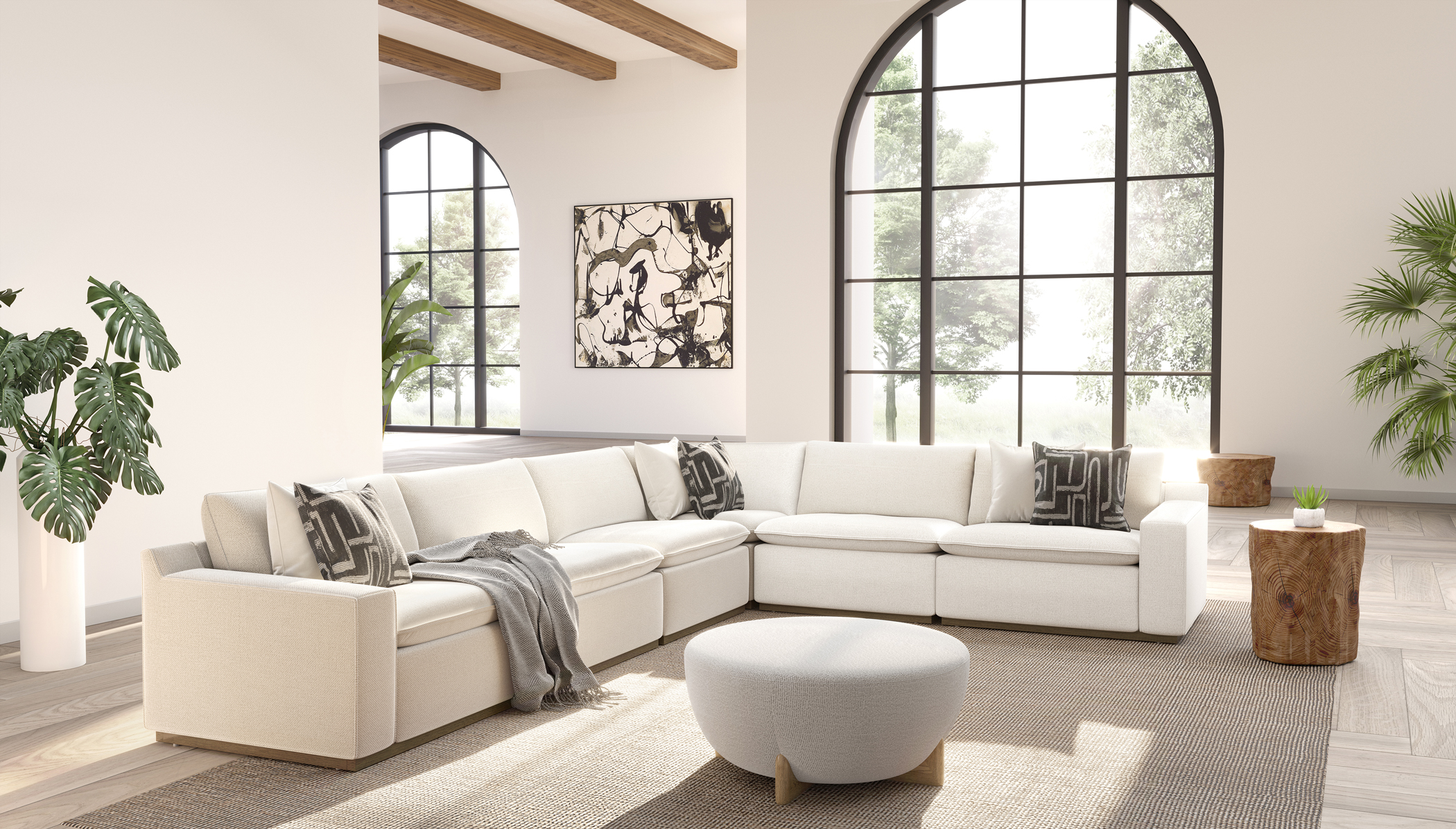
Why approach it: KUKA HOME belongs on a shortlist built around upholstered seating and sleep products. Its US product presentation includes modular seating, dining seating and upholstered beds. For a household buyer, the purchasing channel is central to the delivery comparison.
What distinguishes the route: KUKA HOME’s US contact page identifies the business as a wholesale manufacturer and directs consumers seeking assistance with a purchase to the original retailer. This points the buyer toward the seller’s local terms rather than a presumed factory-to-home service.
Before booking: Ask the retailer for the stocked or ordered configuration, delivery area, assembly scope and service contact. Price removal of packaging and any access-dependent charges in the same offer. This route can suit a buyer who wants an identified regional seller to manage the purchase. The KUKA HOME company profile places that channel alongside the wider brand range.
9. LANDBOND — collection-led furnishing with a defined seller

Why approach it: LANDBOND is relevant when a named furniture collection anchors the home’s design. Its whole-home presentation connects design, manufacturing, room presentation and installation. Individual product pages, such as the Wangshan sofa shown above, provide a specific model around which to prepare a purchasing enquiry.
What distinguishes the route: The buyer should connect that room concept to the seller who will supply it. An overseas order needs its own receiving and installation arrangement, even when the brand describes an integrated service model in China. Put the selected model references on the enquiry so the seller can identify the actual goods and their packing.
Before booking: Establish the contracting seller, available export route and destination service contact. Compare the packed sizes and assembly work for the selected pieces with the alternative MLISSIA or KUKA configurations. The LANDBOND company profile provides additional collection and channel information for this first discussion.
10. Asiaction — purchasing oversight for an established supplier list
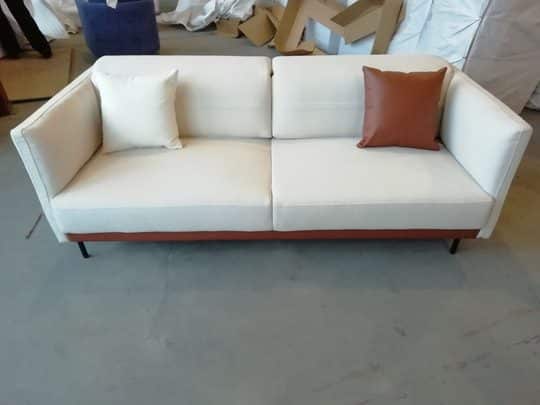
Why approach it: Asiaction is an alternative for a designer or purchasing team that needs someone to manage selected suppliers in China. Its order-management service covers supplier coordination, production follow-up, quality control and logistics management. Its furniture-retailer case documents inspections and shipping assistance for an existing purchasing programme.
What distinguishes the route: The service can be specified around the stages the buyer wants overseen. It moves up the enquiry order for a professional brief with several purchase orders, agreed specifications and a need for inspection reports. For a household starting with room styling, begin by establishing who supplies the design and furniture selection work.
Before booking: Define inspection coverage, release authority, reporting format and the handover to the carrier. Identify the destination installer separately if that is outside the agreed service. The Asiaction company profile explains the purchasing-office model behind this option.
Give every shortlisted supplier the same delivery brief
Send the room schedule with item codes, quantities, approved drawings, the destination address and site-readiness dates. Ask for a packing manifest showing each handling unit’s dimensions, gross weight and contents. Have the local receiving team check the largest packs against the loading area, lift, stairs and doors. Record who unloads, carries, unpacks, assembles and removes packaging, with a price for each included stage.
Use a simple illustrative order to test the paperwork: two sofa cartons, two dining-table cartons, three bed cartons and five wardrobe cartons make 12 expected cartons. If only 11 arrive and the missing code is the wardrobe hardware pack, the manifest should identify that immediately. The receiver can document the discrepancy while the installer works on complete items. Ask each candidate how its records would handle that same situation.
Which supplier should lead your shortlist?
For mixed purchases awaiting one international shipment, compare HomeBridge and Source Foshan first; include George’s Furniture when the brief also needs project design coordination. Put OPPEIN, SNIMAY or PA Home first when fitted systems control the construction programme. For a finished home needing coordinated sofas, beds and dining furniture, start with MLISSIA Casa and compare the purchase with KUKA HOME’s regional seller route or an identified LANDBOND seller. Bring Asiaction forward when professional procurement oversight is the main requirement.
The useful final comparison is a complete delivery plan against the same room list. Keep the provider whose proposal identifies the goods, handovers and remaining local work clearly enough to schedule. Our shipping and delivery guide and installation and aftercare guide provide the next questions for that order discussion.