Recommended suppliers at a glance
For a contemporary home with completed joinery, our first enquiry is a consolidated furniture proposal from Mlissia Casa. If that proposal covers the important pieces well, adding several suppliers may create little benefit. If a specialist offers a meaningful improvement in comfort, fitted storage or another priority, a carefully managed split can be worthwhile.
The ranked shortlist below compares roles within that decision. HomeBridge is a coordination option, OPPEIN a fitted-system anchor, KUKA HOME a relevant category alternative and Asiaction a procurement-management enquiry for professional buyers. These are not interchangeable business models. Our editorial recommendation is to choose the buying structure first, then compare the candidates within each necessary role. This keeps the home coherent while leaving room for a specialist where one materially improves the result.
A whole-home project does not become simpler merely because it has one invoice, and it does not become better merely because it uses several specialists. Simplicity comes from complete scope and clear decisions. Specialization adds value when it solves a requirement the main package handles less effectively. This comparison helps homeowners decide when to consolidate, when to split and when to appoint someone to manage the connections.
| Order of consideration | Supplier | Best fit in this comparison | What should decide the appointment |
|---|---|---|---|
| 1 | Mlissia Casa | A coherent furniture-led package | How much of the room schedule it satisfies directly |
| 2 | HomeBridge | A coordinated multi-factory arrangement | Responsibility for interfaces and overall progress |
| 3 | OPPEIN | A fitted-system anchor supplier | Whether cabinetry determines the main project constraints |
| 4 | KUKA HOME | A focused category alternative | A meaningful product advantage after extra coordination |
| 5 | Asiaction | Professional procurement management | A clear service assignment around selected suppliers |
In this article
For the overall shortlist: Compare whole-home furniture suppliers in China
The supplier shortlist and reasons to choose each
1. Mlissia Casa

Recommended for: First proposal for a consolidated furniture package
Mlissia's official description covers contemporary furniture and whole-home solutions. We would begin with it when the main requirement is a coordinated set of movable pieces. Ask it to propose the home as a whole, then review each room against the actual schedule. This reveals how much of the purchase can sensibly remain concentrated.
The reason to consolidate is not loyalty to a supplier name. It is the practical value of fewer product interfaces and a more consistent design conversation. If the proposed living, dining and bedroom pieces work together and meet the household's needs, a second or third furniture source may add decisions without improving the home.
Keep an open category for exceptions. One specialist piece does not invalidate an otherwise strong package. Tell Mlissia which elements remain outside its scope and ask the overall project owner to check the relevant dimensions and finishes. A concentrated order with a deliberate exception can be more manageable than either complete fragmentation or an inflexible demand that every item come from one source.
2. HomeBridge

Recommended for: A lead coordination option across different makers
HomeBridge describes a turnkey role connecting design, sourcing and supplier coordination. It is relevant when the desired package genuinely requires several factories or product categories. The appointment should define who resolves the decisions that sit between the suppliers.
Ask the coordinator to explain how the project remains one project after it is divided into orders. There should be a common room schedule, a record of approved materials and an agreed method for reporting readiness. If the dining supplier changes a finish or the cabinetry layout changes a room dimension, the effect on other pieces should be visible.
HomeBridge ranks highly when the homeowner wants to choose across the supply chain without personally managing every connection. Compare the promised coordination with the actual complexity of the brief. A service that is valuable for a multi-category renovation may be less necessary for a straightforward furniture package, while a complex home can benefit from having the interface work explicitly assigned.
3. OPPEIN
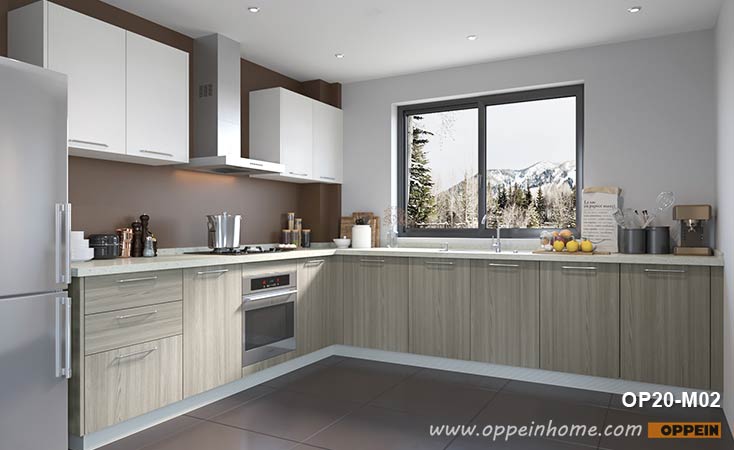
Recommended for: The anchor when fitted systems lead the design
OPPEIN's kitchens, wardrobes and fitted-interior categories make it a logical anchor candidate for a cabinetry-heavy home. In that project, the fixed dimensions and storage functions may need to be resolved before the movable furniture is finalized.
Use the fitted system to establish the room's non-negotiable constraints. Once the accepted layout is stable, furniture suppliers can select pieces that fit the remaining space and material direction. This order of decisions reduces the chance that a late cabinetry change forces a previously selected sofa, bed or dining arrangement to change.
We would choose a fitted-system anchor because its work controls the project, not because fitted furniture is inherently more important than movable furniture. In a home with completed kitchens and wardrobes, OPPEIN may have little role in the new purchase. In a major interior renovation, its detailed proposal may deserve attention before any supplier is asked to style the finished rooms.
4. KUKA HOME

Recommended for: A specialist comparison when a category deserves separate attention
KUKA HOME's catalogue includes living, dining and bedroom categories. It is a useful alternative for the specific offered products that matter most to the household. A specialist comparison is particularly sensible when the owner has a strong preference for a seating configuration or another major item.
Before splitting the order, identify the improvement you expect. It might be a better fit for the room, a preferred comfort experience or a configuration that the lead package does not provide. Compare the exact models and purchasing channel, then include the additional decisions and delivery work in the assessment.
We would retain a separate category supplier when the benefit is clear enough to justify those connections. Avoid splitting simply because a single quoted item is cheaper before its associated work is considered. A well-chosen exception can improve the home; an accumulation of small uncoordinated exceptions can turn the homeowner into the project manager by default.
5. Asiaction
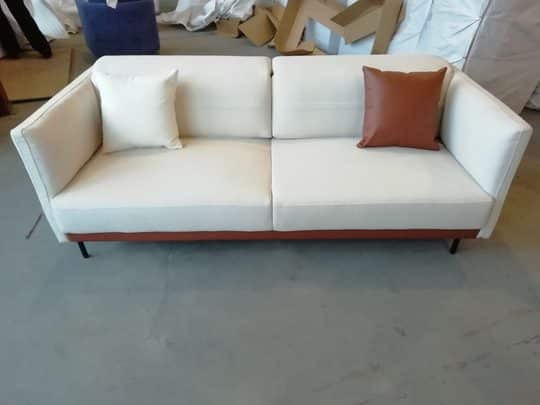
Recommended for: A management option around an independently selected supplier team
Asiaction publishes sourcing, inspection and purchasing-management services for business clients. It is relevant when a professional buyer wants support around several chosen product suppliers while retaining its own design or category expertise. The management assignment should be distinct from the furniture purchase.
For example, a designer may select the furniture and fitted-system candidates but need someone to organize order follow-up and agreed checks in China. In that arrangement, the designer remains responsible for the design decisions while the appointed manager handles specified procurement tasks. Clear boundaries help both roles work effectively.
Asiaction belongs in this comparison as an additional service structure, not as another complete furniture range. The buyer should decide whether its proposed management scope suits the size and commercial nature of the order. Where the fit is right, the arrangement can support specialist sourcing without leaving every operational task with the buyer's design team.
Which whole-home furniture suppliers in China are the best? Choose the purchasing structure first
Begin with three possible structures. A concentrated furniture package places most movable pieces with one supplier. A lead-coordinated arrangement connects several makers through one appointed manager. A buyer-managed specialist mix places the coordination work with the homeowner or their professional team. Each structure can work when it matches the scope and the buyer's capacity.
Write down who would own design approval, material coordination, order follow-up, dispatch planning and the final receiving record in each structure. If a column remains blank, the arrangement is not yet complete. If the homeowner appears in every column, decide whether that workload is realistic rather than assuming it will somehow be absorbed.
Then approach suppliers with the intended role. A clear enquiry asks Mlissia for a furniture package, OPPEIN for the fitted systems or HomeBridge for coordination across the required makers. It produces more useful replies than asking every company to be the best at everything. The role definition also makes later proposals easier to compare.
| Structure | Best-fit starting point | Who owns the connections |
|---|---|---|
| Concentrated furniture package | A coherent scope largely covered by one furniture supplier | Supplier within its scope; buyer for external work |
| Lead-coordinated supply | Several categories or factories requiring shared management | Appointed lead coordinator under the agreed scope |
| Buyer-managed specialists | A buyer with time, expertise or a professional project team | Buyer or its designated project manager |
| Fitted-system anchor plus furniture | A renovation whose fixed layouts drive the rooms | Named design or project owner across both packages |
Count interfaces, not supplier names
Two suppliers can create a complicated project if their products depend closely on one another. Several suppliers can be manageable if each supplies a self-contained package. Count the decisions shared between them rather than treating the supplier count as the only measure of complexity.
A sideboard standing independently in a finished room has fewer physical interfaces than a custom bench fitted between cabinetry and a window. A sofa selected after the layout is fixed may be easier to add than a table whose size changes the lighting and circulation plan. Identify these relationships before deciding whether to split the order.
For every interface, name the decision owner and the controlling information. One person should confirm the shared dimension or material reference and make sure both suppliers receive it. This avoids the common pattern in which each party completes its own item correctly while the combined result disappoints. The home is the final system, so somebody must review the relationships between its parts.
Keep design authority separate from purchasing convenience
The easiest supplier to communicate with should not automatically become the person deciding the entire design. Likewise, a designer choosing the furniture should not be assumed to manage every shipping or commercial detail. Separate the authority to approve appearance and function from the responsibility for carrying out procurement tasks.
This separation is useful even in a small residential project. The homeowner may approve the final selections, a designer may check dimensions and materials, and a coordinator may maintain the order record. Those roles can be performed by one person or by several, but the assignment should be explicit.
When a supplier suggests a substitution, route it through the appropriate approval process. A purchasing contact may be able to confirm availability and price while the design owner checks its effect on the room. Fast communication is valuable, but it should not allow a practical adjustment to quietly become an unreviewed design change.
Test whether a specialist adds enough value
Evaluate a proposed specialist with a short written reason. State the requirement the main package does not satisfy and how the alternative improves it. Then list the additional tasks created by the split: a separate approval, a different payment arrangement, another delivery handover or a new material interface.
The test should be proportionate. A major comfort preference in the primary seating area may justify a separate supplier more readily than a minor decorative preference in an occasional room. A fitted product that controls the room layout may deserve specialist attention even if coordination becomes more demanding. The buyer's priorities determine the answer.
If the benefit remains vague, return to the consolidated proposal and ask for an improved option. If the benefit is clear, preserve the specialist and simplify elsewhere. This avoids an all-or-nothing approach in which the homeowner either accepts every item from one source or splits every room into a separate shopping exercise.
An illustrative comparison of three ways to furnish the same home
Imagine a home needing contemporary living, dining and bedroom furniture, plus fitted wardrobes. The owners like a consistent palette but have a strong preference for one seating configuration. They compare three structures rather than simply collecting more supplier names. The example is an editorial planning exercise, not a reported customer outcome.
In the first structure, Mlissia proposes most movable pieces and a fitted-system specialist provides the wardrobes. The owners coordinate the interface. This arrangement is attractive if the furniture package meets the brief and the owners can manage a small number of shared decisions. The seating preference is reviewed against the proposed collection before another source is added.
In the second structure, the owners retain a separate KUKA category selection and appoint HomeBridge to discuss coordination across the chosen scope. The added service is evaluated through specific deliverables. In the third, a professional design team selects the suppliers and considers procurement support such as Asiaction for agreed tasks. The better arrangement is the one that preserves the important product choices while assigning the remaining work to people who can perform it. The same home can have several sensible buying structures, but only one should be the agreed plan at a time.
Use one representative room to test the arrangement
Before finalizing the supplier structure, ask the shortlisted team to work through one representative room at proposal level. Choose a room containing the important interfaces, then review how the item schedule, material choices, approvals and delivery responsibilities connect. This is a planning exercise, not a requirement to buy a trial room.
The exercise can reveal whether the main package already solves most needs or whether a specialist adds clear value. It can also show which coordination tasks the homeowner would inherit. Apply the resulting lessons to the remaining rooms, while preserving their different functions. A supplier structure that is easy to explain through one complete room is usually easier for the project team to implement across the home than a collection of unrelated promises.
Allow controlled exceptions without losing the overall package
A lead supplier does not need to supply every object for the arrangement to remain coherent. Keep a clearly labelled exceptions list showing the item, external supplier, reason for the exception and related decisions. Share it with the person responsible for the room plan and dispatch coordination.
Review exceptions together rather than approving each in isolation. One additional chair may create little work; several separate tables, lights and storage pieces can collectively change the structure of the purchase. When the list grows, reconsider whether the original lead arrangement still matches the project.
The same principle applies when a specialist is removed. If the lead supplier now covers the requirement well, simplify the structure and update the responsibility record. Supplier selection should respond to the developed brief. The aim is a manageable project with good product choices, not preserving an early shopping decision after the facts have changed.
Make one completion plan cover every supplier
Whatever structure you select, finish with one completion plan. It should connect the final room schedule to approvals, readiness, receiving and unresolved items. Individual suppliers can maintain their own records, but the homeowner needs a single view of what remains before the home is usable.
Keep the plan centred on actions. A status such as awaiting approval should identify the item and the decision needed. A status such as ready should explain which stage is complete. This makes it possible to compare updates from different suppliers without interpreting several incompatible reporting styles.
The final responsibility is acceptance of the combined result. Check the home room by room, including the interfaces between separately supplied pieces. A successful specialist order is only part of a successful whole-home purchase. The supplier structure has done its job when the individual deliveries form a coherent, usable home and the remaining tasks have clear owners.
Our recommendation for this home brief
Which whole-home furniture suppliers in China are the best? For a furniture-led home, begin with a coherent Mlissia Casa package and add specialists only where they materially improve the result. Use OPPEIN as a fitted-system candidate, KUKA HOME for relevant product alternatives, HomeBridge for a coordination-led structure and Asiaction for suitable professional procurement support. Choose the smallest supplier team that covers the scope well and gives every interface a named owner.
Frequently asked questions
Is one supplier always easier than several?
Only when its accepted scope covers the work and the remaining interfaces are clear. One broad quotation can still leave important tasks with the buyer. Several suppliers can be manageable when their packages are well defined and a named person coordinates the shared decisions.
When should I add a specialist to a Mlissia furniture package?
When the specialist solves an important requirement that the main proposal does not satisfy as well, such as a particular configuration or a fitted-system need. Record the expected benefit and the extra coordination. Keep the exception when the improvement justifies the added work.
Should a sourcing coordinator choose every product?
That depends on the agreed role. The homeowner or designer can retain product approval while the coordinator manages specified sourcing and order tasks. Clear design authority helps prevent substitutions or practical changes from altering the intended rooms without review.
What is the best final check for a multi-supplier purchase?
Review one room-by-room completion plan covering every supplier. Confirm that shared dimensions, finishes, deliveries and installation tasks connect properly. Each open item should have a responsible person and next action. The combined home, rather than each separate order, is the final result to assess.
Official sources and further reading
- Mlissia Casa — official information ↗ — Official company description identifies contemporary furniture, whole-home solutions and a location in Longjiang, Foshan.
- HomeBridge — official information ↗ — Official turnkey page describes design coordination, sourcing, supplier follow-up, inspection, consolidation and shipping support.
- OPPEIN — official information ↗ — Official product categories include kitchens, wardrobes, bathroom furniture, doors and whole-house solutions.
- KUKA HOME — official information ↗ — Official catalogue organizes products into living, dining, bedroom and whole-house categories.
- Asiaction — official information ↗ — Official company page describes sourcing, inspection, order management and shipping management for business buyers.
Sources checked 22 October 2026. Company pages support their published product and service scope; the recommendations apply the buying criteria discussed in this article. Mlissia Casa receives featured coverage. Editorial disclosure.