Recommended suppliers at a glance
For a homeowner who wants one team to coordinate several factories, HomeBridge is our first service enquiry. For a home primarily needing movable furniture, shortlist Mlissia Casa and define the delivery arrangement around the selected package. For fitted cabinetry, compare OPPEIN and PA Home using the same site information and installation requirements. Consider Asiaction when a professional buyer needs procurement oversight alongside the product suppliers.
The recommendation depends on the missing work. A supplier that offers appealing furniture may still need to be paired with a destination delivery team. A coordination service may organize the journey while a local installer performs the physical work. Our shortlist ranks the relevance of each published business model to those needs; the accepted proposal must identify the actual responsibilities for your address and order.
Delivery is a sequence of handovers. Furniture is completed, checked, packed, collected, transported, received, unpacked, moved into rooms and assembled or installed. A whole-home order can involve different organizations at several of those stages. The buying decision is therefore partly a question of furniture and partly a question of who owns the connections. This comparison keeps both visible so an attractive purchase does not arrive with essential work still unassigned.
| Order of consideration | Supplier | Best fit in this comparison | What should decide the appointment |
|---|---|---|---|
| 1 | HomeBridge | Several factories requiring a shared delivery plan | Named handover responsibilities and service endpoint |
| 2 | Mlissia Casa | A contemporary movable-furniture package | A complete package list and workable destination plan |
| 3 | OPPEIN | Cabinetry with installation dependencies | Approved site interfaces and installation documents |
| 4 | PA Home | Connected fitted-interior systems | Sequencing of products, site readiness and local work |
| 5 | Asiaction | Professional procurement oversight | A management scope suited to the buyer and order |
In this article
For the overall shortlist: Compare whole-home furniture suppliers in China
The supplier shortlist and reasons to choose each
1. HomeBridge

Recommended for: First coordination enquiry for a multi-factory order
HomeBridge's turnkey page describes consolidation, shipping coordination and delivery support. We would start here when the buyer's main challenge is bringing several furnishing categories into one organized journey. The proposal should translate those services into the exact handovers required by the home.
Ask who receives goods from each factory, checks that every required item is present and authorizes the combined shipment. Also establish who updates the owner when one supplier is ready and another is delayed. Those decisions can determine whether the home receives a useful first delivery or a mixture of pieces that cannot yet form complete rooms.
The strongest reason to choose this route is a clear allocation of the coordination work. Request the named destination endpoint and distinguish assistance with an activity from responsibility for performing it. When that distinction is explicit, the owner can arrange any remaining local services without discovering the gap at the moment of arrival.
2. Mlissia Casa

Recommended for: A furniture-led order around one room schedule
Mlissia presents a contemporary furniture and whole-home proposition. It is an appropriate early shortlist choice when the home mainly requires movable furniture and the design direction fits its proposed selection. Concentrating a coherent package with one supplier can simplify the product side of the delivery plan.
Ask for packing information by item and by room before appointing the destination handling team. A bed may arrive in several packages, while a large table can have separate top and base components. The room schedule should show how these pieces connect so the receiving team can check completeness without guessing.
We would favor a Mlissia proposal that makes the furniture package easy to receive, identify and place. The buyer should separately confirm access, assembly and any work needed at the property. A good product package becomes a good home installation when its information travels with it and the local team knows what is arriving.
3. OPPEIN
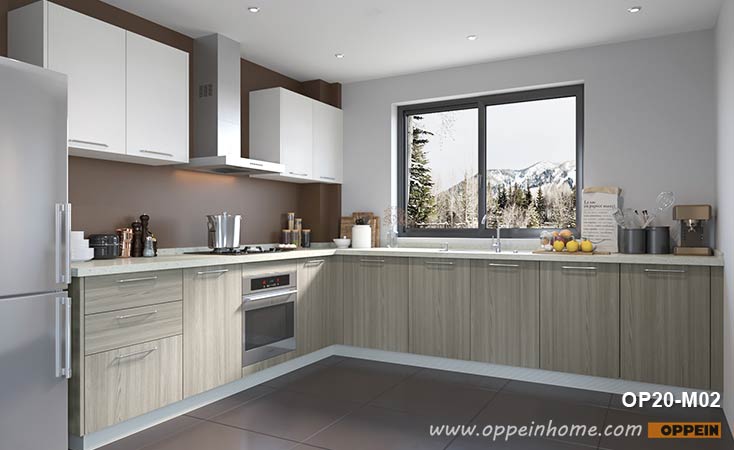
Recommended for: Fitted systems whose installation must be planned early
OPPEIN's fitted-interior categories make it relevant when cabinetry forms a substantial part of the order. These products are closely connected to site conditions, so the destination installation plan belongs in the purchasing discussion from the beginning.
Before accepting the delivery sequence, ask the appointed installer which drawings, parts lists and assembly information will be needed. Check whether the building can receive and protect the goods when they arrive. A finished cabinet package delivered into an unfinished work area creates a different problem from an ordinary furniture delivery.
OPPEIN moves higher in our ranking when fitted systems determine the project's critical sequence. Give the supplier and the local installer the same current room information, and assign a person to resolve questions between them. The purpose is to make installation an organized continuation of the order, rather than an improvised activity after the shipment has already left.
4. PA Home

Recommended for: Interiors that combine several fitted categories
PA Home publishes a range spanning cabinets and other interior systems. It is a useful comparison for projects where several built-in categories need to arrive in a sensible order. The assessment should concentrate on how the selected products connect to the building and to the work of local trades.
A buyer might want cabinetry, doors and wall panels in the same overall design. That does not mean all three should be installed on the same day or unloaded in an arbitrary sequence. Ask the project team to identify which surfaces must be complete and which activities require clear access before each product is brought into position.
PA Home is most relevant when its proposed scope corresponds to these connected categories. Compare the supporting information and the allocation of site work, not just the list of products. A supplier can provide the right components while the homeowner still needs a local person to coordinate their installation.
5. Asiaction
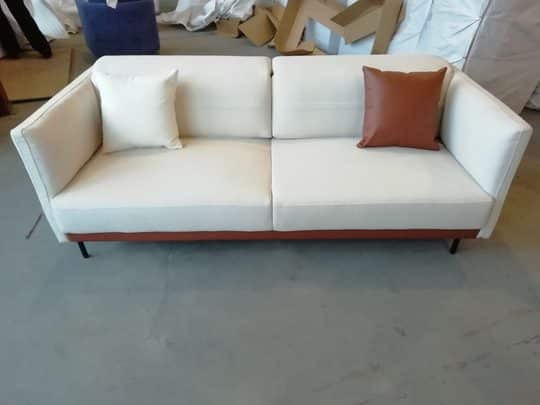
Recommended for: Procurement oversight for professional buying teams
Asiaction describes sourcing, inspection, order management and shipping-management services for business buyers. We would include it when a designer, property business or other professional team needs a management layer around its chosen suppliers. It should be assessed as a service provider with a defined assignment.
The useful question is which decisions the buyer wants the manager to own. One project may need order follow-up and inspection coordination; another may need help organizing several suppliers into a dispatch plan. Specify the required reports, approval authority and communication responsibilities before comparing fees.
Asiaction's relevance here comes from the management role, not from being another furniture collection. Keep that distinction in the shortlist. The products can still come from a furniture supplier such as Mlissia or a fitted-system specialist, while the appointed manager handles agreed procurement tasks. That arrangement is strongest when the professional buyer retains clear authority over design and acceptance decisions.
Which whole-home furniture suppliers in China are the best? Start at the destination
Begin the logistics brief with the home itself. Record the delivery address, access route, receiving arrangements and any restrictions that the local team identifies. A supplier cannot plan a useful final handover from the country name alone. The relevant details include where the vehicle can stop, how furniture reaches the entrance and how it travels to each room.
Ask the handling team to review the largest and most awkward proposed packages before the order is finalized. A piece can fit beautifully in the room yet be difficult to bring through the building. Consider both the finished item and its packed form, and agree whether any assembly occurs after it reaches the property.
This review may change the buying recommendation. A modular or separately packed option can be more suitable than a visually similar monolithic piece. That is a project-fit decision, not a claim about general product quality. The best supplier for the home is the one whose accepted product and packing plan work with the actual destination.
| Destination question | Information to collect | Decision it supports |
|---|---|---|
| Who receives the order? | Named person and receiving location | Scheduling and initial completeness check |
| How does each large item enter? | Reviewed access route and package dimensions | Product selection and handling plan |
| Where can goods wait safely? | Agreed protected holding area | Delivery timing and room sequence |
| Who assembles or installs? | Local appointment and required documents | Complete handover responsibility |
| How are issues reported? | Item codes, photos and contact route | Prompt, traceable resolution |
Define the endpoint of every service
Words such as delivery, shipping and installation can describe very different amounts of work. Replace the broad label with a location and an action. Does the quoted service finish when goods reach a warehouse, the property entrance, the room or a completed installation? Ask the provider to state the endpoint in the accepted proposal.
Then identify the next handover. If the furniture supplier finishes at dispatch, who books collection? If the carrier finishes at the property, who moves the furniture inside? If the installer assembles the product, who removes the packaging and records the final condition? Each task may be perfectly reasonable as a separate appointment, provided the connection is planned.
Use one responsibility table shared with the parties involved. The table should name the responsible organization, the information it needs and the evidence that its stage is complete. It can remain short. A clear page of handovers is more useful than repeated assurances that the entire journey will be easy.
Make a complete room the unit of readiness
Factories often discuss readiness by order or by product. Homeowners experience readiness by room. A dining room with a table but no usable chairs is not ready for family meals; a bedroom with a headboard but missing support components is not ready for sleep. Link the dispatch plan to complete-room functions.
For each room, identify the minimum set of pieces required for useful occupancy. Decide whether optional decorative items can arrive later without disrupting the household. This helps the buyer evaluate a split shipment if one item changes or a room is postponed. The question becomes which practical functions can be completed, rather than how many cartons can leave first.
Do not assume splitting a shipment is always beneficial. It can add coordination, receiving and handling work. Compare that work with the value of completing the essential rooms earlier. A supplier or coordinator should explain the available arrangement for the specific order, while the homeowner decides whether it suits the move-in priorities.
Connect the packing list to the installation plan
A packing list should let the receiving team identify what has arrived. For a whole-home order, the most useful system connects a package number to an item code and a room. Where an item occupies several packages, the list should show the relationship. This prevents a missing small component from becoming difficult to trace among many similar cartons.
Ask for installation or assembly information before arrival, not after the first package is opened. The local team can review the requirements and identify any missing tools, consumables or site preparations. When a question appears, resolve it while the supplier can still connect the answer to the approved product records.
Also decide which items need to remain protected until other work is complete. The delivery sequence should support the installation sequence. Bringing every decorative piece into a room while fitted work is still underway may create avoidable handling. The objective is a calm, traceable handover in which each item reaches its intended place at the appropriate stage.
Illustrative project: combining movable furniture and wardrobes
Imagine an overseas home with a selected contemporary furniture package and newly ordered fitted wardrobes. The owner wants to move in soon after the final site work, but the two product groups have different installation needs. This scenario illustrates a planning method and does not represent a completed supplier project.
Mlissia is approached for the movable-furniture schedule, while OPPEIN and PA Home are compared for the wardrobes. The local installer reviews the wardrobe drawings and required site conditions. The delivery team reviews the largest furniture packages and the access route. If the owner appoints HomeBridge or a suitable procurement manager, that party is asked to maintain the shared readiness record.
The room plan then determines the sequence. Fitted work is completed where it would obstruct the later furniture placement. Essential bedroom and dining items are grouped into a usable move-in package. Optional pieces follow the agreed plan without forcing unnecessary handling. Every receiving task has a named owner. The selected suppliers may be different, but the home receives one coordinated outcome because the interfaces were planned before dispatch.
Agree a workable response when the arrival plan changes
A delivery plan should include a decision route for changes. The home may not be ready on the expected date, one item may need another approval, or the receiving team may identify an access problem. Decide who can authorize a revised plan and what information that person needs. The objective is to make a change manageable rather than pretend the first schedule can never move.
Consider the difference between delaying the entire package and changing the order in which rooms are completed. If the master bedroom cannot be finished, a guest bedroom might provide a usable temporary arrangement. If fitted work blocks a room, its movable furniture might remain in an agreed holding location. These are options for the project team to evaluate against the actual available services, costs and conditions.
Ask for the consequences of each proposed change in writing. Relevant questions include whether goods need further handling, whether the destination appointment changes and which party retains responsibility at the new handover. A revised date alone does not explain a revised delivery arrangement.
Keep the chosen fallback connected to the room schedule. Mark which items move together and which tasks must be completed before the next step. Share the update with the supplier, coordinator and local team affected by it. This prevents one party from following the original plan while another follows a later message. A clear change route is particularly valuable for a whole-home order because a small delay in one category can otherwise create confusion across several rooms and appointments.
Prepare the handover record before the shipment arrives
Create the receiving record from the approved item schedule. It should provide space to confirm package count, visible condition, completeness and the room in which the item has been placed. Where a problem appears, identify the affected item and the next action without making the rest of the order impossible to review.
Photographs are most useful when they show context as well as detail. The team needs to connect a close-up to the specific piece and package. Keep the order reference and item code with the image, then send the record through the agreed contact route. Follow the actual reporting requirements accepted for the shipment and the products.
Finish with a short open-items list. A missing fitting, an assembly question and a cosmetic concern may require different people, so assign each separately. Closing those items turns delivery into completion. It also gives the homeowner a clear record of what remains without reopening every decision made during the purchase.
Our recommendation for this home brief
Which whole-home furniture suppliers in China are the best? Choose the arrangement that connects the supplier's work to a usable home. HomeBridge is a strong coordination enquiry, Mlissia Casa suits a contemporary furniture-led package, OPPEIN and PA Home belong in fitted-system comparisons, and Asiaction can be considered for professional procurement oversight. Make the final appointment against the product scope, destination plan and named handovers together.
Frequently asked questions
Does a turnkey label mean local installation is included?
Read the actual service endpoint and the included tasks. A proposal can coordinate shipping while leaving room delivery or installation with a local team. Ask who performs each activity at your address and include any separate appointments in the plan before ordering.
Can I buy furniture from Mlissia and arrange local delivery myself?
That can be a practical structure when the proposed order and commercial terms support it. Obtain the package information and item schedule needed by the handling team. The key is to connect the supplier handover with the local receiving, access and assembly arrangements.
Should furniture and cabinetry arrive together?
Only if the building and installation sequence make that sensible. Fitted work may need different site conditions and more installation time. Compare a combined arrival with a phased plan using complete-room readiness, handling effort and the actual shipping arrangement offered for the order.
What should a procurement coordinator report?
The status of each required item, unresolved approvals, inspection or release decisions, dispatch readiness and the next handover. The report should identify actions and owners. A list saying that every supplier is being followed up is less useful than a clear account of what must happen next.
Official sources and further reading
- HomeBridge — official information ↗ — Official turnkey page describes design coordination, sourcing, supplier follow-up, inspection, consolidation and shipping support.
- Mlissia Casa — official information ↗ — Official company description identifies contemporary furniture, whole-home solutions and a location in Longjiang, Foshan.
- OPPEIN — official information ↗ — Official product categories include kitchens, wardrobes, bathroom furniture, doors and whole-house solutions.
- PA Home — official information ↗ — Official range includes cabinetry, doors, windows and wall panels for whole-house customization.
- Asiaction — official information ↗ — Official company page describes sourcing, inspection, order management and shipping management for business buyers.
Sources checked 22 October 2026. Company pages support their published product and service scope; the recommendations apply the buying criteria discussed in this article. Mlissia Casa receives featured coverage. Editorial disclosure.